
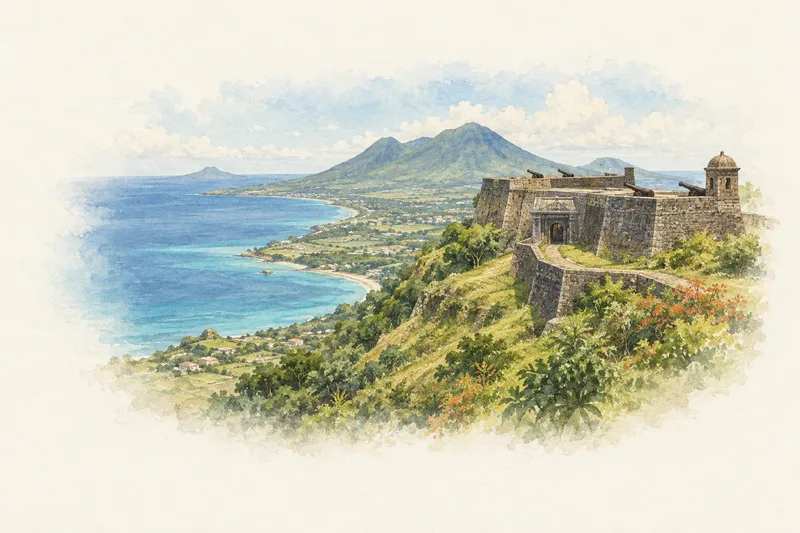
BEFORE YOUR FIRST MEAL
Navigating food allergies in Saint Kitts and Nevis
Saint Kitts and Nevis offers food examples ranging from goat water stew, curried meats and pig roasts to johnny cakes, seafood and saltfish dishes. The same name may cover different recipes: wheat flour can appear in dumplings or fritters, while fish, dairy and egg may be central or optional. Ask about the complete preparation, including stock, sauces, frying oil and toppings.
What to know first
Stews and fritters vary
Goat water may include wheat-flour dumplings or thickening, while conch and plantain fritters may use wheat flour and egg. Ask which version is being prepared today.
Saltfish is a defining protein
Saltfish, salted cod and other salted fish are central to several recorded dishes, including saltfish and dumplings, accra, and roasted breadfruit with saltfish.
Explain the whole request
Describe the ingredients you must avoid and ask staff to confirm the recipe, stock, sauce, batter, garnish and cooking method rather than relying on a dish name.
Check shared preparation
At bars, buffets and barbecues, ask whether the food uses shared oil, water, grills, tongs or utensils, and whether toppings are added after cooking.
Read complete labels
For packaged bread, vinegar, raisins, oil or other products, read the complete ingredient list each time. Formulations can differ, including possible soy, sesame, milk, egg or sulfites.
Understanding the food
Breadfruit, green banana, yam, sweet potato, coconut, saltfish, goat, conch and pelagic fish carry African-Caribbean knowledge through plantation history and maritime trade. Saint Kitts and Nevis share a federation, but Nevisian kitchens, markets and festival foods should not be flattened into the larger tourism identity of Saint Kitts.
Two small islands still produce several dining landscapes.
| Island or setting | Food landscape | Examples to understand |
|---|---|---|
| Basseterre & Saint Kitts towns | Markets, bakeries, lunch counters and island-wide migration | Saltfish, cook-up rice, patties, stews and fresh juice |
| Rural Saint Kitts | Former cane land, kitchen gardens, livestock and roadside cooking | Ground provisions, goat, breadfruit, grilled meat and fruit |
| Charlestown & Nevis villages | Smaller-island markets, goat keeping and household food traditions | Goat water, johnny cakes, provisions and preserves |
| Beaches & fishing communities | Reef and pelagic catch with tourism-facing grills | Conch, lobster, wahoo, mahi-mahi and grilled fish |
Island produce sits beneath the resort layer. Official tourism sources emphasise breadfruit, soursop, ground provisions, fresh seafood and local stews alongside the international dining built for visitors. [7][8]
Saltfish records forced and commercial Atlantic histories. Its pairing with dumplings, green banana and spicy plantain reflects preservation and plantation-era food systems, not a fish naturally harvested from these tropical waters. [9][10]
Preserved fish and slow stew meet locally grown starch.
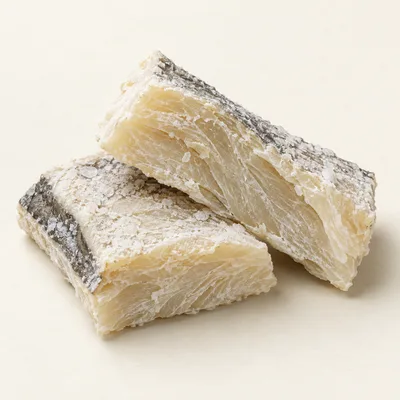 PRESERVED PROTEINSaltfish
Flaked with vegetables or served beside dumplings and provision
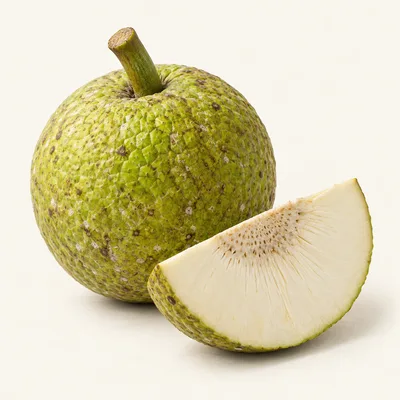 TREE STARCHBreadfruit
Roasted, boiled, fried or baked into richer dishes
Slow-cooked into the peppery Nevisian stew goat water
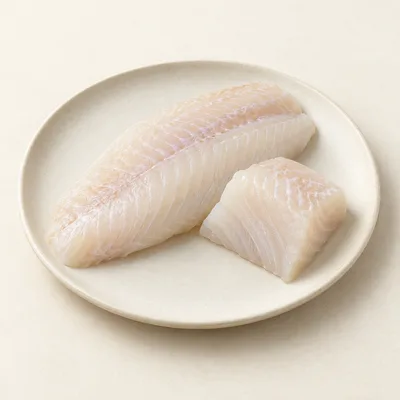 OFFSHORE CATCHFish
Grilled, fried or stewed according to the day’s catch
Goat water is a Nevisian point of pride. Goat is simmered with aromatics, spice, vegetables and often dumplings into a broth whose thickness and heat vary by cook and occasion. [8][9]
Breadfruit is more than a neutral side. Roasting concentrates its starch and smoke, while boiling, frying or baking it changes how it works beside fish, stew or vegetables. [7][10]
Roadside grill, village cookshop and beach restaurant reveal different versions of local food.
Ask what came from which island. Seafood and produce may move between Saint Kitts and Nevis, but naming the fisher, farm or village keeps the federation’s two-island character visible. [7][8]
A tourism menu is not the whole pantry. Resort dining highlights lobster and imported premium ingredients, while markets and lunch counters better show saltfish, provisions, rice, peas and stewed everyday foods. [9][10]
Food-culture sources checked .
Stews, stock and dumplings
Goat water and fish stew are possible local dishes, but recipes can vary and are not universal formulas. Ask whether goat water contains wheat-flour dumplings or flour used as a thickener, and what stock, seasoning or garnish is added. For conch water, check whether wheat-flour dumplings are served in the soup. Confirm whether a sauce or stew is finished separately from the main protein.
Saltfish and seafood plates
Saltfish appears with boiled green bananas, roasted breadfruit, spicy plantains and dumplings; accra and stewed saltfish are also possible versions. Ask whether the fish is salted cod or another species, and whether it is soaked, flaked or combined with a batter. Conch fritters contain conch as the named seafood, but their batter may include wheat flour, egg and sometimes celery.
Breads, cakes and puddings
Johnny cakes use wheat flour as their core dough ingredient, with cow milk common in some recipes. Bread pudding ordinarily has wheat bread, cow milk, butter and egg. Coconut tart generally has wheat pastry and may use butter and egg; cornmeal pudding, sweet potato pudding and sugar cake also have recorded recipe variations. Ask about flour, dairy, egg and any topping.
Frying, roasting and service
You may encounter beachfront bars, restaurant meals, buffets and barbecues, alongside pig roasts and curried meats. Ask whether fritters, plantains or other foods share oil, and whether barbecue utensils or surfaces are reused. For a buffet, ask which items contain batter, bread, sauce or stock, and whether serving spoons move between dishes.
Ingredients worth recognising
Start with these ingredients, then follow their names and recorded food connections. Check the recipe and product actually used.
Wheat flour
Wheat flour is recorded in johnny cakes, saltfish and dumplings, accra, conch fritters, conch water, goat water and several puddings or tarts. Ask whether it is in batter, dumplings, pastry, bread or thickening, and whether flour is added to stock or sauce.
Salted Cod
Salted cod is a finfish and the defining accompaniment in roasted breadfruit and saltfish. Ask whether the dish uses salted cod specifically or another salted fish, and whether the fish is cooked with a separate sauce, seasoning mixture or shared utensil.
Cow Milk
Cow milk or a milk-derived ingredient is common in some johnny cakes and is a core custard ingredient in bread pudding. Butter is also commonly used in that pudding. Ask about milk in dough, custard, pastry, fillings and finishes, not only in drinks.
Egg
Egg is a core binder in bread pudding and is commonly used in conch fritter and accra batter. It may also appear in plantain fritters, coconut tart or sweet potato pudding. Ask whether egg is in the batter, glaze, custard or pastry wash.
Celery
Celery is a recognised seasoning variation in conch fritters, so it should not be assumed absent because the dish is described as seafood. Ask whether fresh celery, celery seasoning or a prepared sauce is included in the fritter mixture.
Coconut
Coconut is recorded in coconut tart, where the pastry is typically wheat-based and butter or egg may also occur. Ask whether coconut is in the filling, pastry or topping, and request the complete recipe rather than treating the dessert name as a full ingredient list.
How food labelling works
A current, country-specific allergen-labelling summary for Saint Kitts and Nevis has not yet been verified for this guide. Do not transfer the list of regulated allergens or restaurant disclosure rules from your home country to this one.
Read the complete ingredients on the actual package and keep any local-language sticker with the original label. For imported products, compare the information on that pack rather than a photograph of the brand sold elsewhere. Ask the manufacturer or seller to clarify an unfamiliar term.
For loose food or meals prepared to order, ask who can check the recipe and the labels on bought-in ingredients. Explain every food you avoid, including ingredients outside familiar allergy groups; a short symbol chart may not cover your list.
Language and communication
English is used in Saint Kitts and Nevis. Prepare a written explanation in English naming the ingredients and forms that must be avoided, such as wheat flour in batter or dumplings, fish, milk, egg or celery. Ask staff to confirm the complete recipe and preparation separately.
Locals may also use an English-based Creole or patois, which may sound different to visitors. A written English explanation can support discussion, but confirm the meaning of replies and repeat the questions about stock, sauce, shared oil, utensils and toppings.
Eating in different settings
Beachfront bar or barbecue
Ask what is in the marinade, glaze or sauce for meat, fish or pig roast, and whether it contains stock, bread, flour or vinegar. Check whether the grill, tongs and serving utensils are shared, and whether toppings or sauces are added after cooking.
Restaurant meal
Before ordering goat water, curried meat, fish stew or conch fritters, ask for the full recipe and identify any dumplings, batter, thickener or garnish. Confirm the cooking oil and whether the kitchen can prepare the portion without the ingredients you must avoid.
Buffet or shared meal
Ask staff to identify the ingredients in each dish rather than choosing by its name. Check shared serving spoons, sauces placed alongside food, crumbs from bread or johnny cakes, and whether dishes such as saltfish or plantains share cooking water or oil.
Bakery or packaged-food shop
For bread, coconut tart, sugar cake, raisins, vinegar or vegetable oil, read the complete ingredient list and ask about the particular batch. Check for wheat, milk, egg, sesame, soy, barley or sulfites where relevant, without assuming another product has the same formulation.
Before you travel
Review your personal plan
Discuss your travel plans with your clinician and keep your prescribed medicines and emergency instructions accessible. Tell companions where these are and how to follow your plan.
Check your medicines before entering Saint Kitts and Nevis
Medicine rules and regulation can differ from the UK. Before travelling, check current TravelHealthPro guidance for the medicines being carried and ask the appropriate authority whether any documentation or import checks apply to each medicine. Do not stop or change prescribed treatment; confirm requirements with the appropriate authority or prescriber.
Make the first meals easier to organise
Contact your accommodation and transport providers in advance. Save your written food list, menu questions and destination address offline. Check entry restrictions before packing backup food, and plan how you will check meals during arrival and onward journeys.
Plan access to medical help
On Saint Kitts, Joseph N France General Hospital in Brumaire is the main government hospital; on Nevis, Alexandra Hospital in Charlestown is the main government hospital. Treatment can be expensive, private facilities may require insurance confirmation, and serious cases may require evacuation. Check insurance, funds and eligible providers before travel.
Emergency resources
For a suspected severe allergic reaction, follow your prescribed emergency plan and seek urgent medical help. Give your exact location clearly.
Ambulance and urgent medical help
Call 911 and ask for an ambulance.
Explore next
Your allergy in Saint Kitts and Nevis
Choose a food concern for the country notes and questions relevant to it.
Dishes in Saint Kitts and Nevis
Follow the ingredients and cuisine connections in individual dish records.
Your own food list
Combine allergy groups and individual ingredients in one guide, with local names where recorded.
Allergy cards
Prepare the information you need to explain your food requirements.
FAQs, sources and review dates
Can I order johnny cakes if I avoid wheat?
Do not infer suitability from the name. The recorded connection identifies wheat flour as the core dough ingredient, and some recipes also use cow milk. Ask whether this batch uses wheat flour, what liquid is added, and whether it was cooked on a shared surface or with shared utensils.
How should I ask about saltfish dishes?
Ask which fish is used, whether it is salted cod or another salted fish, and what happens during soaking and cooking. For saltfish and dumplings or accra, separately ask about wheat flour and egg in the dumpling or fritter batter, plus shared oil and serving utensils.
What about an ingredient outside common allergy groups, such as celery?
Conch fritters are a useful example: celery is a recognised seasoning variation even though it is not named in the dish title. Ask whether celery is fresh, dried or in a sauce, and request confirmation of the complete batter and any accompanying dip.
Sources checked: . This researched draft is awaiting editorial review. Practical questions apply the sources below to local food settings; they do not confirm any individual meal's ingredients or preparation.
Sources & references (10)
- FCDO · Saint Kitts and Nevis health and medical assistance
Emergency contact details, local healthcare and medicine guidance. UK-specific eligibility does not apply to every visitor.
- Nevis Tourism Authority · Dining
Tourism authority examples of local foods and dining settings. Does not establish an individual recipe or allergy suitability.
- FARE · Dining out
General recipe and preparation questions, applied here to country-specific food examples.
- FARE · Travelling with food allergies
General preparation, written communication and access to prescribed medicines. Not country-specific import permission.
- PlateSafe · Saint Kitts and Nevis recorded food connections
Existing draft dish and ingredient records, used as examples to investigate. These are not independently verified recipes or suitability assessments.
- Unicode CLDR · Territory language data
Language suggestions. Regional language needs must be confirmed with the particular food provider.
- St Kitts Tourism Authority — Kittitian flavour
- Government of St Kitts and Nevis — Eat island style
- St Kitts Tourism Authority — Culture and cuisine guide
- FAO — Saint Kitts and Nevis country profile