

BEFORE YOUR FIRST MEAL
Navigating food allergies in Saint Lucia
Saint Lucian meals commonly bring together fish, chicken, goat or vegetables with rice, plantain, breadfruit, salad or macaroni. Rotis, bakes, fritters, stews and fried foods can have different recipes even when their names sound familiar. Ask about the complete preparation, including marinades, stock, dumplings, sauces, toppings and frying oil, particularly at small shops, festivals and informal food stands.
What to know first
Roti and bakes
Roti and bakes are wheat-flour foods, but fillings, dough fats and cooking surfaces still need checking. Ask whether the dough and filling are prepared separately.
Stews and sides
Coal-pot stew, bouyon and fish broth may be served with dumplings, while meals can include macaroni, rice, plantain or breadfruit. Confirm each side individually.
Explain the whole dish
Describe the ingredient you need to avoid and ask about stock, seasoning, marinade, sauce, garnish and shared utensils. A dish described as vegetarian is not enough.
Fried and grilled food
Ask whether chicken, fish, accra, fritters or bakes share oil, pans, tongs or preparation surfaces with other foods, and whether the oil itself is identified.
Read the full label
Read the complete ingredients and allergen information on the actual product. If you avoid a food that is not highlighted, ask the producer or food provider to check it specifically.
Understanding the food
Green banana, breadfruit, cassava, yam, callaloo, saltfish, fresh fish, cocoa, coconut and spice connect African, French, British, Indian and wider Caribbean histories. Jounen Kwéyòl, market cooking and household gardens keep Saint Lucian Creole food alive beyond the island’s resort restaurants.
Market town, fishing coast and cocoa valley create different encounters.
| Region or setting | Food landscape | Examples to understand |
|---|---|---|
| Castries & north | Central market, dense urban demand and broad restaurant range | Green fig and saltfish, bakes, bouyon, juice and street grills |
| Soufrière & southwest | Volcanic soils, cocoa estates, fishing and Pitons tourism | Cocoa tea, chocolate, fresh fish, root crops and Creole meals |
| East-coast communities | Atlantic fishing, small farms and quieter village markets | Fish, breadfruit, callaloo, cassava and seasonal fruit |
| Jounen Kwéyòl settings | Kwéyòl language, music, dress and community cooking | One-pot dishes, smoked foods, Creole bread and cocoa drinks |
Creole food is a living expression, not a restaurant theme. The tourism authority links it to generations of African, French and Caribbean history, local markets, gardens and cooks who adapt tradition in homes and professional kitchens. [7][8]
Volcanic landscape supports visible crops. Cocoa, banana, coconut, root crops, herbs and fruit grow within steep terrain where farm access and tourism pressures vary considerably. [7][10][9]
Green fig, salted fish and cocoa translate history into everyday flavour.
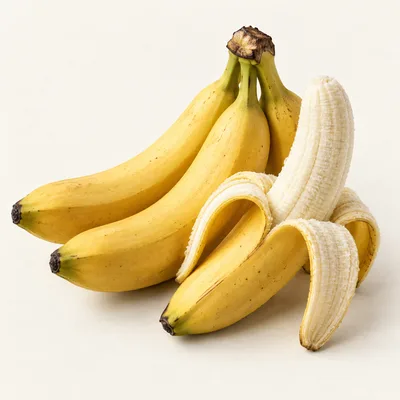 COOKING BANANAGreen fig
Boiled green banana for the national pairing and salads
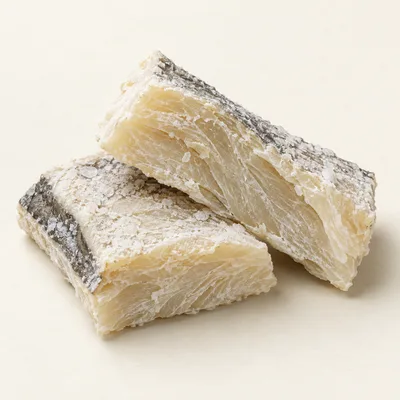 PRESERVED FISHSaltfish
Flaked with herbs, pepper and vegetables
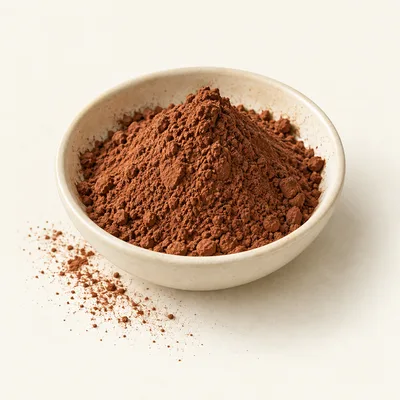 VOLCANIC CROPCocoa
Cocoa tea, estate chocolate, cakes and drinks
Soup, side dishes and one-pot Creole cooking
Green fig and saltfish balances fresh starch with preserved protein. Boiled green banana meets soaked, cooked and flaked salt cod with onion, pepper, herbs and changing vegetables; the dish has many household versions. [7][8]
Cocoa tea is not simply hot chocolate. Locally processed cocoa is grated or dissolved with water or milk and warm spice, producing a breakfast drink tied to island cocoa cultivation. [7]
Castries Market and community cooking make ingredients easier to read.
Begin where local cooks shop. The tourism authority points visitors toward Castries Market for produce, spice and foods used in restaurants across the island, offering more context than an all-inclusive buffet. [7]
Cocoa tourism should connect to farm labour. Estate tastings and chocolate workshops are most meaningful when they explain cultivation, fermentation, drying and who receives value from the finished product. [7][9]
Food-culture sources checked .
Flour-based breakfasts and snacks
Bakes, roti, Creole bread, banana fritters, coconut cakes and accra may use wheat flour; some recipes include egg or butter. Ask whether the dough or batter contains egg, milk or butter, whether fillings are added afterwards, and whether the same griddle, fryer or utensils are used for other foods. A named fritter or bake does not establish its full recipe.
Stews, soups and dumplings
Coal-pot stew is associated with Castries, Soufriere and Vieux-Fort, while bouyon, conch water and fish broth may include wheat-flour dumplings. Callaloo soup has recorded variations containing crab, and fish broth may use celery with onion and garlic. Ask what is in the pot, whether stock or dumplings were made separately, and whether toppings or garnishes are added at serving.
Fish, saltfish and composed plates
Fish in Creole sauce centres fish cooked in sauce; green fig and saltfish uses salted cod; crab back and saltfish accra have recorded seafood or fish connections. Meals may also arrive with salad, plantain, breadfruit, macaroni or rice. Ask about the sauce, batter, crumbs and sides separately, and confirm whether fish or shellfish stock has been added to any apparently vegetable dish.
Grilled, fried and festival food
Friday-night community barbecues may feature marinated chicken or pork with sauce and bake, while fried chicken and fish are also recorded. Food festivals and fish-fry events can offer seafood, barbecued meats, salads and drinks. Ask what the marinade and sauce contain, whether the food is fried in shared oil, and whether serving tongs or boards are shared between dishes.
Ingredients worth recognising
Start with these ingredients, then follow their names and recorded food connections. Check the recipe and product actually used.
Wheat flour
Wheat flour forms the dough or batter in bakes, roti, Creole bread, banana fritters, coconut cakes and accra, and may thicken or bind other dishes. Ask about flour in dumplings, crumbs and sauces, not only the main item.
Egg
Egg may bind banana fritters, banana bread, cassava pone, coconut cakes, macaroni pie, accra and some sweet potato pudding. Ask whether it is in the batter, filling, glaze or coating, and whether an egg-containing preparation shares the same pan or utensil.
Butter
Butter is recorded in some bake doughs, banana bread, cassava pone, coconut cakes, crab back and macaroni pie, and may top roast breadfruit. Ask whether it is used in the recipe, for greasing, or added after cooking, and whether the stated fat is definitely butter.
Cod
Cod appears as salted cod in green fig and saltfish, while salted fish is also used in accra. Ask which fish is used, how it was salted or prepared, and whether the cooking liquid, batter, sauce or serving utensils have contacted other fish or seafood.
Celery
Celery may be used with onion and garlic as an aromatic in fish broth, while celery-derived flavouring can occur in some seasoned tomato ketchup. Ask about fresh celery, stock, seasoning mixes and bottled sauces, including additions made after cooking.
Vegetable Oil
The term vegetable oil does not identify its source; the recorded example notes that it may be soybean oil. Ask what oil is used for frying bakes, fritters, accra, chicken or fish, whether it is labelled, and whether the fryer is shared.
How food labelling works
A current, country-specific allergen-labelling summary for Saint Lucia has not yet been verified for this guide. Do not transfer the list of regulated allergens or restaurant disclosure rules from your home country to this one.
Read the complete ingredients on the actual package and keep any local-language sticker with the original label. For imported products, compare the information on that pack rather than a photograph of the brand sold elsewhere. Ask the manufacturer or seller to clarify an unfamiliar term.
For loose food or meals prepared to order, ask who can check the recipe and the labels on bought-in ingredients. Explain every food you avoid, including ingredients outside familiar allergy groups; a short symbol chart may not cover your list.
Language and communication
Saint Lucia’s official language is English, and French patois is also spoken. Prepare a written explanation in English naming the ingredient to avoid and the foods that must be excluded. Ask for confirmation of the complete recipe, stock, sauce, toppings and cooking equipment rather than relying on a dish name.
Use English first when discussing a meal, and recognise that French patois may be heard in local conversation. Keep the written note specific to your needs, then ask the cook or server to confirm each ingredient and preparation step. Regional or venue-level variation means confirmation remains important wherever you eat.
Eating in different settings
Roti shop or small local restaurant
Ask whether the roti dough contains wheat flour, butter or another fat, and whether the filling includes stock, sauce or seasoning blends. Check whether vegetarian and meat rotis are rolled, cooked or served with shared surfaces and utensils.
Friday barbecue or fish-fry event
Before ordering chicken, pork, fish, accra or bake, ask what is in the marinade and sauce, which oil is used, and whether the fryer, grill, tongs or board are shared. Confirm every side, including salad, plantain and breadfruit.
Festival, rum shack or communal meal
Ask what is in each pot before sampling coal-pot stew, bouyon, callaloo soup or another local dish. Check for dumplings, crab, fish stock, celery, flour and finishing toppings, and ask whether advance notice allows the complete recipe to be explained.
Packaged-food shop or accommodation kitchen
Read the complete ingredient list on breads, crumbs, pasta, ketchup, oil, raisins and prepared foods. Ask the seller or cook to identify the oil, flour, milk, egg and flavourings, and use separate utensils and surfaces when preparing a meal.
Before you travel
Review your personal plan
Discuss your travel plans with your clinician and keep your prescribed medicines and emergency instructions accessible. Tell companions where these are and how to follow your plan.
Check your medicines before entering Saint Lucia
The legal status and regulation of medicines prescribed or bought in the UK may differ in Saint Lucia. Carry a copy of your prescription, particularly for medicines that may be controlled, and check TravelHealthPro guidance before travel.
Make the first meals easier to organise
Contact your accommodation and transport providers in advance. Save your written food list, menu questions and destination address offline. Check entry restrictions before packing backup food, and plan how you will check meals during arrival and onward journeys.
Plan access to medical help
The main government hospital can provide many types of treatment, but serious cases may require evacuation. Treatment can be expensive, so check that insurance and accessible funds cover care and repatriation. Before using a private facility, ask about pre-payment and insurance; Tapion Hospital does not accept travel or foreign medical insurance for payment.
Emergency resources
For a suspected severe allergic reaction, follow your prescribed emergency plan and seek urgent medical help. Give your exact location clearly.
Ambulance and urgent medical help
Call 911 and ask for an ambulance.
Explore next
Your allergy in Saint Lucia
Choose a food concern for the country notes and questions relevant to it.
Dishes in Saint Lucia
Follow the ingredients and cuisine connections in individual dish records.
Your own food list
Combine allergy groups and individual ingredients in one guide, with local names where recorded.
Allergy cards
Prepare the information you need to explain your food requirements.
FAQs, sources and review dates
Could macaroni pie contain more than pasta?
Yes. The recorded example commonly combines wheat-based macaroni with cheese, milk and butter, and may use egg as a structural binder. Ask about the pasta formulation, cheese sauce, egg, butter and any crumb topping, then ask whether the serving utensil has been used for other dishes.
What should I ask about a fish broth if I avoid celery?
Ask whether fresh celery, celery-derived seasoning or a prepared stock was used with the onion and garlic aromatic. Also check dumplings, flour additions and garnishes. Fish broth is not a single fixed recipe, so ask what went into this particular pot.
Is coconut a legal or botanical allergen category here?
Do not assume that coconut has one universal legal classification or treat it as equivalent to another category. If coconut matters to you, ask specifically about coconut in coconut cakes, drinks, sauces and toppings, including shared utensils and surfaces.
Sources checked: . This researched draft is awaiting editorial review. Practical questions apply the sources below to local food settings; they do not confirm any individual meal's ingredients or preparation.
Sources & references (10)
- FCDO · Saint Lucia health and medical assistance
Emergency contact details, local healthcare and medicine guidance. UK-specific eligibility does not apply to every visitor.
- Wikivoyage contributors · Saint Lucia
Community-edited culinary context only; not an allergy or medical authority. Brief food-context adaptations, CC BY-SA 4.0: https://creativecommons.org/licenses/by-sa/4.0/. Recipe questions also use PlateSafe’s draft records.
- FARE · Dining out
General recipe and preparation questions, applied here to country-specific food examples.
- FARE · Travelling with food allergies
General preparation, written communication and access to prescribed medicines. Not country-specific import permission.
- PlateSafe · Saint Lucia recorded food connections
Existing draft dish and ingredient records, used as examples to investigate. These are not independently verified recipes or suitability assessments.
- Unicode CLDR · Territory language data
Language suggestions. Regional language needs must be confirmed with the particular food provider.
- Saint Lucia Tourism Authority — Culinary
- Saint Lucia Tourism Authority — Travel guide
- FAO — Saint Lucia country profile
- UNESCO World Heritage Centre — Pitons Management Area