
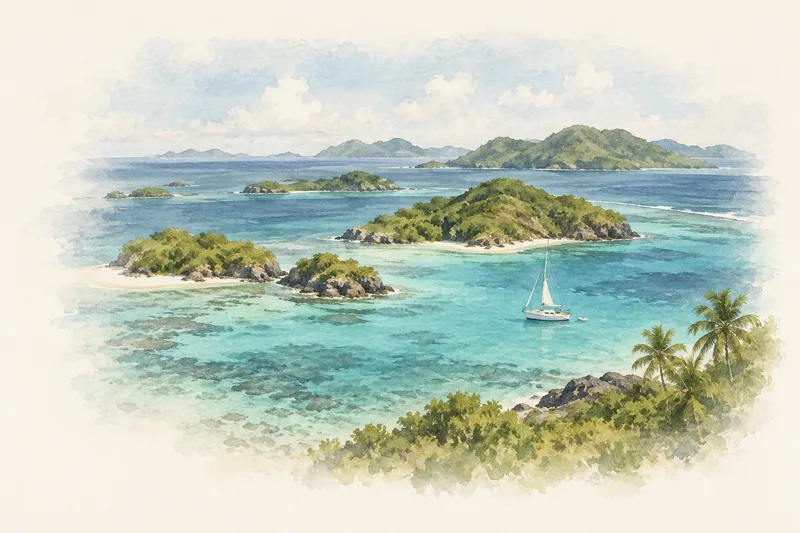
BEFORE YOUR FIRST MEAL
Navigating food allergies in Saint Vincent and the Grenadines
Food in Saint Vincent and the Grenadines may combine fish, fried doughs, root crops, coconut and richly bound bakes. You may encounter roasted breadfruit and fried jackfish, as well as roti, macaroni pie and callaloo soup. Recipes can vary, so ask about every component: batter, stock, sauce, filling, topping, cooking fat and utensils, rather than relying on a dish name.
What to know first
Fish may be central
Roasted breadfruit and fried jackfish, brown stew fish, saltfish buljol and saltfish with bakes all need a clear check of species, preparation and shared oil.
Bakes and batters vary
Banana fritters, accra, conch fritters, fried bake and johnny cake can involve wheat flour; some also use egg, so ask for the complete batter.
Explain the whole concern
Tell the cook or server which ingredient must be avoided and ask them to confirm the recipe, stock, sauce, toppings, oil, water and utensils separately.
Ask before preparation starts
For soup, roti, pies or fried food, check whether dumplings, wrappers, cheese, butter or garnish are added later, and whether the same pan or fryer is used.
Read complete ingredient lists
Read the complete ingredients and allergen information on the actual product. If you avoid a food that is not highlighted, ask the producer or food provider to check it specifically.
Understanding the food
Breadfruit, dasheen, cassava, sweet potato, arrowroot, plantain, coconut, jackfish, tuna, conch and lobster vary between agricultural Saint Vincent and the smaller Grenadine islands. Garifuna and Kalinago history, African enslavement, European colonisation and later migration all belong within the food story.
Mainland gardens and Grenadine fisheries create complementary food systems.
| Island or setting | Food landscape | Examples to understand |
|---|---|---|
| Kingstown & south Saint Vincent | Central market, dense settlements and island-wide produce trade | Roast breadfruit, fried jackfish, provisions, soup and juice |
| Windward & interior Saint Vincent | Volcanic farms, root crops, fruit, livestock and arrowroot | Dasheen, cassava, plantain, breadfruit, spices and stews |
| Leeward fishing towns | Caribbean coast, small farms and marine catch | Grilled fish, conch, provisions and seasonal fruit |
| Grenadine islands | Drier land, inter-island supply and reef or pelagic fishing | Tuna, lobster, conch, fish soup and imported staples |
Local supply can travel between islands. Government tourism material notes that produce may move from Saint Vincent farms to Grenadine restaurants while fish moves rapidly from local boats to kitchens. [7][10]
Breadfruit carries a violent introduction and a living reinvention. The Breadfruit Festival explicitly connects the crop’s arrival to feeding enslaved people, then shows Vincentian communities transforming more than twenty-five varieties into diverse contemporary foods. [8]
Breadfruit and jackfish make landscape visible on one plate.
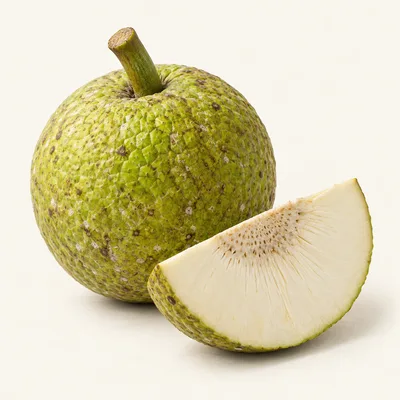 TREE STARCHBreadfruit
Fire-roasted, boiled, fried or turned into dough and sweets
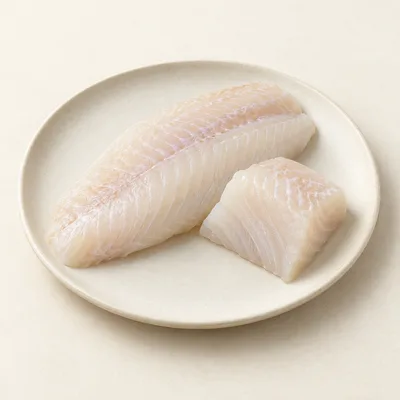 NATIONAL-DISH FISHJackfish
Fried beside roasted breadfruit and sauce
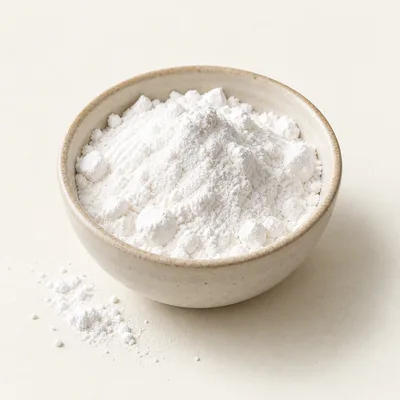 HISTORIC EXPORT CROPArrowroot
Starch for biscuits, porridge and delicate preparations
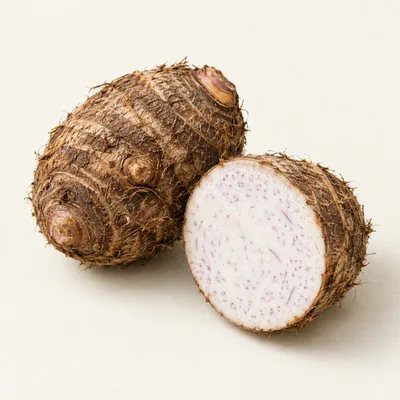 GROUND PROVISIONDasheen
Taro corm and leaves used in soups and sides
Roasting breadfruit is a distinct technique. Whole fruit is charred over fire until the interior steams and softens, then peeled and served with fish; oven-baked or fried forms produce a different dish. [9][8]
Arrowroot belongs to agricultural history. Once a major export, its fine starch remains a marker of Saint Vincent’s farming knowledge even as production and everyday use have declined. [10][7]
Fish availability changes island by island and day by day.
Ask about the catch rather than ordering by expectation. Jackfish, tuna, conch and lobster follow different grounds, seasons and conservation rules; the freshest lawful option may not match a printed menu. [7][10]
Festival innovation can hold history honestly. Breadfruit pizza, drinks and sweets are contemporary community uses, meaningful when the crop’s enslavement-era introduction and Vincentian cultivation remain part of the explanation. [8]
Food-culture sources checked .
Breadfruit, fish and saltfish plates
The recorded national-dish example pairs roasted breadfruit with fried jackfish, while other examples pair green fig with saltfish or serve saltfish with bakes. Ask whether the fish is fried in shared oil, whether flour coats it, and whether a sauce, seasoning or garnish is added after cooking. For saltfish, confirm the fish itself and every accompaniment rather than treating “saltfish” as a complete recipe.
Fried doughs and filled wrappers
Wheat flour is recorded in roti wrappers, fried bake, johnny cake, banana-fritter batter, accra and conch fritters. Ask whether egg is included in the batter, whether butter is used in the dough or on the cooking surface, and whether a beef or chicken roti has sauce or filling added separately. Confirm shared oil and utensils where more than one fried item is prepared.
Soups, dumplings and aromatics
Callaloo soup can have crab in some recorded variations; conch soup and corn soup may be served with wheat-flour dumplings. Fish broth uses fish as its base, with some versions adding flour dumplings and celery alongside onion and garlic. Ask whether dumplings are cooked directly in the broth, whether stock is premade, and which aromatics or seafood enter the pot.
Pies, puddings and sweet bakes
Breadfruit pie and corn pie may contain milk, cheese and egg, while macaroni pie combines dairy with wheat-based traditional macaroni and may use egg as a binder. Black cake uses butter, egg and wheat flour; cassava pone and sweet potato pudding vary too. Ask about the exact recipe, including condensed milk, dried or candied fruit, and any topping or glaze.
Ingredients worth recognising
Start with these ingredients, then follow their names and recorded food connections. Check the recipe and product actually used.
Wheat flour
Wheat flour is recorded in roti wrappers, fried bake, johnny cake, fritters, accra, dumplings and some puddings. Ask whether it appears in batter, filling, gravy or dumplings, and whether wheat-based items share oil, boards or utensils.
Butter
Butter may enrich arrowroot biscuits, black cake, breadfruit pie, cassava pone, coconut bake, johnny cake, macaroni pie and sweet potato pudding. Ask whether it is in the dough, batter, filling or cooking surface, and confirm the exact fat used.
Egg
Egg can bind or aerate black cake and macaroni pie, and may occur in arrowroot biscuits, fritters, pies, accra, johnny cake, cassava pone and sweet potato pudding. Ask about batter, brushing, filling and any egg wash separately.
Jackfish
Jackfish is the fish named in the roasted breadfruit and fried jackfish example. Ask whether it is the only fish used, whether another fish shares the fryer or pan, and whether flour, sauce or seasoning is added before serving.
Celery
Celery is a recognised seasoning variation in conch fritters and may be used with onion and garlic in fish broth. Ask whether it is fresh, dried or included in a stock, seasoning mix or sauce, including when the dish is described simply as seasoned.
Coconut
Coconut appears in the recorded coconut bake and coconut drops examples. Ask whether coconut is in the dough, filling, topping or cooking mixture, and whether a packaged coconut product has a separate ingredient list. Do not assume a legal or botanical allergen category from the name alone.
How food labelling works
A current, country-specific allergen-labelling summary for Saint Vincent and the Grenadines has not yet been verified for this guide. Do not transfer the list of regulated allergens or restaurant disclosure rules from your home country to this one.
Read the complete ingredients on the actual package and keep any local-language sticker with the original label. For imported products, compare the information on that pack rather than a photograph of the brand sold elsewhere. Ask the manufacturer or seller to clarify an unfamiliar term.
For loose food or meals prepared to order, ask who can check the recipe and the labels on bought-in ingredients. Explain every food you avoid, including ingredients outside familiar allergy groups; a short symbol chart may not cover your list.
Language and communication
English is the main language identified for Saint Vincent and the Grenadines, and British spellings are more common than American spellings. Prepare a written explanation in English that names the ingredient to avoid and asks for the complete recipe, including stock, sauces, toppings and cooking surfaces.
Use English first when discussing fish, flour, egg, dairy, crab, coconut or celery, and ask the person preparing the food to confirm the answer. Dish names such as “roti”, “callaloo soup” or “macaroni pie” are recognition aids only; they do not establish ingredients or suitability.
Eating in different settings
Fried-food counter or takeaway
For fried bake, banana fritters, accra, conch fritters or saltfish with bakes, ask what is in the batter and whether egg or wheat flour is used. Ask which oil and utensils cook the item, whether fish or conch shares the fryer, and whether sauce or ketchup is added.
Bakery or sweet stall
With arrowroot biscuits, black cake, coconut drops, cassava pone or sweet potato pudding, ask for the full recipe and the fat used. Check butter, milk, egg, wheat flour, dried or candied fruit, and any glaze or topping. For packaged items, read the complete ingredient list before buying.
Restaurant soup or plated meal
For callaloo soup, corn soup, conch soup or fish broth, ask whether the pot contains crab, fish, wheat-flour dumplings, celery, onion, garlic or premade stock. Confirm whether toppings are added at the pass and whether the same ladle or cooking water is used for another dish.
Shared meal or accommodation kitchen
For beef or chicken roti, macaroni pie, breadfruit pie or corn pie, ask the cook to list wrapper, filling, binder, cheese, milk, butter and sauce. Discuss separate preparation, boards, pans and serving utensils, and ask whether fried components were cooked in oil already used for another food.
Before you travel
Review your personal plan
Discuss your travel plans with your clinician and keep your prescribed medicines and emergency instructions accessible. Tell companions where these are and how to follow your plan.
Check your medicines before entering Saint Vincent and the Grenadines
The legal status and regulation of some medicines prescribed or bought in the UK can differ in Saint Vincent and the Grenadines. Read TravelHealthPro best practice when travelling with medicines, and before travelling, check the medicine and documentation requirements with the relevant authority.
Make the first meals easier to organise
Contact your accommodation and transport providers in advance. Save your written food list, menu questions and destination address offline. Check entry restrictions before packing backup food, and plan how you will check meals during arrival and onward journeys.
Plan access to medical help
The main government hospital can provide many types of treatment, while serious cases may require emergency evacuation, and FCDO has a list of medical providers. Check current provider access, eligibility, insurance arrangements and evacuation cover with the provider or insurer before travel.
Emergency resources
For a suspected severe allergic reaction, follow your prescribed emergency plan and seek urgent medical help. Give your exact location clearly.
Ambulance and urgent medical help
Call 911 and ask for an ambulance.
Explore next
Your allergy in Saint Vincent and the Grenadines
Choose a food concern for the country notes and questions relevant to it.
Dishes in Saint Vincent and the Grenadines
Follow the ingredients and cuisine connections in individual dish records.
Your own food list
Combine allergy groups and individual ingredients in one guide, with local names where recorded.
Allergy cards
Prepare the information you need to explain your food requirements.
FAQs, sources and review dates
Does “saltfish” identify one safe fish preparation?
No. Salted fish is the defining protein in these versions, with salted cod specified in one, but the name does not answer questions about batter, sauce, garnish or shared cooking. Ask which fish is used, how it was salted and whether other fish or flour enters the dish.
How should I check coconut when it is not a common allergy group for me?
Ask whether coconut is present as flesh, flakes, milk, cream or an ingredient in a bake or sweet. Request the complete recipe and packaged ingredient list. Do not assume coconut belongs to a particular legal or botanical allergen group, and do not infer suitability from “coconut” alone.
Could macaroni pie contain more than pasta and cheese?
Yes, the recorded example connects it with cheese, milk, butter and commonly egg, as well as traditional wheat-based macaroni. Ask about the pasta formulation, the binder, the dairy ingredients, seasoning and the baking dish. Also check whether the serving utensil has touched another pie or sauce.
Sources checked: . This researched draft is awaiting editorial review. Practical questions apply the sources below to local food settings; they do not confirm any individual meal's ingredients or preparation.
Sources & references (10)
- FCDO · Saint Vincent and the Grenadines health and medical assistance
Emergency contact details, local healthcare and medicine guidance. UK-specific eligibility does not apply to every visitor.
- Wikivoyage contributors · Saint Vincent and the Grenadines
Community-edited culinary context only; not an allergy or medical authority. Brief food-context adaptations, CC BY-SA 4.0: https://creativecommons.org/licenses/by-sa/4.0/. Recipe questions also use PlateSafe’s draft records.
- FARE · Dining out
General recipe and preparation questions, applied here to country-specific food examples.
- FARE · Travelling with food allergies
General preparation, written communication and access to prescribed medicines. Not country-specific import permission.
- PlateSafe · Saint Vincent and the Grenadines recorded food connections
Existing draft dish and ingredient records, used as examples to investigate. These are not independently verified recipes or suitability assessments.
- Unicode CLDR · Territory language data
Language suggestions. Regional language needs must be confirmed with the particular food provider.
- Government of Saint Vincent and the Grenadines — Culture and food
- Saint Vincent and the Grenadines Tourism Authority — Breadfruit Festival
- Ministry of Foreign Affairs — The national dish
- FAO — Saint Vincent and the Grenadines country profile