
BEFORE YOUR FIRST MEAL
Navigating food allergies in Samoa
Samoan food centres on ingredients such as breadfruit, taro, taro leaves, green bananas, fish and coconut. The umu cooks food over heated stones beneath banana leaves, while oka i'a combines raw fish with lemon juice, coconut cream, salt and onion. Recipes and available dishes vary, so identify every ingredient and ask how the complete dish was prepared before ordering.
What to know first
Umu cooking
Green bananas, breadfruit, taro, fish, palusami and pork may be cooked together in an umu. Ask whether your portion shared stones, leaves or serving utensils.
Sauces and fillings
Oka i'a uses fish, lemon juice, coconut cream, salt and onion; sapasui is associated with soy sauce. Check the complete marinade, sauce and filling rather than the dish name.
Explain your needs
Tell the cook or server exactly which ingredients must be avoided, then ask them to confirm the recipe, seasoning, toppings and preparation in Samoan or English.
Separate preparation
Ask whether the same knife, board, pan, oil, cooking water, umu stones, banana leaves or utensils were used for another food you need to avoid.
Read the full label
For packaged food, read the complete ingredient list every time. Do not rely on a product name, a dish name or a general dietary description.
Understanding the food
Talo, ulu, yam, banana, coconut, cocoa, fish, octopus, pork and chicken sit within fa’a Samoa: family, village, church, ceremony and hospitality. Imported rice, flour, tinned meat and Asian-Pacific dishes also belong to present life, but a staged fiafia buffet should not substitute for understanding who prepared and shared the food.
Village plantation and fishing access matter more than island stereotypes.
| Island or setting | Food landscape | Examples to understand |
|---|---|---|
| Apia & north Upolu | Markets, bakeries, restaurants and produce from across Samoa | Oka, sapasui, panikeke, barbecue and fresh fruit |
| Rural Upolu villages | Family plantations, reef fishing, church and Sunday umu | Talo, palusami, ulu, fish, pork and coconut dishes |
| Savai‘i | Larger village landscapes, cocoa, coconut, taro and coastal fishing | Koko Samoa, umu foods, seafood and plantation fruit |
| Seasonal marine harvests | Short-lived abundance governed by timing and local knowledge | Palolo, octopus, tuna, masimasi and reef fish |
Plantations can be household food systems. Samoa Tourism identifies coconut, banana, cocoa, taro, breadfruit, yam and cassava grown both commercially and beside villages for family use. [9][10]
Fishing remains part of daily and ceremonial supply. Fresh catch moves through family networks, Apia’s fish market and restaurants, while species and availability change with weather and season. [7][8]
Coconut cream and hot stones turn root and leaf into a feast.
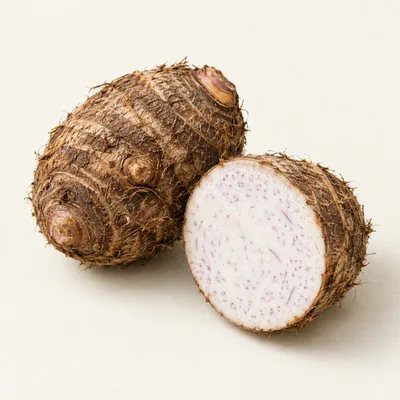 ROOT STAPLETalo
Boiled, roasted in the umu or served with coconut cream
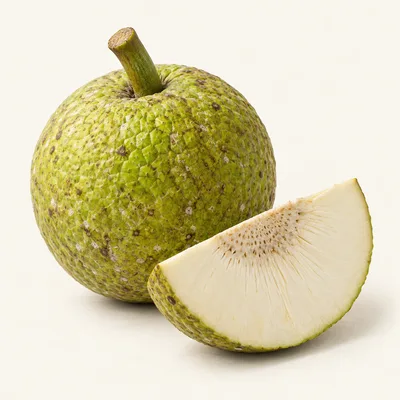 TREE STARCHUlu
Breadfruit roasted, boiled or enriched with coconut
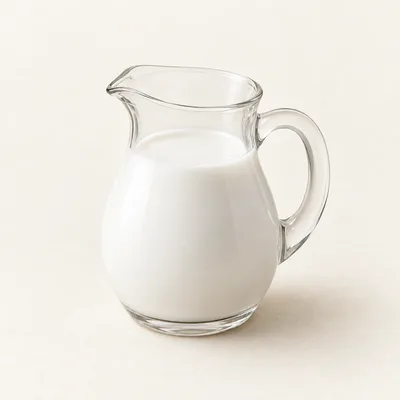 PACIFIC RICHNESSCoconut cream
Palusami, oka, fa’alifu and puddings
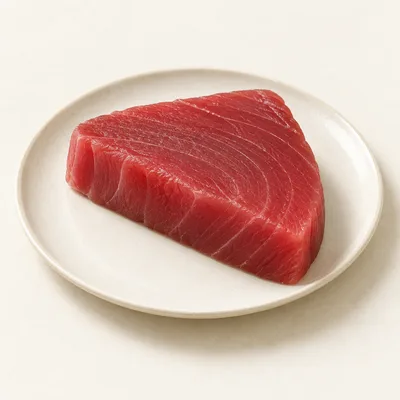 OCEAN PROTEINTuna
Fresh catch for oka, grilling and shared meals
The umu is collective preparation. Hot stones cook talo, ulu, fish, pork and leaf parcels under insulating leaves; building, tending and opening the oven organise labour as well as flavour. [7][8]
Palusami and oka use coconut differently. Palusami encloses coconut cream in young taro leaves for earth-oven cooking, while oka coats diced raw fish with coconut cream, citrus, onion and changing additions. [7]
Sunday umu and fiafia night are not the same kind of meal.
A staged feast can still be meaningful when context is clear. Hotels often combine dance and buffet for visitors, while village and church meals follow family obligations and serving roles that are not public entertainment. [8][7]
Buying local supports connected households. Plantation tours, produce markets and roadside stalls can return value to families growing taro, cocoa, coconut and fruit rather than relying entirely on imported resort supply. [9]
Food-culture sources checked .
Umu and covered cooking
An umu is described as a fire with stones heated until embers remain; ingredients such as green bananas, breadfruit, taro, fish, palusami and pork are placed on the stones and covered with banana leaves. Ask whether foods were cooked together, whether leaves were reused, and whether serving tools touched other dishes.
Oka i'a and raw fish
Oka i'a is made from small pieces of raw fish marinated with lemon juice, coconut cream, salt and finely chopped onions. Raw fish is its defining protein. Ask which fish was used, whether the marinade is complete, and whether extra sauce or toppings were added at serving.
Taro leaves, coconut and variation
Palusami is recorded as taro leaves with coconut cream, onions and some taro, wrapped in whole taro leaves and cooked in an umu; some versions include fish. Ask about the filling rather than assuming every palusami is identical, and check whether coconut cream, fish or another seasoning was included.
Breads, puddings and savoury dishes
Other possible foods include wheat-based fa'apapa, keke pua'a, masi popo, pani popo, panikeke and puligi. Keke pua'a and sapasui may contain soy sauce, while butter or egg may occur in some recipes. Ask for the actual flour, batter, filling and seasoning used that day.
Ingredients worth recognising
Start with these ingredients, then follow their names and recorded food connections. Check the recipe and product actually used.
Wheat flour
Wheat flour is recorded in fa'apapa, keke pua'a, masi popo, pani popo, panikeke and puligi. Ask whether wheat flour, wheat-based crumbs, pastry or a thickener is present, including in fillings and sauces.
Fish
Fish is central to oka i'a and may occur in some palusami versions; the umu source also names fish among foods cooked there. Ask which fish was used and whether stock, sauce or toppings contain fish.
Soy Sauce
Soy sauce is a defining seasoning in sapasui and a common seasoning for the pork filling in keke pua'a. Ask for the exact sauce, including whether it is a wheat-free version, and check marinades and dipping sauces.
Butter
Butter is recorded in masi popo and commonly used in puligi batter, and is derived from milk. Ask whether butter, another milk ingredient or a butter-based finish was used in the dough, batter or topping.
Egg
Egg is used in some panikeke batter variations and some puligi batter variations as a binder. Ask whether the particular batter contains egg, and whether the same whisk, pan or oil was used for other items.
Coconut
Coconut is named in Samoa’s culinary source and coconut cream is recorded in oka i'a and palusami. Ask whether coconut or coconut cream is present in the complete recipe, rather than inferring it from a dish name.
How food labelling works
A current, country-specific allergen-labelling summary for Samoa has not yet been verified for this guide. Do not transfer the list of regulated allergens or restaurant disclosure rules from your home country to this one.
Read the complete ingredients on the actual package and keep any local-language sticker with the original label. For imported products, compare the information on that pack rather than a photograph of the brand sold elsewhere. Ask the manufacturer or seller to clarify an unfamiliar term.
For loose food or meals prepared to order, ask who can check the recipe and the labels on bought-in ingredients. Explain every food you avoid, including ingredients outside familiar allergy groups; a short symbol chart may not cover your list.
Language and communication
Samoan is the native language of most people, and English is an official language. Prepare a written explanation in both languages, naming the ingredients and preparation concerns that matter to you. Use Samoan food names as recognition aids, not as a complete request.
English is described as widely understood and spoken in Apia and many tourist resorts, but less commonly understood in villages. Staff confirmation still matters wherever you eat; ask them to check with the cook and confirm the full recipe, sauces and shared preparation.
Eating in different settings
Apia market
If buying fruit or local ingredients at the market, ask how each item will be cut, wrapped and served. For prepared food, ask about fish, coconut cream, sauces, shared knives, boards and serving utensils before accepting it.
Umu meal
At an umu meal, ask which foods were placed together on the stones and whether banana leaves or utensils were shared. Confirm the ingredients in palusami, fish, pork, breadfruit, taro and green bananas separately.
Bakery or casual restaurant
For fa'apapa, pani popo, masi popo, panikeke or puligi, ask which flour, butter and egg ingredients were used. Also ask about shared trays, pans, oil, icing, fillings and any savoury or sweet topping.
Packaged-food shop or accommodation
When buying provisions, read the complete ingredient list and ask staff about unclear terms. In self-catering accommodation, keep your own preparation tools separate and ask whether shared oil, boards, pans or utensils were used.
Before you travel
Review your personal plan
Discuss your travel plans with your clinician and keep your prescribed medicines and emergency instructions accessible. Tell companions where these are and how to follow your plan.
Check your medicines before entering Samoa
The health source says that medicines prescribed or bought in the UK may have different legal status and regulation in other countries. Before travel, read best practice when travelling with medicines on TravelHealthPro.
Make the first meals easier to organise
Contact your accommodation and transport providers in advance. Save your written food list, menu questions and destination address offline. Check entry restrictions before packing backup food, and plan how you will check meals during arrival and onward journeys.
Plan access to medical help
The health source says emergency evacuation to Australia, New Zealand or Hawaii is likely to be the only treatment option for a medical emergency. Arrange adequate travel health insurance and accessible funds for treatment abroad and repatriation; ask your insurer whether your policy covers treatment, medical evacuation and repatriation.
Emergency resources
For a suspected severe allergic reaction, follow your prescribed emergency plan and seek urgent medical help. Give your exact location clearly.
Ambulance and urgent medical help
Call 911 and ask for an ambulance.
Explore next
Your allergy in Samoa
Choose a food concern for the country notes and questions relevant to it.
Dishes in Samoa
Follow the ingredients and cuisine connections in individual dish records.
Your own food list
Combine allergy groups and individual ingredients in one guide, with local names where recorded.
Allergy cards
Prepare the information you need to explain your food requirements.
FAQs, sources and review dates
Could palusami contain fish?
Yes, some palusami versions include fish, while others are described with taro leaves, coconut cream, onions and taro. Ask about the exact filling, stock, sauce and shared umu preparation rather than relying on the name.
What should I ask about sapasui?
Ask which soy sauce was used and whether it contains wheat, because standard soy sauce commonly contains wheat while wheat-free versions are also used. Check the noodles or other ingredients, marinade, garnish and serving utensils too.
Is coconut automatically present in every local dish?
No. Coconut is named in Samoan culinary descriptions, and coconut cream is used in oka i'a and palusami, but its presence in any particular meal still needs checking. Ask about coconut, coconut cream and any added sauce in the complete recipe.
Sources checked: . This researched draft is awaiting editorial review. Practical questions apply the sources below to local food settings; they do not confirm any individual meal's ingredients or preparation.
Sources & references (10)
- FCDO · Samoa health and medical assistance
Emergency contact details, local healthcare and medicine guidance. UK-specific eligibility does not apply to every visitor.
- Wikivoyage contributors · Samoa
Community-edited culinary context only; not an allergy or medical authority. Brief food-context adaptations, CC BY-SA 4.0: https://creativecommons.org/licenses/by-sa/4.0/. Recipe questions also use PlateSafe’s draft records.
- FARE · Dining out
General recipe and preparation questions, applied here to country-specific food examples.
- FARE · Travelling with food allergies
General preparation, written communication and access to prescribed medicines. Not country-specific import permission.
- PlateSafe · Samoa recorded food connections
Existing draft dish and ingredient records, used as examples to investigate. These are not independently verified recipes or suitability assessments.
- Unicode CLDR · Territory language data
Language suggestions. Regional language needs must be confirmed with the particular food provider.
- Samoa Tourism Authority — Samoan food
- Samoa Tourism Authority — Where to eat
- Samoa Tourism Authority — Plantation to plate
- FAO — Samoa country profile