
BEFORE YOUR FIRST MEAL
Navigating food allergies in San Marino
San Marino’s recorded food examples are closely connected with Italian-style pasta, baked dishes, soups, breads and desserts. Recipes can vary between fresh and dried pasta, fillings, sauces, frying oils and packaged ingredients. Ask for the complete recipe rather than relying on a dish name: check wheat, egg, milk, nuts, celery, wine ingredients and shared preparation equipment.
What to know first
Pasta may combine several concerns
Cappelletti in brodo, lasagne al forno and ricotta-and-spinach ravioli can involve wheat pasta, egg, milk-derived fillings or sauces. Ask about every component, not only the filling.
Breads and crumbs are recipe details
Piadina Sammarinese uses wheat flour, while passatelli uses wheat-based breadcrumbs. Ask whether crumbs, bread or coatings contain egg, milk, sesame or soy ingredients.
Explain the whole requirement in Italian
Give a written explanation in Italian describing the foods that must be avoided and ask staff to confirm the complete recipe, stock, sauce, toppings and preparation surfaces.
Check preparation, not just ingredients
Ask whether shared oil, boiling water, pans, boards, utensils or serving tools have been used for another food, and whether your portion can be prepared separately.
Read the complete ingredient list
Read the complete ingredients and allergen information on the actual product. If you avoid a food that is not highlighted, ask the producer or food provider to check it specifically.
Understanding the food
Fresh pasta, piadina, beans, chickpeas, pork, cheese, olive oil, wine and thrifty cakes place Sammarinese food within the wider Romagna and Montefeltro landscape while preserving a distinct republican identity. Its small territory does not mean a placeless cuisine: farms, village tables, feast days and protected local products give the country its own scale and memory.
A tiny republic still contains several ways of meeting its food.
| Place or setting | Food landscape | Examples to understand |
|---|---|---|
| City of San Marino & Mount Titano | Historic-centre restaurants, bakeries and visitor-facing dining | Fresh pasta, piadina, grilled meat, local wine and celebratory cakes |
| Borgo Maggiore | Market-town exchange below the mountain capital | Bread, cheese, cured meat, vegetables and everyday prepared foods |
| Rural castles & lower slopes | Cereal fields, olives, vines, livestock and household gardens | Pasta e ceci, pork, olive oil, wine, beans and field greens |
| Feasts & family tables | Calendar sweets and dishes tied to religious or seasonal occasions | Cappelletti in brodo, bustrengo, Easter bread and piada dei morti |
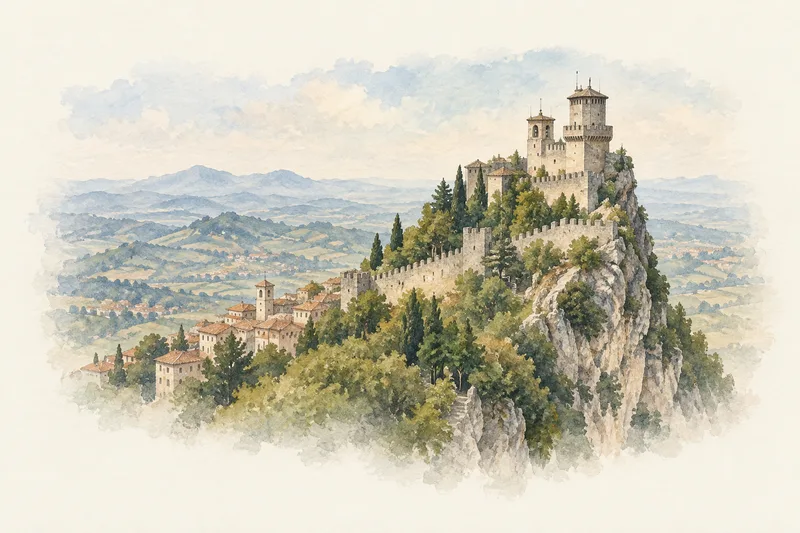
Mount Titano does not stand apart from its agricultural slopes. San Marino’s official gastronomy account links cereal fields, vineyards, olive groves and livestock to the food served in the republic’s towns and countryside. [7][10]
Neighbouring traditions overlap without erasing Sammarinese identity. Piadina, handmade pasta and pork preservation connect San Marino with Romagna and Montefeltro, while local product standards, feast-day uses and named wines locate them inside the republic. [7][8][9]
Flour, pork and dairy organise a practical inland pantry.
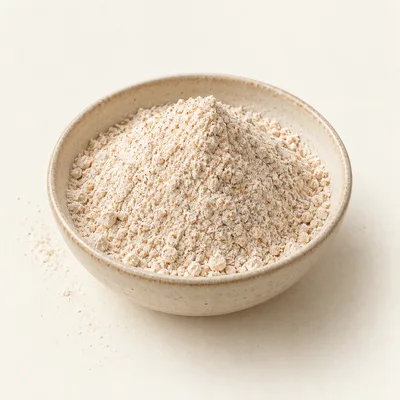 FIELD CROPWheat flour
Fresh pasta, bread, piadina and festival baking
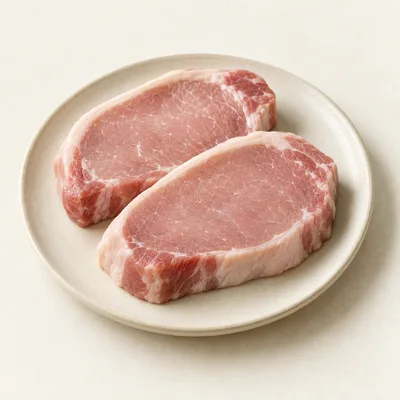 FARM ANIMALPork
Sausage, cured meats, lard and meat sauces
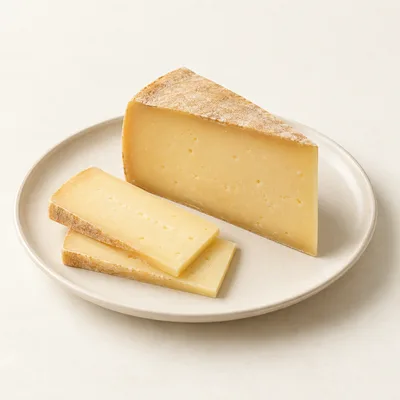 DAIRYCheese
Local milk traditions, fillings and table cheeses
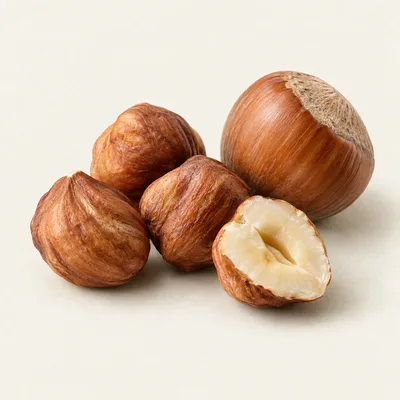 SWEET-MAKING NUTHazelnut
Wafer cakes, cocoa creams and festive confectionery
Fresh pasta changes with sauce and occasion. Tagliatelle, pappardelle, stringhetti and tagliolini may meet meat sauce, sausage, peas, beans, game or gathered greens; cappelletti in broth marks Christmas while pasta with chickpeas is associated with Christmas Eve. [7]
Thrift is visible in the sweet repertoire. Bustrengo historically made use of dry bread, dairy remnants and dried fruit, while Torta Tre Monti layers wafers with cocoa and hazelnut cream into a modern national emblem. [7][8]
Look beyond the souvenir cake to the rural meal beneath it.
Protected provenance can make a small territory legible. Terra di San Marino and the wine consortium identify producers and standards for oil, wine and other goods, helping distinguish local production from products merely sold inside the republic. [8][9][7]
A concise menu can still carry several histories. Piadina with cured meat, pasta and beans, grilled meat, local cheese and a calendar sweet represent different layers of household economy, livestock keeping and celebration rather than one uniform “medieval” cuisine. [7][10]
Food-culture sources checked .
Fresh pasta, filled pasta and dried pasta
Several pasta forms are possible. Cappelletti in brodo, nidi di rondine and ricotta-and-spinach ravioli are associated with egg pasta and wheat flour; strozzapreti may be egg-enriched in some versions. Dried wheat pasta is not universally egg-containing, while tagliatelle may be traditional fresh egg pasta or egg-free. Ask which pasta was used, whether it shares boiling water, and what is in the filling.
Baked pasta and creamy additions
Lasagne al forno is connected with egg pasta sheets, a ragù containing celery, and béchamel, butter and Parmesan. Nidi di rondine is associated with mozzarella, Parmesan, butter and milk-based béchamel. Ask whether the sauce, cheese, pasta sheets and any garnish are made on site, then check flour, milk and egg separately rather than treating ‘lasagne’ as a complete recipe.
Soups, stews and aromatic bases
Passatelli in brodo uses an egg-bound dough with grated cow-milk cheese and wheat breadcrumbs. Fagioli con le cotiche and zuppa di fagioli are associated with celery, while some bean-soup versions include wheat pasta. Coniglio in porchetta and pollo alla cacciatora may use white wine. Ask about stock, aromatic vegetables, wine and additions made during cooking.
Fried and sweet preparations
Castagnole is a fried dough associated with wheat flour, egg and commonly butter; peanut oil may be used in some preparations. Bustrengo may contain egg, milk, wheat bread crumbs and almonds or walnuts. Sammarinese ciambella is linked with egg, cow milk, butter and wheat flour, while Torta Titano and Torta Tre Monti are associated with hazelnut and wheat-based layers. Ask about fillings, fryer oil and decoration.
Ingredients worth recognising
Start with these ingredients, then follow their names and recorded food connections. Check the recipe and product actually used.
Wheat flour
Wheat flour is central to piadina, pasta sheets, tagliatelle, cakes and many doughs. Ask whether wheat flour is present in pasta, béchamel, crumbs or coatings, and remember that gluten and wheat are distinct questions. Source:
Egg
Egg is associated with fresh pasta, cappelletti, ravioli, passatelli, castagnole and cakes, but dried pasta is not universally egg-containing. Ask about dough, fillings, batters, brushing and shared utensils. Source:
Butter
Butter may appear in lasagne, nidi di rondine, castagnole, ciambella and Torta Titano. Ask whether butter is in the dough, béchamel, filling or finishing, and check packaged substitutes separately.
Celery
Celery is recorded in the aromatic bases for fagioli dishes, lasagne ragù, pollo alla cacciatora and tagliatelle al ragù. Ask whether it is in the stock, soffritto or sauce, including ingredients prepared in advance. Source:
Walnut
Walnuts may occur in regional bustrengo versions, alongside almonds, rather than being predictable from the name alone. Ask whether walnut is in the batter, crumb mixture, filling or topping, and whether the preparation shares equipment. Source:
White Wine
White wine may be used in coniglio in porchetta, pollo alla cacciatora and tagliatelle al ragù; it may contain sulfites. Ask whether wine is used in the braise or sauce and which product was added.
How food labelling works
A current, country-specific allergen-labelling summary for San Marino has not yet been verified for this guide. Do not transfer the list of regulated allergens or restaurant disclosure rules from your home country to this one.
Read the complete ingredients on the actual package and keep any local-language sticker with the original label. For imported products, compare the information on that pack rather than a photograph of the brand sold elsewhere. Ask the manufacturer or seller to clarify an unfamiliar term.
For loose food or meals prepared to order, ask who can check the recipe and the labels on bought-in ingredients. Explain every food you avoid, including ingredients outside familiar allergy groups; a short symbol chart may not cover your list.
Language and communication
Italian is San Marino’s official language. Prepare a written explanation in Italian naming the foods or ingredients that must be avoided, and ask for confirmation of the full recipe, stock, sauce, toppings and preparation method. Keep the wording specific to your needs rather than relying on a dish name.
English is learned at school, but do not rely on that as a substitute for a clear explanation. Show the written Italian note when ordering and ask staff to confirm details for that particular dish. Names such as pasta, piadina or torta help recognition only; they are not complete allergy requests.
Eating in different settings
Restaurant serving pasta
For tagliatelle al ragù, cappelletti or ravioli, ask which flour and pasta were used, whether egg is present, and what the sauce or filling contains. Check stock, Parmesan, béchamel, celery and shared boiling water or serving utensils before ordering.
Bakery or cake counter
For ciambella, bustrengo, Torta Titano or Torta Tre Monti, ask about wheat flour, egg, butter, milk, hazelnut, almond and walnut in the batter, layers and decoration. Ask whether slices are cut with a shared knife and whether the full packaged or bakery recipe can be checked.
Fried-food counter
When considering castagnole or another fried item, ask which oil is in the fryer and whether it is shared with other foods. Confirm wheat, egg and butter in the dough, then ask about coatings, fillings, utensils and the preparation surface.
Supermarket or packaged-food shop
San Marino has few supermarkets, so plan time to compare available products. Read the complete ingredient list for bread crumbs, dried wheat pasta, chocolate, cheese, wine or sauces. Ask staff to identify the exact product and packaging rather than relying on a front-of-pack claim.
Before you travel
Review your personal plan
Discuss your travel plans with your clinician and keep your prescribed medicines and emergency instructions accessible. Tell companions where these are and how to follow your plan.
Check your medicines before entering San Marino
The legal status and regulation of some medicines prescribed or bought in the UK may differ in San Marino. Before travelling, read TravelHealthPro guidance on travelling with medicines and ask the appropriate San Marino authority whether your medicine requires any import or documentation arrangements. Do not change prescribed medicines without professional advice.
Make the first meals easier to organise
Contact your accommodation and transport providers in advance. Save your written food list, menu questions and destination address offline. Check entry restrictions before packing backup food, and plan how you will check meals during arrival and onward journeys.
Plan access to medical help
San Marino’s state hospital is identified as a place to visit for urgent medical attention. EHIC and GHIC cards are not accepted there, so arrange comprehensive travel and medical insurance before travel. Ask the insurer what treatment your policy covers and what to do if you are referred to a medical facility.
Emergency resources
For a suspected severe allergic reaction, follow your prescribed emergency plan and seek urgent medical help. Give your exact location clearly.
Ambulance and urgent medical help
Call 118 and ask for an ambulance.
Explore next
Your allergy in San Marino
Choose a food concern for the country notes and questions relevant to it.
Dishes in San Marino
Follow the ingredients and cuisine connections in individual dish records.
Your own food list
Combine allergy groups and individual ingredients in one guide, with local names where recorded.
Allergy cards
Prepare the information you need to explain your food requirements.
FAQs, sources and review dates
Could passatelli be suitable if the soup itself seems plain?
Not necessarily. The recorded preparation connects passatelli with egg, grated cow-milk cheese and wheat-based breadcrumbs, while the surrounding brodo may have further ingredients. Ask about the dough, cheese, stock, garnishes and shared ladle or serving equipment as separate parts.
What should I ask about dark chocolate in a San Marino dessert?
Dark chocolate may include milk ingredients or milk-derived emulsifiers, and some formulations include tree nuts or soy lecithin. Ask for the exact chocolate product and full ingredient list, then check whether it is used in Torta Tre Monti, a filling, coating or decoration.
Is celery only a visible vegetable in these dishes?
No assumption is safe from appearance. Celery is recorded as part of aromatic bases for bean dishes, ragù and chicken preparations, so it may be cooked into stock or sauce. Ask specifically about the soffritto, stock and pre-prepared sauce, even when no celery is visible.
Sources checked: . This researched draft is awaiting editorial review. Practical questions apply the sources below to local food settings; they do not confirm any individual meal's ingredients or preparation.
Sources & references (10)
- FCDO · San Marino health and medical assistance
Emergency contact details, local healthcare and medicine guidance. UK-specific eligibility does not apply to every visitor.
- Wikivoyage contributors · San Marino
Community-edited culinary context only; not an allergy or medical authority. Brief food-context adaptations, CC BY-SA 4.0: https://creativecommons.org/licenses/by-sa/4.0/. Recipe questions also use PlateSafe’s draft records.
- FARE · Dining out
General recipe and preparation questions, applied here to country-specific food examples.
- FARE · Travelling with food allergies
General preparation, written communication and access to prescribed medicines. Not country-specific import permission.
- PlateSafe · San Marino recorded food connections
Existing draft dish and ingredient records, used as examples to investigate. These are not independently verified recipes or suitability assessments.
- Unicode CLDR · Territory language data
Language suggestions. Regional language needs must be confirmed with the particular food provider.
- Visit San Marino — Gastronomy of San Marino
- Terra di San Marino — Local products and producers
- Consorzio Vini Tipici di San Marino — Sammarinese wines
- FAO — San Marino country profile