
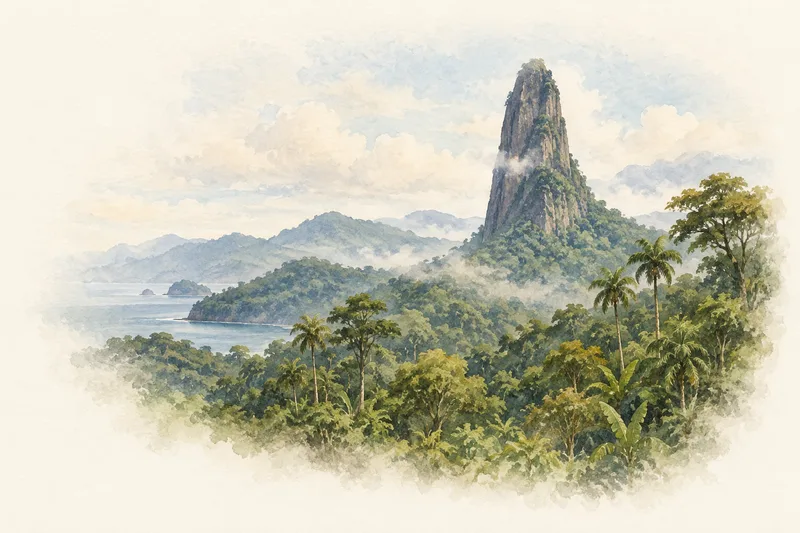
BEFORE YOUR FIRST MEAL
Navigating food allergies in Sao Tome and Principe
São Tomé and Príncipe’s food combines fish, breadfruit, cooked bananas, rice, tropical fruit and prominent hot spices. Fish appears in several named dishes, while inland and coastal food examples also include land or sea snails. Cakes, fried bananas, grills and European-style hotel meals can introduce different ingredients, so ask about the complete recipe and preparation rather than relying on a dish name.
What to know first
Fish dishes vary in their pairing
Calulu, fish rice, fish with banana, fish with breadfruit, izaquente and muzongué all identify fish as central, but ask what else is added.
Banana may mean different preparations
Banana cake can contain egg, wheat flour and butter; fried banana may be battered with egg, wheat flour or cow milk, so clarify the version.
Explain the whole risk in Portuguese
Prepare a written explanation in Portuguese, with Forro or French support where useful, covering ingredients, stock, sauces, toppings, shared oil, water and utensils.
Ask how food is prepared
At grills, restaurants, markets or accommodation kitchens, check whether the same oil, pan, board, fryer, water or serving utensil is used for other foods.
Read the complete ingredient list
Read the complete ingredients and allergen information on the actual product. If you avoid a food that is not highlighted, ask the producer or food provider to check it specifically.
Understanding the food
Fish, breadfruit, banana, cassava, matabala, palm oil, coconut, leafy herbs, cocoa and coffee reflect volcanic abundance alongside the violence and movement of the plantation era. São Tomé and Príncipe belong in the same country guide, but official food records distinguish their dish repertoires and warn against treating the smaller island as a miniature version of São Tomé.
Island, coast and former plantation shape what reaches the pot.
| Island or setting | Food landscape | Examples to understand |
|---|---|---|
| São Tomé city & north | Markets, dense urban demand and drier agricultural zones | Grilled fish, beans, banana, cassava, bread and street snacks |
| Central & eastern São Tomé | Former roças, humid forest crops and plantation settlements | Cocoa, coffee, matabala, fruit, calúlú and leafy stews |
| Southern São Tomé | Heavy rainfall, fishing villages and abundant tropical vegetation | Fish, octopus, breadfruit, banana, coconut and palm-rich dishes |
| Príncipe | Smaller-island fishing, forest agriculture and a distinct named repertoire | Molho no fogo, azagoa, ufundi maquita, fried yam and moqueca |
The two islands should be named separately. The national tourism authority publishes different lists for São Tomé and Príncipe and notes that calúlú, though widespread on São Tomé, is eaten less often on Príncipe. [7]
Plantation crops carry difficult history. Cocoa and coffee estates transformed land and labour under Portuguese colonial rule; present-day tastings and roça visits need to acknowledge that history as well as contemporary producers. [8][9][10]
Starchy fruit, roots and ocean catch support intensely green cooking.
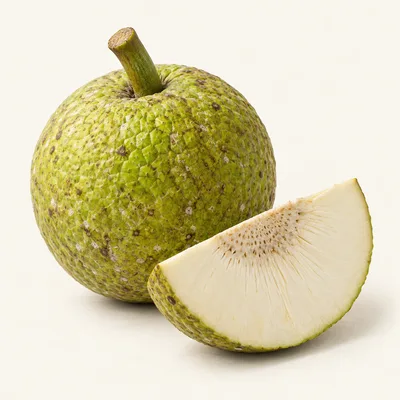 TREE STARCHBreadfruit
Boiled, fried, mashed or paired with salted fish
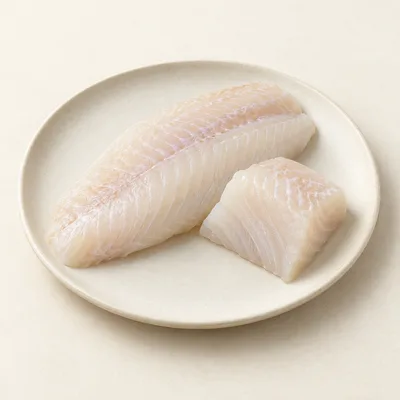 DAILY CATCHFish
Fresh, salted or smoked for grills, stews and calúlú
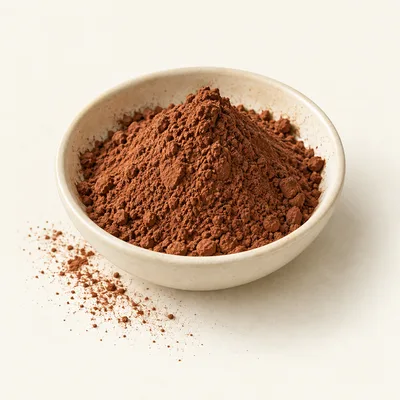 PLANTATION CROPCocoa
Fermented and dried for export, chocolate and island tastings
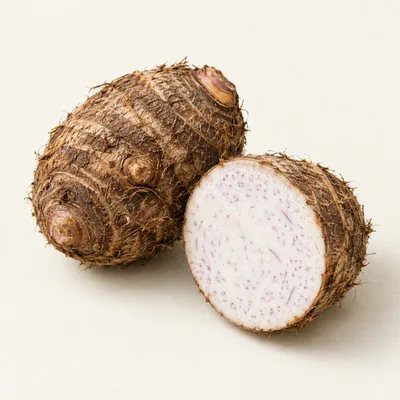 ROOT CROPMatabala
Porridge, fritters, soup and everyday starch
Calúlú is a family and ceremonial dish, not one fixed recipe. Official guidance describes a thick, leaf-rich preparation made with smoked fish or varied meats and sometimes river shrimp or sea snails, served at family meals, religious festivals, weddings and funerals. [7]
The starch beside a dish changes its form. Mashed banana or breadfruit, rice, maize meal and cassava flour may accompany calúlú, while breadfruit with salted fish and cassava-flour pirão stand as preparations in their own right. [7][10]
A roça restaurant, city grill and Príncipe guesthouse tell different food stories.
Ask which island a dish belongs to. Menus may gather foods from across the country for visitors, but identifying São Tomé or Príncipe origins preserves local names, ingredients and community knowledge. [7][9]
Freshness and availability govern the menu. Fish, octopus, fruit, leafy plants and roots follow catch, rainfall, transport and household supply; a short changing menu can reveal more about local food than a long static list. [7][10]
Food-culture sources checked .
Fish with staple pairings
You may encounter fish served with breadfruit and mashed or cooked bananas, while named dishes include fish rice, fish with banana, fish with breadfruit, izaquente and muzongué. Ask whether the fish is plain or cooked into a complete dish, and whether stock, spice paste, sauce or a finishing topping is added. Confirm the grain or starchy accompaniment separately, including how it is cooked and served.
Sauces, spices and complete recipes
Hot spices are prominent in São Toméan dishes, but a spice’s presence does not reveal the rest of a recipe. For calulu or muzongué, ask which ingredients go into the cooking liquid and whether fish, vegetables or other components are prepared together. Ask for the recipe’s oil, stock, sauce and garnish, and whether a serving spoon or pan has already touched another dish.
Banana, cake and batter questions
Banana cake is a recognisable example where egg, wheat flour and butter are commonly recorded recipe connections. Fried banana has more than one possible preparation: ask whether it is battered, and if so whether the batter contains egg, wheat flour or cow milk. Also ask whether the bananas share oil with battered foods, and whether a topping, syrup or sauce is added after frying.
Regional and dining variation
Fish availability and named preparations may vary between São Tomé and Príncipe, coastal and inland settings, and individual recipes; flying fish is recorded at certain times, while sea snails are associated with coastal examples and buzios with inland protein examples. Hotels in the capital may offer European-style meals. Treat these as prompts to ask about the actual recipe, not guarantees about location or season.
Ingredients worth recognising
Start with these ingredients, then follow their names and recorded food connections. Check the recipe and product actually used.
Fish
Fish is the defining or characteristic protein in calulu, fish rice, fish with banana, fish with breadfruit, izaquente and muzongué. Ask which fish is used, whether it is cooked in stock or sauce, and whether the same pan or utensil handles other fish or foods.
Whelk
Whelk is a mollusc and connects with the coastal sea-snail food context. If whelk or another sea snail is offered, ask for its exact identity, seasoning and cooking liquid, and whether it is prepared on the same surface or in the same pot as other seafood.
Egg
Egg is recorded as a possible binder in banana cake and in some battered fried-banana versions. Ask whether egg is present in the complete batter or cake, whether it is brushed or used as a topping, and whether the same whisk, tray or oil is shared.
Wheat flour
Wheat flour is a typical banana-cake base and may be used as a batter or coating for fried banana. Ask whether flour is present in the recipe, sauce or topping, and whether the preparation area, sieve, tray or frying oil is shared with other flour-coated foods.
Butter
Butter is a common dairy fat connection in banana cake. Ask whether the cake uses butter, another fat or a mixture, and whether butter is added to a glaze or served afterwards. Confirm the complete recipe rather than assuming a plain-looking cake has no added fat.
Coconut
Coconut is a recorded local ingredient connection, but its form is not specified here. Ask whether the food contains coconut flesh, milk, cream, flakes or oil, and whether it is added during cooking or as a topping. Check the complete recipe and packaged ingredients where relevant.
How food labelling works
A current, country-specific allergen-labelling summary for Sao Tome and Principe has not yet been verified for this guide. Do not transfer the list of regulated allergens or restaurant disclosure rules from your home country to this one.
Read the complete ingredients on the actual package and keep any local-language sticker with the original label. For imported products, compare the information on that pack rather than a photograph of the brand sold elsewhere. Ask the manufacturer or seller to clarify an unfamiliar term.
For loose food or meals prepared to order, ask who can check the recipe and the labels on bought-in ingredients. Explain every food you avoid, including ingredients outside familiar allergy groups; a short symbol chart may not cover your list.
Language and communication
Portuguese is the official language and the most useful first choice for a written food explanation across São Tomé and Príncipe. Use clear wording that lists the ingredient concerned and asks about complete recipes, stock, sauces, toppings, shared oil, water and utensils. São Toméan Portuguese may differ in pronunciation from European Portuguese, so request confirmation of the actual preparation.
Forro is especially relevant on São Tomé, with stronger use in the south, while Portuguese is the main language on Príncipe. Principense Creole has a smaller local presence, and French is taught and may assist communication. Adapt the written explanation to the island and region, then ask the person preparing the food to confirm each dish separately; names alone are not an allergy request.
Eating in different settings
Market or street food counter
For fried banana, ask whether it is battered with egg, wheat flour or cow milk, what oil is used, and whether the oil also cooks other battered foods. Ask whether toppings or sauces are added after frying, and request a clean utensil and separate serving container if that is possible.
Bakery or cake counter
For banana cake, ask for the complete recipe, specifically about egg, wheat flour and butter, plus any glaze, filling or topping. If it is packaged, read the entire ingredient list. Ask whether slices are cut and handled with the same knife, board or tongs as other cakes.
Fish restaurant or grill
When ordering calulu, fish rice, fish with banana, fish with breadfruit, izaquente or muzongué, ask whether fish is cooked in stock, sauce or spice paste and what accompanies it. At a grill, ask about marinades, basting, shared grates, pans, utensils and any finishing sauce.
Hotel or accommodation meal
For a capital hotel’s European-style meal or a self-arranged kitchen, provide the written explanation before ordering or cooking. Ask staff to confirm ingredients in the complete dish, including breadfruit, banana, rice, fruit, oil and seasoning, and check shared pans, boards, water, serving spoons and buffet utensils.
Before you travel
Review your personal plan
Discuss your travel plans with your clinician and keep your prescribed medicines and emergency instructions accessible. Tell companions where these are and how to follow your plan.
Check your medicines before entering Sao Tome and Principe
The legal status and regulation of some medicines prescribed or bought in the UK may differ in São Tomé and Príncipe. Before travelling, read the best-practice guidance on travelling with medicines from TravelHealthPro, and ask the relevant São Toméan authority or your insurer whether any documentation is needed for your medicine.
Make the first meals easier to organise
Contact your accommodation and transport providers in advance. Save your written food list, menu questions and destination address offline. Check entry restrictions before packing backup food, and plan how you will check meals during arrival and onward journeys.
Plan access to medical help
Medical facilities in São Tomé and Príncipe are limited, and some conditions may require evacuation to Europe, South Africa, Ghana or Gabon. Arrange adequate travel health insurance and accessible funds for treatment abroad and repatriation; confirm regional cover, eligibility and procedures with the insurer before departure.
Emergency resources
For a suspected severe allergic reaction, follow your prescribed emergency plan and seek urgent medical help. Give your exact location clearly.
Ambulance and urgent medical help
Call 222 22 22 and ask for an ambulance.
Explore next
Your allergy in Sao Tome and Principe
Choose a food concern for the country notes and questions relevant to it.
Dishes in Sao Tome and Principe
Follow the ingredients and cuisine connections in individual dish records.
Your own food list
Combine allergy groups and individual ingredients in one guide, with local names where recorded.
Allergy cards
Prepare the information you need to explain your food requirements.
FAQs, sources and review dates
Could fish rice or izaquente contain more than fish and its starch?
Yes. The recorded connection identifies fish as the defining or characteristic protein, but it does not establish a universal full recipe. Ask what stock, sauce, spice mixture, oil, vegetables or garnish is used, whether the rice or breadfruit is cooked separately, and whether utensils or pans are shared.
What should I ask about a plain-looking tropical fruit serving?
Ask whether it is simply whole or cut fruit, or whether it has been mixed with sauce, syrup, cream, seasoning or another topping. The food context names papaya, mangoes, pineapples, avocado and bananas, but a fruit’s appearance does not confirm how it was prepared or handled.
Is a buzio or sea snail the same as whelk?
The food context refers to buzios, large land snails, and sea snails, while the recorded ingredient is whelk, a mollusc. Do not treat those names as interchangeable. Ask the server to identify the exact ingredient, how it was cooked, and whether the dish shares a pot, oil or utensil with other seafood.
Sources checked: . This researched draft is awaiting editorial review. Practical questions apply the sources below to local food settings; they do not confirm any individual meal's ingredients or preparation.
Sources & references (10)
- FCDO · Sao Tome and Principe health and medical assistance
Emergency contact details, local healthcare and medicine guidance. UK-specific eligibility does not apply to every visitor.
- Wikivoyage contributors · Sao Tome and Principe
Community-edited culinary context only; not an allergy or medical authority. Brief food-context adaptations, CC BY-SA 4.0: https://creativecommons.org/licenses/by-sa/4.0/. Recipe questions also use PlateSafe’s draft records.
- FARE · Dining out
General recipe and preparation questions, applied here to country-specific food examples.
- FARE · Travelling with food allergies
General preparation, written communication and access to prescribed medicines. Not country-specific import permission.
- PlateSafe · Sao Tome and Principe recorded food connections
Existing draft dish and ingredient records, used as examples to investigate. These are not independently verified recipes or suitability assessments.
- Unicode CLDR · Territory language data
Language suggestions. Regional language needs must be confirmed with the particular food provider.
- São Tomé and Príncipe Tourism — Traditional dishes
- São Tomé and Príncipe Tourism — Cocoa and coffee
- Government of São Tomé and Príncipe — About the country
- FAO — São Tomé and Príncipe country profile