
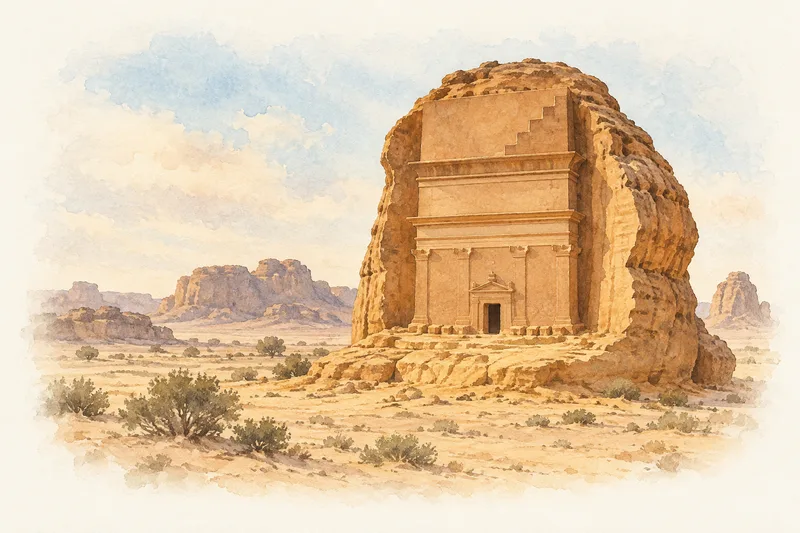
BEFORE YOUR FIRST MEAL
Navigating food allergies in Saudi Arabia
Saudi food ranges from hand-eaten breads, dips and shawarma to rice dishes such as mandi and kabsa, with regional examples including southern mandi and western Hijazi preparations. Wheat, dairy, sesame, egg, fish and stock can appear in different forms. Treat dish names as starting points only: check the complete recipe, cooking liquid, toppings and preparation surfaces each time.
What to know first
Bread and rice are different checks
Shawarma may be served as a sandwich, while mandi and kabsa centre on rice with meat, vegetables and spices. Ask separately about bread, marinades, stock and toppings.
Regional dishes change in detail
Mandi is associated with the south near the Yemeni border; Hijazi fattah, mutabbaq and western-style dishes may use wheat, tahini, yoghurt, egg or cheese.
Explain the whole recipe
Say what must be avoided and ask whether the dish, sauce, stock, garnish and cooking oil contain it, rather than relying on a dish name or a vegetarian description.
Ask about shared preparation
For fried or grilled food, check whether oil, water, pans, knives, boards and serving utensils are shared with breaded, dairy-filled or other foods you need to avoid.
Read the complete ingredient list
Read the complete ingredients and allergen information on the actual product. If you avoid a food that is not highlighted, ask the producer or food provider to check it specifically.
Understanding the food
Wheat, rice, dates, lamb, camel, chicken, dairy, coffee, fish and spice take different forms across Najd, Hijaz, the Eastern Province and the southwest. Jareesh has official national-dish status, but saleeg, marqooq, haneeth, Hasawi rice, kleija and coastal seafood show why a single “Saudi platter” cannot explain the kingdom.
Four broad regions reveal different grains, fats and cooking environments.
| Region | Food landscape | Examples to understand |
|---|---|---|
| Najd & Al Qassim | Central plateau, wheat traditions, dates and pastoral foodways | Jareesh, marqooq, qursan, matazeez and kleija |
| Hijaz & Red Sea cities | Pilgrimage routes, port exchange and cosmopolitan urban cooking | Saleeg, mutabbaq, seafood, rice dishes and ta’miya |
| Eastern Province & Al Ahsa | Oasis agriculture, Gulf fishing and long-distance trade | Hasawi rice, dates, prawns, fish and spiced rice |
| Aseer, Jazan & southwest | Highlands, terraces, Red Sea lowlands and distinct local grains | Haneeth, areekah, southern breads, honey and fish |
Regional names are more useful than a generic feast image. Visit Saudi connects marqooq with Riyadh, kleija with Al Qassim, saleeg with Makkah, Hasawi rice with the Eastern Province and haneeth with Aseer. [8][9]
Jareesh is national, but not exclusive. The official designation recognises cracked-wheat jareesh while maqshush represents a national dessert; neither removes the kingdom’s regional repertoires or contemporary immigrant food cultures. [10][8]
Grain, date and slow-cooked meat carry hospitality across very different landscapes.
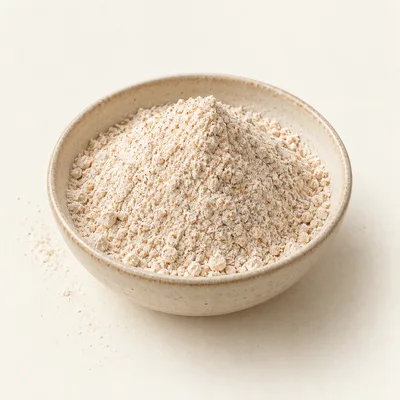 CRACKED GRAINWheat
Jareesh, breads, dumpling-like pieces and layered dishes
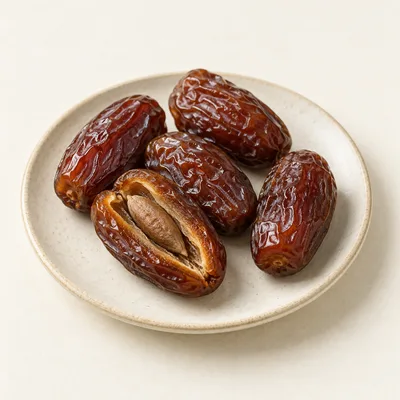 OASIS FRUITDates
Hospitality, sweets, fillings and everyday energy
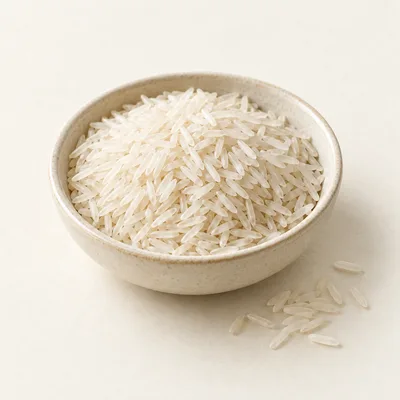 FEAST GRAINRice
Kabsa, mandi, saleeg and regional spiced dishes
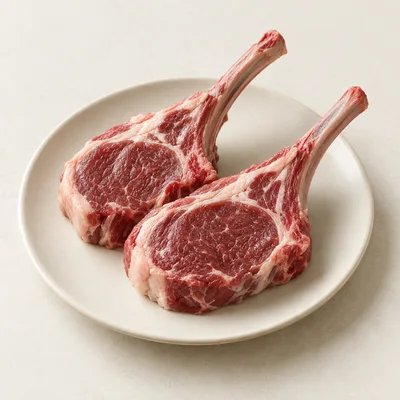 PASTORAL MEATLamb
Slow-cooked, roasted or served over grain for shared meals
Saudi coffee is a sequence of hospitality. Light-roasted coffee, often perfumed with cardamom and sometimes saffron or other aromatics, is poured in small servings and accompanied by dates; accepting and returning the cup carries social meaning. [8][9]
Rice does not arrive in one standard form. Creamy saleeg, spiced kabsa, pit-associated mandi and locally prized reddish Hasawi rice differ in grain, liquid, meat, spice and regional setting. [8][9][11]
Shared platters, family restaurants and global city dining coexist.
Hospitality can shape the order of eating. Coffee and dates may precede a meal, while rice and meat can arrive on a shared platter; observe the host and ask before assuming how an individual restaurant serves the dish. [8][9]
Urban Saudi food is also international. Jeddah, Riyadh, Dammam and pilgrimage cities contain Yemeni, Levantine, South Asian, Southeast Asian, African and global chain food shaped by migration, commerce and religious travel. [8][11]
Food-culture sources checked .
Breads, grains and softened dishes
Wheat appears in many recorded preparations: aseedah uses wheat flour; harees uses wheat berries; jareesh uses cracked wheat; and thareed uses regag flatbread. Gursan bil-lahm, qursan, marqooq and khubz al-tawa likewise involve wheat-based dough or bread. Ask whether the grain is wheat, whether bread is added after cooking, and whether a sauce or finishing fat is mixed through the serving.
Rice, meat and cooking liquids
Mandi is described as chicken or mutton cooked with rice in a pot suspended above a fire, while kabsa combines basmati rice, meat, vegetables and spices and is usually topped with meat. Ask which meat and stock were used, whether the rice shares a pot or serving spoon with other dishes, and whether spice mixtures, gravy or toppings are added separately.
Dips, fillings and fried foods
Shawarma is widely available as a sandwich, while foul is a mashed fava bean stew commonly accompanied by falafel, hummus and salads or dips. Balila may contain tahini, and samboosa may have cheese filling. Ask about the bread or wrapper, tahini, dairy, sauces and garnish; for fried items, check the oil and whether it is shared.
Regional and meal variation
Mandi is especially associated with the south near the Yemeni border, while Saudi restaurants can be difficult to identify and larger hotels may serve Arabic food. Hijazi mutabbaq uses a wheat wrapper with egg in the recorded example, and Hijazi fattah may include bread, tahini and yoghurt. Confirm the particular kitchen’s recipe rather than treating regional names as fixed.
Ingredients worth recognising
Start with these ingredients, then follow their names and recorded food connections. Check the recipe and product actually used.
Wheat flour
Wheat flour is the base of aseedah, tamees in foul tamees, and many breads, pastries and doughs. Ask whether it is in the main item, wrapper, thickener or garnish, and whether wheat bread is added at serving.
Tahini
Tahini is sesame-derived and appears in recorded preparations of balila and Hijazi fattah. Ask whether it is blended into the dish or served as a sauce, and whether the same spoon, bowl or drizzle is used for other orders.
Fish
Fish is the defining protein in samak mashwi and sayadiyah, but the preparation still needs checking. Ask which fish is used, whether fish broth or sauce is added, and whether the grill, pan, oil or utensils are shared.
Yogurt
Yoghurt is a customary topping in Hijazi fattah and a common creamy ingredient in jareesh and jareesh bil-lahm. Ask whether it is mixed through, added at the end, or replaced by another dairy ingredient such as cream.
Egg
Egg is characteristic of the recorded savoury filling in Hijazi mutabbaq and common in masabeeb batter. Ask whether it is in the wrapper, filling or batter, and whether the cooking surface or utensil is shared.
Vegetable Oil
Vegetable oil used for frying may be soybean oil, but its formulation may not be specified. Ask what oil is used for frying samboosa, falafel or other items, whether the oil is shared, and whether the kitchen can identify the product.
How food labelling works
SFDA’s current technical-regulations list includes SFDA.FD 2605:2024 for allergen declarations on menus of food establishments, with an effective date of 1 January 2025. Ask for the allergen information associated with the meal you plan to order.
A menu declaration is a starting point. Explain every food you avoid and ask about stock, sauces, spice mixtures, toppings and substitutions. The detailed category list and exemptions are outside this short summary; check the current SFDA requirements for those details.
For packaged food, read the full ingredients and allergen warnings on the actual product. Ask separately about shared handling in the restaurant, including buffet serving utensils and preparation equipment.
Language and communication
Prepare a written explanation in Arabic, Saudi Arabia’s official language, naming the ingredient or preparation that must be avoided and the need to check the complete recipe. Use clear Modern Standard Arabic for the core message, then ask the person taking the order to confirm each component.
Regional speech varies: Najdi Arabic is associated with central and northern areas, Hejazi Arabic with the west, and Gulf Arabic with the east. Keep the written explanation specific rather than relying on a dish name, and seek confirmation from the kitchen for local wording and recipe differences.
Eating in different settings
Shawarma or sandwich counter
Ask whether the shawarma meat is marinated with stock, yoghurt or another sauce, and whether the sandwich bread is wheat-based. Check salad, pickles, tahini and other sauces individually. Ask whether the knife, board, grill or serving tongs also handle bread or other fillings.
Mandi or kabsa restaurant
Ask which meat, rice, stock and spice mixture are used, and whether the rice is cooked in the same pot as anything you need to avoid. Confirm whether meat, fried onions, vegetables or sauces are placed on top after cooking and served with shared utensils.
Bakery or sweets counter
For date maamoul, kleija, luqaimat or baklava, ask about wheat or semolina, butter, sesame and any filling or garnish. Check whether the item is fried in shared oil and whether toppings are added after cooking. Do not infer ingredients from the sweet’s name alone.
Home, majlis or hotel meal
Before accepting a shared plate, explain the foods that must be avoided and ask for the complete recipe for dishes such as jareesh, fattah, harees or kabsa. Check bread, yoghurt, ghee, tahini, stock and serving utensils, and ask whether a separate serving spoon can be used.
Before you travel
Review your personal plan
Discuss your travel plans with your clinician and keep your prescribed medicines and emergency instructions accessible. Tell companions where these are and how to follow your plan.
Check your medicines before entering Saudi Arabia
Some medicines prescribed or bought in the UK are controlled differently in Saudi Arabia, and approval may be needed for some prescription drugs. Check the Saudi authorities’ current requirements before travel. Carry an official prescription or clinician’s letter stating amount, drug, dosage, signature and clinic or hospital stamp; UK prescriptions are not accepted.
Make the first meals easier to organise
Contact your accommodation and transport providers in advance. Save your written food list, menu questions and destination address offline. Check entry restrictions before packing backup food, and plan how you will check meals during arrival and onward journeys.
Plan access to medical help
Pharmacies are common, particularly in major cities, and hospitals have dispensing pharmacies. Facilities in major Saudi cities are described as high standard, while serious cases from smaller towns may be transferred to a major-city hospital. Check your insurer’s arrangements and the current medical-provider information before travelling, including regional access.
Emergency resources
For a suspected severe allergic reaction, follow your prescribed emergency plan and seek urgent medical help. Give your exact location clearly.
Ambulance and urgent medical help
Call 911 and ask for an ambulance.
Explore next
Your allergy in Saudi Arabia
Choose a food concern for the country notes and questions relevant to it.
Dishes in Saudi Arabia
Follow the ingredients and cuisine connections in individual dish records.
Your own food list
Combine allergy groups and individual ingredients in one guide, with local names where recorded.
Allergy cards
Prepare the information you need to explain your food requirements.
FAQs, sources and review dates
Could jareesh be suitable if it has no visible bread?
Not necessarily. The recorded jareesh examples use cracked wheat, and yoghurt may make the dish creamy; jareesh bil-lahm may also be enriched with yoghurt. Ask what grain was used, whether yoghurt or ghee was added, and whether bread or stock entered the pot.
What should I ask about dates or raisins?
Ask how the dates or raisins were prepared and whether anything was added during cooking, filling or serving. The recorded notes identify sulfites in some commercial raisin formulations, especially light-coloured varieties, so check the product’s complete ingredient list rather than judging by appearance.
Can a vegetarian order be treated as free from animal ingredients?
No. Vegetarian options may be available, but individual foods can still contain dairy, egg, tahini or stock. Ask whether meat was removed or replaced, what broth and cooking fat were used, and whether the same pan, oil and utensils handled meat.
Sources checked: . This researched draft is awaiting editorial review. Practical questions apply the sources below to local food settings; they do not confirm any individual meal's ingredients or preparation.
Sources & references (11)
- FCDO · Saudi Arabia health and medical assistance
Emergency contact details, local healthcare and medicine guidance. UK-specific eligibility does not apply to every visitor.
- Wikivoyage contributors · Saudi Arabia
Community-edited culinary context only; not an allergy or medical authority. Brief food-context adaptations, CC BY-SA 4.0: https://creativecommons.org/licenses/by-sa/4.0/. Recipe questions also use PlateSafe’s draft records.
- FARE · Dining out
General recipe and preparation questions, applied here to country-specific food examples.
- FARE · Travelling with food allergies
General preparation, written communication and access to prescribed medicines. Not country-specific import permission.
- PlateSafe · Saudi Arabia recorded food connections
Existing draft dish and ingredient records, used as examples to investigate. These are not independently verified recipes or suitability assessments.
- Unicode CLDR · Territory language data
Language suggestions. Regional language needs must be confirmed with the particular food provider.
- SFDA · Technical regulations for food establishments
Scoped allergen-labelling summary. Does not establish an individual meal’s ingredients or preparation.
- Visit Saudi — Saudi culture and customs
- Visit Saudi — Saudi food guide
- Saudi Press Agency — Jareesh and maqshush named national dishes
- FAO — Saudi Arabia country profile