
BEFORE YOUR FIRST MEAL
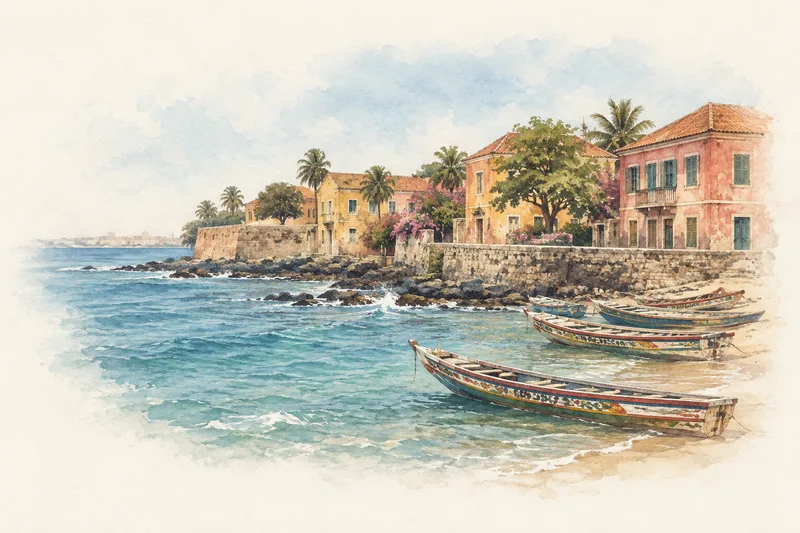
Navigating food allergies in Senegal
Across Senegal, meals may centre on rice, sauces, fish, meat, onions or peanut, while pastries and desserts introduce wheat and dairy. Ceebu jen, maafe, yassa, fataya, thiakry and other named dishes can vary by recipe. Treat each serving as a fresh conversation: confirm the complete dish, its sauce, fillings, cooking medium and any shared utensils before ordering.
What to know first
Rice dishes carry more than rice
Ceebu jen combines rice and fish with either a red or white sauce; ask about every sauce, garnish, fish ball and cooking liquid rather than ordering rice alone.
Peanut can define the sauce
Mafé, domoda, dakhine, ngalakh and related preparations may use peanut or peanut paste, so ask whether the named sauce is included.
Explain the request in writing
Prepare a clear written explanation in French or Wolof, naming the ingredient concerned and asking staff to confirm the whole recipe, stock, marinade, topping and cooking method.
Check pastry and shared equipment
Fataya, pastels and ndambe connect with wheat flour or wheat bread; ask about fillings, frying oil, preparation surfaces and whether utensils or oil are shared.
Read the complete ingredient list
Read the complete ingredients and allergen information on the actual product. If you avoid a food that is not highlighted, ask the producer or food provider to check it specifically.
Understanding the food
Ceebu jën, thiéré, yassa, mafé, soups, grilled fish and bean dishes connect Wolof, Serer, Pulaar, Jola, Mandinka, Lébou and other communities without reducing them to one repertoire. Atlantic fisheries, Sahelian grains, groundnut agriculture, Casamance rice and urban Dakar all shape what is cooked and how a shared bowl is approached.
Coast, river valley and southern rice country produce different everyday meals.
| Region or setting | Food landscape | Examples to understand |
|---|---|---|
| Dakar & Cap-Vert | Lébou fishing history, national migration and dense urban eating | Ceebu jën, grilled fish, sandwiches, rice plates and café food |
| Saint-Louis & Senegal River | Fishing communities, irrigated rice and Sahelian exchange | Ceebu jën origins, fish, rice, vegetables and river produce |
| Sine-Saloum & central groundnut basin | Millet, groundnuts, livestock and estuarine harvests | Thiéré, peanut sauces, shellfish, fish and fermented grains |
| Casamance & the south | Rice cultivation, palm landscapes, fruit and coastal waterways | Rice, fish, oysters, palm oil, lime-onion dishes and fruit |
Ceebu jën began in a particular place. UNESCO locates the dish among fishing communities on the island of Saint-Louis before it spread nationally, with regional versions retaining fish, broken rice, vegetables and preserved marine ingredients in changing proportions. [7]
Rice and millet tell different agricultural stories. Imported and locally grown rice now anchors many urban and coastal meals, while millet remains important in couscous, porridges and fermented preparations across drier farming and pastoral areas. [9][8]
Grain absorbs the flavour of fish, vegetables, onion and groundnut.
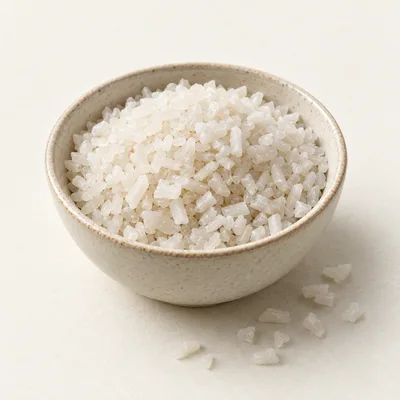 RICE-POT GRAINBroken rice
Steamed and seasoned for ceebu jën and everyday plates
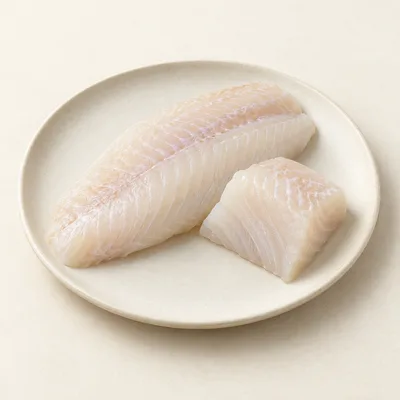 ATLANTIC & RIVER CATCHFish
Fresh, dried, smoked, fermented, grilled or cooked into rice
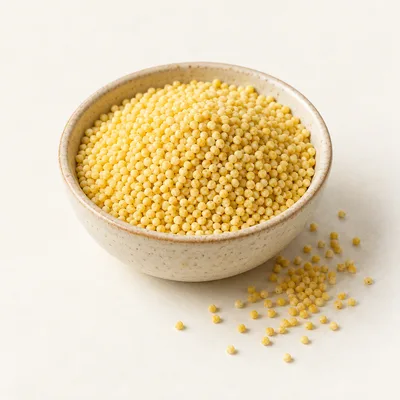 SAHELIAN GRAINMillet
Thiéré, porridge and fermented grain preparations
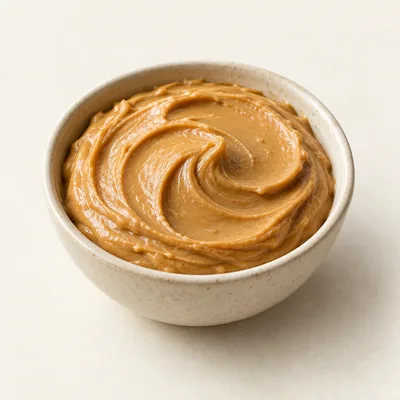 OILSEED & SAUCE BASEGroundnut
Paste, oil and thick sauces associated with mafé
Ceebu jën is built through sequence. Fish is prepared with herbs and aromatics, then cooked with vegetables and flavouring ingredients before the seasoned rice finishes in the broth; quality and abundance can communicate care for a guest. [7]
Groundnut agriculture has national and colonial dimensions. Peanuts provide paste and oil for home cooking, while the historic cash-crop economy reshaped land, labour and trade in central Senegal. [8][9]
The shared bowl has an etiquette of attention and generosity.
Eat from the space in front of you. UNESCO records rules around seating, portions and conduct at the communal bowl, including elders serving choice pieces and diners avoiding food outside their section. [7][10]
The person serving shapes the experience. Fish quality, vegetable variety and the distribution of valued pieces can express hospitality and affection, so Ceebu jën is as much a social practice as a recipe. [7]
Food-culture sources checked .
Rice, sauce and bowl meals
Ceebu jen, also called thieboudienne, may be prepared with rice and fish, with red and white sauce versions. Diagga is associated with extra sauce and fish balls. Ask whether the sauce, fish, stock, vegetables and toppings are cooked together, and whether a shared bowl changes the serving arrangement.
Peanut-based stews and accompaniments
Mafé, domoda and dakhine are recorded with peanut paste or a peanut-based sauce, while ngalakh and mbouraké also connect with peanut-derived ingredients. Ask whether the peanut is in the main sauce, a finishing spoonful or a binder, and whether the rice or other accompaniment is prepared separately.
Fish, dried fish and seafood variation
Fish is recorded in caldou, ceebu kandia, firire, mbakhal and thieboudienne; dried fish appears in ngourbane and thiéré mboum. Soupou kandia has fish variations and some seafood versions may use crustaceans. Ask which protein is used today and whether stock, garnish or sauce contains another fish or seafood.
Pastry, bread and dairy dishes
Fataya and pastels connect with wheat-flour pastry, while ndambe is traditionally served in wheat bread and may contain fish or dried fish. Fondé and lakh connect with fermented milk; sombi with cow milk; thiakry with yoghurt. Ask about the exact filling, dough, dairy component and preparation surface.
Ingredients worth recognising
Start with these ingredients, then follow their names and recorded food connections. Check the recipe and product actually used.
Peanut
Peanut appears as a defining or core element in maafé, domoda, dakhine, ngalakh and related preparations. Ask whether whole peanut, ground peanut or peanut paste is in the sauce, topping, dessert or binder, and whether it is added after cooking.
Wheat flour
Wheat flour is recorded for fataya and pastels, and wheat bread for ndambe. Ask whether the dough is made on a shared surface, what fills it, and whether the same oil or utensils are used for other pastries.
Fish
Fish is the defining or common protein in several rice, sauce and fried dishes, including ceebu jen, caldou, firire and yassa variations. Ask whether fish is also present in stock, sauce, fish balls, garnish or a mixed seafood preparation.
Shrimp
Shrimp is a crustacean ingredient, and some Soupou Kandia seafood versions may use crustaceans. Ask whether shrimp or dried shrimp is included in the soup, seasoning paste, stock or topping, rather than relying on the dish name alone.
Cow Milk
Cow milk is a core ingredient in the recorded sombi pudding, while fermented milk and yoghurt accompany or form part of other dishes. Ask whether milk is fresh, condensed, powdered or combined with another dairy ingredient in the complete recipe.
Dijon Mustard
Mustard is commonly included in the recorded yassa marinade, and Dijon mustard may have a formulation using wine or another sulfite-containing ingredient. Ask for the exact mustard product and whether it is in the marinade, sauce or dressing.
How food labelling works
A current, country-specific allergen-labelling summary for Senegal has not yet been verified for this guide. Do not transfer the list of regulated allergens or restaurant disclosure rules from your home country to this one.
Read the complete ingredients on the actual package and keep any local-language sticker with the original label. For imported products, compare the information on that pack rather than a photograph of the brand sold elsewhere. Ask the manufacturer or seller to clarify an unfamiliar term.
For loose food or meals prepared to order, ask who can check the recipe and the labels on bought-in ingredients. Explain every food you avoid, including ingredients outside familiar allergy groups; a short symbol chart may not cover your list.
Language and communication
Use French first for a written explanation where that is your practical shared language, and also prepare the same note in Wolof where appropriate. State the ingredient, the dishes to avoid or inspect, and the need to confirm the complete recipe, stock, sauce, toppings, oil and utensils. Keep dish names as recognition aids, not as a complete request.
Senegal also uses Sereer, Soninke, Pulaar, Jola and Mandinka, alongside Wolof and French. If your journey includes communities where one of these languages is used, arrange a reliable written explanation in the relevant language. Ask a local speaker to confirm regional wording and the full preparation, rather than assuming a name has one recipe.
Eating in different settings
Roadside food and market purchases
For a roadside serving or food bought from a market, ask which pot, sauce and oil were used, whether stock contains fish or shrimp, and whether the item was fried with other foods. For prepared food, confirm every filling and topping before accepting it.
Restaurant rice dishes
When ordering ceebu jen, thieboudienne, caldou or yassa, ask whether the fish, sauce, rice and vegetables share one pot, and whether fish balls, dried fish, mustard or peanut is included. Ask for the complete recipe of today’s preparation, not only the menu name.
Bakery, pastry counter or sandwich stall
For fataya, pastels and ndambe, ask what flour is used, whether the filling is fish or another ingredient, and whether the pastry or bread shares oil, boards or utensils with other products. Confirm sauces and spreads served inside or alongside.
Accommodation or self-catering kitchen
If buying ingredients for cooking, read each complete packaged ingredient list and ask what an unfamiliar oil, stock, paste or seasoning contains. Keep peanut, wheat, fish, shrimp and dairy ingredients identifiable, and ask how shared pans, knives and serving spoons are handled.
Before you travel
Review your personal plan
Discuss your travel plans with your clinician and keep your prescribed medicines and emergency instructions accessible. Tell companions where these are and how to follow your plan.
Check your medicines before entering Senegal
The legal status of medicines prescribed or bought in the UK may differ in Senegal. Before travel, check TravelHealthPro guidance and NHS information on taking your medicine abroad. Ask the relevant Senegalese authority about import or documentation requirements for your specific medicine.
Make the first meals easier to organise
Contact your accommodation and transport providers in advance. Save your written food list, menu questions and destination address offline. Check entry restrictions before packing backup food, and plan how you will check meals during arrival and onward journeys.
Plan access to medical help
Medical facilities in Dakar are described as reasonable but more limited elsewhere. Check that travel health insurance includes treatment abroad and repatriation, with accessible funds for care. For a suitable provider, consult the FCDO list of medical providers in Senegal and confirm regional access before travelling.
Emergency resources
For a suspected severe allergic reaction, follow your prescribed emergency plan and seek urgent medical help. Give your exact location clearly.
Ambulance and urgent medical help
Call 15 and ask for an ambulance.
Explore next
Your allergy in Senegal
Choose a food concern for the country notes and questions relevant to it.
Dishes in Senegal
Follow the ingredients and cuisine connections in individual dish records.
Your own food list
Combine allergy groups and individual ingredients in one guide, with local names where recorded.
Allergy cards
Prepare the information you need to explain your food requirements.
FAQs, sources and review dates
Is yassa always chicken, and is it automatically free from fish?
No dish name should be treated as a guarantee. Yassa may be prepared with fish, and the marinade may contain mustard. Ask whether today’s yassa uses chicken or fish, whether the marinade contains mustard, and whether stock, sauce or shared cooking oil has another ingredient.
What should I ask about a bowl of thiéré?
Thiéré is associated with a fish accompaniment in one recorded example, while thiéré mboum connects with peanut paste and dried fish. Ask which version is being served, whether the sauce contains peanut, and whether dried fish or another protein is mixed through the grain.
Could a plain-looking dish contain vegetable oil?
It could, and the recorded vegetable-oil entry is not specific about its source; it may be soybean oil, but that is not established for every product. Ask for the exact oil used in frying, dressing or cooking, and inspect the product label where available.
Sources checked: . This researched draft is awaiting editorial review. Practical questions apply the sources below to local food settings; they do not confirm any individual meal's ingredients or preparation.
Sources & references (10)
- FCDO · Senegal health and medical assistance
Emergency contact details, local healthcare and medicine guidance. UK-specific eligibility does not apply to every visitor.
- Wikivoyage contributors · Senegal
Community-edited culinary context only; not an allergy or medical authority. Brief food-context adaptations, CC BY-SA 4.0: https://creativecommons.org/licenses/by-sa/4.0/. Recipe questions also use PlateSafe’s draft records.
- FARE · Dining out
General recipe and preparation questions, applied here to country-specific food examples.
- FARE · Travelling with food allergies
General preparation, written communication and access to prescribed medicines. Not country-specific import permission.
- PlateSafe · Senegal recorded food connections
Existing draft dish and ingredient records, used as examples to investigate. These are not independently verified recipes or suitability assessments.
- Unicode CLDR · Territory language data
Language suggestions. Regional language needs must be confirmed with the particular food provider.
- UNESCO — Ceebu jën, a culinary art of Senegal
- FAO — Senegal country profile
- FAO — Senegal food staples and consumption patterns
- UNESCO Intangible Cultural Heritage — Senegal