

BEFORE YOUR FIRST MEAL
Navigating food allergies in Serbia
Serbian food ranges from grilled meat plates and stuffed breads to soups, pastries, spreads and market produce. A dish name may cover different fillings or regional recipes: burek can be made with meat, cheese, spinach, apple or cherry, while gibanica and proja commonly combine grain, egg and dairy ingredients. Ask what is in the complete recipe, including coatings, sauces, toppings and cooking surfaces.
What to know first
Grilled food
Ćevapčići and roštilj may be served with somun, onion, ajvar or kajmak. Ask separately about the meat mixture, bread, accompaniments and the grill surface.
Pastry and bread
Burek, gibanica, lepinja and bakery pastries can contain wheat, egg or dairy, but recipes vary. Check the dough, filling, glaze and any topping rather than the name.
Explain the request
In Serbian, give a written explanation of the ingredient to avoid and ask staff to confirm the whole recipe, stock, sauce, garnish, shared oil, water and utensils.
Preparation matters
Ask whether breaded meat, fried peppers, pastries or chips share oil, and whether soup or stew uses stock, flour, dairy or a previously used utensil.
Labels
Read the complete ingredients and allergen information on the actual product. If you avoid a food that is not highlighted, ask the producer or food provider to check it specifically.
Understanding the food
Bread, filo pastry, maize, beans, peppers, cabbage, pork, lamb, dairy and orchard fruit carry Ottoman, Austro-Hungarian, Balkan and local rural histories in different proportions. Vojvodina’s doughs and paprika, western smokehouses, central roasts and southern grills belong to connected but distinct food landscapes.
Northern plain and southern mountain produce recognisably different tables.
| Region | Food landscape | Examples to understand |
|---|---|---|
| Vojvodina & the north | Danube-Pannonian grain, livestock and Central European influence | Noodles, bread, goulash, paprika, strudel and river fish |
| Šumadija & central Serbia | Orchards, mixed farming, monasteries and roast-meat traditions | Filo pies, roast pork, beans, kajmak and plum preserves |
| Western mountains | Pastoral dairy, smokehouses and lamb country | Pršuta, lamb, cheese, buckwheat and komplet lepinja |
| South & southeast | Pepper growing, grilling and Ottoman-Balkan exchange | Leskovac grill, ajvar, baked beans, burek and lamb |
Official tourism guidance names regional preferences plainly. It associates northern Serbia with doughs, central Serbia with pies and pork, the west with cured meat and lamb, the east with pastoral dishes, and the south with roast meat and vegetables. [7][8]
Markets make seasonality visible. Green markets gather peppers, cabbage, tomatoes, mushrooms, cheese, cured foods and orchard fruit from surrounding farms, with late-summer preserving shaping what appears through winter. [9][10]
Pepper, maize, dairy and plum connect field to pantry.
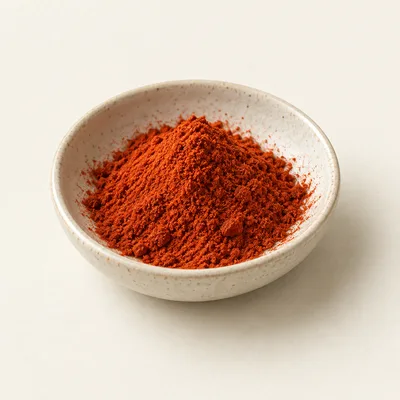 PRESERVING VEGETABLEPepper
Fresh, roasted, stuffed, dried or reduced into ajvar
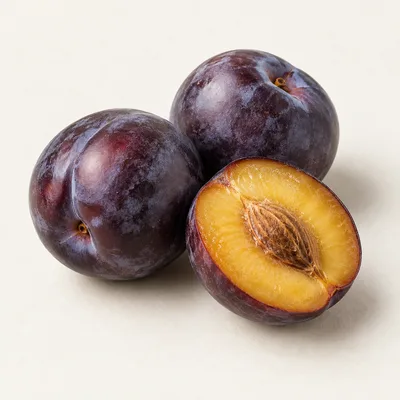 ORCHARD FRUITPlum
Jam, cakes, sauces, dried fruit and rakija
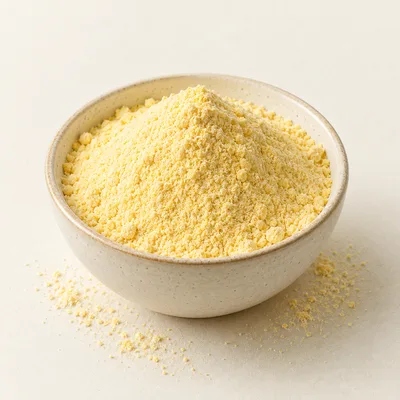 FIELD GRAINMaize
Proja, kačamak and rustic breads
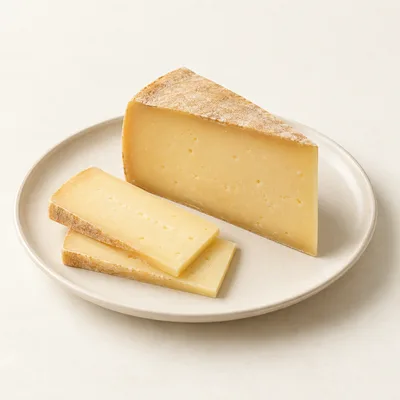 PASTORAL DAIRYCheese
Fresh white cheeses, aged varieties and pie fillings
Ajvar belongs to the preserving season. Roasted red peppers are peeled, drained and slowly cooked, sometimes with aubergine; household texture, heat and naming vary, so it is better understood as a family of preserves than one universal formula. [8][9]
Dairy changes with altitude and maker. Kajmak, fresh white cheese and aged mountain cheeses differ in milk, maturation and locality, then appear beside bread, grilled meat, pies or breakfast dishes. [7][8]
Kafana, bakery, grill and household feast each frame food differently.
The kafana is a social institution as well as a restaurant. Long meals, shared plates, music and conversation may matter as much as a fixed course order, while bakeries and grill counters serve a faster everyday repertoire. [7][8]
“Homemade” should invite a more precise question. Ask which village, producer or family supplied the cheese, cured meat, preserve or rakija; market networks and regional methods carry more meaning than the adjective alone. [9][10]
Food-culture sources checked .
Grills, bread and toppings
Roštilj is described as a plate of grilled meats, while ćevapčići are minced pork and beef shaped into small sausages. Ask whether the order includes somun, onion, ajvar or kajmak, and whether meat, bread or vegetables share a grill. Pljeskavica is another minced-meat option; its recipe and accompaniments still need confirmation.
Pies, pastries and bakery food
Pekara shops offer breads, savoury and sweet pastries, sandwiches and pizza. Burek may have meat, cheese, spinach, apple or cherry filling; gibanica may contain spinach and cheese or cheese alone. Ask about wheat pastry, egg, milk, cheese, fillings, glaze and display contact, especially when selecting a slice.
Soups, stews and vegetables
Possible dishes include freshwater-fish soup, veal soup, paprikaš, gulaš, sarma, stuffed peppers, pasulj and prebranac. Ask what stock, thickener, meat, paprika, onion or seasoning is used, and whether a supposedly vegetable dish is cooked with meat or served with shared ladles. Ajvar is a roasted red-pepper spread; confirm additions and contact from serving utensils.
Regional and recipe variation
Cicvara, kačamak, proja and other grain-based dishes can be enriched with kajmak, butter, cheese or yoghurt; versions may differ by cook. Serbian food also includes Turkish-style sweets such as baklava and tulumba. Ask about the exact flour or grain, dairy, egg, nuts, syrup, chocolate and preparation surface rather than inferring from a traditional name.
Ingredients worth recognising
Start with these ingredients, then follow their names and recorded food connections. Check the recipe and product actually used.
Bread
Bread may be wheat-based, while some formulations use rye; enriched or topped versions may include egg, milk, sesame or soy. Ask which loaf or roll is used, whether it is made on shared equipment, and whether the sandwich filling or spread changes the recipe.
Wheat flour
Wheat flour may appear in burek, gibanica, breading, cakes and thickened soups. Ask whether it is in the dough, filling, coating or stock, and distinguish wheat from gluten questions when explaining the concern. Check dusting flour and shared preparation surfaces too.
Egg
Egg is recorded in gibanica, breaded Karađorđeva šnicla, komplet lepinja, cakes and some proja or pastry recipes. Ask whether it is in the dough, filling, glaze, topping or binding mixture, and whether a substitute is actually used rather than assumed.
Freshwater fish
Freshwater fish defines fish paprikas and riblja čorba, but the species is not specified. Ask which fish is used, whether the broth contains other fish or stock, and whether the soup, pan or serving utensil is shared with other seafood or sauces.
Kajmak
Kajmak is a milk-based clotted or fermented dairy product and may fill or accompany ćevapčići, cicvara, kačamak, Karađorđeva šnicla and komplet lepinja. Ask whether it is inside the dish, added on top or served separately, and whether another dairy ingredient is also present.
Walnut
Walnuts are principal ingredients in Reform torta and Vasa torta, while other cakes may use different recipes. Ask whether walnut is in the sponge, filling or decoration, whether other nuts are present, and whether slices are cut or displayed with shared utensils.
How food labelling works
A current, country-specific allergen-labelling summary for Serbia has not yet been verified for this guide. Do not transfer the list of regulated allergens or restaurant disclosure rules from your home country to this one.
Read the complete ingredients on the actual package and keep any local-language sticker with the original label. For imported products, compare the information on that pack rather than a photograph of the brand sold elsewhere. Ask the manufacturer or seller to clarify an unfamiliar term.
For loose food or meals prepared to order, ask who can check the recipe and the labels on bought-in ingredients. Explain every food you avoid, including ingredients outside familiar allergy groups; a short symbol chart may not cover your list.
Language and communication
Serbian is the national language and is written in both Cyrillic and Latin scripts; recognise both when reading menus, labels and signs. Prepare a written explanation naming the ingredient to avoid, then ask for confirmation of the full recipe. A dish name alone is not an allergy request.
In Vojvodina, Hungarian is used alongside Serbian in some towns near the Hungarian border; Slovak and Romanian are also used by smaller communities. For regional travel, prepare the same explanation in Serbian first and ask a member of staff to confirm ingredients, preparation and cross-contact details.
Eating in different settings
Pekara or bakery counter
For burek, gibanica, proja, kiflice or a filled pastry, ask which flour, egg, milk, cheese, filling and glaze were used. Ask whether the item was baked beside other pastries, cut with a shared knife or handled with shared tongs.
Grill or fast-food stand
When ordering ćevapčići or pljeskavica, ask about the minced-meat mixture and whether the bun, onion, ajvar or kajmak is included. Confirm whether bread, bacon, vegetables and meat touch the same grill or utensils, and whether frying oil is shared.
Restaurant or shared meal
For paprikaš, gulaš, sarma, pasulj, prebranac or soup, ask for every stock, thickener, seasoning and finishing ingredient. Clarify whether the pot, ladle or serving spoon has been used for another dish, and whether a meat-free recipe remains separate during cooking.
Market or packaged-food shop
At a pijaca, ask the seller what is in prepared ajvar, preserves, cheese or pastries and how they were handled. For packaged bread, chocolate or fruit preserve, read the complete ingredient list and ask about the particular product rather than assuming a familiar formulation.
Before you travel
Review your personal plan
Discuss your travel plans with your clinician and keep your prescribed medicines and emergency instructions accessible. Tell companions where these are and how to follow your plan.
Check your medicines before entering Serbia
Medicine rules can differ between Serbia and the UK. Before travel, check TravelHealthPro’s best-practice guidance for carrying medicines and confirm the legal status of any prescribed or purchased medicine with the relevant authority. Keep any required documents with the medicine and do not change prescribed treatment without clinical advice.
Make the first meals easier to organise
Contact your accommodation and transport providers in advance. Save your written food list, menu questions and destination address offline. Check entry restrictions before packing backup food, and plan how you will check meals during arrival and onward journeys.
Plan access to medical help
For travellers eligible under the UK–Serbia reciprocal agreement, FCDO says free emergency treatment requires specified proof, including a British passport, accommodation or police-registration evidence and a certificate of entitlement. Non-emergency or uncovered care may require cash; check current eligibility, facilities and insurance before travel.
Emergency resources
For a suspected severe allergic reaction, follow your prescribed emergency plan and seek urgent medical help. Give your exact location clearly.
Ambulance and urgent medical help
Dial 194 and ask for an ambulance.
Explore next
Your allergy in Serbia
Choose a food concern for the country notes and questions relevant to it.
Dishes in Serbia
Follow the ingredients and cuisine connections in individual dish records.
Your own food list
Combine allergy groups and individual ingredients in one guide, with local names where recorded.
Allergy cards
Prepare the information you need to explain your food requirements.
FAQs, sources and review dates
Could ajvar be suitable because it is made from peppers?
Not necessarily. The recorded description identifies roasted red peppers, but a serving may have other ingredients or contact from preparation. Ask for the complete ajvar recipe, including oil, seasonings and additions, and ask whether the spoon or container is shared with other spreads.
Is proja always just corn bread?
Do not infer ingredients from the name alone. One Serbian version uses cornmeal with white cheese, while other versions commonly include wheat flour, egg, yoghurt or cheese. Ask which grain is used and whether dairy or egg is included in that particular batch.
What should I ask about a dessert with walnuts?
For Reform torta or Vasa torta, ask whether walnuts are in the cake layers and filling, whether other nuts or chocolate ingredients are present, and whether utensils or display surfaces are shared. Confirm the complete recipe rather than treating a decorative topping as the only concern.
Sources checked: . This researched draft is awaiting editorial review. Practical questions apply the sources below to local food settings; they do not confirm any individual meal's ingredients or preparation.
Sources & references (10)
- FCDO · Serbia health and medical assistance
Emergency contact details, local healthcare and medicine guidance. UK-specific eligibility does not apply to every visitor.
- Wikivoyage contributors · Serbia
Community-edited culinary context only; not an allergy or medical authority. Brief food-context adaptations, CC BY-SA 4.0: https://creativecommons.org/licenses/by-sa/4.0/. Recipe questions also use PlateSafe’s draft records.
- FARE · Dining out
General recipe and preparation questions, applied here to country-specific food examples.
- FARE · Travelling with food allergies
General preparation, written communication and access to prescribed medicines. Not country-specific import permission.
- PlateSafe · Serbia recorded food connections
Existing draft dish and ingredient records, used as examples to investigate. These are not independently verified recipes or suitability assessments.
- Unicode CLDR · Territory language data
Language suggestions. Regional language needs must be confirmed with the particular food provider.
- National Tourism Organisation of Serbia — Taste of Serbia
- National Tourism Organisation of Serbia — Food
- National Tourism Organisation of Serbia — Green markets
- FAO — Serbia country profile