

BEFORE YOUR FIRST MEAL
Navigating food allergies in Seychelles
Seychellois cooking commonly features fish, Creole preparations, coconut and curry, while restaurants may also serve Chinese, Indian and Italian food. Recipes vary, so a familiar dish name is only a starting point. Check the complete recipe, including batter, stock, sauce, seasoning, toppings and cooking equipment, and explain whether you need to avoid an allergen or wheat for another reason.
What to know first
Fish appears in varied forms
Fish may be grilled, baked in banana leaves, salted, curried or used in cakes, rougaille, bouyon and vindaye. Ask which species and every added ingredient are used.
Cakes need more than a name check
Banana cake and coconut cake commonly connect with egg, wheat flour and butter; cassava pudding commonly connects with egg. Confirm the batter and any topping.
Explain the whole concern
Tell the cook precisely what must be avoided, then ask about stock, sauce, seasoning, toppings, shared utensils, shared oil and shared cooking water.
Preparation can change the question
For grilled or banana-leaf fish, ask whether the surface, knife, marinade and serving utensils were used for other foods, and whether the recipe includes flour or butter.
Read the complete ingredient list
Read the complete ingredients and allergen information on the actual product. If you avoid a food that is not highlighted, ask the producer or food provider to check it specifically.
Understanding the food
Fish, coconut, rice, breadfruit, cassava, plantain, chilli, cinnamon, fruit and leafy greens carry African, Malagasy, French, Indian, Chinese and wider Indian Ocean histories. Mahé, Praslin and La Digue share Creole foundations, yet island supply, fishing access and tourism scale change what is cooked and where ingredients come from.
Granite islands, coral islands and the capital do not share the same supply chain.
| Island or setting | Food landscape | Examples to understand |
|---|---|---|
| Mahé & Victoria | Largest market, fishing port, farms and widest restaurant range | Grilled fish, curry, chutney, rice, takeaway meals and fruit |
| Praslin | Tourism, fishing, small farms and coco de mer landscape | Fish curry, octopus, coconut dishes, breadfruit and tropical fruit |
| La Digue | Small-island kitchens, bicycles, guesthouses and daily catch | Grilled fish, curries, chutneys, bat curry and coconut desserts |
| Outer islands | Remote fisheries and highly constrained freight or fresh supply | Tuna, reef fish, preserved goods, coconut and changing provisions |
Creole cuisine formed through encounter and adaptation. Tourism Seychelles traces French techniques, African and Malagasy knowledge, Indian spice, Chinese influence and local tropical ingredients within a repertoire that developed in the islands rather than arriving complete from one source. [8][7]
Island logistics matter. Mahé concentrates markets and imports, while smaller and outer islands work with more limited freight, local catch and seasonal produce; the same menu description may therefore represent a different supply chain. [9][10]
Fresh fish meets coconut, starch and sharp green-fruit relish.
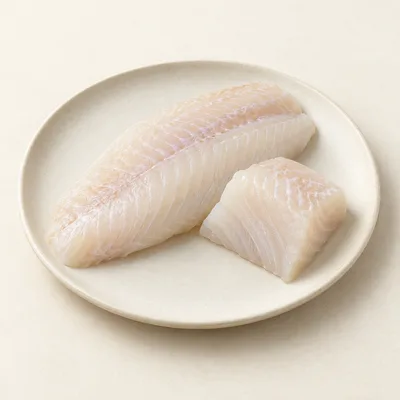 OCEAN CATCHFish
Grilled, curried, salted, smoked or made into chutney
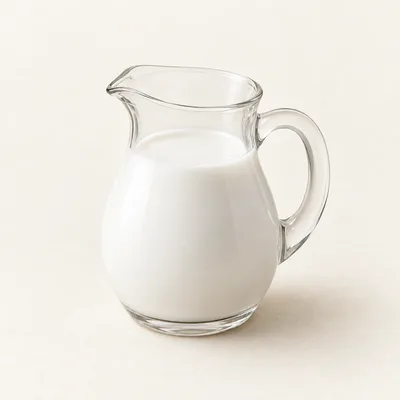 ISLAND RICHNESSCoconut
Milk, cream and grated flesh for curries and sweets
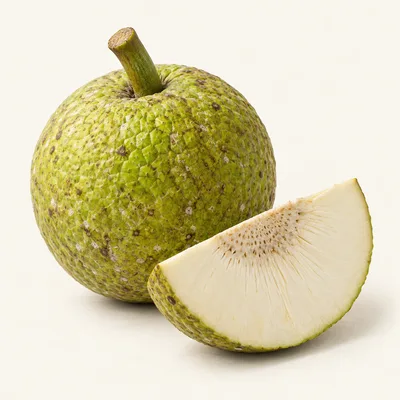 TREE STARCHBreadfruit
Roasted, fried, boiled or cooked into chips and mash
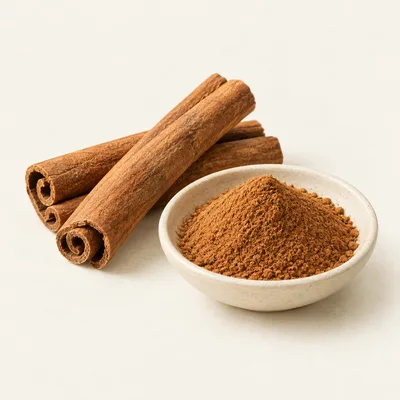 HISTORIC SPICECinnamon
Curries, desserts, drinks and the aroma of former plantations
A Seychellois chutney is often a fresh preparation. Unlike a long-cooked bottled preserve, it may combine grated green fruit, vegetable or fish with chilli, lime and aromatics for eating the same day. [8][7]
Curry names do not guarantee one composition. Fish, octopus, chicken, fruit bat, vegetables or lentils can meet coconut milk and changing spice blends, with household and restaurant versions varying in heat and richness. [7]
Market takeaway and hotel buffet reveal different sides of Creole food.
Begin with the day’s catch. A fish named by species, landing and preparation tells more than the generic phrase “Creole fish”; grilling, smoking and curry respond differently to texture and freshness. [7][10]
Tourism can separate plate from producer. Ask whether seafood, fruit, spice and vegetables are locally sourced and in season, especially on smaller islands where imported resort supply can sit beside community fishing and gardens. [9][10]
Food-culture sources checked .
Fish and cooking methods
Fish is recorded across several preparations: Pwason Griye is grilled fish, Pwason Dan Fèy Banann is fish baked in banana leaves, and Pwason Sale is salted fish. Ask about the species, marinade, oil, seasoning and cooking surface. With banana-leaf fish, confirm whether the leaf-wrapped parcel shares a tray or utensils with other food; with grilled fish, ask about the grill and basting mixture.
Curries, sauces and seasonings
Kari Pwason centres on fish, while Pwason Vinday includes mustard as a recognised seasoning connection. Rougaille may use fish, and shark chutney centres on shark. Ask whether curry, rougaille or chutney is made from a stock, paste or bottled sauce, and whether mustard, vinegar, oil or other seasonings are added. Do not infer the full recipe from the dish name.
Cakes, puddings and binders
Banana Cake and Coconut Cake are recorded with egg, wheat flour and butter connections; cassava pudding is recorded with egg as a common binder. Ask whether the batter contains these ingredients, what flour is used, and whether the tin, mixer, knife or serving surface is shared. Wheat and gluten are not interchangeable terms, and coeliac disease is not an IgE allergy, so explain the relevant requirement.
Ingredients worth recognising
Start with these ingredients, then follow their names and recorded food connections. Check the recipe and product actually used.
Egg
Egg is recorded as an intrinsic ingredient and commonly binds or enriches banana cake, coconut cake, cassava pudding and fish cakes. Ask whether it is in the batter, coating, glaze or another component, and whether equipment is shared.
Wheat flour
Wheat flour is intrinsic to wheat and is recorded as a core cake ingredient and a binder or coating for fish cakes. Ask which flour is used in cakes or coatings, and check the complete packaged ingredient list.
Fish
Fish is recorded in bouyon blan, bouyon bred, grilled fish, curries, vindaye, rougaille and banana-leaf fish. Ask for the species and whether stock, sauce, batter, marinade or shared cooking oil adds anything else.
Butter
Butter is a common dairy fat connection for banana cake and coconut cake. Ask whether the cake contains butter, another milk-derived ingredient or a substitute, and whether the same knife, tray or spread is used elsewhere.
Mustard Paste
Mustard paste is intrinsically made from mustard or mustard-derived material and is recorded in fish vindaye. Ask whether mustard paste is in the marinade, sauce or finished dish, and whether a prepared paste has a full label.
Coconut
Coconut is named in the country’s culinary context and appears in the recorded coconut cake connection. Ask whether coconut is in the dish, drink, filling or garnish; its presence should not be assumed from a general local-food description.
How food labelling works
A current, country-specific allergen-labelling summary for Seychelles has not yet been verified for this guide. Do not transfer the list of regulated allergens or restaurant disclosure rules from your home country to this one.
Read the complete ingredients on the actual package and keep any local-language sticker with the original label. For imported products, compare the information on that pack rather than a photograph of the brand sold elsewhere. Ask the manufacturer or seller to clarify an unfamiliar term.
For loose food or meals prepared to order, ask who can check the recipe and the labels on bought-in ingredients. Explain every food you avoid, including ingredients outside familiar allergy groups; a short symbol chart may not cover your list.
Language and communication
Seychelles uses Seychellois Creole, English and French. Prepare a written explanation in all three locally used languages where possible, naming the exact ingredient or preparation concern and asking for the complete recipe, stock, sauce and cooking method. Use dish names only as recognition aids, not as a complete request.
Language choice and wording may vary between cooks and settings, so ask the person taking the order to confirm the answer with the person preparing the food. Request confirmation of shared oil, water, utensils, trays and surfaces, and check packaged labels in the language or format provided rather than assuming a short description is complete.
Eating in different settings
Fish counter or market
For grilled fish, salted fish or shark chutney, ask which species is being sold and whether it has already been seasoned, salted or mixed with sauce. Ask how it will be cooked, which surface will be used, and whether utensils or oil are shared.
Local restaurant
When ordering fish curry, vindaye, rougaille or bouyon, ask for every stock, paste, seasoning and garnish. Confirm whether fish cakes are coated with wheat flour or bound with egg, and ask whether the kitchen can prepare your portion with separate utensils.
Bakery or dessert counter
For banana cake, coconut cake or cassava pudding, ask for the complete batter and topping ingredients, including egg, wheat flour and butter. Ask whether slices are cut on a shared board or with a shared knife, and read any available packaged list.
Packaged-food shop or accommodation
Before buying cakes, sauces, mustard paste, vinegar or oils, read the complete ingredient list and ask about unclear terms. In accommodation kitchens, ask whether pans, knives, boards, oil and cooking water have been used for other foods.
Before you travel
Review your personal plan
Discuss your travel plans with your clinician and keep your prescribed medicines and emergency instructions accessible. Tell companions where these are and how to follow your plan.
Check your medicines before entering Seychelles
Medicine rules can differ between Seychelles and the UK, including for medicines prescribed or bought in the UK. Before travel, check current TravelHealthPro best practice and confirm import or documentation requirements with the relevant Seychelles authority for each medicine. Do not stop or change prescribed medicine without appropriate advice.
Make the first meals easier to organise
Contact your accommodation and transport providers in advance. Save your written food list, menu questions and destination address offline. Check entry restrictions before packing backup food, and plan how you will check meals during arrival and onward journeys.
Plan access to medical help
Tourists must pay for medical treatment in Seychelles; overseas residents may also pay for some treatment, including medicines and prescriptions. Check your insurer’s eligibility and payment arrangements before travel. If care is needed, confirm suitable local provision and current provider details through the relevant official guidance.
Emergency resources
For a suspected severe allergic reaction, follow your prescribed emergency plan and seek urgent medical help. Give your exact location clearly.
Ambulance and urgent medical help
Call 999 and ask for an ambulance.
Explore next
Your allergy in Seychelles
Choose a food concern for the country notes and questions relevant to it.
Dishes in Seychelles
Follow the ingredients and cuisine connections in individual dish records.
Your own food list
Combine allergy groups and individual ingredients in one guide, with local names where recorded.
Allergy cards
Prepare the information you need to explain your food requirements.
FAQs, sources and review dates
Can I order fish cakes if I avoid wheat or egg?
Not from the name alone. The recorded fish-cake examples commonly connect with egg as a binder and wheat flour as a binder or coating. Ask for the complete mixture and coating, then ask about shared oil, utensils and the cooking surface.
What should I ask about vinegar in fish vindaye?
Generic vinegar has an unspecified formulation: some vinegars are malt-based and some may contain sulfites. Ask what type and brand is used, request the complete label where available, and confirm whether the vinegar is in the marinade, sauce or finished dish.
Is coconut automatically part of every Seychelles meal?
No. Coconut is named in the local culinary context and recorded for coconut cake, but its presence in a particular meal still needs checking. Ask whether coconut is in the recipe, filling, drink or garnish rather than inferring it from the country or dish name.
Sources checked: . This researched draft is awaiting editorial review. Practical questions apply the sources below to local food settings; they do not confirm any individual meal's ingredients or preparation.
Sources & references (10)
- FCDO · Seychelles health and medical assistance
Emergency contact details, local healthcare and medicine guidance. UK-specific eligibility does not apply to every visitor.
- Wikivoyage contributors · Seychelles
Community-edited culinary context only; not an allergy or medical authority. Brief food-context adaptations, CC BY-SA 4.0: https://creativecommons.org/licenses/by-sa/4.0/. Recipe questions also use PlateSafe’s draft records.
- FARE · Dining out
General recipe and preparation questions, applied here to country-specific food examples.
- FARE · Travelling with food allergies
General preparation, written communication and access to prescribed medicines. Not country-specific import permission.
- PlateSafe · Seychelles recorded food connections
Existing draft dish and ingredient records, used as examples to investigate. These are not independently verified recipes or suitability assessments.
- Unicode CLDR · Territory language data
Language suggestions. Regional language needs must be confirmed with the particular food provider.
- Tourism Seychelles — Guide to authentic Creole recipes
- Tourism Seychelles — Imported influences of Seychelles cuisine
- Tourism Seychelles — Explore the islands
- FAO — Seychelles country profile