

BEFORE YOUR FIRST MEAL
Navigating food allergies in Sierra Leone
Sierra Leonean meals commonly centre on rice served with a soup or stew, while cassava leaves, okra, sweet potato leaves, fish and fresh fruit may also feature. Recipes can differ by cook and place: a stew may use fish, meat, peanuts or stock, and a fritter may contain wheat and egg. Check the complete preparation rather than relying on a dish name.
What to know first
Rice and stews
Rice may be served with a separate stew, but the stew’s protein, thickener, seasoning and stock need checking. Ask whether fish, peanut, soy sauce or chicken stock is included.
Batters and puddings
Banana fritters, plantain fritters, puff-puff, chin chin and puddings can differ substantially. Ask about wheat flour, egg, butter and any shared fryer or baking equipment.
Explain the whole concern
Tell the cook or server every ingredient you must avoid, then ask them to confirm the complete recipe, including stock, sauce, toppings, frying oil and utensils.
Preparation matters
For a stew or rice dish, ask whether the pot, spoon and cooking oil have been used for another dish, and whether your portion can be prepared separately from the start.
Read the full label
Read the complete ingredients and allergen information on the actual product. If you avoid a food that is not highlighted, ask the producer or food provider to check it specifically.
Understanding the food
Rice, cassava, sweet potato, plantain, palm oil, groundnut, okra, pepper, fish and leafy greens connect Temne, Mende, Limba, Loko, Kono, Krio and other community traditions. Freetown’s Atlantic and Krio history, inland rice country and coastal fisheries produce more diversity than a single plate of jollof can show.
Peninsula, rice fields and provincial towns organise distinct food settings.
| Region or setting | Food landscape | Examples to understand |
|---|---|---|
| Freetown & Western Area | Krio heritage, Atlantic fishing, markets and national migration | Rice plates, plassas, fried fish, akara, bread and street grills |
| Northern & northwestern plains | Rice, groundnuts, cattle and seasonal farming | Rice, groundnut stew, beans, millet and meat dishes |
| Eastern forest zone | Upland and swamp rice, cassava, cocoa and mining towns | Cassava leaf, palm-oil stews, rice and forest produce |
| Southern & coastal districts | Rice wetlands, fishing, palm and tropical crops | Fish, rice, okra, palm-nut soup, plantain and leafy sauces |
Rice is not merely a side dish. It anchors daily meals and agricultural identity, while imported rice and locally grown upland or swamp varieties sit within a difficult history of production, price and food security. [8][9]
Community names should remain visible. The tourism ministry describes a national cuisine formed through Krio, Limba, Loko, Mende, Temne, Kono and other traditions rather than presenting one ethnic repertoire as universal. [7]
Leaves and seeds become the body of the sauce.
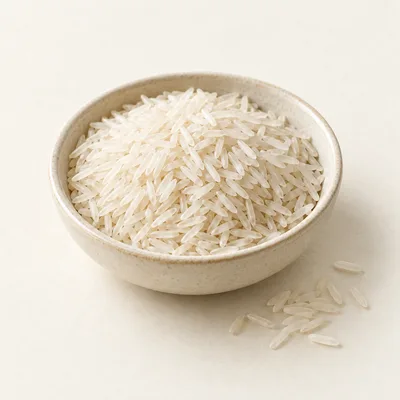 DAILY STAPLERice
Foundation for leaf, groundnut, okra and palm-based sauces
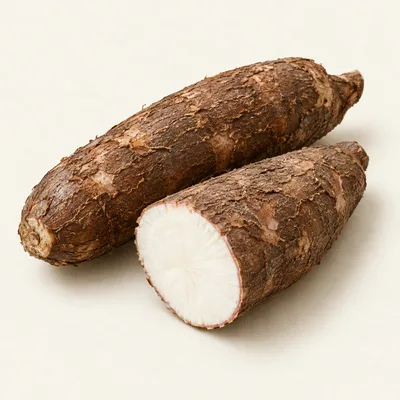 LEAF & ROOT CROPCassava
Pounded leaves for sauce; root for garri, fufu and boiled starch
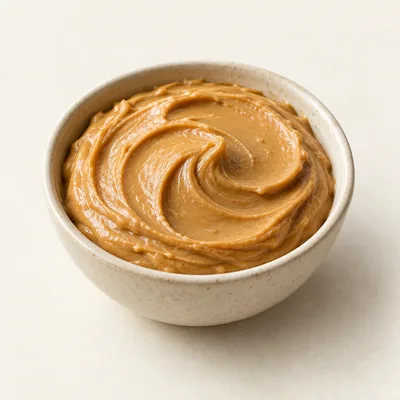 SAUCE BASEGroundnut
Paste and oil for rich stews served with rice or fufu
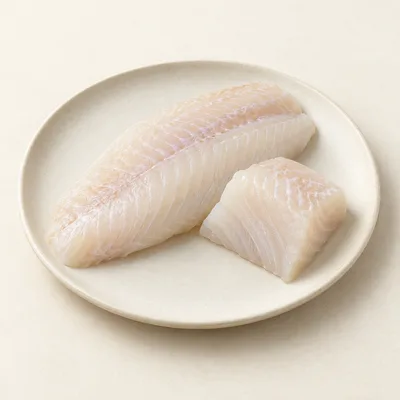 COASTAL PROTEINFish
Fresh, smoked or dried to season sauces and grills
Cassava leaf is prepared, not used like a garnish. The leaves are finely pounded or processed, then cooked thoroughly with palm oil, aromatics and combinations of fish, meat or groundnut into a substantial sauce for rice. [7][8]
Plassas names a broad family. Different leafy greens can be cooked down with palm oil, pepper and protein; the leaf, community and household determine the final texture and flavour. [7][9]
Cookshop, beach grill and family pot answer different needs.
A visible pot can help identify the day’s sauce. Cookshops often serve rice with one or more prepared stews, while market and roadside food may centre fried snacks, grilled fish, plantain or bread. [7]
Gastronomy tourism is an emerging project, not a complete inventory. The planned regional forum creates attention for chefs, farmers and heritage, but local dishes and producers still need documentation beyond event promotion. [7][10][9]
Food-culture sources checked .
Rice alongside stew
Rice is described as a central staple, often accompanied by a soup or stew. For fried rice, ask whether soy sauce is used and whether egg is scrambled through it. With plain rice and a separate stew, check both components: a cassava-leaf, okra or sweet-potato-leaf stew may include fish or a peanut-based thickener. Ask about stock, seasoning and the serving spoon used for each pot.
Leaf and vegetable stews
Cassava leaves, okra and sweet potato leaves may be used, but their accompanying ingredients vary. Cassava-leaf stew may use fish instead of or alongside meat and may be thickened with ground peanuts. Plasas and sweet-potato-leaf stew may also use peanut or peanut butter, while Krain Krain and okra stew may include fish. Ask which leaves, protein, paste and stock were used today.
Fish, seafood and pepper dishes
Fish is a principal protein in one fish-stew version and a common addition in Krain Krain and okra stew. Coastal Freetown meals may include seafood such as crabs, lobsters, oysters and snappers. Do not treat “seafood” as a precise ingredient: ask which species is present, whether it is mixed with other seafood, and how the pan, grill or oil is shared.
Fritters, cakes and sweet puddings
The recorded sweet examples show recipe variation rather than one fixed formula. Banana and plantain fritters commonly use wheat flour and may use egg; benne cakes feature sesame and commonly use butter and wheat flour. Ginger cake may contain wheat, egg and butter or cow milk. Cassava pudding may use egg, while sweet-potato pudding may use butter, wheat flour or egg.
Ingredients worth recognising
Start with these ingredients, then follow their names and recorded food connections. Check the recipe and product actually used.
Wheat flour
Wheat flour is recorded in banana and plantain fritters, puff-puff, chin chin, ginger cake and some puddings. Ask whether the batter, dough or thickener uses wheat flour, and whether flour dust or shared equipment is involved.
Peanut
Peanut appears as ground peanut, peanut butter or a paste in cassava-leaf stew, groundnut stew, plasas, sweet-potato-leaf stew and kanyah. Ask whether it is added to the pot, served separately, or present in a stock or sauce.
Fish
Fish is recorded in fish stew and as a possible addition to cassava-leaf stew, Krain Krain, okra stew, plasas and sweet-potato-leaf stew. Ask which fish is used, whether it shares a pan or oil, and whether another protein is also present.
Butter
Butter is recorded in benne cakes, chin chin, ginger cake and some sweet-potato puddings. Ask whether the recipe uses butter, whether cow milk is also added, and whether the same tray, knife or spread is used for other baked items.
Egg
Egg may bind banana or plantain fritters, cassava pudding, chin chin and sweet-potato pudding, and is commonly used in ginger cake or fried rice. Ask whether it is mixed into the recipe or used separately, and how shared utensils are handled.
Soy Sauce
Soy sauce is recorded in some fried-rice preparations, where egg may also be scrambled into the rice. Ask whether the rice contains soy sauce, what seasoning liquid was used, and whether the wok, spatula or oil was shared.
How food labelling works
A current, country-specific allergen-labelling summary for Sierra Leone has not yet been verified for this guide. Do not transfer the list of regulated allergens or restaurant disclosure rules from your home country to this one.
Read the complete ingredients on the actual package and keep any local-language sticker with the original label. For imported products, compare the information on that pack rather than a photograph of the brand sold elsewhere. Ask the manufacturer or seller to clarify an unfamiliar term.
For loose food or meals prepared to order, ask who can check the recipe and the labels on bought-in ingredients. Explain every food you avoid, including ingredients outside familiar allergy groups; a short symbol chart may not cover your list.
Language and communication
English is Sierra Leone’s official language, and Krio is widely used. Prepare a written explanation in English and Krio, naming each ingredient or food concern clearly. Use the dish name only as a starting point: ask the server to confirm the complete recipe, sauce, stock, oil and utensils.
Regional communication can require more care. Mende is the principal vernacular in the south and Temne in the north, while regular Krio use is described as more limited in provincial areas. If travelling beyond Freetown or provincial cities, arrange written explanations in advance and seek confirmation in the language used locally.
Eating in different settings
Coastal fish seller or market
When buying fish or seafood around a coastal market, ask exactly which species is being sold and whether fish has been kept with crab, lobster or oysters. Ask how it will be cooked, whether oil or a grill is shared, and whether seasoning or sauce is added.
Street fritter or snack stall
For banana fritters, plantain fritters, puff-puff or chin chin, ask about wheat flour and egg before ordering. Ask whether the same oil, tongs or surface is used for other foods, and whether the item is fried in a batch containing other ingredients.
Restaurant serving rice and stew
Ask for the ingredients in both the rice and the stew. For fried rice, check soy sauce and egg; for leaf or okra stews, check fish, peanut paste, meat and stock. Ask whether a clean spoon and pan can be used rather than shared serving equipment.
Packaged-food shop or accommodation kitchen
For packaged snacks, cakes, butter, sauces or dried fruit, read the complete ingredient list rather than relying on the front name. In an accommodation kitchen, explain the concern before preparation and ask whether boards, knives, pans, oil and spreads have been used for other foods.
Before you travel
Review your personal plan
Discuss your travel plans with your clinician and keep your prescribed medicines and emergency instructions accessible. Tell companions where these are and how to follow your plan.
Check your medicines before entering Sierra Leone
Before travelling, check with the Federal Office of Public Health whether your medication is legal in Sierra Leone, because medicines prescribed or bought in the UK may have different legal status or regulation. Carry prescription medicines in original packaging with your doctor’s prescription, and check current travel-medicine guidance.
Make the first meals easier to organise
Contact your accommodation and transport providers in advance. Save your written food list, menu questions and destination address offline. Check entry restrictions before packing backup food, and plan how you will check meals during arrival and onward journeys.
Plan access to medical help
Healthcare facilities and services are described as severely limited, particularly outside Freetown, with limited and unreliable medical supplies; many facilities may require cash. Check the FCDO medical-provider information, arrange adequate travel health insurance and accessible funds, and confirm cover for treatment, evacuation and repatriation.
Emergency resources
For a suspected severe allergic reaction, follow your prescribed emergency plan and seek urgent medical help. Give your exact location clearly.
Ambulance and urgent medical help
Request an ambulance on 117. Services in Freetown are unreliable and largely absent elsewhere. Some private hospitals offer transport; establish a local hospital and transport plan rather than depending on ambulance availability.
Explore next
Your allergy in Sierra Leone
Choose a food concern for the country notes and questions relevant to it.
Dishes in Sierra Leone
Follow the ingredients and cuisine connections in individual dish records.
Your own food list
Combine allergy groups and individual ingredients in one guide, with local names where recorded.
Allergy cards
Prepare the information you need to explain your food requirements.
FAQs, sources and review dates
Could cassava-leaf stew contain both fish and peanut?
Yes, a version of cassava-leaf stew may use fish as an alternative or addition to meat and ground peanuts as a thickener or flavouring. Ask which protein and thickener were used in this pot, and whether the stock, garnish or serving spoon contains anything additional.
Is seafood a precise ingredient to ask about?
No. Seafood is a broad category that does not specify whether fish is present. Ask for the exact species or species combination. This matters especially when a coastal meal may involve fish, crabs, lobsters or oysters, and when shared grills, pans or oil are used.
What should I ask about benne cakes if sesame is my concern?
Ask whether sesame seeds are present in the cakes and whether the dough also contains wheat flour or butter. The recorded benne-cake example identifies sesame as defining, with wheat flour and commonly butter also used. Check the complete recipe and the tray or utensils used for other baked goods.
Sources checked: . This researched draft is awaiting editorial review. Practical questions apply the sources below to local food settings; they do not confirm any individual meal's ingredients or preparation.
Sources & references (10)
- FCDO · Sierra Leone health and medical assistance
Emergency contact details, local healthcare and medicine guidance. UK-specific eligibility does not apply to every visitor.
- Wikivoyage contributors · Sierra Leone
Community-edited culinary context only; not an allergy or medical authority. Brief food-context adaptations, CC BY-SA 4.0: https://creativecommons.org/licenses/by-sa/4.0/. Recipe questions also use PlateSafe’s draft records.
- FARE · Dining out
General recipe and preparation questions, applied here to country-specific food examples.
- FARE · Travelling with food allergies
General preparation, written communication and access to prescribed medicines. Not country-specific import permission.
- PlateSafe · Sierra Leone recorded food connections
Existing draft dish and ingredient records, used as examples to investigate. These are not independently verified recipes or suitability assessments.
- Unicode CLDR · Territory language data
Language suggestions. Regional language needs must be confirmed with the particular food provider.
- Sierra Leone Ministry of Tourism and Cultural Affairs — Gastronomy
- FAO — Sierra Leone food-based dietary guidelines
- FAO — Sierra Leone country profile
- UN Tourism — Regional Forum on Gastronomy Tourism for Africa in Sierra Leone