
BEFORE YOUR FIRST MEAL
Navigating food allergies in Singapore
Singapore’s food combines Chinese, Malay, Indian and Peranakan traditions, especially in hawker-centre dishes. A familiar name may cover several recipes: laksa can include shrimp or prawns, kaya toast brings together wheat bread, butter and egg, and noodles may be served dry with sauce or in broth. Check the complete preparation, including condiments, toppings, cooking fat and shared equipment.
What to know first
Local dishes vary
Nyonya laksa may contain shrimp paste, prawn or shrimp toppings, fish cake and tofu, while a different stall’s laksa recipe may use another combination.
Sauces carry ingredients
Ask about the exact sauce, stock and garnish with chilli crab, satay, nasi lemak, mee rebus or rojak; shrimp paste, soy, peanuts and fish vary by recipe.
Explain the whole concern
Tell the stall or restaurant every ingredient or food group you avoid, then ask them to confirm the complete recipe rather than relying on the dish name.
Check preparation separately
Ask whether your food shares oil, boiling water, wok, chopping board, ladle or serving utensils with other dishes, especially at busy hawker counters.
Read packaged labels
Singapore Food Agency guidance says specified hypersensitivity ingredients must be identified in prepacked food; a separate Contains statement is optional, so read the ingredient list.
Understanding the food
Hawker centres, wet markets, kopitiams, religious kitchens, family celebrations and restaurants hold Chinese, Malay, Indian, Peranakan, Eurasian and many migrant repertoires. Dishes such as chicken rice, nasi lemak, laksa, roti prata, satay and char kway teow are not evidence of a featureless “fusion”; each has community histories and Singapore-specific adaptations.
Neighbourhood and institution matter more than compass direction in this city-state.
| Setting | Social and food context | Examples to understand |
|---|---|---|
| Heartland hawker centres | Affordable daily meals and shared seating within housing estates | Fishball noodles, nasi padang, roti prata, chicken rice and kopi |
| Historic market districts | Chinatown, Little India, Geylang Serai, Joo Chiat and port-city memory | Regional Chinese foods, Indian meals, Malay kuih and Peranakan cooking |
| Kopitiams & food courts | Coffee-shop stalls and air-conditioned commercial versions | Kaya toast, kopi, mixed rice, noodles and contemporary chains |
| Homes, temples & festivals | Religious practice, family transmission and celebration | Vegetarian foods, festive sweets, biryani, kueh and community feasts |
Hawker centres are community dining rooms. The National Heritage Board describes more than a food-delivery format: independent hawkers, common seating and multilingual exchange make these centres everyday social infrastructure. [8]
Multicultural does not mean originless. Chinese, Malay, Indian, Peranakan and Eurasian practitioners retain distinct techniques and festive meanings even as ingredients, tastes and business formats cross community boundaries. [8][9][10][11]
Rice and noodle foundations carry coconut, fermented seafood and aromatic paste.
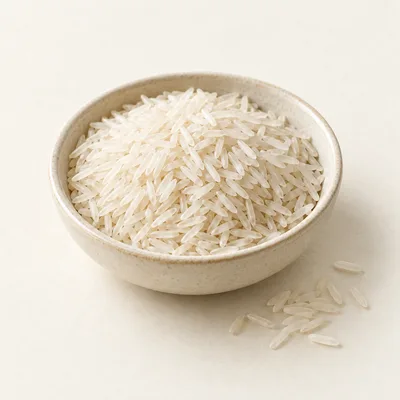 SHARED STAPLERice
Chicken rice, nasi lemak, biryani, rice porridge and mixed plates
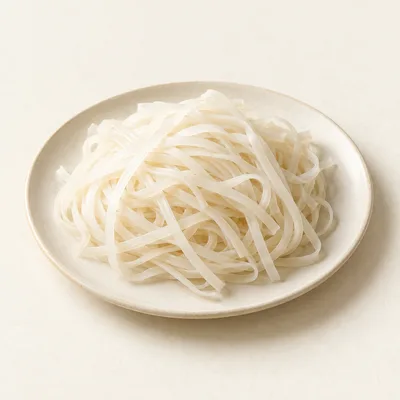 MANY TRADITIONSNoodles
Rice, wheat and egg forms in soups, stir-fries and gravies
 RICHNESSCoconut milk
Laksa, nasi lemak, curries, kuih and desserts
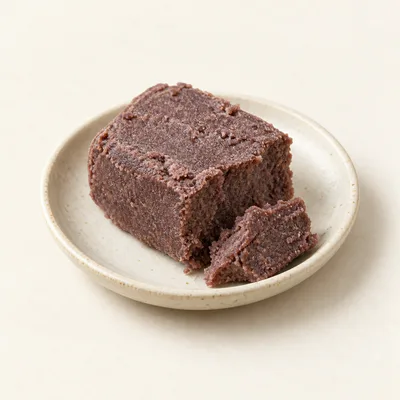 FERMENTED SEASONINGBelacan
Shrimp paste for sambal, Peranakan rempah and Malay dishes
Peranakan cooking is hybrid and community-specific. Chinese techniques meet Malay and Indonesian ingredients alongside Indian, Thai and colonial influences; recipes are transmitted through families and vary by household and regional connection. [9]
Singaporean Chinese and Indian foods changed locally. Migration brought many regional traditions, while hawkers adapted noodle forms, sambal, lime, vegetarian practice, breads and curries through long contact with other communities. [10][11]
Choose a stall by its specialist craft, then understand the shared centre around it.
One stall often does a small repertoire repeatedly. Observe its queue, displayed ingredients and preparation rhythm; specialist practice can be more informative than expecting one hawker to explain the whole centre. [8]
Shared seating does not erase dietary and religious difference. Halal practice, vegetarian traditions and the use of pork, beef, seafood or alcohol vary between stalls even when diners sit at the same table, so the relevant unit of inquiry is usually the individual vendor. [8][10][9]
Food-culture sources checked .
Hawker noodles and broth
Noodle dishes may be served dry, with sauce and broth separately, or as soup. Bak chor mee uses wheat noodles with chilli-based seasoning and may have fish cake or egg; fish-ball noodles may use wheat noodles, fish balls and soy sauce. Ask which noodles, what is in the broth, whether the sauce contains soy or wheat, and whether the same water or utensils are used for other noodles.
Malay and Peranakan sauces
Rich sauces and sambals are important in dishes such as ayam buah keluak, babi pongteh, rendang, nasi lemak and mee siam. Some versions of these recipes include shrimp paste, fermented soybean paste, soy sauce, peanuts or egg, but these are not universal formulas. Ask for every paste, stock, garnish and side separately, including whether sambal is mixed in during cooking or added afterwards.
Chinese meals and shared components
Char kway teow combines noodles, soy-seasoned stir-frying and egg, with prawns common in recorded versions. Chicken rice can include soy sauce, sesame oil and a separate chilli sauce, while hot pot involves choosing ingredients and cooking them in a communal pot. Ask about the selected protein, broth, dipping sauces, shared ladles and whether ingredients are cooked together before yours is served.
Indian, sweet and breakfast foods
Roti prata is wheat-based and may use ghee, butter or egg, while nasi biryani commonly uses ghee. Kaya toast combines wheat bread, butter and egg-based kaya. Desserts also vary: ice kacang may have milk and peanuts, tau huay is soy-based, and kueh can use wheat, egg or coconut. Ask about batter, toppings, cooking fat and sauces rather than assuming a plain-sounding version.
Ingredients worth recognising
Start with these ingredients, then follow their names and recorded food connections. Check the recipe and product actually used.
Wheat noodles
Wheat noodles are recorded in bak chor mee, fish-ball noodles, Hokkien prawn mee and wanton noodles. Ask whether the noodles are wheat-based, what is in the seasoning or broth, and whether another noodle is cooked in the same water.
Soy Sauce
Soy sauce appears in chicken rice, char kway teow, satay and many noodle preparations. The ingredient is soy-based, and some soy sauces contain wheat. Ask for the exact sauce, including dark soy sauce, and whether it is in the marinade, gravy, stock or dipping bowl.
Shrimp Paste
Shrimp paste is recorded in sambal, rojak, laksa, nasi lemak and some curry preparations. Its shrimp base is a crustacean. Ask whether it is blended into the spice paste, broth or dressing, even when no whole shrimp or prawn is visible.
Coconut
Coconut can feature in Singapore dishes such as kaya, laksa, nasi lemak, rendang, otak-otak and desserts. Its presence still needs checking in the particular dish. Ask whether coconut milk, cream, grated coconut or a coconut-based topping is used.
Egg
Egg is recorded in kaya, chilli crab sauce, char kway teow, prata, mee siam, nasi lemak and several kueh. Ask whether egg is in the batter, noodle formula, sauce, topping or shared wok, and whether a supposedly plain portion is cooked separately.
Butter
Butter is a core topping in the recorded kaya toast example and may also be used with roti prata. Ask whether the spread is butter, margarine or another product, whether it is added after toasting, and whether the knife or grill is shared.
How food labelling works
SFA guidance requires specified hypersensitivity ingredients to be identified on prepacked food. Read the ingredients: a separate Contains statement is optional.
The guidance lists gluten-containing cereals, crustaceans, eggs, fish including molluscs, peanuts, soybeans, milk and tree nuts, with sulphites covered at the specified concentration. A summary of these groups does not cover every food someone may need to avoid.
Packaged-food information does not establish a hawker stall or restaurant’s recipe or handling. Ask about the actual sauces, stocks and cooking equipment for your order.
Language and communication
English, Mandarin Chinese, Malay and Tamil are Singapore’s four official languages. Use a written explanation naming each food or ingredient to avoid, then ask the server to confirm the complete recipe, sauces, stocks and preparation.
Chinese dialects including Hokkien, Teochew and Cantonese are associated with older Chinese communities, while Tamil is linked with Singapore’s Indian community. Regional and generational variation matters: show the written explanation and request staff confirmation rather than relying on a dish name or a brief label.
Eating in different settings
Hawker-centre noodle stall
For bak chor mee, fish-ball noodles or Hokkien prawn mee, ask which noodle is used, whether the order is dry or soup, and what stock, soy sauce, fish cake or egg is included. Confirm whether noodles share boiling water, strainers, ladles or wok space with other orders.
Seafood or Malay counter
With chilli crab, otak-otak, nasi lemak, sambal or satay, ask about crab, fish, shrimp paste, anchovy, peanut sauce and soy marinade. Request sauces and sambal separately only if the staff confirms the preparation remains suitable, and ask whether the grill or serving tools are shared.
Bakery, breakfast or kueh shop
For kaya toast, curry puffs, roti prata, kueh or ice kacang, ask about wheat flour, egg, butter or ghee, milk, coconut and peanut toppings. Check the batter and filling as well as the finished item, and ask whether the same tongs, knife, griddle or fryer is used.
Restaurant or shared hot pot
For chicken rice, char kway teow or steamboat, ask about the broth, marinades, dipping sauces and cooking fat before ordering. In hot pot, ask whether the selected ingredients share a communal broth, pot or ladle, and whether a separate portion can be prepared with confirmed ingredients.
Before you travel
Review your personal plan
Discuss your travel plans with your clinician and keep your prescribed medicines and emergency instructions accessible. Tell companions where these are and how to follow your plan.
Check your medicines before entering Singapore
The official UK health source says medicine rules can differ in Singapore and advises checking whether Health Sciences Authority approval is needed for medicines brought from the UK. Carry enough for the stay in hand baggage, retain a GP prescription, and ask a doctor in Singapore whether a local equivalent can be prescribed if necessary.
Make the first meals easier to organise
Contact your accommodation and transport providers in advance. Save your written food list, menu questions and destination address offline. Check entry restrictions before packing backup food, and plan how you will check meals during arrival and onward journeys.
Plan access to medical help
The source describes Singapore healthcare as high quality and expensive, and advises travel insurance and accessible funds for treatment or possible medical repatriation. Before travelling, ask your insurer which local treatment and medical evacuation costs are covered, and check current healthcare arrangements with the relevant Singapore authority; do not assume a medicine is locally available.
Emergency resources
For a suspected severe allergic reaction, follow your prescribed emergency plan and seek urgent medical help. Give your exact location clearly.
Ambulance and urgent medical help
Call 995 and ask for an ambulance.
Explore next
Your allergy in Singapore
Choose a food concern for the country notes and questions relevant to it.
Dishes in Singapore
Follow the ingredients and cuisine connections in individual dish records.
Your own food list
Combine allergy groups and individual ingredients in one guide, with local names where recorded.
Allergy cards
Prepare the information you need to explain your food requirements.
FAQs, sources and review dates
Can I order laksa if I avoid shellfish?
Do not decide from the name alone. Some versions of Nyonya laksa include shrimp paste, shrimp or prawn toppings, fish cake and optional tofu, while Singapore laksa styles can include cockles or shrimp. Ask about the broth, spice paste, toppings and shared utensils.
What should I check in kaya toast?
Ask whether the bread is wheat-based, whether the kaya contains egg, and whether butter is used. Confirm what is spread on the toast and whether the knife, toaster or grill is shared. The accompanying runny egg is a separate item, so ask whether it is included and how it is cooked.
What about an ingredient outside common allergy groups, such as coconut?
Ask specifically whether coconut milk, cream, grated coconut or coconut-based syrup is used in the dish. Coconut is recorded in Singapore’s culinary examples, but its presence is recipe-specific. Check desserts, laksa, nasi lemak, rendang and kaya separately rather than treating one answer as covering every preparation.
Sources checked: . This researched draft is awaiting editorial review. Practical questions apply the sources below to local food settings; they do not confirm any individual meal's ingredients or preparation.
Sources & references (11)
- FCDO · Singapore health and medical assistance
Emergency contact details, local healthcare and medicine guidance. UK-specific eligibility does not apply to every visitor.
- Wikivoyage contributors · Singapore
Community-edited culinary context only; not an allergy or medical authority. Brief food-context adaptations, CC BY-SA 4.0: https://creativecommons.org/licenses/by-sa/4.0/. Recipe questions also use PlateSafe’s draft records.
- FARE · Dining out
General recipe and preparation questions, applied here to country-specific food examples.
- FARE · Travelling with food allergies
General preparation, written communication and access to prescribed medicines. Not country-specific import permission.
- PlateSafe · Singapore recorded food connections
Existing draft dish and ingredient records, used as examples to investigate. These are not independently verified recipes or suitability assessments.
- Unicode CLDR · Territory language data
Language suggestions. Regional language needs must be confirmed with the particular food provider.
- Singapore Food Agency · Food-labelling guide
Scoped allergen-labelling summary. Does not establish an individual meal’s ingredients or preparation.
- National Heritage Board — Hawker culture
- National Heritage Board — Peranakan cuisine in Singapore
- National Heritage Board — Indian cuisine in Singapore
- National Library Board — The evolution of Chinese food in Singapore