
BEFORE YOUR FIRST MEAL
Navigating food allergies in Slovakia
Slovak cooking often brings together potato dumplings, sheep’s cheese, flour-based doughs, pork or poultry, soups and sweet pastries. Recipes can vary between regions and kitchens: bryndzové halušky may have bacon, lokše may accompany duck, and soups may be thickened or finished differently. Treat menu names as starting points, then confirm the complete recipe, toppings, cooking fat and preparation surfaces.
What to know first
Dumplings and doughs
Ask whether halušky, pirohy, lokše or potato dumplings contain wheat flour, egg or another binder, and whether they are shaped or cooked in shared water.
Cheese is not one recipe
Bryndza, fried cheese, cream and sour cream appear in different dishes. Ask which cheese is used, whether it is added during cooking, and what accompanies it.
Explain the whole order
State the food you avoid before ordering, then ask staff to check the complete recipe, stock, sauce, garnish, cooking fat and shared utensils for your exact dish.
Street food needs detail
For lokše, langoš or a bun such as cigánska pečienka, ask about dough, fillings, spreads, toppings, frying oil and whether the same surface or oil is used.
Read the complete label
EU food-information rules cover 14 allergen categories; on prepacked food, relevant allergens must stand out in the ingredients list, while unpackaged food requires allergen information too.
Understanding the food
Potato, flour, cabbage, beans, pork, sheep cheese, freshwater fish, goose, poppy seed and orchard fruit follow climate and altitude across a compact country. Bryndzové halušky is an important emblem, but eastern Easter foods, southern paprika and wine, mountain dairy and western goose traditions prevent it from standing for every Slovak table.
Altitude and border history divide the pantry into several strong regions.
| Region | Food landscape | Examples to understand |
|---|---|---|
| Tatras, Liptov & northern mountains | Sheep pastoralism, cold winters and potato-flour staples | Bryndza, halušky, demikát, smoked meat and sauerkraut |
| Bratislava & Small Carpathians | Danube crossroads, vineyards and urban Central European baking | Wine, pastries, roast goose, lokše and seasonal produce |
| Southern lowlands & Tokaj | Warmer agriculture, paprika, cabbage and wine | Goulash-like stews, stuffed cabbage, goose and Tokaj wine |
| Spiš, Šariš & eastern Slovakia | Highland grains, potatoes, mushrooms and ritual food | Pirohy, hrudka, soups, pancakes and preserved cabbage |
Mountain food concentrates storage and pastoral ingredients. Official recipe guidance links northern cold conditions with smoked meat, potatoes, sauerkraut, dairy, flour and pulses rather than presenting those ingredients as equally dominant everywhere. [9][8]
Lowland food follows different crops. Southern slopes and plains support wine, cabbage, goose and more paprika-driven preparations, while Tokaj and the Small Carpathians retain distinct wine identities. [8][10][11]
Potato dough and cultured sheep milk define one famous combination, not the entire cuisine.
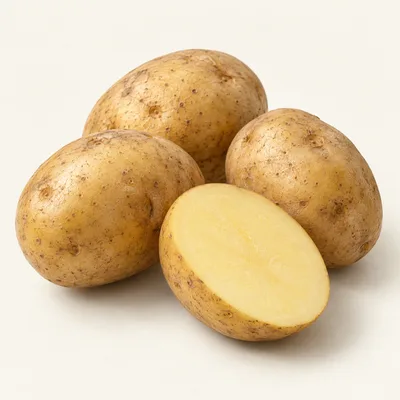 FIELD STAPLEPotato
Halušky, lokše, soups, dumplings and pancakes
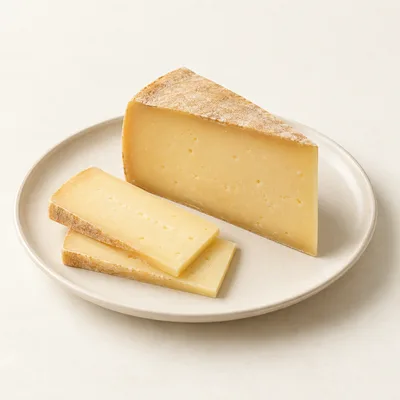 SHEEP DAIRYBryndza
Sharp soft cheese for halušky, pirohy and soup
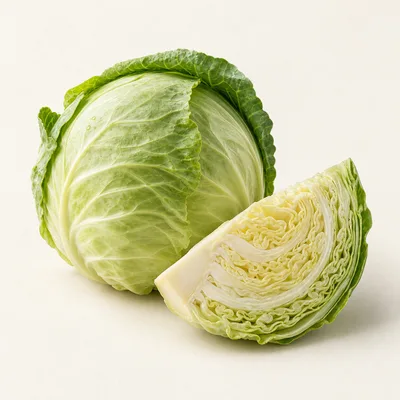 WINTER VEGETABLECabbage
Fresh or fermented for soups, fillings and stews
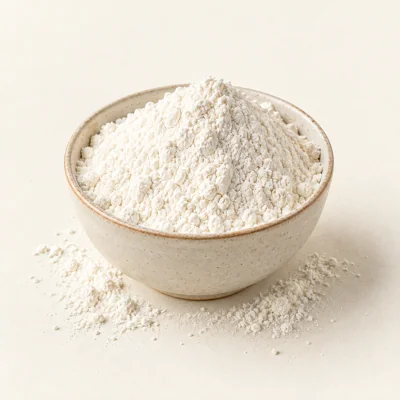 BAKING & DUMPLINGSFlour
Bread, noodles, pastries, dumplings and festival baking
Bryndzové halušky is an assembled dish. Potato dumplings are coated with sheep cheese and commonly finished with bacon fat and pieces; buttermilk or sour milk may accompany the rich plate. [8][9]
The festive calendar changes the table. Eastern hrudka at Easter, Christmas cabbage soup, poppy-seed pastries and seasonal goose meals connect particular foods to religious and agricultural time. [9][10]
Salaš, vineyard cellar and city restaurant frame tradition differently.
A mountain salaš foregrounds pastoral dairy. Sheep-cheese dishes make sense in landscapes of flocking and milk processing, while a city menu may present the same food as a national symbol detached from production. [8][9]
Regional drinks belong with the food map. Wine from the southern lowlands, Small Carpathians and Tokaj, fruit distillates, mead and sour-milk drinks each point toward a different crop or pastoral system. [8][10]
Food-culture sources checked .
Potato dumplings, dough and flour
Potatoes form the base of several recorded dishes, but wheat flour is commonly used in halušky, pirohy, lokše, strapačky and potato pancakes. Ask whether egg is included and whether dough is rolled, boiled or fried on shared equipment. Granadír uses short pasta, normally wheat-based but not universally so. Do not infer a wheat-free recipe from the word “potato” or “dumpling”.
Cheese, cream and finishing ingredients
Bryndzové halušky and bryndzové pirohy use bryndza, while demikát may use bryndza and cream. Fried cheese may be served with chips and salad, and recorded soups such as garlic, mushroom, bean and lentil versions may receive cheese, cream or sour cream. Ask whether dairy is in the base, filling, topping or sauce, and identify the exact cheese rather than relying on a dish label.
Soups, meat and regional versions
Kapustnica may be finished with cream, while bean, mushroom and lentil soups may vary regionally. Držková polievka commonly uses a flour thickener. Ask about stock, roux, sausage, smoked meat and garnish. Goulash may be beef-based or sometimes game-based and may be served as soup or stew; confirm the recipe rather than assuming its form.
Sweet, baked and filled foods
Possible examples include makovník, opekance, parené buchty, šúľance, Štedrák and Bratislavské rožky. Their doughs or fillings may involve wheat, milk, butter, egg, walnut, poppy seed, curd cheese or fruit. Ask which filling and glaze are used today, whether a topping is added after baking, and whether pastries were handled with shared trays, tongs or display utensils.
Ingredients worth recognising
Start with these ingredients, then follow their names and recorded food connections. Check the recipe and product actually used.
Wheat flour
Wheat flour is recorded in halušky, pirohy, lokše, makovník and many potato-based doughs. Ask whether it is in the dough, roux or coating, and whether the kitchen uses wheat flour on the same board, roller or cooking surface.
Walnut
Walnut is used in Bratislavské rožky, laskonky, Skalický trdelník and Štedrák. Ask about fillings, coatings and decoration, including whether walnut is added after baking or handled alongside other pastries.
Bryndza
Bryndza is a milk-based cheese used in bryndzové halušky, bryndzové pirohy and demikát. Ask whether it is the only cheese, whether cream is mixed in, and whether a separate spoon, pan or serving utensil is used for the portion.
Egg
Egg is a recorded ingredient in some pastry, dumpling and potato-batter recipes, including Bratislavské rožky, parené buchty and zemiakové placky. Ask whether it is in the dough, binder or glaze, rather than assuming it from the dish name.
Sour Cream
Sour cream may finish or thicken bean, mushroom and lentil soups, and is associated with several cabbage dishes. Ask whether it is mixed into the pot, spooned on top, or replaceable, and check any accompanying sauce separately.
Vegetable Oil
Generic vegetable oil can refer to different oils, and the particular oil is not specified. Ask what oil is used for fried cheese, potato pancakes or other fried foods, whether it is shared, and whether the oil is changed for your order.
How food labelling works
EU food-information rules cover 14 allergen categories used as ingredients. On prepacked food, these must stand out in the ingredients list. The categories include gluten-containing cereals, crustaceans, eggs, fish, peanuts, soybeans, milk, specified nuts, celery, mustard, sesame, sulphites above the stated threshold, lupin and molluscs.
Allergen information is also required for food sold without prepacking, including restaurant meals. Ask how to obtain the information for the exact order. National arrangements affect how it is supplied; an ingredient declaration does not by itself describe shared equipment or handling.
If you avoid a food outside those categories, read the complete ingredients and name that food when speaking to staff. A short allergen key cannot answer every ingredient-specific question.
Language and communication
Slovak is Slovakia’s official and most widely spoken language. Prepare a written explanation in Slovak naming the food to avoid and asking for the complete recipe, stock, sauce, topping, oil and utensils. Recognition of dish names such as bryndzové halušky or lokše is useful, but does not confirm ingredients.
Czech is distinct from Slovak but can be mutually intelligible, particularly for some older people; Hungarian is relevant in southern regions, and Rusyn is spoken in the east. Use the language most practical for the setting, ask a staff member to confirm the exact preparation, and do not assume regional understanding.
Eating in different settings
Salaš or regional restaurant
For bryndzové halušky, bryndzové pirohy or sheep’s cheese, ask whether the dish includes bacon, cream, wheat flour or egg. Confirm which cheese is used and whether smoked cheese is added. Ask whether the same ladle, board or pot is used for other orders.
Street-food stand or festival cauldron
For lokše, langoš or goulash, ask what is in the dough or batter, which toppings and sauces are added, and what oil or fat is used. For cauldron food, ask about stock, sausage, smoked meat and shared serving utensils before ordering.
Bakery, cukráreň or pastry counter
For Bratislavské rožky, laskonky, makovník, trdelník or Štedrák, ask for the complete ingredient list and the exact filling, glaze and coating. Check wheat, egg, milk, butter and walnut, then ask whether tongs, trays or display surfaces are shared.
Supermarket or packaged-food shop
Read the full ingredient list for wafers, bread, dried fruit, vinegar and prepared foods rather than relying on the product name. Check highlighted allergen categories and ask staff for the information for the exact item when it is sold without prepacking.
Before you travel
Review your personal plan
Discuss your travel plans with your clinician and keep your prescribed medicines and emergency instructions accessible. Tell companions where these are and how to follow your plan.
Check your medicines before entering Slovakia
The legal status and regulation of medicines prescribed or bought in the UK can differ in Slovakia. Before travelling, read TravelHealthPro’s best-practice guidance for travelling with medicines and ask the relevant Slovak authority or the medicine’s manufacturer whether your medicine requires particular documents or has any import requirements.
Make the first meals easier to organise
Contact your accommodation and transport providers in advance. Save your written food list, menu questions and destination address offline. Check entry restrictions before packing backup food, and plan how you will check meals during arrival and onward journeys.
Plan access to medical help
For medically necessary state healthcare in Slovakia, check whether you have a valid GHIC or EHIC and review NHS guidance on eligibility, temporary cover and what treatment counts as medically necessary. These cards are not travel insurance; check cover for private, non-urgent or additional costs with your insurer.
Emergency resources
For a suspected severe allergic reaction, follow your prescribed emergency plan and seek urgent medical help. Give your exact location clearly.
Ambulance and urgent medical help
Dial 155 and ask for an ambulance.
Explore next
Your allergy in Slovakia
Choose a food concern for the country notes and questions relevant to it.
Dishes in Slovakia
Follow the ingredients and cuisine connections in individual dish records.
Your own food list
Combine allergy groups and individual ingredients in one guide, with local names where recorded.
Allergy cards
Prepare the information you need to explain your food requirements.
FAQs, sources and review dates
Can I order bryndzové halušky without bacon?
The recorded dish connection identifies wheat flour in the dumpling dough and bryndza as sheep-milk cheese; the food description also associates the dish with bacon on top. Ask for the complete version without bacon, then confirm the dough, cheese, topping and utensils separately.
Is fruit preserve automatically free from sulphites?
No. Some commercial fruit preserves may use sulphites, while formulations vary. Read the complete label and ask about the exact preserve used in parené buchty, pastries or another dish. If it is served without packaging, request the ingredient information rather than relying on its fruit name.
Does fried cheese answer every dairy question?
No. Cheese, cream, butter, cow milk and bryndza are used in different Slovak foods, but a particular fried-cheese order still needs checking. Ask what cheese is used, whether the coating contains wheat or egg, and whether the oil or fryer is shared.
Sources checked: . This researched draft is awaiting editorial review. Practical questions apply the sources below to local food settings; they do not confirm any individual meal's ingredients or preparation.
Sources & references (11)
- FCDO · Slovakia health and medical assistance
Emergency contact details, local healthcare and medicine guidance. UK-specific eligibility does not apply to every visitor.
- Wikivoyage contributors · Slovakia
Community-edited culinary context only; not an allergy or medical authority. Brief food-context adaptations, CC BY-SA 4.0: https://creativecommons.org/licenses/by-sa/4.0/. Recipe questions also use PlateSafe’s draft records.
- FARE · Dining out
General recipe and preparation questions, applied here to country-specific food examples.
- FARE · Travelling with food allergies
General preparation, written communication and access to prescribed medicines. Not country-specific import permission.
- PlateSafe · Slovakia recorded food connections
Existing draft dish and ingredient records, used as examples to investigate. These are not independently verified recipes or suitability assessments.
- Unicode CLDR · Territory language data
Language suggestions. Regional language needs must be confirmed with the particular food provider.
- European Commission · Allergen information
Scoped allergen-labelling summary. Does not establish an individual meal’s ingredients or preparation.
- Slovakia Travel — Gastronomy
- Slovakia Travel — Traditional recipes
- Slovakia Travel — Experiences with the taste of Slovakia
- FAO — Slovakia country profile