

BEFORE YOUR FIRST MEAL
Navigating food allergies in Solomon Islands
Food in the Solomon Islands may combine cassava, tropical produce, fish, coconut milk and rice or pasta. Possible dishes include cassava pudding, earth-oven fish and raw fish with coconut milk. Recipes can vary between places and cooks, so identify every ingredient and preparation step rather than relying on a dish name. This is especially important for packaged tuna, canned foods and meals prepared in basic restaurants.
What to know first
Cassava and pudding recipes
Cassava pudding may use egg to enrich or bind it. Ask whether egg is included, how the cassava was prepared, and whether the pudding shares utensils or surfaces with other foods.
Fish and coconut milk
Fish appears in earth-oven, cooked coconut-milk and raw coconut-milk examples. Confirm the fish species, whether it is cooked, and every ingredient added to the coconut-milk mixture.
Explain the whole concern
Give a written explanation in English or Pijin, naming the ingredient or condition and asking for a complete recipe. Ask the cook to confirm stock, sauces, toppings, oil, water and utensils.
Check preparation separately
For fish, crab or tuna, ask whether the food is cooked in a shared pan, oven, oil or water. For raw fish, also ask about preparation surfaces and added seasonings.
Read the complete label
Read the complete ingredients and allergen information on the actual product. If you avoid a food that is not highlighted, ask the producer or food provider to check it specifically.
Understanding the food
Sweet potato, taro, yam, cassava, banana, coconut, leafy greens, fish, shellfish and pork vary between volcanic islands, atolls, provincial markets and language communities. Honiara’s rice, tinned foods and roadside barbecue are part of the present system, but they should not displace the gardening, fishing and earth-oven knowledge that sustains rural households.
Province, island type and market access reshape the same broad crop list.
| Island or setting | Food landscape | Examples to understand |
|---|---|---|
| Honiara & Guadalcanal | Largest market, peri-urban gardens, imported staples and roadside trade | Rice, fish, chicken barbecue, cassava, greens and fruit |
| Western & Isabel provinces | Reef and lagoon fisheries with forest and garden crops | Fish, shellfish, taro, sweet potato, coconut and banana |
| Malaita | Dense village networks, gardens, fishing and inter-island exchange | Root crops, greens, fish, pork and earth-oven foods |
| Temotu & remote outer islands | Small land bases, customary gardening and difficult freight | Taro, breadfruit, coconut, fish and carefully managed seasonal foods |
Most crop production begins with rural families. Government and FAO material describe agroforestry and mixed gardens as food and livelihood systems, with taro, yam, sweet potato, banana, coconut and cassava grown together rather than as isolated commodities. [8][7][10]
Honiara depends on connections to provinces and imports. Urban markets link growers and fishers with wage-earning households, while rice and packaged foods have taken a larger place beside locally produced roots and greens. [9][10]
Root, leaf, coconut and catch form the practical core of many meals.
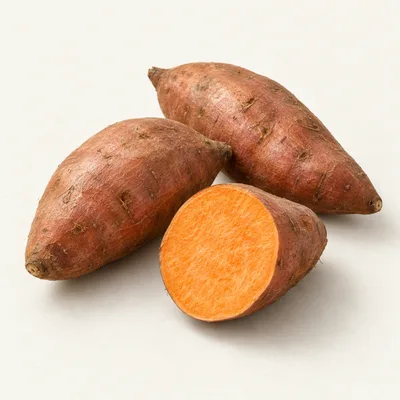 GARDEN STAPLESweet potato
Boiled, roasted or earth-oven cooked for daily meals
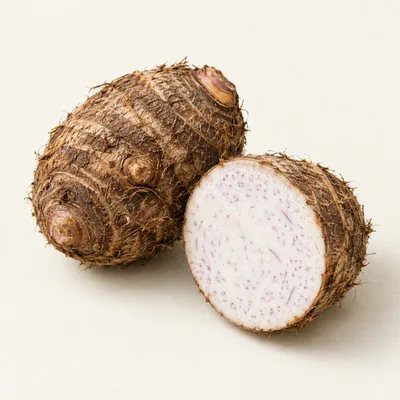 VALUED ROOT CROPTaro
Corm and leaves used across ceremonial and everyday cooking
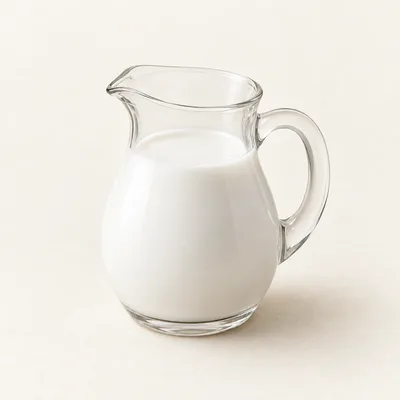 TREE CROPCoconut
Cream, flesh and oil for fish, puddings and vegetables
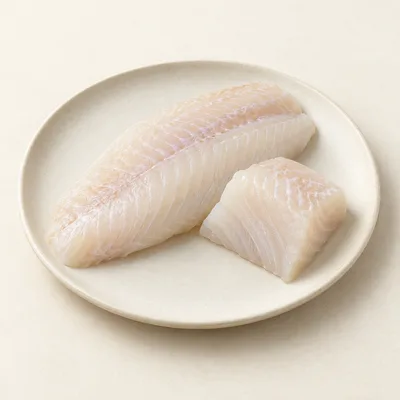 REEF & OCEAN FOODFish
Fresh catch cooked over fire, in ovens or with coconut
Cassava’s status and role have changed. FAO notes that this introduced crop once ranked below taro, yam and banana but is increasingly valued because it tolerates varied soils and supports peri-urban sales, schools and household resilience. [7]
Leafy “cabbage” can be a central relish. Island greens and taro leaves may provide the savoury component beside starch when meat or fish is scarce, often enriched with coconut rather than treated as a minor side. [10][9]
Roadside barbecue is visible, but the customary garden is the deeper infrastructure.
Ask which island supplied the food. Fish, root crops, fruit and greens may travel by small boat and market network, so provenance often explains availability better than a fixed national menu. [8][9]
Food security is part of the dining story. Cyclones, freight costs, climate shifts and crop disease affect remote and urban tables differently; supporting local growers and fishers strengthens more than culinary variety. [9][7][10]
Food-culture sources checked .
Cassava, pudding and starches
Cassava is described as an important starch, while poi is fermented taro and cassava pudding is a recorded example. The pudding may contain egg as an enriching or binding ingredient. Ask whether it is plain cassava or a prepared recipe, whether egg has been added, and whether toppings, sauces or coconut-based ingredients are included.
Fish in several preparations
You may encounter earth-oven fish, fish in coconut milk and raw fish with coconut milk. These names indicate different preparation contexts, not complete recipes. Ask which fish is used, whether it is cooked or raw, what liquid and seasonings are added, and whether preparation involves shared knives, boards, pans or serving utensils.
Tuna with accompaniments
Tuna is described as being served with chillies and pasta or rice, and canned tuna is mentioned among shop foods. Ask whether the tuna is fresh or canned, what the chilli mixture contains, and whether rice or pasta carries stock, sauce, seasoning or another added ingredient. Check the complete label for packaged products.
Coconut and crab dishes
You may encounter coconut crab in coconut milk and fish or raw fish with coconut milk. Crab is the defining protein in the crab example, while fish is central to the fish dishes. Ask whether coconut milk is freshly prepared or packaged, whether the recipe includes other additions, and whether crab or fish shares cooking equipment with your meal.
Ingredients worth recognising
Start with these ingredients, then follow their names and recorded food connections. Check the recipe and product actually used.
Egg
Egg is recorded as an ingredient in cassava pudding, where it may enrich or bind the mixture. Ask whether the pudding contains whole egg or another egg preparation, and whether a topping, glaze or shared utensil adds further ingredients.
Coconut
Coconut may appear as coconut milk in fish, raw-fish and coconut-crab dishes, rather than only as grated coconut. Ask how it is prepared, what else is blended into it, and whether the milk is packaged or made in the kitchen.
Crab
Crab is the defining protein in coconut crab in coconut milk. Confirm that the named dish contains crab, ask about the coconut-milk recipe and check whether crab is handled in the same pan, oil, water or utensils as your food.
Fish
Fish is central to earth-oven fish and the cooked or raw coconut-milk examples. Ask which fish is being offered, whether it is cooked through or served raw, and whether stock, chilli, sauce or shared equipment is involved.
Raw Fish
Raw fish is the defining ingredient in the raw-fish-with-coconut-milk example. Ask how it was cut, what was mixed with it, whether the coconut-milk preparation contains other ingredients, and whether boards and knives are shared.
Tuna
Tuna is specifically mentioned in the local food description, including canned tuna and tuna served with chilli and pasta or rice. Ask whether it is fresh or canned and inspect the complete product label or recipe before eating.
How food labelling works
A current, country-specific allergen-labelling summary for Solomon Islands has not yet been verified for this guide. Do not transfer the list of regulated allergens or restaurant disclosure rules from your home country to this one.
Read the complete ingredients on the actual package and keep any local-language sticker with the original label. For imported products, compare the information on that pack rather than a photograph of the brand sold elsewhere. Ask the manufacturer or seller to clarify an unfamiliar term.
For loose food or meals prepared to order, ask who can check the recipe and the labels on bought-in ingredients. Explain every food you avoid, including ingredients outside familiar allergy groups; a short symbol chart may not cover your list.
Language and communication
English is the official language of the Solomon Islands, while only a small proportion of people speak it. Prepare a written explanation in English naming the ingredient, recipe and preparation concern, then ask for confirmation of the complete dish.
Pijin is widely used as a lingua franca, and the islands also have many indigenous Melanesian languages. Prepare the same explanation in Pijin where possible, while recognising that regional communication may vary. Ingredient names help identify the issue but are not a complete allergy request.
Eating in different settings
Basic restaurant
For cassava pudding, fish in coconut milk or earth-oven fish, ask the server to check the full recipe with the cook. Confirm egg, fish, crab, coconut milk, stock, chilli mixtures and shared pans or utensils before ordering.
Shop or market counter
When buying tuna or another prepared food, ask whether it is fresh, cooked or canned and whether sauces or seasonings have been added. For sealed products, read the complete ingredient list and clarify unfamiliar terms before purchase.
Shared meal
At a communal meal, explain the concern before food is served and ask which dishes are complete recipes rather than plain ingredients. Check whether rice, pasta, cassava or fish used shared pots, serving spoons, oil or water.
Accommodation kitchen
If preparing food where cooking equipment is shared, ask which pans, boards, knives and utensils were used for fish, crab, egg or coconut-milk dishes. Confirm ingredients in sauces and seasonings, and keep the written explanation available while planning the meal.
Before you travel
Review your personal plan
Discuss your travel plans with your clinician and keep your prescribed medicines and emergency instructions accessible. Tell companions where these are and how to follow your plan.
Check your medicines before entering Solomon Islands
The legal status and regulation of medicines prescribed or bought in the UK may differ in the Solomon Islands. Before travelling, read TravelHealthPro guidance and ask the relevant Solomon Islands authority what requirements apply to any medicine you plan to bring.
Make the first meals easier to organise
Contact your accommodation and transport providers in advance. Save your written food list, menu questions and destination address offline. Check entry restrictions before packing backup food, and plan how you will check meals during arrival and onward journeys.
Plan access to medical help
Healthcare facilities and supplies can be limited, and wards or units may close at short notice; conditions differ between Honiara and Gizo. For rural travel, discuss a basic medical kit, accessible treatment funds and insurance or repatriation arrangements. Ask your insurer what local treatment and repatriation arrangements your policy covers.
Emergency resources
For a suspected severe allergic reaction, follow your prescribed emergency plan and seek urgent medical help. Give your exact location clearly.
Ambulance and urgent medical help
Call 111 and ask for an ambulance.
Explore next
Your allergy in Solomon Islands
Choose a food concern for the country notes and questions relevant to it.
Dishes in Solomon Islands
Follow the ingredients and cuisine connections in individual dish records.
Your own food list
Combine allergy groups and individual ingredients in one guide, with local names where recorded.
Allergy cards
Prepare the information you need to explain your food requirements.
FAQs, sources and review dates
Can I assume cassava pudding is egg-free?
No. The recorded cassava pudding example commonly uses egg to enrich and bind it, but a dish name is not a complete recipe. Ask whether egg was added, whether the mixture includes other ingredients, and whether a topping or shared utensil needs checking.
Does coconut count as a tree-nut allergy for this page?
Do not make that assumption from the ingredient name. Coconut is recorded in coconut-milk dishes, but its classification differs between labelling systems. Ask specifically about coconut or coconut milk, inspect the complete product label, and discuss the relevant classification with your clinician before travel.
How should I check raw fish with coconut milk?
Ask which fish is used, whether it is genuinely served raw, and what is mixed with it. Confirm the coconut-milk ingredients, chilli or other seasonings, and whether knives, boards, bowls and serving utensils are shared with other foods.
Sources checked: . This researched draft is awaiting editorial review. Practical questions apply the sources below to local food settings; they do not confirm any individual meal's ingredients or preparation.
Sources & references (10)
- FCDO · Solomon Islands health and medical assistance
Emergency contact details, local healthcare and medicine guidance. UK-specific eligibility does not apply to every visitor.
- Wikivoyage contributors · Solomon Islands
Community-edited culinary context only; not an allergy or medical authority. Brief food-context adaptations, CC BY-SA 4.0: https://creativecommons.org/licenses/by-sa/4.0/. Recipe questions also use PlateSafe’s draft records.
- FARE · Dining out
General recipe and preparation questions, applied here to country-specific food examples.
- FARE · Travelling with food allergies
General preparation, written communication and access to prescribed medicines. Not country-specific import permission.
- PlateSafe · Solomon Islands recorded food connections
Existing draft dish and ingredient records, used as examples to investigate. These are not independently verified recipes or suitability assessments.
- Unicode CLDR · Territory language data
Language suggestions. Regional language needs must be confirmed with the particular food provider.
- FAO — Solomon Islands cassava profile
- Solomon Islands Government — Ministry of Agriculture and Livestock
- Solomon Islands Government — National Food Security, Food Safety and Nutrition Policy
- FAO — Solomon Islands food-security profile