
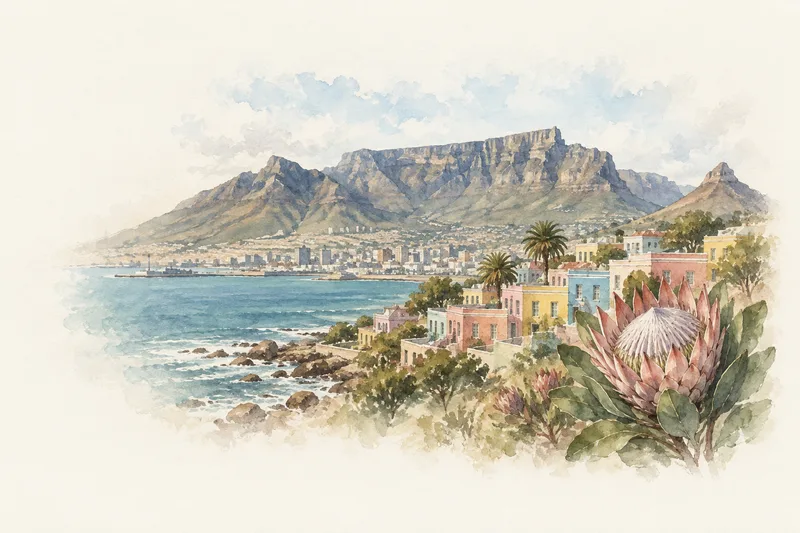
BEFORE YOUR FIRST MEAL
Navigating food allergies in South Africa
South African food reflects several culinary traditions and changes between regions, venues and individual recipes. A braai may involve meat, pap and relish; Durban is associated with bunny chow; Cape Malay dishes include bobotie and samoosa. Names help you recognise food, but they do not confirm ingredients. Ask about the complete recipe, preparation surface, oil, stock and accompaniments each time.
What to know first
Braai food is assembled in parts
At a braai, ask separately about the meat seasoning, pap, tomato-and-onion relish, sauces and side dishes. The grilled item alone does not describe the whole meal.
Bread can be the main carrier
Bunny chow, boerewors rolls, vetkoek, roosterkoek and sandwiches all involve bread or dough. Ask what flour is used and whether fillings, spreads or toppings are added.
Explain the whole concern
Tell the person taking the order what must be avoided, then ask them to confirm the complete recipe, stock, sauce, garnish and cooking method with the kitchen.
Shared equipment needs a question
Ask whether the same fryer oil, grill, pan, chopping board, utensils or boiling water is used for other foods, and whether your portion can be prepared separately.
Read the complete ingredient list
For packaged food, read the full ingredient list rather than relying on a product name or dietary description. Check sauces, bread, biscuits, preserves and chocolate separately.
Understanding the food
Maize, sorghum, beans, indigenous greens, cattle, sheep, seafood, wheat, fruit, spice and wine take different meanings in isiXhosa, isiZulu, Sotho-Tswana, Venda, Tsonga, Ndebele, Khoekhoe, San, Cape Muslim, Indian South African, Afrikaner and other traditions. Apartheid shaped land, labour and whose cooking entered restaurants; a national overview must therefore show connection without turning diversity into a vague “rainbow” mixture.
Province alone cannot explain food, but landscape and community make useful starting points.
| Region or setting | Community and landscape context | Examples to understand |
|---|---|---|
| Western Cape | Khoekhoe and San knowledge, Cape slavery, Muslim community, fishing and settler agriculture | Snoek, bredie, bobotie, denningvleis, waterblommetjies and koesisters |
| KwaZulu-Natal | Zulu foodways, Indian indenture and migration, subtropical crops and coast | Isidudu, amadumbe, curries, bunny chow, beans and seafood |
| Eastern Cape & central interior | Xhosa, Sotho-Tswana and pastoral or dryland farming traditions | Umngqusho, pap, morogo, sheep, offal and fermented milk |
| Gauteng & northern provinces | Mining migration, urban townships, maize country and diverse local communities | Chisa nyama, kota, pap, chakalaka, mopane worms and leafy stews |
Culinary exchange includes coercion and inequality. Cape dishes associated with spice and preserved meat owe much to enslaved people brought through the Dutch Indian Ocean system, while Indian South African food developed through indenture, trade and urban community life. [7][9]
Indigenous crops and gathered greens remain important. Maize-based meals coexist with sorghum, beans, pumpkins and morogo, while Khoekhoe and San plant knowledge and pastoral traditions predate colonial agriculture. [8][10]
Maize, cattle, beans and cabbage change meaning from household pot to township grill.
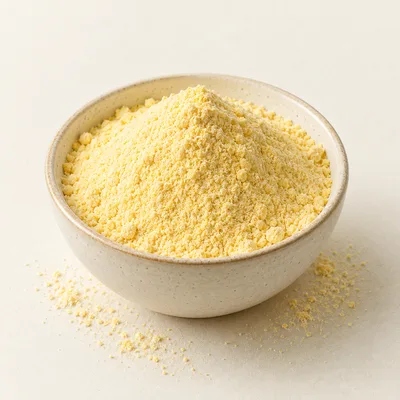 DAILY STAPLEMaize meal
Pap, porridge, steamed breads and fermented drinks
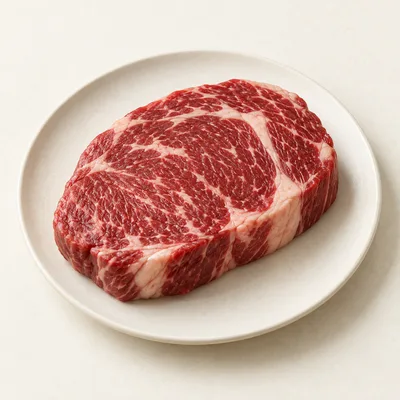 BRAAI & STEW MEATBeef
Grilled, stewed, dried or served with pap and relish
Umngqusho, stews, salads and grain-legume meals
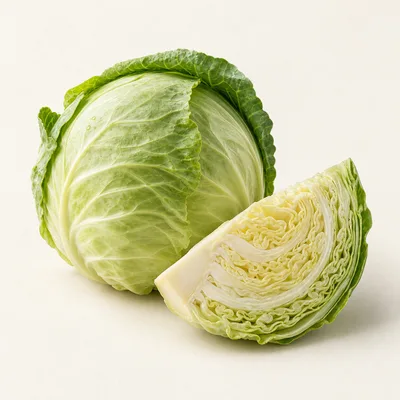 GARDEN VEGETABLECabbage
Braised sides, relishes and everyday vegetable plates
Umngqusho is more specific than “samp and beans.” Its maize-and-bean foundation belongs strongly to Xhosa foodways, with household choices shaping richness, seasoning and accompanying meat or vegetables. [8]
A braai is a social event, not simply grilled meat. Fire, host, side dishes and gathering carry meaning across communities, while chisa nyama names township meat-grilling businesses with their own economic and social context. [7][8]
Follow the cook, neighbourhood and community rather than ordering “traditional South African.”
Names distinguish histories that menus often blur. Cape Muslim koesisters and Afrikaner koeksisters, Durban bunny chow and Cape bobotie, or township kota and a generic sandwich are not interchangeable labels. [7][9]
Transformation matters in gastronomy tourism. The national framework explicitly connects culinary tourism with community benefit, women and youth, local ownership and a more inclusive tourism economy. [10]
Food-culture sources checked .
Fire-cooked meals and accompaniments
Braaivleis is meat roasted over wood or charcoal, while potjiekos is a meat-and-vegetable stew cooked in a cast-iron pot over an open fire. Ask what seasoning, stock, marinade or sauce was added, and whether vegetables shared the pot. With pap, establish whether the serving comes plain or covered with sous, the tomato-and-onion relish described for crumbly pap.
Maize dishes and filled breads
Pap may be runny, stiff or crumbly, and can replace rice or accompany morogo. Boerewors rolls use a sausage in a hotdog bun, while vetkoek is fried dough served with curry mince or apricot jam. Ask whether the flour, filling, relish and frying oil are separate from other preparations; do not infer the recipe from the name.
Cape Malay and Indian-influenced examples
Bobotie is a spiced meatloaf with a savoury custard topping; bunny chow places lamb or beef curry inside a loaf; samoosa and roti use dough or pastry. Ask about bread or wrapper ingredients, curry sauce, stock, egg, dairy and shared frying oil, including whether a topping or accompaniment is added after cooking.
Regional and recipe variation
Seafood choices are described as more available in coastal towns such as Cape Town and Durban, while inland availability differs. Cape Malay pickled fish and smoorsnoek use fish, but a dish name is not a complete recipe. Ask which fish, preserving liquid, seasoning, stock and side dishes are used, and whether the stated version differs from the usual one.
Ingredients worth recognising
Start with these ingredients, then follow their names and recorded food connections. Check the recipe and product actually used.
Bread
Bread may be the vessel or accompaniment in bunny chow, boerewors rolls, vetkoek-style meals and sandwiches. Ask whether it contains wheat, rye, milk, egg, soy or sesame, and whether crumbs or spreads were added.
Fish
Fish is central to Cape Malay pickled fish and smoorsnoek, while seafood menus may vary by place. Ask which species is used, whether stock or sauce contains other ingredients, and whether utensils or oil are shared.
Peanut
Peanut may appear in some curry sauce formulations and in some versions of morogo as richness or garnish. Ask whether it is in the sauce, topping or cooking area, and whether the recipe uses a prepared curry base.
Wheat flour
Wheat flour is recorded in bread, roti, samoosa pastry, koeksister dough, melktert pastry and vetkoek. Ask which flour is used in the dough, wrapper or crust, and whether crumbs or flour are present elsewhere in the preparation.
Cow Milk
Milk is recorded in the custard of melktert, and milk or dairy may occur in breads, sauces and desserts. Ask about milk, butter, cream, condensed milk and dairy-containing fillings, including additions made after cooking.
Curry Sauce
Curry sauce formulations may include peanut, mustard, soy-based ingredients or dairy. This matters for bunny chow, curry mince and other curry-filled foods. Ask for the sauce recipe and whether a commercial base, stock or garnish was used.
How food labelling works
A current, country-specific allergen-labelling summary for South Africa has not yet been verified for this guide. Do not transfer the list of regulated allergens or restaurant disclosure rules from your home country to this one.
Read the complete ingredients on the actual package and keep any local-language sticker with the original label. For imported products, compare the information on that pack rather than a photograph of the brand sold elsewhere. Ask the manufacturer or seller to clarify an unfamiliar term.
For loose food or meals prepared to order, ask who can check the recipe and the labels on bought-in ingredients. Explain every food you avoid, including ingredients outside familiar allergy groups; a short symbol chart may not cover your list.
Language and communication
South Africa’s national languages include English, Afrikaans, Zulu, Xhosa, Northern Sotho, Southern Sotho, Tswana, Tsonga, Venda, Swazi and Southern Ndebele, as well as Sign Language. Prepare a written explanation in the language most useful at your destination, prioritising English, Afrikaans, Zulu or Xhosa where appropriate.
English is widely used as a second language, but communication can vary, particularly outside urban settings. Regional language use matters: Zulu is especially associated with KwaZulu-Natal, while Xhosa is prominent in the Western and Eastern Cape. Show your written explanation and ask staff to confirm the recipe.
Eating in different settings
Braai or outdoor grill
Ask whether the meat was marinated or coated, what is in the relish and sauces, and whether pap is served plain or with sous. Check whether the grill, tongs and serving utensils are shared with bread, sausages or other dishes.
Market, deli or hot buffet
For food sold by weight, ask for the complete recipe of each selected item rather than relying on its display label. Ask about stock, sauces, garnishes and shared serving spoons, trays, fryer oil and hot-buffet surfaces.
Bakery or dessert counter
Ask which flour, dairy, egg and chocolate or biscuit ingredients are in the item. This is relevant to koeksisters, vetkoek, melktert, granadilla tart and peppermint crisp tart. Ask whether products share trays, tongs or preparation equipment.
Restaurant or takeaway curry counter
For bunny chow, curry mince, roti or samoosa, ask about the bread or wrapper, curry sauce, stock, toppings and frying oil. Confirm whether the kitchen can prepare the order without the requested ingredient and without shared utensils.
Before you travel
Review your personal plan
Discuss your travel plans with your clinician and keep your prescribed medicines and emergency instructions accessible. Tell companions where these are and how to follow your plan.
Check your medicines before entering South Africa
The legal status of UK medicines may differ in South Africa, and regular medicines may need repeat prescriptions. Check import and prescription requirements with the relevant South African authority and your prescriber before travel; do not assume a UK prescription transfers automatically.
Make the first meals easier to organise
Contact your accommodation and transport providers in advance. Save your written food list, menu questions and destination address offline. Check entry restrictions before packing backup food, and plan how you will check meals during arrival and onward journeys.
Plan access to medical help
There is no healthcare agreement between the UK and South Africa. Public care standards vary, while private care can be expensive. Check that travel insurance covers medical treatment and possible repatriation, and confirm suitable providers and eligibility with your insurer before travelling.
Emergency resources
For a suspected severe allergic reaction, follow your prescribed emergency plan and seek urgent medical help. Give your exact location clearly.
Ambulance and urgent medical help
Dial 112 (from a mobile) or 10177 and ask for an ambulance. There may be other regional emergency numbers available, check locally.
Explore next
Your allergy in South Africa
Choose a food concern for the country notes and questions relevant to it.
Dishes in South Africa
Follow the ingredients and cuisine connections in individual dish records.
Your own food list
Combine allergy groups and individual ingredients in one guide, with local names where recorded.
Allergy cards
Prepare the information you need to explain your food requirements.
FAQs, sources and review dates
Is pap automatically free from wheat or other concerns?
Pap is described as a corn-meal porridge, but meals may include accompaniments such as morogo, meat, stock or sous. Ask how the pap was prepared, whether anything was mixed into it, and whether the serving utensil or cooking vessel was shared.
What should I check in a peppermint crisp tart?
The recorded example uses sweet plain biscuits, butter, cream and sweetened condensed milk; peppermint chocolate may contain soy-derived ingredients and some formulations include tree nuts. Ask for the specific biscuit and chocolate labels, plus the complete filling and base recipe.
Can a curry sauce be treated as one standard recipe?
No. The recorded curry sauce examples vary: some use peanut, mustard, soy-based ingredients or dairy. Ask which prepared sauce or recipe was used, what stock or seasoning was added, and whether the sauce touched shared pans, spoons or serving utensils.
Sources checked: . This researched draft is awaiting editorial review. Practical questions apply the sources below to local food settings; they do not confirm any individual meal's ingredients or preparation.
Sources & references (10)
- FCDO · South Africa health and medical assistance
Emergency contact details, local healthcare and medicine guidance. UK-specific eligibility does not apply to every visitor.
- Wikivoyage contributors · South Africa
Community-edited culinary context only; not an allergy or medical authority. Brief food-context adaptations, CC BY-SA 4.0: https://creativecommons.org/licenses/by-sa/4.0/. Recipe questions also use PlateSafe’s draft records.
- FARE · Dining out
General recipe and preparation questions, applied here to country-specific food examples.
- FARE · Travelling with food allergies
General preparation, written communication and access to prescribed medicines. Not country-specific import permission.
- PlateSafe · South Africa recorded food connections
Existing draft dish and ingredient records, used as examples to investigate. These are not independently verified recipes or suitability assessments.
- Unicode CLDR · Territory language data
Language suggestions. Regional language needs must be confirmed with the particular food provider.
- South African Tourism — Iconic South African foods
- South African History Online — Diverse cultural heritage and food
- South African History Online — Slavery at the Cape and its culinary legacy
- South African Department of Tourism — Gastronomy Tourism Framework