
BEFORE YOUR FIRST MEAL
Navigating food allergies in South Korea
South Korean food often brings rice, soup and numerous banchan together, with kimchi, fermented pastes, fish-based stock and seasoned sauces appearing across the table. A dish name rarely gives the full recipe: bibimbap may include egg and gochujang, while noodles, pancakes and dumplings may contain wheat. Ask about every component, including shared cooking surfaces, oil, utensils, broth and dipping sauces.
What to know first
Rice dishes still need questions
Bibimbap, gimbap and rice meals may include egg, sesame, fish, soy-seasoned fillings or sauces. Ask what is mixed in, added on top and served alongside.
Broth is part of the recipe
Guk, tang and jjigae may use anchovy or other fish stock. Check the broth separately from vegetables, tofu, meat or noodles, especially in doenjang, kimchi and sundubu jjigae.
Explain the whole restriction
Use a written explanation in Korean naming the ingredient and whether traces, shared utensils, stock, sauce or cooking oil matter. Ask staff to confirm the complete preparation.
Shared tables change the check
Barbecue, communal banchan and tabletop fried rice may involve shared grills, pans, chopsticks or serving utensils. Ask whether your portion can be prepared separately from the relevant ingredient.
Read the complete label
Read the complete ingredients and allergen information on the actual product. If you avoid a food that is not highlighted, ask the producer or food provider to check it specifically.
Understanding the food
Rice, barley, noodles, soybean, vegetables, seaweed, seafood, pork, beef, chilli, garlic and sesame appear through fermentation, drying, salting, simmering and grilling. Seoul dining, royal cuisine, temple food, market snacks and provincial specialties are different contexts; global “K-food” popularity should not flatten Jeolla’s generous banchan, Jeju’s island products or Gangwon’s mountain grains.
Peninsula, mountain and island environments produce strong local specialities.
| Region | Food landscape | Examples to understand |
|---|---|---|
| Seoul, Gyeonggi & Incheon | Royal and capital traditions, port migration and national restaurant culture | Seolleongtang, galbi, ganjang gejang, jjajangmyeon and market foods |
| Gangwon & central mountains | Buckwheat, potato, maize, tofu and mountain vegetables | Makguksu, potato pancakes, chodang sundubu and wild greens |
| Jeolla & southwest coast | Rice plains, tidal flats, fermentation and elaborate table settings | Jeonju bibimbap, kimchi, hongeo, cockles and seafood |
| Gyeongsang, Busan & Jeju | Port cities, pork, anchovy, island crops and abundant seafood | Dwaeji gukbap, milmyeon, Andong jjimdak, black pork and abalone |
A Korean table is assembled around the diner. Rice and soup sit in front with spoon and chopsticks, while kimchi, banchan and main dishes are shared or combined in changing bites rather than eaten in a mandatory sequence. [8]
Regional foods remain actively promoted. The tourism organisation’s local-food map pairs cities and counties with dishes, seasonal ingredients and drinks, showing that familiar names have particular producing places. [9][11]
Fermentation turns vegetables and soybean into an extended seasonal pantry.
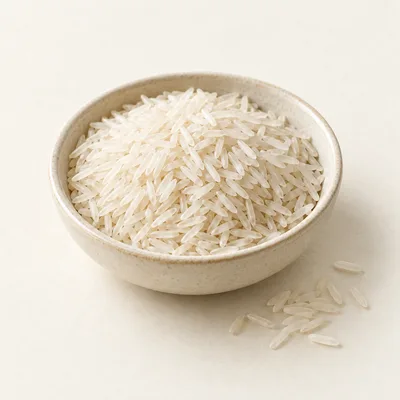 MEAL FOUNDATIONRice
Steamed grain, porridge, cakes, drinks and mixed bowls
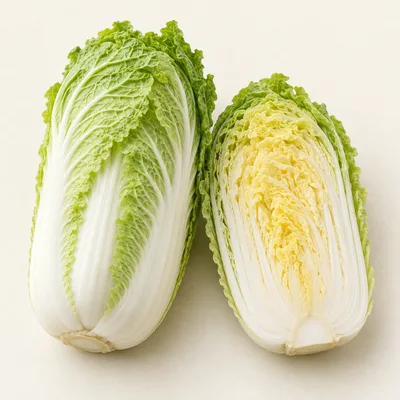 KIMCHI VEGETABLENapa cabbage
Salted and fermented with regionally changing seasoning
Doenjang, ganjang, tofu, sprouts and soups
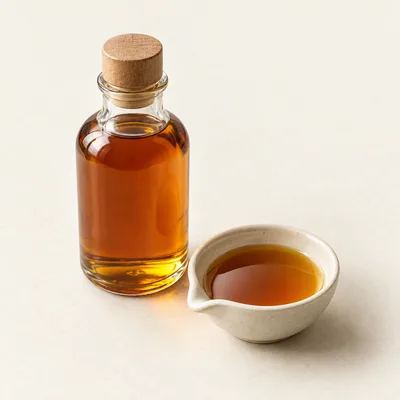 AROMATIC FATSesame oil
Finishing, seasoning greens and marinating foods
Kimchi is plural. Region, season, vegetable, salt, seafood seasoning and household technique create many forms; kimjang is the communal practice of making and sharing winter stores, not just a cabbage recipe. [10][8]
Jang works inside the whole meal. Soybean-based doenjang and ganjang, alongside chilli paste, build soups, braises, marinades and dipping sauces before any condiment reaches the table. [8]
Specialist restaurants often organise the meal around one technique or ingredient.
Read the restaurant category before the dish list. A barbecue restaurant, soup specialist, raw-fish house, noodle shop, temple-food venue or bunsik counter follows different ordering, sharing and side-dish conventions. [8][9]
Refills and shared dishes have boundaries. Some banchan may be replenished, but mains, premium additions and single-person portions vary by venue; staff guidance is more reliable than treating every Korean table as unlimited communal service. [8]
Food-culture sources checked .
Rice, toppings and banchan
A Korean meal commonly centres on rice and soup with small banchan. Bibimbap combines rice with vegetables and may have meat, egg and gochujang; gimbap may contain egg, tuna, meat or seafood. Ask whether toppings, seasoning oil and side dishes contain the ingredient you avoid, and whether banchan were prepared with fish sauce or shared serving utensils.
Fermentation, sauces and kimchi
Kimchi can be made with cabbage, radish, cucumber, chives or other vegetables, while some versions may include fish sauce or salted shrimp. Doenjang, gochujang and ssamjang are substantial recipe components, not just names. Ask which paste is used, whether it contains wheat, soybean or sesame, and whether kimchi was added during cooking or served separately.
Noodles, pancakes and fried foods
Wheat appears in dishes such as kalguksu, guksu, sujebi, dumpling wrappers and jeon batter; buckwheat noodles may also be blended with wheat. Pajeon can include egg and seafood, while fish cake may contain wheat, soy, dairy or egg. Ask about the exact flour, batter, stock, dipping sauce and shared frying oil rather than assuming from the dish name.
Grills, stews and regional recipes
At barbecue, bulgogi and galbi are seasoned or marinated meats cooked at the table, with ssamjang, garlic, leaves and other accompaniments. Stews such as budae jjigae, doenjang jjigae and sundubu jjigae can include tofu, cheese, noodles, egg or anchovy stock. Regional examples vary: Jeju dishes may feature hairtail, abalone or mixed seafood, while Jeonju bibimbap commonly has egg and seasoned toppings.
Ingredients worth recognising
Start with these ingredients, then follow their names and recorded food connections. Check the recipe and product actually used.
Wheat flour
Wheat flour appears in noodles, dumpling wrappers, jeon coatings, pancakes and snacks such as yakgwa. Check the base, batter and any thickened sauce; ask whether buckwheat noodles or rice cakes also contain wheat.
Kimchi
Kimchi may be cabbage, radish, cucumber or another vegetable, but recorded versions can use fish sauce, salted shrimp, sesame or soy seasoning. Ask which vegetable it is, what seasons the brine, and whether kimchi is mixed into the dish.
Soy Sauce
Soy sauce seasons marinades, broths, rice, braises and dipping sauces in examples including bulgogi, japchae and jangjorim. Check the sauce itself and every stock or paste, asking whether the formulation contains wheat and whether it is added during cooking.
Tofu
Tofu is recorded in jjigae, dumplings, jeon and seasoned vegetable preparations, and is a soy-derived ingredient. Ask whether tofu is present in the main dish, filling or broth, and whether soy sauce or fermented soybean paste is also used.
Egg
Egg may be a bibimbap or gimbap topping, a noodle garnish, a pancake or fish coating, or part of a dumpling mixture. Ask whether it is mixed into the batter, brushed on, served separately or cooked on the same surface.
How food labelling works
South Korea’s MFDS lists specific foods for mandatory allergen declarations. Alongside foods such as milk, egg, wheat, peanut and soy, its list includes buckwheat, peach, tomato, pork, chicken, beef, selected seafood and nuts. Do not substitute a different country’s allergen list.
The guidance describes a separate allergen declaration near the ingredient information and warnings for shared manufacturing processes. Read both, including the specific food names and any derivative ingredients.
For restaurant dishes and market meals, ask about the complete recipe and the labels on bought-in ingredients. A packaged-food declaration does not establish how a soup, dipping sauce, side dish or shared grill is handled.
Language and communication
Korean is South Korea’s national language and the first language to use for a written food explanation. Ask staff to confirm the complete recipe, including stock, sauces, toppings, oil, shared utensils and preparation surfaces. Korean dish and ingredient names help recognition, but they are not a complete allergy request.
Standard Korean is widely understood, while regional speech varies, including around Busan, Daegu and Jeju. Keep the written explanation available when discussing a regional speciality such as Jeju mixed seafood, Jeonju bibimbap or Busan fish cake, and request confirmation of the exact serving.
Eating in different settings
Bunsik counter or snack shop
For tteokbokki, gimbap or fish cake, ask what is in the sauce, rice cake, filling and broth. Check whether the tteok contains wheat, whether gimbap has egg or fish cake, and whether shared tongs or pans contact the ingredient you avoid.
Barbecue restaurant
For bulgogi, galbi or dakgalbi, ask for the full marinade ingredients, including soy sauce, gochujang and sesame. Ask whether the grill, scissors, tongs and cooking fat are shared, and whether ssamjang, leaves, garlic and banchan are served from common dishes.
Noodle, soup or stew restaurant
Ask whether kalguksu, sujebi, manduguk or jjigae contains wheat, egg, tofu, soy sauce or anchovy stock. Confirm the noodle or dumpling ingredients separately from the broth, and ask whether toppings are added after cooking or shared between bowls.
Bakery, café or packaged-food shop
For Jeonju choco pie, yakgwa, patbingsu, instant noodles or makgeolli, read the complete label and ask about milk, egg, wheat, soy, sesame and barley where relevant. Check fillings, coatings, seasoning sachets and toppings rather than relying on the product name.
Before you travel
Review your personal plan
Discuss your travel plans with your clinician and keep your prescribed medicines and emergency instructions accessible. Tell companions where these are and how to follow your plan.
Check your medicines before entering South Korea
South Korean customs allow small amounts of personal medication in carry-on baggage, with an English prescription from your doctor for prescription and non-prescription medicines. Before travel, check the South Korean Ministry of Food and Drug Safety for the medicine’s status and requirements.
Make the first meals easier to organise
Contact your accommodation and transport providers in advance. Save your written food list, menu questions and destination address offline. Check entry restrictions before packing backup food, and plan how you will check meals during arrival and onward journeys.
Plan access to medical help
Medical and dental care is usually good but can be expensive, and staff may not speak English. Check that insurance and accessible funds cover treatment and repatriation. If a severe condition could require a hospital stay, ask whether you must arrange a guardian and how your insurer handles this.
Emergency resources
For a suspected severe allergic reaction, follow your prescribed emergency plan and seek urgent medical help. Give your exact location clearly.
Ambulance and urgent medical help
Call 119 and ask for an ambulance.
Explore next
Your allergy in South Korea
Choose a food concern for the country notes and questions relevant to it.
Dishes in South Korea
Follow the ingredients and cuisine connections in individual dish records.
Your own food list
Combine allergy groups and individual ingredients in one guide, with local names where recorded.
Allergy cards
Prepare the information you need to explain your food requirements.
FAQs, sources and review dates
Could plain-looking kimchi contain seafood?
It can, in some versions: fish sauce or salted shrimp may season kimchi varieties including baek, chonggak, dongchimi and gat kimchi. Ask which brine and seasoning were used, and whether kimchi was cooked into the dish or placed separately.
Is buckwheat noodle soup automatically wheat-free?
No. The recorded buckwheat-noodle ingredient notes say many soba-style noodles combine buckwheat with wheat, while some are buckwheat-only. Ask for the exact noodle ingredients and check the broth, dipping sauce and garnishes separately.
What about sesame, which is not always obvious?
Sesame appears as oil, seed or flour in Korean dishes and sauces, including gimbap seasoning, barbecue marinades, chogochujang and dasik. Ask about finishing oil, sprinkled seeds, powdered ingredients and shared dressing containers, even when the main ingredient appears simple.
Sources checked: . This researched draft is awaiting editorial review. Practical questions apply the sources below to local food settings; they do not confirm any individual meal's ingredients or preparation.
Sources & references (11)
- FCDO · South Korea health and medical assistance
Emergency contact details, local healthcare and medicine guidance. UK-specific eligibility does not apply to every visitor.
- Wikivoyage contributors · South Korea
Community-edited culinary context only; not an allergy or medical authority. Brief food-context adaptations, CC BY-SA 4.0: https://creativecommons.org/licenses/by-sa/4.0/. Recipe questions also use PlateSafe’s draft records.
- FARE · Dining out
General recipe and preparation questions, applied here to country-specific food examples.
- FARE · Travelling with food allergies
General preparation, written communication and access to prescribed medicines. Not country-specific import permission.
- PlateSafe · South Korea recorded food connections
Existing draft dish and ingredient records, used as examples to investigate. These are not independently verified recipes or suitability assessments.
- Unicode CLDR · Territory language data
Language suggestions. Regional language needs must be confirmed with the particular food provider.
- MFDS · Food labelling system
Scoped allergen-labelling summary. Does not establish an individual meal’s ingredients or preparation.
- Korea Tourism Organization — About Korean food
- Korea Tourism Organization — K-Local Food Trip 33
- Korea Tourism Organization — Regional kimchi and seasonal food
- FAO — Republic of Korea country profile