

BEFORE YOUR FIRST MEAL
Navigating food allergies in Spain
Spain’s food varies markedly between seafood-led coastal cooking, meat dishes, vegetable preparations and regional baking. A familiar name may still hide wheat bread, fish stock, egg, dairy, nuts or a coating. Ask for the complete recipe of the exact serving, including sauces, garnishes and accompaniments, and distinguish wheat or gluten questions from any diagnosed allergy question.
What to know first
Bread, batter and thickening
Wheat flour or breadcrumbs can coat fried fish, thicken sauces or form a base: ask about bacalao, berenjenas, romesco, croquetas-style fillings and every bread accompaniment.
Stocks and regional recipes
Fish stock is recorded in arroz a banda, fideuà, seafood soups and other dishes. Ask whether the broth, picada, allioli or topping is made separately.
Explain the whole preparation
Tell staff the ingredient you must avoid and ask about the complete dish, stock, sauce, garnish, shared utensils, shared oil and shared cooking water.
Names are recognition aids
A dish name does not settle its ingredients: ajo blanco, tortilla, pintxo or paella-style rice may have regional or recipe-level differences worth checking.
Read the complete label
EU food-information rules cover 14 allergen categories; for prepacked food, relevant allergens must stand out in the ingredients list. Ask how information is supplied for non-prepacked food.
Understanding the food
Olive oil, bread, rice, pulses, pork, seafood, vegetables, cheese, saffron, paprika and wine change across Atlantic, Mediterranean, plateau and island landscapes. Paella, tapas and jamón are useful entry points, but Basque pintxos, Galician seafood, Catalan mar i muntanya, Andalusian cold soups, Castilian roasts and Canarian mojos refuse a single national formula.
Sea, plateau and islands create several culinary Spains.
| Region | Food landscape | Examples to understand |
|---|---|---|
| Atlantic north | Cool coasts, dairy, fisheries, orchards and green landscapes | Galician shellfish, Basque fish and pintxos, Asturian beans and cider |
| Mediterranean east & Balearics | Rice, vegetables, olive oil, seafood and orchard crops | Valencian paella, Catalan dishes, fideuà, sobrasada and ensaimada |
| Central plateau & western interior | Dryland grain, pulses, sheep, pigs and roasting traditions | Cocido, roast lamb, manchego, migas and Iberian pork |
| Andalusia, Canaries & Atlantic south | Olive groves, ports, North African links and island ecologies | Gazpacho, fried fish, sherry, papas arrugadas and mojo |
Official tourism presents cuisine by autonomous community. That structure reflects meaningful differences in climate, agriculture, language, coastal access and historical exchange rather than merely offering regional branding. [9][8]
Mediterranean practice is broader than a health slogan. Olive cultivation, seasonal produce, grain, pulses, fish, preservation, shared meals and agricultural knowledge form a living system with regional variations. [8][10][11]
Oil, tomato, pulse and pork connect landscapes without making their dishes identical.
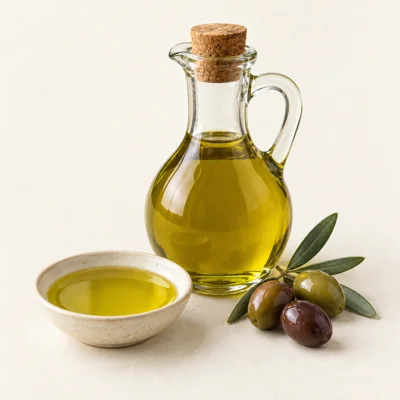 COOKING FATOlive oil
Frying, dressings, stews, baking and regional oil cultures
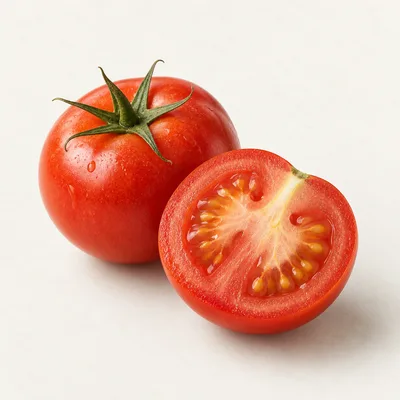 GARDEN FRUITTomato
Sofrito, gazpacho, sauces, salads and rubbed bread
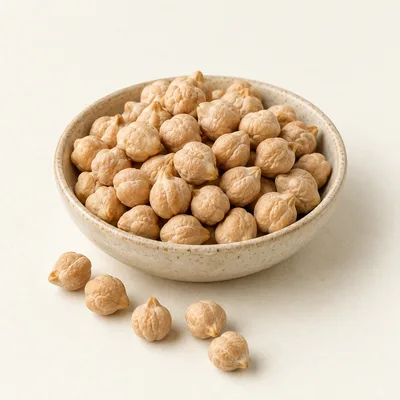 DRIED PULSEChickpea
Cocidos, potajes, salads and regional stews
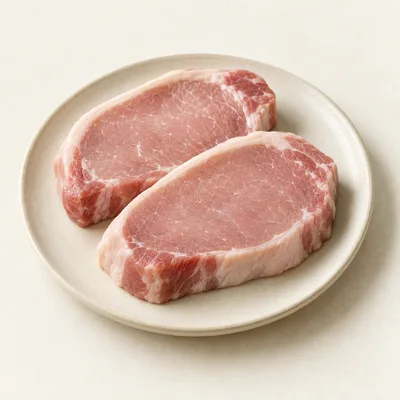 PRESERVED & FRESH MEATPork
Jamón, embutidos, roasts, stews and cooking fats
Paella names a Valencian tradition, not every pan of yellow rice. Rice variety, pan, stock, heat and local ingredients define specific Valencian preparations; seafood versions and mixed tourist forms belong to different histories. [9]
Preserved pork maps breed and landscape. Jamón and sausages differ by pig, feed, climate, curing place and protected designation, linking dehesa, mountain air and regional workshops to the finished slice. [8][10]
Tapas describes a way of ordering and socialising, not one category of recipe.
Names and portions change by city. A tapa, pintxo, ración or media ración can imply different size, service and local custom; moving between bars may be part of the experience rather than a single seated meal. [8][9]
Markets and producing towns add the missing origin story. Olive mills, fishing ports, cheese makers, vineyards and family workshops show why local dishes taste different even when their ingredient lists look familiar. [10][11]
Food-culture sources checked .
Tapas, pintxos and bread bases
Tapas and pintxos are small portions or accompaniments, but their components vary. Pintxo de tortilla has egg and commonly a wheat-bread base; pintxo de bacalao combines salted cod with bread. Ask whether the serving includes bread, mayonnaise, a spread or a garnish, and whether it was assembled on the same board or with the same utensils as other items.
Rice, noodles and broths
Rice dishes can carry ingredients beyond the grain. Arroz del Senyoret is recorded with shrimp and commonly fish stock; arroz negro may use fish stock and an allioli accompaniment; fideuà uses wheat noodles, with seafood and fish stock common in recorded versions. Ask which stock was used, what seafood is included and whether noodles share cooking water or utensils.
Fried and coated dishes
Coatings and sauces deserve a separate check. Boquerones fritos, pescaíto frito, berenjenas con miel and tortillitas de camarones commonly use wheat flour, while pavías de bacalao may also use egg in the batter. Ask what flour or breadcrumbs are used, whether the oil is shared, and whether the sauce or sweet topping is made in the same preparation area.
Regional sauces, stews and baking
Romesco may contain almonds or hazelnuts and bread; Catalan canelons can combine wheat pasta, béchamel, milk, butter and cheese. Galician empanada uses wheat pastry and often fish fillings, while Santiago cake centres on ground almonds and egg. Ask which regional version is being served and whether a picada, pastry wash, cream or decoration has been added.
Ingredients worth recognising
Start with these ingredients, then follow their names and recorded food connections. Check the recipe and product actually used.
Almond
Almond appears in ajoblanco, romesco, picadas and Santiago cake, in forms such as ground almond or a whole garnish. Ask whether almond is in the sauce, filling, topping or shared preparation, rather than relying on the dish name.
Bread
Bread may be a side, a wheat-based thickener or a base for a pintxo; some breads also contain egg, milk, sesame or soy ingredients. Ask what flour and enrichments are present, and whether crumbs or bread were added to sauces.
Egg
Egg is intrinsic to tortilla and appears in batters, pastry, custard, cake and some mayonnaise. Ask whether it is in the dish itself, a coating, allioli, mayonnaise, cream or garnish, and whether a substitute is actually used.
Butter
Butter is recorded in enriched breads, pastries, some cakes and Catalan béchamel-related preparations. Ask whether the fat is butter, whether milk-derived ingredients are also in the recipe, and whether the same tray or utensil is used for other pastries.
Wheat flour
Wheat flour is used in many breads, pastries, batters and sauces, including coca, fried fish coatings and some bacalao preparations. Ask whether flour is used for coating or thickening and whether wheat-based crumbs or bread are included.
Fish stock
Fish stock is recorded in arroz a banda, seafood soups, fideuà and several seafood stews. Ask what the stock contains, whether it is commercial or made in-house, and whether the same broth or ladle is used across dishes.
How food labelling works
EU food-information rules cover 14 allergen categories used as ingredients. On prepacked food, these must stand out in the ingredients list. The categories include gluten-containing cereals, crustaceans, eggs, fish, peanuts, soybeans, milk, specified nuts, celery, mustard, sesame, sulphites above the stated threshold, lupin and molluscs.
Allergen information is also required for food sold without prepacking, including restaurant meals. Ask how to obtain the information for the exact order. National arrangements affect how it is supplied; an ingredient declaration does not by itself describe shared equipment or handling.
If you avoid a food outside those categories, read the complete ingredients and name that food when speaking to staff. A short allergen key cannot answer every ingredient-specific question.
Language and communication
Spanish, also called Castilian, is Spain’s national language and the first language to use for a written explanation. State the ingredient to avoid, ask for the exact recipe, and request confirmation of stock, sauce, toppings, shared oil, utensils and cooking water. Dish names alone are not a complete request.
Catalan is spoken in Catalonia, the Balearic Islands and Valencia; Galician is used in Galicia and parts of western Asturias and León; Basque is used in the Basque Country and Navarre. In those regions, provide the same written explanation in the relevant local language where possible and ask staff to confirm the serving.
Eating in different settings
Tapas bar or pintxo counter
For a pintxo de tortilla, pintxo de bacalao or Gilda, ask for every component, including bread, mayonnaise, anchovy, egg and sauces. Check whether items are assembled on a shared board, handled with shared tongs or fried in the same oil as coated foods.
Fish and seafood restaurant
With arroz del Senyoret, fideuà, gambas al ajillo, vieiras or a Galician seafood soup, ask which fish, crustaceans or molluscs are present and whether fish stock is used. Confirm flour coatings, bread toppings, shared stock pots and shared serving utensils.
Bakery or pastry shop
Ask about the complete recipe for Santiago cake, empanada Gallega, coca, torrijas or pastry cream. Check wheat flour, egg, milk, butter, almond, sesame and soy ingredients, plus fillings, glazes and decorations. Ask whether the item was cut or displayed with shared equipment.
Packaged-food shop or accommodation
Read the full ingredients list for bread, breadcrumbs, chocolate, cured foods, olives, wine-based products and prepared stock. EU rules require specified allergens to stand out on prepacked labels, but ask about the exact product and avoid assuming an abbreviated allergen key covers every ingredient.
Before you travel
Review your personal plan
Discuss your travel plans with your clinician and keep your prescribed medicines and emergency instructions accessible. Tell companions where these are and how to follow your plan.
Check your medicines before entering Spain
Medicine rules and the legal status of medicines bought or prescribed in the UK can differ in Spain. Before travelling, check the Spain healthcare guidance and TravelHealthPro advice, and ask the relevant authority about any medicine import or documentation requirements.
Make the first meals easier to organise
Contact your accommodation and transport providers in advance. Save your written food list, menu questions and destination address offline. Check entry restrictions before packing backup food, and plan how you will check meals during arrival and onward journeys.
Plan access to medical help
For medically necessary state healthcare in Spain, UK visitors may need a GHIC or EHIC; eligibility and treatment details apply. These cards are not travel insurance. Public facilities may be more appropriate for hospital care, while private treatment may not accept the card, so check cover with your insurer or assistance provider.
Emergency resources
For a suspected severe allergic reaction, follow your prescribed emergency plan and seek urgent medical help. Give your exact location clearly.
Ambulance and urgent medical help
Dial 112 and ask for an ambulance.
Explore next
Your allergy in Spain
Choose a food concern for the country notes and questions relevant to it.
Dishes in Spain
Follow the ingredients and cuisine connections in individual dish records.
Your own food list
Combine allergy groups and individual ingredients in one guide, with local names where recorded.
Allergy cards
Prepare the information you need to explain your food requirements.
FAQs, sources and review dates
Could ajoblanco or romesco contain more than their main visible ingredients?
Yes. Recorded versions of ajoblanco use almond and commonly wheat-based bread, while romesco may use almond or hazelnut and bread. Ask whether the sauce contains nuts, bread or breadcrumbs, what thickens it, and whether it was made in a shared blender.
Is surimi the same as a whole fish?
No. Gulas are recorded as fish-based surimi, a processed paste, and surimi formulations may include egg white, wheat-derived ingredients or soy-derived ingredients. If you are checking a specific concern, ask to see the complete product ingredients rather than treating the name as a simple fish description.
Does tortilla always mean the same dish in Spain?
No. In Spain, tortilla de patatas is associated with egg and potato, while the name tortilla elsewhere may refer to something different. Ask what the exact tortilla contains, whether it has a bread base or garnish, and how it was cooked.
Sources checked: . This researched draft is awaiting editorial review. Practical questions apply the sources below to local food settings; they do not confirm any individual meal's ingredients or preparation.
Sources & references (11)
- FCDO · Spain health and medical assistance
Emergency contact details, local healthcare and medicine guidance. UK-specific eligibility does not apply to every visitor.
- Wikivoyage contributors · Spain
Community-edited culinary context only; not an allergy or medical authority. Brief food-context adaptations, CC BY-SA 4.0: https://creativecommons.org/licenses/by-sa/4.0/. Recipe questions also use PlateSafe’s draft records.
- FARE · Dining out
General recipe and preparation questions, applied here to country-specific food examples.
- FARE · Travelling with food allergies
General preparation, written communication and access to prescribed medicines. Not country-specific import permission.
- PlateSafe · Spain recorded food connections
Existing draft dish and ingredient records, used as examples to investigate. These are not independently verified recipes or suitability assessments.
- Unicode CLDR · Territory language data
Language suggestions. Regional language needs must be confirmed with the particular food provider.
- European Commission · Allergen information
Scoped allergen-labelling summary. Does not establish an individual meal’s ingredients or preparation.
- Spain.info — Food and wine tourism
- Spain.info — Regional cuisine in Spain
- Spain.info — Network of Gastronomic Villages
- FAO — Spain country profile