
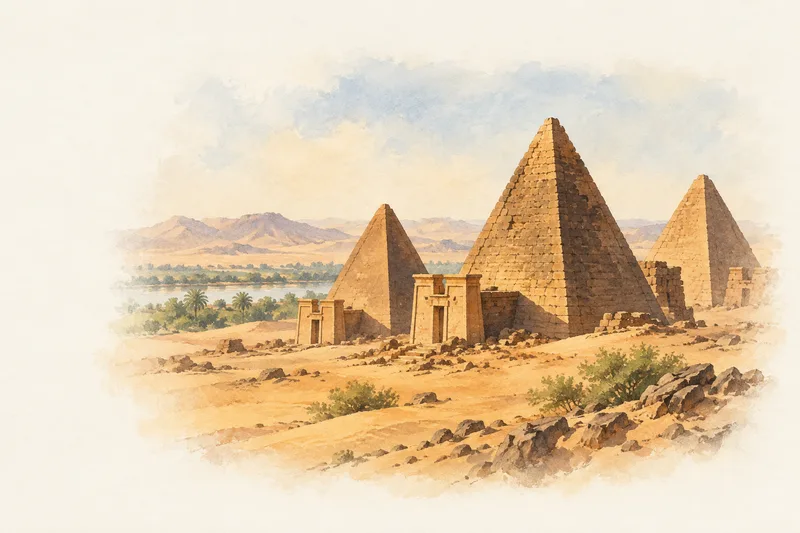
BEFORE YOUR FIRST MEAL
Navigating food allergies in Sudan
Sudanese meals may centre on beans, breads, grains, meat, fish, dairy or fresh produce, with recipes varying between households and regions. Foul, kissra, gurassa, aseeda and agashe are useful starting points, but names do not establish a complete recipe. Ask what is in the whole dish, including bread, broth, toppings, marinades, frying oil and finishing fats.
What to know first
Bread and porridge vary
Kissra may use durra or corn, while gurassa and some aseeda use wheat. Ask which flour was used rather than relying on the dish name.
Peanut seasoning matters
Agashe is recorded with ground peanuts and spices; peanut butter also appears in some Marara, Mullah Waika, Salata Aswad and soup preparations.
Explain the whole risk
Describe the ingredient to avoid and ask about the complete recipe, stock, sauce, garnish, shared utensils, shared oil and shared cooking water.
Watch finishing ingredients
Aseeda may be served with butter, fatta may be finished with ghee, and dairy-based Mullah Rob or yoghurt versions need their final additions checked.
Read the complete label
For packaged foods, read the full ingredient list every time and check named ingredients such as wheat, milk, egg, sesame, fish and peanut; no national labelling rule is assumed here.
Understanding the food
Sorghum, millet, wheat, sesame, groundnut, okra, pulses, dates, milk, meat and Nile or Red Sea fish vary across Nubian north, central riverlands, eastern communities, Kordofan and Darfur. The war that began in 2023 has devastated farms, markets and homes; it is necessary present context but must not replace the country’s agricultural and culinary knowledge.
River irrigation and rain-fed zones create different staple maps.
| Region or setting | Food system | Examples to understand |
|---|---|---|
| Nile north & Nubian communities | Irrigated wheat, dates, legumes and river agriculture | Flatbreads, stews, dates, pulses, fish and dairy |
| Khartoum, Gezira & central Nile | Urban exchange and irrigated sorghum, wheat, vegetables and sesame | Kisra, ful, ta’amiya, mulah, grilled meat and salads |
| Kordofan & Darfur | Millet, groundnut, gum-arabic belt and pastoral livelihoods | Millet asida, dried meat, dairy, okra sauces and groundnut |
| East & Red Sea | Pastoral Beja communities, ports, sesame and marine catch | Sorghum breads, milk, coffee, fish and Red Sea trade foods |
Sorghum and millet occupy different ecological centres. FAO identifies sorghum as a leading national staple in central clay plains, while millet is especially important across Kordofan and Darfur’s sandy soils. [8][9][10]
The Nile does not explain the whole country. Irrigated schemes produce wheat, vegetables, legumes and spice, while rain-fed farms, gum-arabic woodlands and mobile livestock systems support different foods and livelihoods. [8][10]
Fermented grain breads carry sesame, okra and pulse-based sauces.
Kisra, asida, porridges and fermented drinks
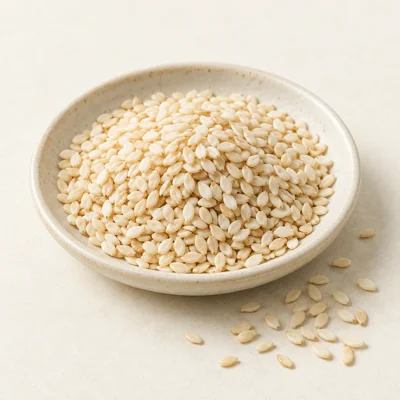 OILSEEDSesame
Oil, paste, sweets and seasoning across rain-fed regions
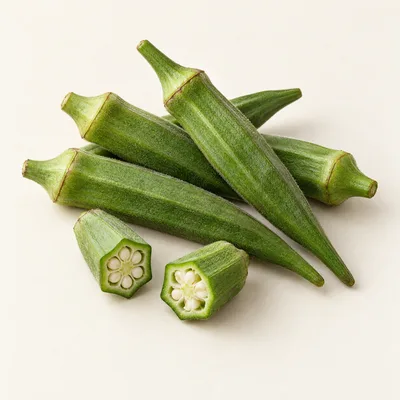 SAUCE VEGETABLEOkra
Fresh or dried to thicken mulah and other stews
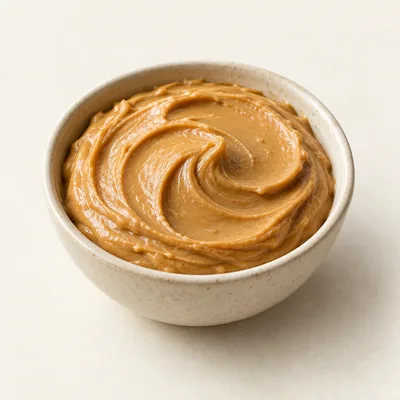 WESTERN CASH & FOOD CROPGroundnut
Sauces, snacks, oil and rural income
Kisra and asida provide different grain textures. Thin fermented sorghum sheets absorb sauce, while a thicker cooked porridge is shaped for eating with stews; flour blends and names vary between regions and households. [8][9]
Gum arabic is part of a living woodland economy. Acacia landscapes across central and western Sudan support millions of people and coexist with pastoralism and crops, although the gum itself is more visible in global processed foods than on a tourist plate. [8][10]
Shared trays and tea stalls survive through profound disruption.
Urban restaurant abundance is not evidence of national access. Displacement, market damage and interrupted farming now separate many households from familiar grain, oil, vegetables and cooking spaces. [7]
Keep community and region attached to the dish. Nubian, Beja, Darfuri, Kordofani and central riverine preparations overlap but arise from different crops, livestock systems, languages and histories. [8][10]
Food-culture sources checked .
Breads, grains and thick mixtures
Kissra may be made with durra or corn, gurassa with wheat flour, and aseeda with wheat, millet or corn. Gurassa Bil Damaa pairs thick unleavened wheat bread with meat stew or chicken. For each, ask which grain was used, whether wheat bread shares a surface with other foods, and whether stew or a finishing fat was added separately.
Beans, sauces and toppings
Foul, made from fava beans, is described as a common breakfast dish, but tahini may be an occasional topping for Ful Medames. Fatta may include wheat pita, ghee and sometimes tahini. Ask whether the beans or bread were cooked with stock, whether tahini is in the sauce, and whether toppings are added after serving.
Grilled meat and regional examples
Agashe is described as meat seasoned with ground peanuts and spices, then cooked on a grill or open flame. Eastern examples include lamb cooked over heated stones and a local sausage cooked similarly. At a grill, ask about the seasoning paste, marinade, cooking surface, basting liquid and shared utensils, rather than assuming plain meat is unseasoned.
Fish, dairy and sweet foods
Possible versions include fermented or dried fish dishes, Fish Mullah, yoghurt-based Mullah Rob, and sweets such as Basima, Gorayeba, Luqaimat and Zalabia. These may involve milk, egg, ghee, wheat and occasional sesame. Ask which version is being made and whether frying oil, icing, garnish or accompanying sauce changes the recipe.
Ingredients worth recognising
Start with these ingredients, then follow their names and recorded food connections. Check the recipe and product actually used.
Wheat flour
Wheat flour is recorded in gurassa, aseeda, Basima, Gorayeba, Luqaimat and Zalabia. Check breads, batters, pastry-like doughs and crumbs separately, and ask whether a stew or topping was served with wheat bread.
Peanut
Peanut is characteristic of agashe and appears in some Marara, Mullah Waika, Salata Aswad, Umfitit and Sudanese peanut soup connections. Ask about ground seasoning, peanut butter, garnishes and shared grinders or serving utensils.
Yogurt
Yoghurt forms Mullah Rob and appears in common Basima and Umfitit connections. Ask whether it is mixed into the dish, used as a topping or served alongside it, and whether another dairy ingredient was added.
Fish
Fish is the core recorded ingredient in Fish Mullah, while dried and fermented fish define Kajaik and Fasikh. Confirm the fish type and preparation, including sauces, stock, frying oil and any shared pan or serving tools.
Tahini
Tahini is sesame-derived and is recorded as an occasional topping or sauce in Ful Medames and Fatta. Ask whether it is mixed into the main dish, drizzled on top, or present in a separate dressing.
How food labelling works
A current, country-specific allergen-labelling summary for Sudan has not yet been verified for this guide. Do not transfer the list of regulated allergens or restaurant disclosure rules from your home country to this one.
Read the complete ingredients on the actual package and keep any local-language sticker with the original label. For imported products, compare the information on that pack rather than a photograph of the brand sold elsewhere. Ask the manufacturer or seller to clarify an unfamiliar term.
For loose food or meals prepared to order, ask who can check the recipe and the labels on bought-in ingredients. Explain every food you avoid, including ingredients outside familiar allergy groups; a short symbol chart may not cover your list.
Language and communication
Arabic is Sudan’s official language alongside English, and Sudanese Arabic is the local vernacular. Prepare a written explanation in Arabic, naming the ingredient and explaining the need to check the complete recipe, not merely the dish name. Ask the person taking the order to confirm the answer.
English is also an official language, but everyday Arabic varies by region. A written English explanation can support advance communication, while Arabic confirmation may still be needed with a cook, market seller or host. Treat dish names as recognition aids only, not as a complete allergy request.
Eating in different settings
Breakfast or bean counter
For foul or Ful Medames, ask whether tahini, stock, butter or another topping is included. Check the bread separately: ask whether it is kissra, gurassa or pita, which grain it contains, and whether the same serving spoon or bowl is used for other dishes.
Grill or meat market
When choosing meat for grilling, ask whether it will be seasoned as agashe, whether peanuts or peanut butter are in the spice mixture, and whether the grill, tongs, board or basting brush is shared. Confirm whether a sauce or bread will be served with it.
Bakery or sweet stall
For Basima, Gorayeba, Luqaimat or Zalabia, ask for the full flour, dairy and egg ingredients, plus any sesame garnish. Ask what oil is used for frying and whether the same trays, tongs or oil are used for different batches.
Restaurant, host or accommodation
For gurassa Bil Damaa, aseeda, Mullah Rob or fatta, explain the ingredient to avoid before cooking begins. Ask about the bread or grain, stew, broth, yoghurt, ghee, tahini and final garnish, and request confirmation of the complete assembled plate.
Before you travel
Review your personal plan
Discuss your travel plans with your clinician and keep your prescribed medicines and emergency instructions accessible. Tell companions where these are and how to follow your plan.
Check your medicines before entering Sudan
The legal status and regulation of some medicines prescribed or bought in the UK can differ in other countries. Read TravelHealthPro guidance on travelling with medicines. What import requirements apply to this medicine, and which relevant Sudanese authority can confirm them?
Make the first meals easier to organise
Contact your accommodation and transport providers in advance. Save your written food list, menu questions and destination address offline. Check entry restrictions before packing backup food, and plan how you will check meals during arrival and onward journeys.
Plan access to medical help
The official source reports that conflict has severely affected Sudanese health services, with facilities potentially unavailable, including hospitals for British nationals in Khartoum. It says facilities are limited and evacuation may be needed beyond basic treatment. Check current insurer arrangements, regional access and evacuation cover before travelling; contact the insurer promptly if referred for treatment.
Emergency resources
For a suspected severe allergic reaction, follow your prescribed emergency plan and seek urgent medical help. Give your exact location clearly.
Ambulance and urgent medical help
Request an ambulance on 999. Conflict has severely disrupted emergency response. Establish available hospital and transport options locally; if services cannot respond, assistance reaching care may be needed.
Explore next
Your allergy in Sudan
Choose a food concern for the country notes and questions relevant to it.
Dishes in Sudan
Follow the ingredients and cuisine connections in individual dish records.
Your own food list
Combine allergy groups and individual ingredients in one guide, with local names where recorded.
Allergy cards
Prepare the information you need to explain your food requirements.
FAQs, sources and review dates
Could plain agashe be suitable if I avoid peanuts?
Do not infer that from the name or appearance. The recorded connection makes peanut seasoning or coating characteristic, so ask what is in the spice mixture and whether the meat was marinated, basted or cooked with shared utensils. A separate sauce or bread may add further ingredients.
What should I ask about fish dishes?
For Fish Mullah, Fasikh or Kajaik, confirm whether the dish uses fresh, fermented or dried fish, then ask about the full sauce or broth. Check the pan, frying oil and serving tools, especially if another fish preparation or a seasoned meat dish is cooked nearby.
Is sesame only relevant when I order tahini?
No single dish name settles that question. Tahini is recorded in some Fatta and Ful Medames variations, while sesame is an occasional garnish or inclusion in Luqaimat and Taamiya. Ask about sauces, toppings, dough and final sprinkling, including whether sesame is added after cooking.
Sources checked: . This researched draft is awaiting editorial review. Practical questions apply the sources below to local food settings; they do not confirm any individual meal's ingredients or preparation.
Sources & references (10)
- FCDO · Sudan health and medical assistance
Emergency contact details, local healthcare and medicine guidance. UK-specific eligibility does not apply to every visitor.
- Wikivoyage contributors · Sudan
Community-edited culinary context only; not an allergy or medical authority. Brief food-context adaptations, CC BY-SA 4.0: https://creativecommons.org/licenses/by-sa/4.0/. Recipe questions also use PlateSafe’s draft records.
- FARE · Dining out
General recipe and preparation questions, applied here to country-specific food examples.
- FARE · Travelling with food allergies
General preparation, written communication and access to prescribed medicines. Not country-specific import permission.
- PlateSafe · Sudan recorded food connections
Existing draft dish and ingredient records, used as examples to investigate. These are not independently verified recipes or suitability assessments.
- Unicode CLDR · Territory language data
Language suggestions. Regional language needs must be confirmed with the particular food provider.
- FAO — Sudan country office and agrifood systems
- FAO — Sudan plant genetic resources country report
- FAO — Water for Agriculture and Energy: Sudan
- Sudan — Agriculture and livestock policy overview