

BEFORE YOUR FIRST MEAL
Navigating food allergies in Sweden
Swedish food often combines fish, meat, potatoes, bread and dairy, while sweet baking brings wheat, milk, egg and almond paste into view. A buffet or sandwich can contain several separate components, and familiar names do not settle the recipe. Check the complete dish, sauces, garnishes, stock, bread and preparation method, especially for gravlax, meatballs, smörgåstårta and seasonal pastries.
What to know first
Buffet composition
A smörgåsbord may move from herring and seafood through cold cuts, warm meat, sausages or meatballs, cheese and dessert. Ask about every serving and shared utensils.
Sauces and toppings
Swedish meatballs may arrive with potatoes, brown sauce and lingonberry jam; pytt i panna commonly has fried egg. Confirm the gravy, frying medium and additions separately.
Explain the whole meal
Describe the ingredient you avoid and ask for the complete recipe, including stock, sauce, garnish, bread, mayonnaise, toppings and shared oil or utensils, rather than naming one dish.
Preparation matters
For fried herring, raggmunk, or a sandwich, ask whether coating, butter, bread, filling and cooking surfaces are separate from other orders, and whether the recipe can be checked.
Read the label
For prepacked food in Sweden, EU allergen rules require 14 categories used as ingredients to stand out in the ingredients list; also read the full list for foods outside them.
Understanding the food
Rye, barley, potato, dairy, pork, herring, salmon, game, mushrooms and berries reflect preservation, season and a long north–south climate gradient. Smörgåsbord, meatballs and cinnamon buns are recognised nationally, but Gotland saffron, High Coast fermented herring, Skåne goose and Sámi reindeer knowledge belong to particular places and communities.
Latitude, coast and cultural landscape shape distinct regional repertoires.
| Region or community | Food landscape | Examples to understand |
|---|---|---|
| Skåne & the south | Fertile farms, pork, dairy, grain and proximity to Denmark | Goose, eel traditions, apple, rye bread and rich farm dishes |
| West coast & Bohuslän | Cold-water fisheries, islands and shellfish | Prawns, herring, mussels, oysters, crab and fish soup |
| Gotland & Baltic islands | Limestone soils, sheep, saffron baking and island fisheries | Lamb, saffranspannkaka, truffles, smoked fish and local grain |
| Norrland & Sápmi | Forest, river, reindeer-herding culture and short growing seasons | Reindeer, Arctic char, cloudberries, flatbread and preserved fish |
The High Coast preserves a recognisable grain-and-fish pairing. Visit Sweden links barley flatbread and fermented Baltic herring in surströmmingsklämma, a regional combination rather than a daily national meal. [8]
Sámi food must remain Sámi. Reindeer, fish, berries and land knowledge are tied to Indigenous livelihoods and seasonal practice; they should not be presented as anonymous northern Swedish ingredients. [9][10]
Storage crops and preserved fish bridge long winters and brief abundance.
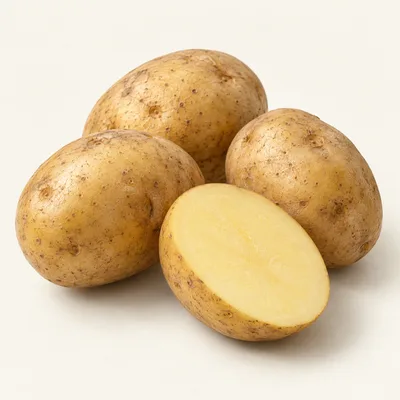 STORAGE CROPPotato
Boiled sides, gratins, dumplings and everyday meals
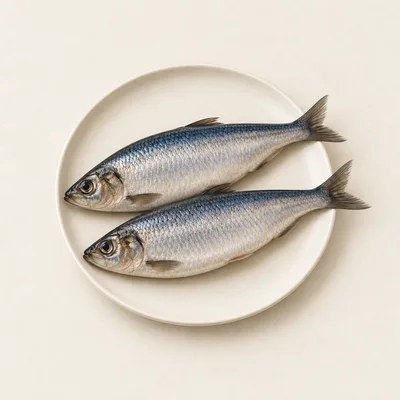 BALTIC FISHHerring
Pickled, fried, fermented or served on crispbread
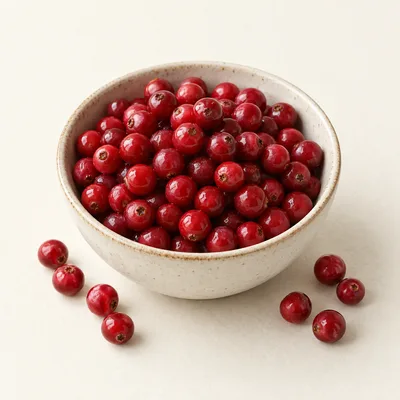 FOREST BERRYLingonberry
Preserves and sauces beside meat, porridge and pancakes
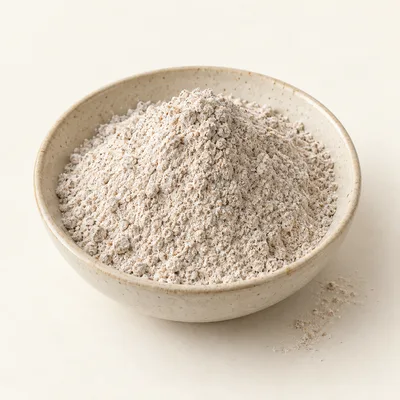 NORTHERN GRAINRye
Crispbread, loaves, sourdough and sandwich culture
Preservation creates categories, not one taste. Pickling, salting, smoking, drying and fermentation affect herring, salmon, meat, mushrooms and berries differently, with region and season determining the method. [8][9]
Fika is a social pause rather than a particular pastry. Coffee may be accompanied by cinnamon bun, biscuit, cake or open sandwich, but the shared break and repeated everyday rhythm give the practice meaning. [10]
Lunch special, market hall and destination restaurant occupy different parts of Swedish food life.
The dagens lunch is practical everyday dining. A fixed weekday lunch can include main dish, salad, bread and coffee, while celebratory smörgåsbord and tasting menus follow different rhythms. [9][10]
Foraging requires knowledge and access. Mushrooms and berries are central to regional stories, but species identification, land use and sustainable gathering matter more than treating the forest as a free pantry. [8][11]
Food-culture sources checked .
Buffets and layered meals
Smörgåsbord is described as a sequence of herring, seafood, cold cuts, warm meat, sausages or meatballs, cheese and dessert; julbord is its Christmas version. Treat each item as a separate recipe: ask about sauces, bread, garnishes, serving spoons and whether fish, egg, dairy or seafood fillings share utensils. Smörgåstårta is similarly variable, with bread layers and fillings that may include fish, egg, mayonnaise, cream cheese or prawns.
Fish, shellfish and creamy dishes
Herring appears pickled, fried, matjes-style or fermented, while salmon appears in gravlax and baked laxpudding. Toast Skagen and shrimp sandwiches combine wheat bread with prawns, mayonnaise, egg and sometimes roe. Ask which fish or shellfish is present, whether seafood stock is used, and what the sauce or garnish contains; do not treat “seafood” as a precise species description.
Grains, potatoes and frying
Pytt i panna is a fried mixture of diced meat, onion and potato, commonly accompanied by egg. Raggmunk is a potato pancake that may contain wheat flour, milk and sometimes egg; kroppkakor and palt are potato dumplings where flour and butter need checking. Ask what flour, crumbs, beer, butter or oil is used and whether the pan or fryer is shared.
Baking, puddings and regional examples
Bread ranges from wheat-based loaves to rye and mixed-grain formulations. Semla, cinnamon buns and princess cake bring enriched dough, dairy, egg and, in semla or marzipan, almond into question. Spettekaka is associated with Scania and is egg-structured, while palt is a northern example. Ask about fillings, coatings, bakery toppings and the exact regional recipe.
Ingredients worth recognising
Start with these ingredients, then follow their names and recorded food connections. Check the recipe and product actually used.
Bread
Bread may be wheat-based, rye-based or mixed grain; some commercial loaves include sesame, soy, egg or milk. Check the complete label and ask whether sandwich bread, toast or buffet bread is used in the dish.
Herring
Herring is the fish in pickled, matjes and fermented examples, and fried Baltic herring has a coating in the recorded recipe connection. Ask whether the preparation includes other fish, sauce, seasoning or shared serving utensils.
Egg
Egg appears in pancakes, baked custards, meat mixtures, mayonnaise, cake and sandwich toppings. Ask whether it is in the batter, binder, glaze, filling or garnish, and whether an apparently plain sauce contains mayonnaise.
Cream
Cream is recorded in dill sauce, Flygande Jakob, Jansson’s Temptation, soups, laxpudding, semla and pastries. Confirm whether it is in the main recipe, filling or sauce, and ask about milk-derived butter or cheese added separately.
Mustard
Mustard is recorded as an accompaniment to Swedish pea soup and sometimes with lutfisk. Ask whether it is served on the side or mixed into the dish, sauce or dressing, and request the product’s full ingredients.
Marzipan
Traditional marzipan contains almonds, and it is recorded in semla and Swedish princess cake connections. Ask whether almond paste or marzipan is in the filling, decoration or coating, and check the complete label for additional ingredients.
How food labelling works
EU food-information rules cover 14 allergen categories used as ingredients. On prepacked food, these must stand out in the ingredients list. The categories include gluten-containing cereals, crustaceans, eggs, fish, peanuts, soybeans, milk, specified nuts, celery, mustard, sesame, sulphites above the stated threshold, lupin and molluscs.
Allergen information is also required for food sold without prepacking, including restaurant meals. Ask how to obtain the information for the exact order. National arrangements affect how it is supplied; an ingredient declaration does not by itself describe shared equipment or handling.
If you avoid a food outside those categories, read the complete ingredients and name that food when speaking to staff. A short allergen key cannot answer every ingredient-specific question.
Language and communication
Swedish is Sweden’s national language and should be prioritised in a written food explanation. Use Swedish dish names such as gravlax, köttbullar, raggmunk and semla as recognition aids, then state the ingredients to avoid and the need to confirm the complete recipe, sauce, stock and preparation.
Finnish is the largest recognised minority language, while Sami is also recognised; this is relevant to language context rather than a reason to assume a particular service arrangement. If regional language use affects communication, show the same written explanation and ask staff to confirm each component, including shared oil, water and utensils.
Eating in different settings
Smörgåsbord or julbord
Point to each course and ask which items contain fish, shellfish, egg, milk, wheat, rye, mustard or another named ingredient. Ask whether serving spoons are shared between herring, seafood, meat and salads, and whether bread is placed directly beside other foods.
Gatukök or fast-food counter
For a tunnbrödrulle, hot dog, burger or shrimp-salad topping, ask about the wrap or bun, sausage, sauces, salad, mayonnaise and frying surface. Confirm whether chips or other items share oil, and whether toppings are added with separate utensils.
Bakery or café
For semla, cinnamon buns, princess cake, spettekaka or a sandwich, ask about wheat, egg, milk, butter, cream, almond paste, sesame and soy. Request the full recipe or label and ask whether decoration, fillings and display tongs are shared.
Supermarket or self-catering
Read the entire ingredients list on bread, breadcrumbs, beer, mayonnaise, broth, preserves and sweets. Ask a shop worker about an unclear term, then check sauces and stock separately when preparing meatballs, fish, soup or potato dishes in accommodation.
Before you travel
Review your personal plan
Discuss your travel plans with your clinician and keep your prescribed medicines and emergency instructions accessible. Tell companions where these are and how to follow your plan.
Check your medicines before entering Sweden
The legal status of medicines prescribed or bought in the UK can differ in Sweden. Read TravelHealthPro’s best-practice guidance before travelling and ask the relevant Swedish authority or your prescriber whether any medicine-import documentation is needed; do not stop or change prescribed medicine without professional advice.
Make the first meals easier to organise
Contact your accommodation and transport providers in advance. Save your written food list, menu questions and destination address offline. Check entry restrictions before packing backup food, and plan how you will check meals during arrival and onward journeys.
Plan access to medical help
For medically necessary state healthcare in Sweden, eligible UK visitors may need a GHIC or EHIC; NHS guidance explains eligibility, treatment scope and temporary cover. These cards are not travel insurance; check insurer cover for private, non-urgent or additional costs, and use the FCDO provider list when checking access to care.
Emergency resources
For a suspected severe allergic reaction, follow your prescribed emergency plan and seek urgent medical help. Give your exact location clearly.
Ambulance and urgent medical help
Dial 112 and ask for an ambulance. If you’re visiting remote areas, consider how easily you will be able to access emergency services.
Explore next
Your allergy in Sweden
Choose a food concern for the country notes and questions relevant to it.
Dishes in Sweden
Follow the ingredients and cuisine connections in individual dish records.
Your own food list
Combine allergy groups and individual ingredients in one guide, with local names where recorded.
Allergy cards
Prepare the information you need to explain your food requirements.
FAQs, sources and review dates
Could Swedish meatballs contain wheat or dairy?
The recorded example commonly uses wheat flour or wheat-based crumbs, egg and milk, cream or another dairy ingredient in the mixture or gravy. Ask about both the meatball and sauce, then check potatoes, jam, garnish, stock and the cooking pan rather than relying on the dish name.
Is a vegetarian label enough for a food allergy?
No. A vegetarian or vegan description does not answer every ingredient-specific question, and a dish may still contain a food you avoid through bread, mayonnaise, stock, mustard, toppings or shared preparation. Ask for the complete recipe and name the exact food, including an ingredient outside common allergen categories.
What should I ask about a shrimp sandwich?
Ask whether the sandwich contains prawns, fish roe, egg or mayonnaise, and what bread is used. Confirm every garnish and sauce, whether seafood stock or another filling is present, and whether the sandwich is assembled with utensils or surfaces also used for other seafood.
Sources checked: . This researched draft is awaiting editorial review. Practical questions apply the sources below to local food settings; they do not confirm any individual meal's ingredients or preparation.
Sources & references (11)
- FCDO · Sweden health and medical assistance
Emergency contact details, local healthcare and medicine guidance. UK-specific eligibility does not apply to every visitor.
- Wikivoyage contributors · Sweden
Community-edited culinary context only; not an allergy or medical authority. Brief food-context adaptations, CC BY-SA 4.0: https://creativecommons.org/licenses/by-sa/4.0/. Recipe questions also use PlateSafe’s draft records.
- FARE · Dining out
General recipe and preparation questions, applied here to country-specific food examples.
- FARE · Travelling with food allergies
General preparation, written communication and access to prescribed medicines. Not country-specific import permission.
- PlateSafe · Sweden recorded food connections
Existing draft dish and ingredient records, used as examples to investigate. These are not independently verified recipes or suitability assessments.
- Unicode CLDR · Territory language data
Language suggestions. Regional language needs must be confirmed with the particular food provider.
- European Commission · Allergen information
Scoped allergen-labelling summary. Does not establish an individual meal’s ingredients or preparation.
- Visit Sweden — Regional flavours of Sweden
- Visit Sweden — Food and drink
- Sweden.se — Food and drink in Sweden
- FAO — Sweden country profile