
BEFORE YOUR FIRST MEAL
Navigating food allergies in Taiwan
Taiwan’s food range includes noodle soups, rice dishes, stuffed buns, seafood snacks, sweets and night-market specialities. Recipes can vary by city, stall and cook: oyster omelette, gua bao, three-cup chicken and pineapple cake may involve several sauces, coatings or fillings. Treat a dish name as a starting point only, and check the complete recipe, preparation surface and toppings before ordering.
What to know first
Broths and sauces matter
Taiwanese beef noodle soup, braised pork rice and three-cup chicken may rely on soy sauce; ask whether the broth, marinade and finishing sauce are separate.
Street food has layers
Gua bao, oyster omelette and pepper buns combine wrappers, fillings, binders and toppings. Check each part, including preserved greens, sesame, peanuts and sauces.
Explain the exact concern
Prepare a written explanation in Traditional Chinese, and add Taiwanese or Hakka wording when relevant to the area. Ask staff to confirm the whole recipe.
Shared equipment needs checking
Ask whether food is fried in shared oil, cooked in shared water, or handled with shared utensils. This is especially relevant at night-market stalls and busy counters.
Read the complete pack
Taiwan’s prepacked-food rules cover eleven categories, including mango, sesame, soy, gluten-containing cereals, fish, crustaceans, milk, egg, peanut, tree nuts and sulphites; check the actual label.
Understanding the food
Rice, sweet potato, pork, soy, seafood, tea, fruit and preserved vegetables move through Hoklo, Hakka, mainlander, Indigenous and Japanese-colonial histories. Night markets make food unusually visible, but oyster omelette, beef noodles and bubble tea alone cannot explain Bunun millet, Hakka lei cha, Tainan sweetness or east-coast Amis gathering and fishing.
West-coast cities, mountain homelands and island counties sustain distinct foodways.
| Region or community setting | Food history | Examples to understand |
|---|---|---|
| Taipei, Keelung & north | National migration, port seafood and dense market culture | Beef noodles, dumplings, braised foods, seafood and night-market snacks |
| Hsinchu, Miaoli & Hakka areas | Hakka migration, preserved vegetables, tea and hill agriculture | Lei cha, rice noodles, pork with preserved mustard and mochi |
| Tainan, Kaohsiung & south | Older port cities, sugar history, warm-water fisheries and tropical crops | Milkfish, danzai noodles, savoury rice cakes, seafood and sweeter seasoning |
| East coast & Indigenous homelands | Amis, Bunun, Paiwan and other Indigenous food knowledge across coast and mountain | Millet, gathered greens, taro, game, river or sea foods and wild herbs |
Migration produced several overlapping Chinese regional traditions. Fujian-derived Taiwanese and Hakka food were joined after 1949 by cooks from many mainland provinces, then transformed through local ingredients and restaurant life. [9][8]
Indigenous cuisine is not a rustic preface to modern Taiwan. Millet, taro, gathering, fishing and hunting remain living knowledge among distinct peoples whose names and territories should accompany the dish. [11]
Rice, soy and seafood shift from breakfast shop to banquet and night stall.
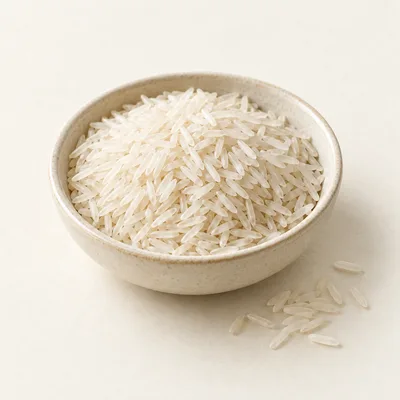 ISLAND STAPLERice
Bowls, congee, noodles, cakes, dumplings and festival foods
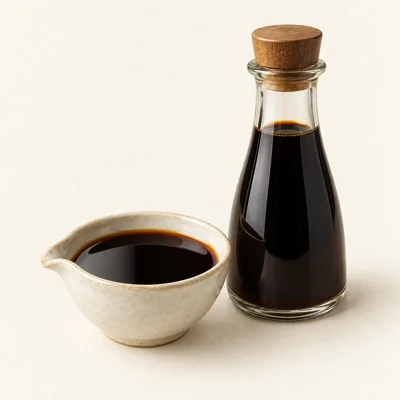 FERMENTED SEASONINGSoy sauce
Braises, marinades, dipping and regional craft production
Oolong traditions, everyday brewing, sweets and milk tea
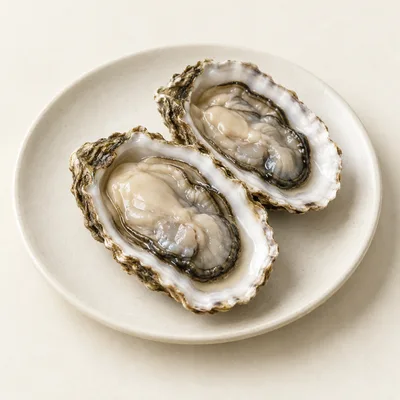 COASTAL SHELLFISHOyster
Omelettes, noodles, soups and quick-fried snacks
Night-market food is specialist food. A stall may repeat one batter, broth, braise or grill for years; the market gathers specialists rather than offering one generic category of street cuisine. [10][8]
Tea belongs to landscape and processing. Altitude, cultivar, oxidation and roasting distinguish high-mountain, Dong Ding, Oriental Beauty and other teas before modern milk-tea formats enter the story. [10][11]
Breakfast shop, night market, rechao and banquet hall follow different ordering logics.
Small plates may build the meal collectively. At a rechao restaurant, diners share fast-fried seafood, vegetables and meats with rice or beer, while a breakfast shop serves individual soy milk, breads and egg dishes. [8][9]
Ask for the local name and place. The same translated phrase can hide a Hakka preserve, Indigenous grain, temple snack or city-specific noodle; provenance is more useful than treating every item as simply Taiwanese. [11][10]
Food-culture sources checked .
Noodles, rice and broth
Taiwanese beef noodle soup has wheat noodles and soy sauce in the recorded example; Tainan eel noodles also combine wheat noodles, eel and soy sauce. Danzai noodles add shrimp, wheat noodles and seasoned broth. Ask whether noodles, stock, pickles and sauces are made separately, and whether a substitute changes the recipe.
Filled, battered and wrapped foods
Oyster omelette includes egg, while moon shrimp cake records wheat flour, egg and shrimp. Gua bao uses a wheat-flour bun, braised pork, preserved mustard greens and crushed peanuts. Coffin bread has a wheat-based bread shell. Confirm wrappers, binders, fillings, toppings and frying oil rather than relying on the dish name.
Rice dishes, tofu and shared pots
Braised pork rice and Taiwanese pork chop rice commonly use soy sauce, while Hakka lei cha rice may include tofu, sesame and peanuts. Taiwanese hot pot can include seafood, fish-based ingredients and tofu. Ask what is in the stock and dipping sauces, and whether ingredients share the same pot, ladle or cooking liquid.
Ingredients worth recognising
Start with these ingredients, then follow their names and recorded food connections. Check the recipe and product actually used.
Wheat flour
Wheat flour forms the wrappers or pastry in coffin bread, gua bao, pepper buns, pineapple cake and sun cake; it can also bind some fried foods. Ask whether coatings, fillings and sauces add further wheat, and distinguish wheat avoidance from coeliac disease or an IgE allergy.
Soy Sauce
Soy sauce seasons braised pork rice, beef noodle soup, three-cup chicken, tea eggs and many Hakka dishes. Its formulation commonly involves soybeans, while some formulations contain wheat. Ask for the exact sauce, including stock seasoning and any dipping sauce.
Egg
Egg is intrinsic to oyster omelette and iron egg, and may bind moon shrimp cake, pineapple cake, wheel cake or Taiwanese tempura. Ask whether batter, pastry glaze, fillings and shared griddles or fryers involve egg, even when it is not obvious from the name.
Shrimp
Shrimp appears in recorded versions of dànzai noodles, moon shrimp cake, oyster vermicelli-related preparations and Tainan shrimp roll; it is a crustacean. Ask whether dried shrimp, shrimp paste or stock is used, and whether the same oil or utensils handle other seafood.
Sesame Seed
Sesame can top pepper buns, flavour Hakka rice cake, coat Hakka mochi and form part of Hakka lei cha. Ask about sesame oil, paste and seed separately, including garnishes added after cooking and toppings kept at the counter.
Butter
Butter is recorded in pineapple cake pastry and some sun-cake formulations, making it a milk-derived ingredient. Ask whether pastry contains butter, milk or cream, whether fillings differ, and whether a bakery uses the same trays or brushes for other products.
How food labelling works
Taiwan’s prepacked-food rules cover eleven allergen categories: crustaceans, mango, peanut, sesame, milk and goat milk, egg, tree nuts, gluten-containing cereals, soy, fish and sulphites at the specified threshold. Mango is a useful reminder that national lists differ.
Read the full ingredients and allergen statement on the actual pack, including imported products. Ask about your precise ingredient when it falls outside the regulated categories, and check any warning about unintended presence.
For night-market food, bakery items or restaurant dishes, ask staff to check the recipe and labels on sauces, coatings and fillings. Packaged-food declarations do not establish how your individual order is prepared.
Language and communication
Prepare a written explanation first in Traditional Chinese, using the wording and characters staff in Taiwan recognise. Mandarin is the national lingua franca, while Taiwanese is widely used and may be more relevant in southern areas. Ask the person taking the order to read the full explanation before cooking.
Hakka is particularly relevant in the middle-elevation areas of Taoyuan, Hsinchu and Miaoli; Taiwanese is also used across the island, with regional differences. Names such as gua bao or beef noodle soup help identify a dish, but they are not a complete allergy request. Request confirmation of every ingredient.
Eating in different settings
Night-market stall
For oyster omelette, pepper bun or fried tofu, point through each component and ask about batter, fillings, toppings, shared oil and utensils. Ask whether sauce is added separately and whether the stall can prepare an order without the ingredient concerned.
Breakfast bar or noodle counter
With dànzai noodles, beef noodle soup or tea eggs, ask about wheat noodles, shrimp, soy sauce, broth and pickles. Confirm whether noodles share water, whether the broth is made from a premix, and whether a separate bowl changes any preparation step.
Bakery or pastry shop
For pineapple cake, sun cake, wheel cake or coffin bread, ask to see the complete ingredient information for pastry, filling, glaze and toppings. Check butter, milk, egg and wheat, plus shared trays, brushes and tongs used for other products.
Hot-pot or shared meal
Before choosing a Taiwanese hot pot or Hakka spread, ask what the stock, dipping sauces and ready-to-cook items contain. Confirm whether tofu, seafood, fish-based ingredients or noodles share the pot, ladle, cooking water or serving utensils.
Before you travel
Review your personal plan
Discuss your travel plans with your clinician and keep your prescribed medicines and emergency instructions accessible. Tell companions where these are and how to follow your plan.
Check your medicines before entering Taiwan
If bringing prescribed medicine into Taiwan, carry the prescription from your doctor, hospital or clinic showing that the medicine is for your personal use, and ensure the quantity matches it. Cannabis oil and cannabis-derived medication cannot be brought in, even if prescribed legally elsewhere. For a medicine’s status, check with the Taipei Representative Office in London.
Make the first meals easier to organise
Contact your accommodation and transport providers in advance. Save your written food list, menu questions and destination address offline. Check entry restrictions before packing backup food, and plan how you will check meals during arrival and onward journeys.
Plan access to medical help
Taiwan offers routine, emergency and outpatient healthcare, with hospitals operating on a pay-as-you-use basis; some staff may speak English. Ask your insurer what treatment and possible repatriation costs are covered, how payment works, and what to do if you are referred to a medical facility. Check the FCDO medical-provider information before travelling.
Emergency resources
For a suspected severe allergic reaction, follow your prescribed emergency plan and seek urgent medical help. Give your exact location clearly.
Ambulance and urgent medical help
Call 119 and ask for an ambulance. Unlike in the UK, an ambulance crew will not usually include a paramedic.
Explore next
Your allergy in Taiwan
Choose a food concern for the country notes and questions relevant to it.
Dishes in Taiwan
Follow the ingredients and cuisine connections in individual dish records.
Your own food list
Combine allergy groups and individual ingredients in one guide, with local names where recorded.
Allergy cards
Prepare the information you need to explain your food requirements.
FAQs, sources and review dates
Can I assume a rice dish is free from wheat?
No. Braised pork rice and turkey rice are recorded with soy sauce, and formulations vary. Ask about the sauce, stock, fried toppings and any seasoning packet. If wheat is the concern, ask specifically whether the soy sauce or another ingredient contains wheat, rather than treating rice as proof.
What should I ask about fruit preserves or vinegar?
The recorded ingredient notes say some fruit preserves and vinegars may contain sulphites, while formulations vary. Ask to see the product label or confirm the exact brand and ingredients. Generic terms such as preserve or vinegar do not identify the formulation well enough for a precise decision.
Is tofu pudding automatically suitable for a peanut concern?
No. Tofu pudding has a soy-based base, and peanuts are a recognised optional topping in some Taiwanese preparations. Ask whether peanuts, peanut syrup or a mixed topping are added, and request a clean serving utensil rather than inferring the answer from the dessert’s name.
Sources checked: . This researched draft is awaiting editorial review. Practical questions apply the sources below to local food settings; they do not confirm any individual meal's ingredients or preparation.
Sources & references (11)
- FCDO · Taiwan health and medical assistance
Emergency contact details, local healthcare and medicine guidance. UK-specific eligibility does not apply to every visitor.
- Wikivoyage contributors · Taiwan
Community-edited culinary context only; not an allergy or medical authority. Brief food-context adaptations, CC BY-SA 4.0: https://creativecommons.org/licenses/by-sa/4.0/. Recipe questions also use PlateSafe’s draft records.
- FARE · Dining out
General recipe and preparation questions, applied here to country-specific food examples.
- FARE · Travelling with food allergies
General preparation, written communication and access to prescribed medicines. Not country-specific import permission.
- PlateSafe · Taiwan recorded food connections
Existing draft dish and ingredient records, used as examples to investigate. These are not independently verified recipes or suitability assessments.
- Unicode CLDR · Territory language data
Language suggestions. Regional language needs must be confirmed with the particular food provider.
- Taiwan FDA · Food allergen labelling
Scoped allergen-labelling summary. Does not establish an individual meal’s ingredients or preparation.
- Taiwan Tourism Administration — Food
- Taiwan Tourism Administration — Gourmet cuisine
- Taiwan Tourism Administration — The Heart of Asia
- Taiwan Tourism Administration — Regional travel and food