
BEFORE YOUR FIRST MEAL
Navigating food allergies in Tajikistan
Tajikistan’s food combines rice-and-meat dishes, breads, dumplings, soups and dairy-based toppings. Recipes and preparation can vary between a Dushanbe restaurant, a market stall and a family table. A dish may be cooked in animal fat, finished with sour cream or served communally, so explain the ingredient you must avoid and check the complete preparation rather than relying on the dish name.
What to know first
Rice is not the whole osh story
Osh uses rice with beef or mutton and carrots, but ask which fat cooks the rice and whether meat or egg is added separately on top.
Bread and dough appear widely
Mantu, laghman, sambusa, chuchvara, non and qurutob can involve wheat-based dough, wrappers or torn flatbread; confirm the recipe before ordering.
Explain the complete meal
Ask about stock, sauces, toppings, frying fat, shared oil or water, utensils and the final garnish, especially when eating communal osh or qurutob.
Preparation changes the question
For grilled shashlik, soups, dumplings or pastries, ask how the item was cooked and whether the same surfaces, pans, oil or water handled other foods.
Read every available label
Read the complete ingredients and allergen information on the actual product. If you avoid a food that is not highlighted, ask the producer or food provider to check it specifically.
Understanding the food
Wheat, rice, carrot, onion, lamb, dairy, pulses, fruit and nuts connect Persianate food culture with Central Asian pastoral and Silk Road exchange. Dushanbe restaurants, fertile Sughd and Khatlon farms, Pamiri highlands and household dastarkhan meals should not be collapsed into one cauldron of plov.
Valley fertility and high-altitude constraint create different repertoires.
| Region | Food landscape | Examples to understand |
|---|---|---|
| Dushanbe & Hissar Valley | Capital exchange, irrigated farms and national restaurant culture | Plov, qurutob, kebab, soups, bread and market fruit |
| Sughd & the Fergana north | Orchards, grain, rice, market gardening and cross-border exchange | Plov, dried fruit, melons, noodles, samsa and sweets |
| Khatlon & southern valleys | Warmer irrigated fields, livestock and abundant produce | Rice, vegetables, lamb, yoghurt, flatbread and fruit |
| Gorno-Badakhshan & Pamirs | High-altitude barley, wheat, pulses, dairy and scarce fuel | Flatbread, thick soups, dried mulberries, apricot and fermented dairy |
Silk Road location is material, not decorative. Markets and kitchens combine irrigated rice and fruit with pastoral meat, wheat bread and techniques shared across Persian and Central Asian worlds. [7][8]
Mountain agriculture changes what is possible. Short seasons and altitude in the Pamirs favour hardy grains, pulses, dairy and dried fruit, while low valleys supply rice, vegetables and orchard crops. [9][10]
Rice, carrot, lamb and fruit move between feast and everyday hospitality.
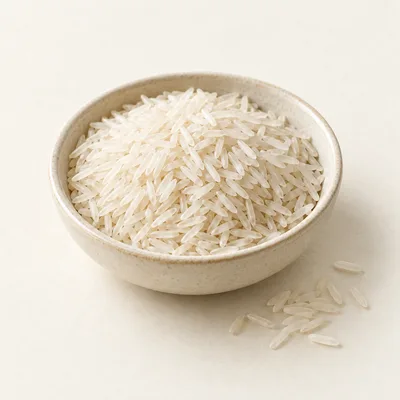 CELEBRATION GRAINRice
Layered with meat, carrot and onion for plov
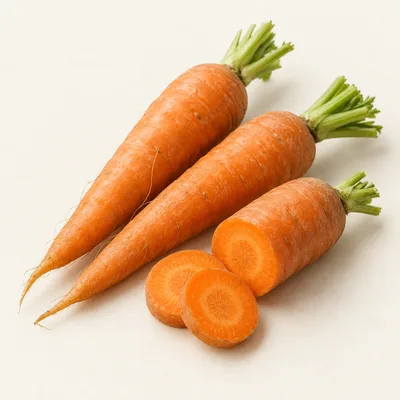 PLOV VEGETABLECarrot
Yellow or orange strips cooked into rice and oil
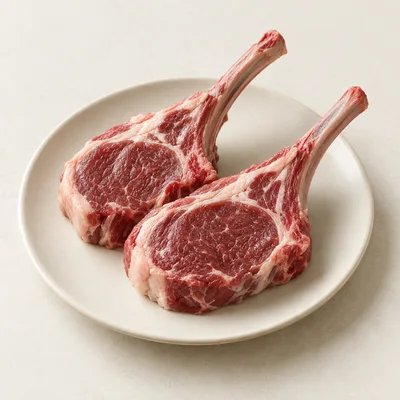 PASTORAL MEATLamb
Plov, kebabs, soups, dumplings and celebratory meals
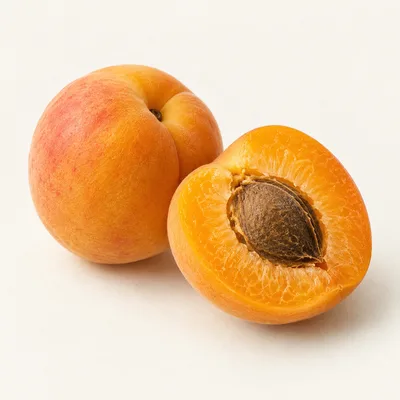 ORCHARD FRUITApricot
Fresh, dried, preserved or pressed into highland foods
Plov is public and domestic at once. Rice, meat, carrot and onion cook in a kazan, with oil, chickpea, dried fruit or spice changing by cook, region and occasion; large batches support weddings and communal events. [7]
Bread carries etiquette. Non is placed carefully, shared by hand and treated with respect at the dastarkhan, where tea, nuts, sweets and fruit may welcome a guest before the hot meal. [7][8]
Market, chaikhana and household dastarkhan reveal different kinds of hospitality.
Tea may begin and structure the visit. A teahouse offers more than a beverage stop: bread, salads, soup, kebab and conversation can unfold around repeated bowls or cups. [7][8]
Dried fruit connects season to distance. Apricot, mulberry, raisin and nut preserve orchard abundance for winter and mountain travel while remaining important gifts and market goods. [9][10]
Food-culture sources checked .
Rice, fat and communal osh
Osh, also called plov, combines rice, carrots and beef or mutton; the ingredients are fried in vegetable oil or mutton fat in a qazan. It may arrive as an individual portion or on one large shared plate. Ask whether the rice was cooked with animal fat, whether meat was added later, and whether serving spoons or plates are shared.
Dough, noodles and wrappers
Wheat-based foods are prominent: laghman uses wheat noodles, while mantu and chuchvara use dumpling wrappers. Sambusa is a baked pastry, and Tajik food also includes breads such as non, fatir, kulcha and qalama. Ask whether dough contains egg, which flour was used, and whether noodles share boiling water with other items.
Soups, grilled foods and stews
Laghman, tushbera, ugro and shurbo are soups or noodle-based dishes, alongside coal-grilled shashlik and damlama, a steamed meat-and-vegetable stew. Recipes can differ by cook. Ask about the broth, cream or cheese, basil, vegetables, marinade, cooking fat and whether meat was prepared on a shared grill.
Dairy toppings and meat-free dishes
Qurutob combines torn flatbread, vegetables and qurut in a yoghurt-like sauce, with fried onions or other vegetables on top. Mantu and dolma may be served with sour cream, while qurutob has no meat in the recorded description. Ask separately about dairy, bread, oil, toppings and shared serving utensils; do not infer suitability from a meat-free description.
Ingredients worth recognising
Start with these ingredients, then follow their names and recorded food connections. Check the recipe and product actually used.
Butter
Butter is recorded as a layering fat in fatir and katlama, and as a possible addition to shirchoy. Ask whether butter was used in the dough, between layers, in the drink or on the finished food, and whether another fat was also used.
Wheat flour
Wheat flour is recorded in atola, fatir, halvoi safed, katlama, kulcha, non, qurutob and sambusa. Ask which flour is in the dough or torn bread, and whether flour was added to a sauce, filling or sweet preparation.
Yogurt
Yoghurt is a common topping or sauce for mantu. Ask whether it is served separately or mixed through the dish, whether the topping is yoghurt or sour cream, and what was used in any accompanying sauce.
Egg
Egg is recorded in chuchvara dough and may be used in naryn noodles; egg whites are also noted for halvoi safed and are defining in nishallo. Ask about whole egg, egg white and shared utensils during preparation.
Sesame Seed
Sesame may top some non breads. Ask whether seeds were baked onto the bread, added after cooking or used on the same tray as other products. Check toppings on breads bought from counters or markets rather than relying on the bread’s name.
Vegetable Oil
Vegetable oil is recorded as a possible generic ingredient, while osh may use vegetable oil or mutton fat and qurutob may include fried onions. Ask what oil was used and whether the same oil or pan cooked other foods.
How food labelling works
A current, country-specific allergen-labelling summary for Tajikistan has not yet been verified for this guide. Do not transfer the list of regulated allergens or restaurant disclosure rules from your home country to this one.
Read the complete ingredients on the actual package and keep any local-language sticker with the original label. For imported products, compare the information on that pack rather than a photograph of the brand sold elsewhere. Ask the manufacturer or seller to clarify an unfamiliar term.
For loose food or meals prepared to order, ask who can check the recipe and the labels on bought-in ingredients. Explain every food you avoid, including ingredients outside familiar allergy groups; a short symbol chart may not cover your list.
Language and communication
Tajik is Tajikistan’s national and official language and is written in Cyrillic. Prepare a written explanation in Tajik that names the ingredient to avoid and asks about the whole recipe, stock, sauce, topping, oil, utensils and shared serving plate. Dish names help recognition but are not a complete allergy request.
Russian is widely used for communication, government and commerce, so a written Russian explanation may help when discussing packaged foods or preparation. Uzbek is spoken in northern parts of the country; where relevant, ask for confirmation in Uzbek. Regional language use and staff confirmation still matter.
Eating in different settings
Market bread and produce stall
For non, fatir, kulcha or sesame-topped bread, ask which flour, fat and toppings were used and whether items share a tray. For melons or watermelons, ask how the fruit was cut and whether the knife and board were clean for your order.
Restaurant serving osh or qurutob
Ask whether osh contains beef or mutton, which fat cooked the rice, and whether meat or egg is added at the end. For qurutob, check qurut, flatbread, fried onions, other vegetables, oil and the communal plate or serving utensil.
Dumpling, noodle or soup kitchen
Before ordering mantu, chuchvara, laghman, ugro or tushbera, ask about wheat flour, egg, dairy toppings, broth and cooking water. Ask whether noodles or dumplings are boiled in shared water and whether the sauce or garnish is prepared separately.
Packaged-food shop or accommodation
Read the complete ingredient list on packaged bread, sweets, noodles, dairy and cooking products. Ask someone to identify unfamiliar ingredients and check the preparation of any food made on site, including butter, milk, egg, wheat and sesame.
Before you travel
Review your personal plan
Discuss your travel plans with your clinician and keep your prescribed medicines and emergency instructions accessible. Tell companions where these are and how to follow your plan.
Check your medicines before entering Tajikistan
UK travellers should check a medicine’s legal status and availability before travelling, as rules may differ in Tajikistan. Ask a Tajik pharmacy in advance whether a UK prescription is accepted and whether a Russian or Tajik translation is needed. Check generic names and possible cash payment, and ask what to do if the medicine is unavailable.
Make the first meals easier to organise
Contact your accommodation and transport providers in advance. Save your written food list, menu questions and destination address offline. Check entry restrictions before packing backup food, and plan how you will check meals during arrival and onward journeys.
Plan access to medical help
Healthcare access and equipment vary, with facilities outside Dushanbe described as particularly basic; there is no reciprocal UK–Tajikistan healthcare agreement. Before travel, ask your insurer whether cover includes local treatment and unexpected medical evacuation, and check with an appropriate authority what care arrangements apply to your itinerary.
Emergency resources
For a suspected severe allergic reaction, follow your prescribed emergency plan and seek urgent medical help. Give your exact location clearly.
Ambulance and urgent medical help
Call 03 (or 103 from a mobile phone) and ask for an ambulance. The operator will likely only speak Tajik and Russian.
Explore next
Your allergy in Tajikistan
Choose a food concern for the country notes and questions relevant to it.
Dishes in Tajikistan
Follow the ingredients and cuisine connections in individual dish records.
Your own food list
Combine allergy groups and individual ingredients in one guide, with local names where recorded.
Allergy cards
Prepare the information you need to explain your food requirements.
FAQs, sources and review dates
Can I assume osh is suitable because it is rice-based?
No. The recorded osh preparation includes beef or mutton, carrots and rice cooked in vegetable oil or mutton fat, with meat or egg sometimes added separately. Ask about the cooking fat, additions, stock, serving plate and utensils, rather than judging the dish by its rice.
What should I ask about qurutob if I avoid dairy or wheat?
Ask whether the qurut is present in the sauce and whether the torn flatbread is wheat-based. Also check fried onions, other vegetables, oil and the communal plate. A description of qurutob as meat-free does not answer questions about milk-derived ingredients, flour or shared preparation.
Is sesame only relevant when it is visible on bread?
Not necessarily. Sesame is recorded as a possible topping on non, so ask whether it was added before or after baking and whether the same tray or utensils handled other foods. Check packaged bread and bakery items for a complete ingredient list instead of relying on appearance.
Sources checked: . This researched draft is awaiting editorial review. Practical questions apply the sources below to local food settings; they do not confirm any individual meal's ingredients or preparation.
Sources & references (10)
- FCDO · Tajikistan health and medical assistance
Emergency contact details, local healthcare and medicine guidance. UK-specific eligibility does not apply to every visitor.
- Wikivoyage contributors · Tajikistan
Community-edited culinary context only; not an allergy or medical authority. Brief food-context adaptations, CC BY-SA 4.0: https://creativecommons.org/licenses/by-sa/4.0/. Recipe questions also use PlateSafe’s draft records.
- FARE · Dining out
General recipe and preparation questions, applied here to country-specific food examples.
- FARE · Travelling with food allergies
General preparation, written communication and access to prescribed medicines. Not country-specific import permission.
- PlateSafe · Tajikistan recorded food connections
Existing draft dish and ingredient records, used as examples to investigate. These are not independently verified recipes or suitability assessments.
- Unicode CLDR · Territory language data
Language suggestions. Regional language needs must be confirmed with the particular food provider.
- Travel to Tajikistan — Food tourism
- Committee of Tourism Development — Travel Tajikistan
- FAO — Tajikistan country profile
- FAO — Tajikistan agriculture and food security