
BEFORE YOUR FIRST MEAL
Navigating food allergies in Tanzania
Tanzanian meals can combine a staple with a stew, fried street food, fresh dough or a spiced coastal dish. Recorded recipes show wheat, egg, fish, peanut and milk connections across familiar foods, while local versions vary. Ask about the complete recipe and preparation, especially at food stands, where shared oil, surfaces and utensils may affect an otherwise simple-looking order.
What to know first
Staples and stews
Ugali is made with corn flour and commonly accompanies cooked meat or stews; mtori combines beef and bananas, while mchicha may contain meat or fish.
Fried and filled foods
Chipsi mayai combines chips and egg. Chapati, mandazi, sambusa and Zanzibar pizza use wheat-based dough or wrappers, with fillings and enrichments varying.
Ask beyond the name
Ask whether the complete dish contains wheat, egg, peanut, fish, milk or yoghurt, and whether sauces, toppings, marinades or stock add anything separately.
Check preparation
For fried or grilled food, ask what oil, pan, grill, water and utensils are used, and whether they are shared with other dishes or batters.
Read the whole label
Read the complete ingredients and allergen information on the actual product. If you avoid a food that is not highlighted, ask the producer or food provider to check it specifically.
Understanding the food
Maize, cassava, banana, rice, beans, coconut, fish, beef, goat and leafy vegetables change across more than one hundred communities and radically different ecologies. Ugali is widespread, but Chagga banana dishes, Sukuma grain-and-cattle foodways, lake fish and coastal pilau belong to particular histories rather than one national recipe.
Mainland and island settings produce several distinct food economies.
| Region or setting | Food landscape | Examples to understand |
|---|---|---|
| Dar es Salaam & Swahili coast | Indian Ocean trade, fishing, coconut and urban migration | Pilau, biryani, cassava, grilled fish, mishkaki and maandazi |
| Zanzibar & Pemba | Spice cultivation, coconut, seafood and layered Indian Ocean histories | Octopus, pilau, urojo, coconut curries, cloves and market snacks |
| Northern highlands | Chagga banana-coffee farming, Maasai pastoralism and tourism | Banana stews, beans, meat, milk, maize and coffee |
| Lake & central regions | Victoria and Tanganyika fisheries, grain, cassava and cattle | Tilapia, dagaa, ugali, beans, greens and groundnut sauces |
The coast belongs to the Swahili world. Rice, coconut, spice and seafood reflect centuries of African, Arabian, Persian, South Asian and other Indian Ocean exchange, with Zanzibar retaining its own island histories. [7][10]
Agriculture and pastoralism overlap unevenly. Maize, cassava, banana and beans dominate different farming zones, while cattle, goats and milk carry distinct importance within pastoral and agro-pastoral communities. [8][9]
Firm maize ugali meets bean, leaf, meat, fish and coconut according to region.
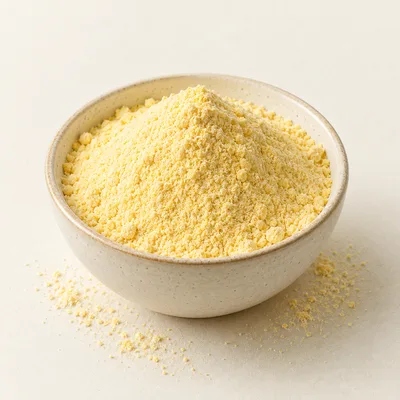 WIDESPREAD STAPLEMaize
Ugali, porridge, roasted cobs and fermented drinks
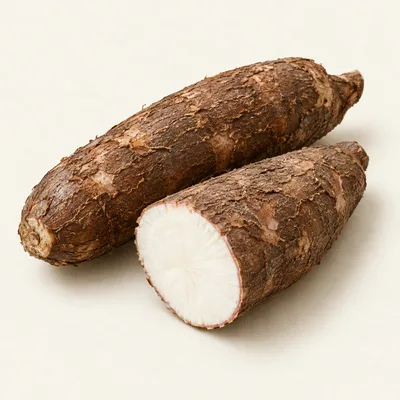 DROUGHT-TOLERANT ROOTCassava
Boiled root, flour, crisps and coastal street food
 COASTAL RICHNESSCoconut
Rice, curries, beans, fish and sweets
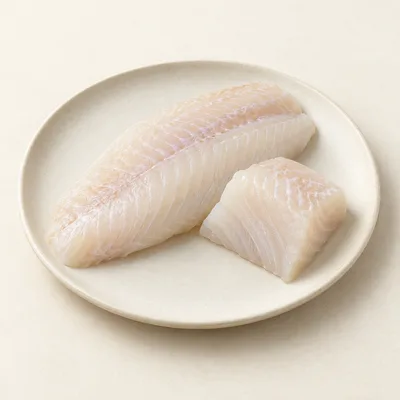 LAKE & OCEAN PROTEINFish
Fresh, smoked, dried, fried or simmered in sauce
Ugali is a texture and eating method as well as a starch. A firm portion is pinched and shaped to lift sauce or vegetables; maize is common, but cassava, millet or sorghum blends appear in different regions. [9][8]
Spice Island branding needs agricultural context. Clove, cinnamon, pepper and nutmeg are tied to plantation history and labour as well as aroma, while household Zanzibar cooking also depends on rice, coconut, fish and vegetables. [10][7]
Mama lishe stall, nyama choma garden and hotel buffet do not represent the same food world.
Everyday prepared-food businesses deserve attention. Small vendors serve rice, ugali, beans, greens, stews and fried snacks to workers and travellers, often showing local combinations more clearly than lodge menus. [7]
Community tourism should identify its hosts. A cooking visit is meaningful when it names the Chagga, Maasai, Swahili or other community, explains who controls the experience and avoids presenting people as a cultural display. [7][9]
Food-culture sources checked .
Staples with accompaniments
Ugali is described as a polenta-style corn-flour dish served with cooked meat and a variety of stews; recipes can differ from village to village. Ask what flour is used, what is mixed into the accompaniment, and whether a stew contains meat, fish, milk, peanut or a thickener. Do not treat the plain-sounding staple or its name as a complete recipe.
Doughs, wrappers and breakfast foods
Chapati uses wheat flour, while mandazi is a fresh sweet doughnut-style food and mahamri is another wheat-based dough. Some chapati and mandazi recipes may contain milk, dairy fat or egg, and sambusa and Zanzibar pizza wrappers contain wheat. Ask about the dough, filling, glaze, frying oil and shared preparation surfaces.
Street and fried dishes
Chipsi mayai combines chips with egg, and chips are also described as being cooked over a fire. Barbecued corn is another recorded street-food example. Ask whether chips are fried in vegetable oil or another fat, whether the oil is shared with battered foods, and whether pili pili or another sauce is added after cooking.
Coastal and South Asian connections
Samaki wa kuchoma and samaki wa kupaka are fish dishes, while dagaa wa kukaanga uses small fish. Zanzibar biryani may use yoghurt in a marinade or spiced sauce, and ghee is noted in South Asian cooking. Ask about marinades, sauces, toppings and cooking fats rather than relying on a regional or dish label.
Ingredients worth recognising
Start with these ingredients, then follow their names and recorded food connections. Check the recipe and product actually used.
Wheat flour
Wheat flour is recorded in chapati, kaimati, mahamri, sambusa, urojo and Zanzibar pizza. Ask whether it is in the dough, wrapper or soup thickener, and check coatings, fillings and shared flour surfaces.
Peanut
Peanut is a core ingredient in common kashata preparations, and ground peanut or peanut paste appears in some kisamvu recipes. Ask about sauces, stews, sweets and toppings, including whether paste is added during cooking.
Fish
Fish defines samaki wa kuchoma and samaki wa kupaka, while dagaa wa kukaanga uses small fish; some Zanzibar pizza versions also use fish or seafood. Ask which species or filling is present and whether stock or sauce contains fish.
Cow milk
Cow milk may enrich uji wa mtama, and milk or dairy fat can occur in some chapati and mandazi recipes. Ask whether milk is in the dough, porridge, tea or sauce, and whether dairy fat is used for cooking.
Egg
Egg is part of chipsi mayai and may bind katlesi, while it can enrich chapati, mandazi, mkate wa sinia, viazi vya karai and Zanzibar pizza. Ask about batter, dough, fillings and toppings, including boiled egg in urojo.
Coconut
Coconut milk may enrich some mandazi doughs, and coconut is recorded as an ingredient to check separately from milk. Ask whether coconut milk, cream or grated coconut is used in the dough, sauce, filling or topping.
How food labelling works
A current, country-specific allergen-labelling summary for Tanzania has not yet been verified for this guide. Do not transfer the list of regulated allergens or restaurant disclosure rules from your home country to this one.
Read the complete ingredients on the actual package and keep any local-language sticker with the original label. For imported products, compare the information on that pack rather than a photograph of the brand sold elsewhere. Ask the manufacturer or seller to clarify an unfamiliar term.
For loose food or meals prepared to order, ask who can check the recipe and the labels on bought-in ingredients. Explain every food you avoid, including ingredients outside familiar allergy groups; a short symbol chart may not cover your list.
Language and communication
Swahili (Kiswahili) is Tanzania’s dominant language of society and one of its official languages; English is also official but is described as more limited to commerce and higher education. Prepare a written explanation in both languages, naming the ingredients and preparation concerns clearly.
Tanzania has many languages associated with individual ethnic groups, but prioritise Swahili nationally rather than trying to list them all. Regional variation still matters: show the written explanation, ask the cook or seller to confirm the full recipe, and check again when travelling between areas.
Eating in different settings
Street-food stand
For chipsi mayai, chips, corn or a snack, ask what the batter contains, which oil or fat is used, and whether the pan, tongs and oil are shared. Ask for pili pili or other sauce separately so its ingredients can be checked.
Bakery or breakfast counter
When buying chapati, mandazi, mahamri, kaimati or sambusa, ask whether the dough contains egg, milk, dairy fat or coconut milk. For filled items, ask about the filling and coating, and whether items are fried in shared oil.
Restaurant or shared meal
With ugali, mtori, mchicha or Zanzibar biryani, ask for the complete recipe: flour, stew, meat or fish, marinade, yoghurt, peanut paste, stock and cooking fat. Confirm whether toppings and sauces are added after cooking.
Packaged-food shop
Read the entire ingredient list rather than relying on a front-of-pack description. Ask the seller or manufacturer about unclear terms, compound sauces, flavourings and shared production information, and keep the packaging available while checking the food.
Before you travel
Review your personal plan
Discuss your travel plans with your clinician and keep your prescribed medicines and emergency instructions accessible. Tell companions where these are and how to follow your plan.
Check your medicines before entering Tanzania
The official UK travel-health source says that the legal status and regulation of medicines prescribed or bought in the UK can differ in other countries. Before travelling to Tanzania, read the current TravelHealthPro guidance on travelling with medicines and check the status and regulation of your medicines.
Make the first meals easier to organise
Contact your accommodation and transport providers in advance. Save your written food list, menu questions and destination address offline. Check entry restrictions before packing backup food, and plan how you will check meals during arrival and onward journeys.
Plan access to medical help
Medical facilities in Tanzania are described as limited, especially outside Dar es Salaam. Ask your travel insurer what local treatment or medical-evacuation cover and arrangements apply, and contact it quickly if you’re referred to a medical facility; review the FCDO list of medical providers in Tanzania, where some staff may speak English.
Emergency resources
For a suspected severe allergic reaction, follow your prescribed emergency plan and seek urgent medical help. Give your exact location clearly.
Ambulance and urgent medical help
Call 112 and ask for an ambulance.
Explore next
Your allergy in Tanzania
Choose a food concern for the country notes and questions relevant to it.
Dishes in Tanzania
Follow the ingredients and cuisine connections in individual dish records.
Your own food list
Combine allergy groups and individual ingredients in one guide, with local names where recorded.
Allergy cards
Prepare the information you need to explain your food requirements.
FAQs, sources and review dates
Could a plain-looking Zanzibar pizza contain more than wheat?
Yes. The recorded wrapper is wheat-based, and egg is a common filling ingredient; some versions use seafood or fish instead of meat. Ask about the wrapper, filling, oil, sauces and toppings, and whether the order is cooked on a shared surface.
What should I ask about fish dishes?
Samaki wa kuchoma and samaki wa kupaka are defined by fish, while dagaa wa kukaanga uses small fish. Ask which fish is used, whether a marinade or sauce contains other ingredients, and whether the grill, pan or utensils are shared with other foods.
Is coconut the same as cow milk in these examples?
No. Coconut milk and cow milk are different ingredients. Coconut milk may enrich some mandazi doughs, while cow milk may appear in uji wa mtama and dairy may occur in some doughs. Ask specifically about coconut, cow milk, cream, yoghurt and dairy fat.
Sources checked: . This researched draft is awaiting editorial review. Practical questions apply the sources below to local food settings; they do not confirm any individual meal's ingredients or preparation.
Sources & references (10)
- FCDO · Tanzania health and medical assistance
Emergency contact details, local healthcare and medicine guidance. UK-specific eligibility does not apply to every visitor.
- Wikivoyage contributors · Tanzania
Community-edited culinary context only; not an allergy or medical authority. Brief food-context adaptations, CC BY-SA 4.0: https://creativecommons.org/licenses/by-sa/4.0/. Recipe questions also use PlateSafe’s draft records.
- FARE · Dining out
General recipe and preparation questions, applied here to country-specific food examples.
- FARE · Travelling with food allergies
General preparation, written communication and access to prescribed medicines. Not country-specific import permission.
- PlateSafe · Tanzania recorded food connections
Existing draft dish and ingredient records, used as examples to investigate. These are not independently verified recipes or suitability assessments.
- Unicode CLDR · Territory language data
Language suggestions. Regional language needs must be confirmed with the particular food provider.
- Tanzania Tourism Board — Culinary experiences
- FAO — Tanzania country profile
- FAO — Tanzania agriculture and food systems
- UNESCO — Stone Town of Zanzibar