

BEFORE YOUR FIRST MEAL
Navigating food allergies in Thailand
Thailand’s food varies from Bangkok-style stir-fries and noodle dishes to northern, southern and Isan preparations. A dish may combine a basic ingredient with a paste, broth, marinade, garnish or dipping sauce, so the name alone is not enough. Ask about the complete recipe, then check shared woks, oil, utensils and serving bowls, particularly at stalls and small restaurants.
What to know first
Salads and rice meals
Som tam may include roasted peanuts and fish sauce, while larb and sticky rice are separate parts of a meal. Ask what is mixed into the dressing and served alongside it.
Noodles and stir-fries
Pad Thai, pad see ew and bami dishes can involve egg, wheat-containing soy sauce, fish sauce, peanuts or seafood. Confirm the noodles, sauce, toppings and cooking surface together.
Explain the whole concern
Give a written explanation in Thai and English, naming the ingredient and asking for a complete recipe check. Ask staff to confirm rather than relying on a dish label.
Check preparation details
Ask whether the wok, pan, fryer, water, ladle and chopping board are shared, and whether a topping, marinade or dipping sauce is added after cooking.
Read packaged labels
For applicable prepacked foods, Thai FDA Notification 450 covers Thai-language labelling and distinguishes Contains or May contain wording. Read the whole label, including foods outside specified categories.
Understanding the food
Rice, fish sauce, fermented fish, shrimp paste, coconut, chilli, lime, tamarind, herbs and tropical produce change across regional and community repertoires. Street carts, rice-and-curry shops, specialist stalls, family tables and royal traditions all belong, while the same translated dish name can still hide a very different northern, Isaan, central or southern preparation.
Four regions, many local repertoires.
| Region | Recurring context | Examples to recognise |
|---|---|---|
| North | Mountain landscapes and cross-border influences | Herbs, forest ingredients, sausages, relishes and noodle dishes |
| Northeast · Isaan | Hot, salty and fermented flavours | Sticky rice, som tam, grilled meat and larb |
| Central | River plains and access to ingredients from across the country | Rice, curries, soups, stir-fries, snacks and desserts |
| South | Peninsular trade, coasts and tropical agriculture | Seafood, coconut, turmeric and assertive curries |
“Thai food” contains distinct regional traditions. The Thailand Foundation identifies northern, northeastern, central and southern repertoires shaped by geography, local ingredients and historical exchange. Royal cuisine and street food add further contexts rather than replacing those regional traditions. [8][9][11]
A famous national dish is not the whole picture. Pad Thai, tom yum, green curry and som tam are useful entry points, but local rice, noodles, relishes, salads, grilled foods and curries reveal a much broader catalogue. [9]
Flavour is built in layers.
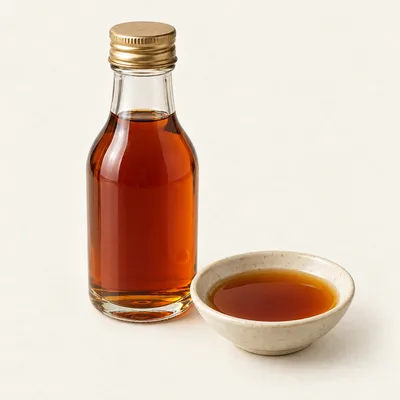 SEASONINGFish sauce
Salty fermented depth in many savoury dishes
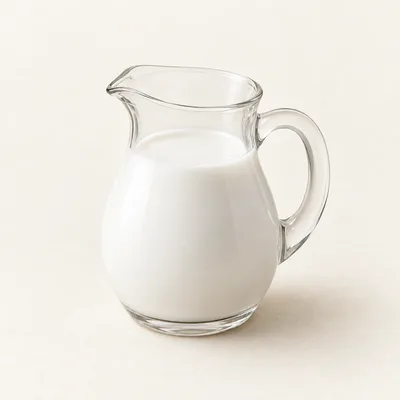 RICHNESSCoconut milk
Important in many curries, sweets and regional dishes
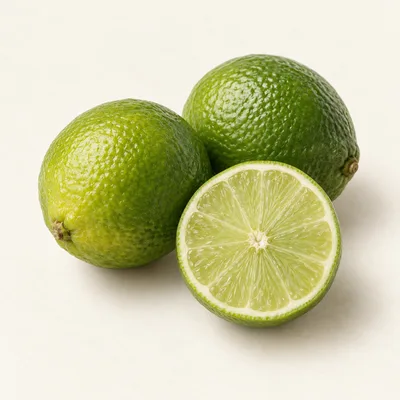 ACIDITYLime
Fresh sourness added during cooking or serving
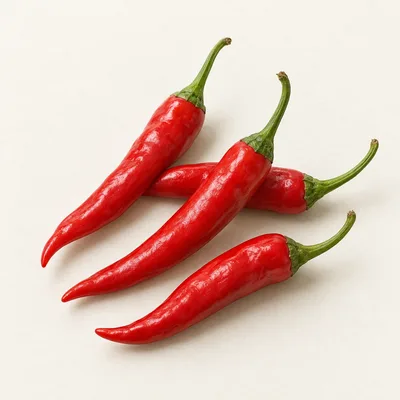 HEATChilli
Used fresh, dried, ground and in pastes
Balance does not mean every dish tastes the same. Sweet, sour, salty, bitter, aromatic and hot elements can be adjusted across a meal or within one preparation. Fish sauce, shrimp paste, lime, tamarind, palm sugar, coconut, herbs and chilli are useful components to recognise. [8][9]
Prepared pastes and condiments carry hidden complexity. A curry, dipping sauce or relish can combine many ingredients before it reaches the final dish. Ask about the paste, seasoning sauce and garnish as well as the obvious rice, noodle, meat or vegetable. [9]
Choose the stall or restaurant by what it does well.
Specialisation is common and useful. Tourism Authority of Thailand guidance distinguishes rice-and-curry shops, cooked-to-order restaurants, single-dish specialists and street carts alongside international and franchised restaurants. A shorter menu can make it clearer which preparation a cook repeats throughout the day. [10][11]
Street food and formal dining are both part of the culture. The setting changes how food is displayed, ordered and explained, not whether it is culturally meaningful. At a prepared-food counter, ingredients may already be combined; at a cooked-to-order shop, some components may be discussed before cooking begins. [8][10]
Food-culture sources checked .
Rice, noodles and wrappers
Rice appears in examples such as sticky rice with som tam or larb, fried rice and rice-based noodle meals. By contrast, bami and khao soi use egg noodles, while roti, salapao and spring rolls can use wheat flour. Ask whether noodles, wrappers or coatings are wheat-based, and whether soy sauce or another sauce has been added.
Curries, pastes and broths
Thai curry recipes differ by region and household. Chu chee pla, gaeng kua and southern gaeng som are recorded with fish or shrimp paste connections, while Isan gaeng om and bamboo-shoot curry may use fermented fish seasoning. Ask which paste went into the pot, whether stock or broth was bought in, and whether sauce is added separately.
Salads, relishes and shared additions
Som tam Thai is recorded with roasted peanuts and fish sauce; som tam Lao uses fermented fish sauce, and miang kham can contain peanuts and dried shrimp. Larb Isan, yam woon sen and yam som-o may also use fish sauce, peanuts or shrimp. Ask for the dressing and garnish to be identified before mixing.
Cooking methods and regional versions
The examples cover steaming in hor mok pla, frying in gai tod and pla tod, grilling in gai yang Isan, stir-frying in pad kra pao and braising in moo hong. A regional name can still cover variations: ask about marinades, coatings, curry paste, dipping sauce and shared oil rather than assuming the method gives the full recipe.
Ingredients worth recognising
Start with these ingredients, then follow their names and recorded food connections. Check the recipe and product actually used.
Wheat flour
Wheat flour is recorded in roti, salapao, spring-roll wrappers, fritter coatings and bami or khao soi noodles. Ask whether the named wrapper, batter or noodle is made with wheat, and whether a separate pan or water is used.
Egg
Egg is intrinsic to egg noodles and is recorded in pad Thai, fried rice, pad see ew, kai palo and steamed or fried dishes. Ask whether egg is mixed through the dish, used in a coating, or added as a topping.
Fish sauce
Fish sauce appears as seasoning in curries, soups, salads, marinades and noodle broths, including som tam, larb Isan and tom kha gai. Ask whether it is in the base, dressing or dipping sauce, including a sauce served separately.
Shrimp Paste
Shrimp paste is connected with several curry pastes, moo tod kapi, nam prik and southern or Isan preparations. Ask whether the paste was used, whether a bought-in paste contains shrimp, and whether the same spoon or mortar is shared.
Tofu
Tofu is central to the recorded ingredient and appears in preparations such as gaeng jued, tao hu song khreuang and yen ta fo. Ask whether it is fried in shared oil and whether the broth, sauce or fish cake contains other ingredients.
Yogurt
Yogurt may be used in the marinade or accompanying sauce for khao mok gai and khao mok nuea. Ask whether it is present in the meat marinade, rice-side sauce or garnish, and whether the recipe uses a dairy-based product.
How food labelling works
Thai FDA Notification 450 sets Thai-language labelling requirements for applicable prepacked food. It distinguishes allergens used as ingredients from possible contamination during production, with a visible Contains or May contain statement, or equivalent wording.
Specified categories include gluten-containing cereals, crustaceans, egg, fish, peanut, soy, milk, tree nuts and sulphites at the prescribed threshold. Some derivatives are exempt. Read the whole label for foods outside those categories and keep the original pack available when asking for clarification.
The notification has exceptions for several fresh-food and food-service situations. A hawker stall, restaurant meal or hotel dish should be checked directly with the person who can confirm its recipe, bought-in ingredients and preparation.
Language and communication
Thai is Thailand’s national language and the main language for a written food explanation. English can accompany it, but names and spellings vary between menus and signs. Give the explanation before ordering, then ask the person preparing the food to confirm the recipe, sauces and toppings rather than asking only for a dish name.
Malay dialects are spoken in the Muslim-dominated south, while Central Thai is the standard language taught nationally. In southern areas, regional language use may affect how well an explanation is understood. A written explanation in Thai remains useful, but staff still need to confirm the ingredients and preparation.
Eating in different settings
Street stall or market counter
For som tam, pad Thai or grilled meat, ask what is pounded, mixed or brushed into the order. Check fish sauce, shrimp paste, peanuts, egg and soy sauce, then ask whether the mortar, wok, oil and serving utensils are shared.
Noodle shop
With bami haeng, bami kiao, khao soi or a noodle soup, ask what the noodles and wonton wrappers contain. Confirm the broth, seasoning sauces, fried toppings, seafood fillings and whether noodles are cooked in shared water.
Curry or shared restaurant meal
Before ordering gaeng phet, panang, massaman, gaeng som or hor mok pla, ask which curry paste and stock are used. Request confirmation of fish sauce, shrimp paste, peanuts, egg and any sauce served at the table.
Bakery, snack counter or packaged-food shop
For roti mataba, salapao, pa thong ko, spring rolls or a prepacked snack, ask about wheat flour, egg, fillings, coating and frying oil. For packaged food, keep the original pack and read the complete Thai ingredient and warning information.
Before you travel
Review your personal plan
Discuss your travel plans with your clinician and keep your prescribed medicines and emergency instructions accessible. Tell companions where these are and how to follow your plan.
Check your medicines before entering Thailand
Medicines prescribed or bought in the UK can have different legal status in Thailand, although hospitals and pharmacies will usually accept UK prescriptions. Ask the relevant Thai authority about import and documentation requirements, and check TravelHealthPro’s best-practice guidance before travel.
Make the first meals easier to organise
Contact your accommodation and transport providers in advance. Save your written food list, menu questions and destination address offline. Check entry restrictions before packing backup food, and plan how you will check meals during arrival and onward journeys.
Plan access to medical help
All hospitals in Thailand require a guarantee of payment before treating patients, so make sure you have adequate health insurance. Private hospitals can be expensive, while public hospitals and clinics may not meet UK standards, particularly outside Bangkok. Ask your insurer about payment and coverage arrangements, and check the FCDO list of medical facilities before travel.
Emergency resources
For a suspected severe allergic reaction, follow your prescribed emergency plan and seek urgent medical help. Give your exact location clearly.
Ambulance and urgent medical help
Dial 191 and ask for an ambulance. Local number: 1669
Explore next
Your allergy in Thailand
Choose a food concern for the country notes and questions relevant to it.
Dishes in Thailand
Follow the ingredients and cuisine connections in individual dish records.
Your own food list
Combine allergy groups and individual ingredients in one guide, with local names where recorded.
Allergy cards
Prepare the information you need to explain your food requirements.
FAQs, sources and review dates
Is pad Thai simply rice noodles with vegetables?
The recorded Pad Thai connections include egg, peanuts, fish sauce and possible shrimp, with some versions using soy sauce. Ask which noodle is used, what is mixed into the wok, whether peanuts are added, and whether seafood or sauce is served separately.
What should I ask about vinegar?
Generic vinegar does not identify its source: some vinegars are malt-based, and some formulations may contain sulphites. Ask to see the bottle or full ingredient information, especially when vinegar is added to a dressing, dipping sauce or condiment tray.
Can a vegetarian or vegan label settle the recipe?
A label or sign is not a complete recipe. Ask whether the dish contains fish sauce, fermented fish, shrimp paste, egg, tofu, soy sauce or a shared sauce. For som tam, larb, curry and stir-fry examples, confirm every dressing and garnish.
Sources checked: . This researched draft is awaiting editorial review. Practical questions apply the sources below to local food settings; they do not confirm any individual meal's ingredients or preparation.
Sources & references (12)
- FCDO · Thailand health and medical assistance
Emergency contact details, local healthcare and medicine guidance. UK-specific eligibility does not apply to every visitor.
- Wikivoyage contributors · Thailand
Community-edited culinary context only; not an allergy or medical authority. Brief food-context adaptations, CC BY-SA 4.0: https://creativecommons.org/licenses/by-sa/4.0/. Recipe questions also use PlateSafe’s draft records.
- FARE · Dining out
General recipe and preparation questions, applied here to country-specific food examples.
- FARE · Travelling with food allergies
General preparation, written communication and access to prescribed medicines. Not country-specific import permission.
- PlateSafe · Thailand recorded food connections
Existing draft dish and ingredient records, used as examples to investigate. These are not independently verified recipes or suitability assessments.
- Unicode CLDR · Territory language data
Language suggestions. Regional language needs must be confirmed with the particular food provider.
- Thai FDA · Notification 450, prepackaged-food labels
Scoped allergen-labelling summary. Does not establish an individual meal’s ingredients or preparation.
- Thailand Foundation — Thai food
- Thailand Foundation — Secrets to Thai Cooking
- Tourism Authority of Thailand — Local food and restaurant formats
- Tourism Authority of Thailand — Thai Foodie Map
- FAO — Thailand country brief