

BEFORE YOUR FIRST MEAL
Navigating food allergies in Timor-Leste
Timor-Leste’s food landscape centres on rice and other filling staples, with fish, poultry, vegetables, spices and tropical fruit appearing in varied combinations. Fried fish and chicken curry are recognisable examples, while Dili also has Portuguese, Italian, Chinese, Japanese and Thai restaurants. Away from Dili, explain your requirements clearly and confirm the complete recipe, cooking liquid, seasoning, preparation method and any shared equipment before ordering or accepting food.
What to know first
Start with the complete dish
Rice, fish or curry describes only part of a meal. Ask about the full recipe, including spice mixtures, stock, sauce, garnish, topping and anything added after cooking. A familiar dish name is not a complete ingredient list.
Check how food is cooked
For fried fish or another fried item, ask which oil is used and whether the same oil, pan or utensils are used for other foods. Ask whether fish is coated, seasoned or served with a separately prepared sauce.
Explain before ordering
Prepare a written explanation in Tetum, and where useful Portuguese, naming the ingredient or ingredients you must avoid. Ask staff to repeat back what is included in the whole dish, including sauces, stock, garnish and cooking liquids.
Separate the preparation questions
Ask whether your portion is cooked with a shared pan, board, knife, oil or water, and whether a topping or sauce is added at the end. If food is prepared in stages, ask about each stage rather than only the final serving.
Read every packaged label
Read the complete ingredients and allergen information on the actual product. If you avoid a food that is not highlighted, ask the food provider or producer to check it specifically, without relying only on a product name or front label.
Understanding the food
Maize, rice, cassava, sweet potato, beans, pumpkin, leafy greens, tamarind, fish, pork and coffee carry Austronesian, Papuan, Portuguese and Indonesian histories through distinct municipal and language communities. Everyday scarcity and seasonal lean periods are part of the present food system, but they should not eclipse farming knowledge or ceremonial abundance.
Rain, altitude and road access strongly shape the household pantry.
| Region or setting | Food landscape | Examples to understand |
|---|---|---|
| Dili & north coast | Urban markets, dry climate, coastal fishing and imported rice | Rice plates, grilled fish, bakso, bread, cassava and coffee |
| Central highlands | Coffee shade forests, maize, beans and cooler mountain farms | Maize, beans, cassava, sweet potato, greens and coffee |
| Baucau, Viqueque & east | Rice valleys, maize uplands, fishing and diverse language communities | Rice, maize, fish, tamarind, pumpkin and legumes |
| Oecusse & south coast | Seasonal rivers, mixed gardens, livestock and cross-border exchange | Maize, cassava, beans, pork, fish and tropical fruit |
Maize and rice occupy different production systems. Maize is broadly grown in rain-fed uplands, while paddy depends on limited irrigable land and seasonal water; imported rice fills a substantial national supply gap. [8][9][10]
Coffee is a livelihood crop before it is a café identity. Highland households grow coffee under shade for cash, while food gardens and seasonal labour determine how export value relates to everyday meals. [7][9]
Maize, rice and roots rotate with the season rather than replacing one another.
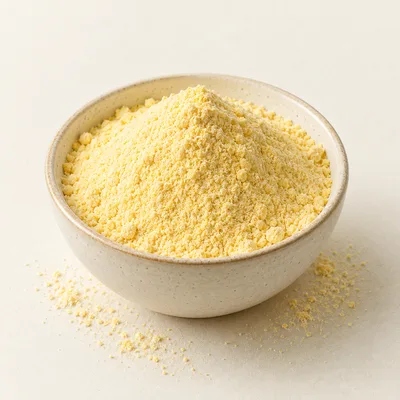 UPLAND STAPLEMaize
Boiled grain, porridge and mixed corn-bean dishes
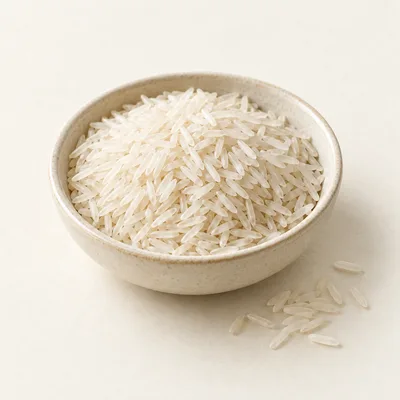 MARKET & IRRIGATED STAPLERice
Daily plates, festive meals and substantial imports
 HIGHLAND CASH CROPCoffee
Shade-grown beans, household income and local brewing
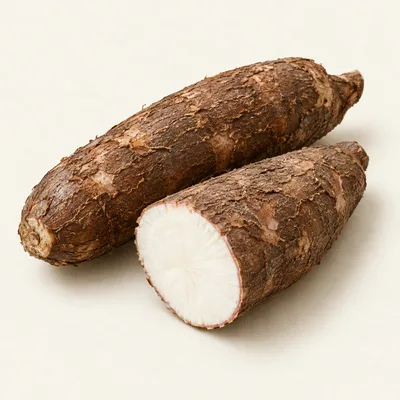 RESILIENCE ROOTCassava
Boiled, dried or used when grain stores run low
Batar da’an demonstrates mixed-crop logic. Maize, beans and pumpkin can cook together into a substantial dish whose exact proportions follow harvest, household and locality. [9][7]
Root crops bridge the hungry season. Cassava, sweet potato and taro provide energy when rice or maize stores are depleted, making crop diversity an everyday resilience strategy. [9][8]
Market lunch and ceremonial feast reflect different access to meat and rice.
Do not mistake a tourism meal for the daily baseline. Pork, chicken, abundant rice and multiple dishes may mark ceremony or hospitality, while household meals can be simpler and strongly seasonal. [7][8]
Local purchasing has a food-security dimension. Choosing municipal coffee, vegetables, roots and lawful local fish can connect visitor spending with producers, provided the supply chain and seller are identified. [7][10]
Food-culture sources checked .
Rice, grains and filling staples
Rice is described as Timor-Leste’s staple, while sago and other grains can form the main part of a meal; maize, cassava, taro and sweet potatoes are also recorded crops. Ask whether the grain or starch is plain, cooked in stock, mixed with another ingredient, or finished with oil, spice paste or sauce. Ask whether vegetables, meat or fish share the cooking liquid, pot or serving utensil. Do not assume a plain-sounding side has a simple recipe.
Fish, frying and seafood questions
Fish is an important accompaniment to meals, and fried fish is a popular example; prawns are also described as a delicacy. For ikan pepes and saboko, fish is identified as the core protein, but that does not establish every other ingredient. Ask what is wrapped, mixed or served with the fish, and check the frying oil, coating, shared equipment, cooking liquid and toppings. Confirm whether a separate portion is prepared from the beginning.
Curries and strongly seasoned dishes
Curries are described as standard dishes, with chicken curry noted as a favourite, and traditional recipes are described as using generous amounts of spices. Ask whether the curry contains a prepared paste, stock, tamarind paste, coconut or another finishing ingredient. Confirm whether rice and vegetables are cooked separately, and whether spice mixtures or sauces are added during or after cooking. Ask what is in any bought-in savoury filling rather than treating it as a single ingredient.
Produce and regional or menu variation
Recorded vegetables include beans, cabbage, cowpeas, onions and spinach; cultivated fruits include mangoes, watermelons, papayas, bananas and coconuts. A meal may combine a staple with vegetables, fish, poultry or fruit, but these examples do not establish one national recipe. In Dili, ask the individual restaurant about Portuguese, Italian, Chinese, Japanese or Thai dishes. Confirm the complete recipe, sauce, cooking liquid, separate portions and shared preparation rather than relying on a familiar menu description.
Ingredients worth recognising
Start with these ingredients, then follow their names and recorded food connections. Check the recipe and product actually used.
Fish
Fish may be served whole, filleted, fried, wrapped or incorporated into a mixed dish. Ask whether the fish is coated, marinated or seasoned, which oil or cooking liquid is used, and whether sauces, prawns or other seafood share the pan, utensils or serving area.
Coconut
Coconut may appear as flesh, milk, cream, water, oil or a grated topping, and its form can change the recipe. Ask whether it is in the curry, drink, sauce or garnish, when it was added, and whether the product contains anything besides coconut.
Rice
Rice may be served plain or cooked with stock, oil, spices, vegetables or other foods. Ask how the rice was prepared, whether the cooking water was shared, whether seasoning was added afterwards, and whether a topping, sauce or mixed filling is included.
Cassava
Cassava may be boiled, fried, baked or used in a mixed preparation. Ask whether it is served alone or combined with flour, spices, stock, oil or a savoury filling, and whether the pot, water, board and utensils were shared with other foods.
Tamarind paste
Tamarind paste may be used in a curry, sauce, marinade or seasoning, while a packaged version may contain more than tamarind. Ask for the complete product ingredients, how much was added, and whether the paste was used in the cooking liquid or served separately.
How food labelling works
A current, country-specific allergen-labelling summary for Timor-Leste has not yet been verified for this guide. Do not transfer the list of regulated allergens or restaurant disclosure rules from your home country to this one.
Read the complete ingredients on the actual package and keep any local-language sticker with the original label. For imported products, compare the information on that pack rather than a photograph of the brand sold elsewhere. Ask the manufacturer or seller to clarify an unfamiliar term.
For loose food or meals prepared to order, ask who can check the recipe and the labels on bought-in ingredients. Explain every food you avoid, including ingredients outside familiar allergy groups; a short symbol chart may not cover your list.
Language and communication
Tetum and Portuguese are Timor-Leste’s official languages. Prepare a written explanation in Tetum first, with Portuguese as an additional version where useful. Include the ingredients to avoid and the need to confirm the whole recipe, cooking method, oil, stock, sauce and toppings; ingredient names alone are only recognition aids.
Indonesian is widely spoken by adults and may help with communication, while English is more available in Dili than elsewhere. The country also has many indigenous languages, including Galole, Mambae and Kemak, spoken by significant numbers. Outside Dili, allow extra time for staff confirmation and use a written explanation rather than assuming a short spoken request is understood.
Eating in different settings
Dili restaurant
Dili restaurants may serve Portuguese, Italian, Chinese, Japanese or Thai food as well as local dishes. Ask the server to identify every ingredient in the complete dish, including curry paste, stock, oil, sauce and garnish. If the menu name is familiar, still ask how that kitchen prepares its version and whether a separate portion is possible.
Fried-fish counter or meal
When ordering fried fish, ask which oil is used, whether that oil is shared, and whether the fish is coated or seasoned before frying. Check whether prawns or another seafood item is cooked in the same oil or pan, and ask for confirmation about sauces, cooking liquid and toppings served alongside it.
Shared meal or accommodation kitchen
For a meal prepared by a host or in accommodation, show the written explanation before cooking starts. Ask whether rice, vegetables, fish or chicken are cooked with stock, spice paste, coconut or tamarind, and whether separate utensils, cooking water and oil can be used for your portion. Ask about shared boards and serving spoons too.
Packaged-food shop
For packaged tamarind paste, cooking oil or coconut products, read the complete ingredient list and identify the exact product rather than relying on a broad label. Check the named form and oil source, plus any other listed ingredients. If the label is unclear, ask a responsible seller to identify the contents without guessing.
Before you travel
Review your personal plan
Discuss your travel plans with your clinician and keep your prescribed medicines and emergency instructions accessible. Tell companions where these are and how to follow your plan.
Check your medicines before entering Timor-Leste
The legal status and regulation of some medicines prescribed or bought in the UK can differ in Timor-Leste. Before travelling, read TravelHealthPro’s best-practice advice and ask the relevant Timor-Leste authority what medicine-import requirements apply. What documentation, if any, is needed for your medicines?
Make the first meals easier to organise
Contact your accommodation and transport providers in advance. Save your written food list, menu questions and destination address offline. Check entry restrictions before packing backup food, and plan how you will check meals during arrival and onward journeys.
Plan access to medical help
Medical services in Timor-Leste are limited, particularly outside Dili. Official guidance says an emergency may require evacuation to Australia or Singapore, and evacuation can be difficult because flights from Timor-Leste are limited. Check that travel insurance covers treatment abroad and repatriation, and that you have accessible funds for those costs.
Emergency resources
For a suspected severe allergic reaction, follow your prescribed emergency plan and seek urgent medical help. Give your exact location clearly.
Ambulance and urgent medical help
Ambulance contacts are 110, +670 331 1044 and +670 723 3212. Response can be unreliable. Ask your accommodation or police for local alternatives and plan how to reach hospital.
Explore next
Your allergy in Timor-Leste
Choose a food concern for the country notes and questions relevant to it.
Dishes in Timor-Leste
Follow the ingredients and cuisine connections in individual dish records.
Your own food list
Combine allergy groups and individual ingredients in one guide, with local names where recorded.
Allergy cards
Prepare the information you need to explain your food requirements.
FAQs, sources and review dates
Can I assume ikan pepes or saboko is only fish?
No. Fish is identified as the core protein, not a complete recipe. Ask what else is wrapped, mixed in or served with it, including spice preparations, stock, oil, sauce and garnish. Also ask whether the fish is cooked with or beside another ingredient, and whether shared equipment is used.
What should I ask about cassava?
Ask whether the cassava is boiled, fried, baked or incorporated into another preparation. Confirm whether it is mixed with flour, spices, stock, oil or a savoury filling, and whether its cooking water, pan, board or utensils were shared. A reference to cassava alone does not describe the complete dish.
How should I approach coconut?
Coconut is a cultivated fruit and may be used in several forms, but that does not show that it is in every curry, drink, sauce or meal. Ask specifically whether coconut is present, which form is used, what else is in the product, and whether it was added during cooking or as a topping.
Sources checked: . This researched draft is awaiting editorial review. Practical questions apply the sources below to local food settings; they do not confirm any individual meal's ingredients or preparation.
Sources & references (10)
- FCDO · Timor-Leste health and medical assistance
Emergency contact details, local healthcare and medicine guidance. UK-specific eligibility does not apply to every visitor.
- Wikivoyage contributors · Timor-Leste
Community-edited culinary context only; not an allergy or medical authority. Brief food-context adaptations, CC BY-SA 4.0: https://creativecommons.org/licenses/by-sa/4.0/. Recipe questions also use PlateSafe’s draft records.
- FARE · Dining out
General recipe and preparation questions, applied here to country-specific food examples.
- FARE · Travelling with food allergies
General preparation, written communication and access to prescribed medicines. Not country-specific import permission.
- PlateSafe · Timor-Leste recorded food connections
Existing draft dish and ingredient records, used as examples to investigate. These are not independently verified recipes or suitability assessments.
- Unicode CLDR · Territory language data
Language suggestions. Regional language needs must be confirmed with the particular food provider.
- FAO — Timor-Leste country office
- FAO — Timor-Leste country brief
- FAO — Irrigation in Southern and Eastern Asia: Timor-Leste
- FAO AQUASTAT — Timor-Leste country profile