
BEFORE YOUR FIRST MEAL
Navigating food allergies in Tonga
Tonga’s food examples range from raw fish preparations and fish-centred leaf-wrapped dishes to wheat-based dumplings and cakes. Feasts may be arranged by tour companies or hotels, particularly on Tongatapu and in Vavaʻu. For any meal, discuss the complete recipe, marinades, fillings, cooking surfaces and serving utensils before ordering, rather than relying on a dish name alone.
What to know first
Raw and wrapped dishes differ
Ota Ika is defined by raw fish, while Lu Ika centres on fish in a leaf-wrapped preparation. Ask separately about marinades, fillings and handling.
Wheat appears in several examples
Faikakai and Topai use wheat flour for dumplings, while Keke Tonga uses it in cake batter. Check dough, crumbs, shared surfaces and accompanying sauces.
Confirm each answer clearly
Explain the ingredient or reaction you need to avoid in Tongan and English, then ask the question again in a different way if the reply is uncertain.
Ask about preparation, not names
Check whether fish is raw, cooked or marinated; whether Lu Ika contains other fillings; and whether doughs, cakes or toppings were prepared with shared utensils.
Read complete ingredient lists
For packaged food, read the full ingredient list each time. Do not assume a familiar product, dish name or dietary description gives enough information about its contents.
Understanding the food
Yam, taro, cassava, sweet potato, breadfruit, coconut, banana, fish, octopus, pork and imported corned beef move between household meals, Sunday umu and ceremonial pola. Tongatapu’s markets, Vavaʻu fisheries, Haʻapai gardens and ʻEua landscapes share national customs while retaining different access and supply.
Island group and transport access change the balance between garden, sea and imported food.
| Island group or setting | Food landscape | Examples to understand |
|---|---|---|
| Tongatapu & Nukuʻalofa | Largest markets, institutions, imports and ceremonial demand | Umu foods, lu pulu, ʻota ʻika, pork, yam and café meals |
| Vavaʻu | Deep-water harbour, fisheries, gardens and yachting tourism | Fish, octopus, lobster, root crops, coconut and fruit |
| Haʻapai | Small coral islands, fishing and household root-crop gardens | Taro, yam, cassava, reef fish, coconut and breadfruit |
| ʻEua & outer islands | Distinct soils, forest, difficult freight and community supply | Root crops, pork, fish, fruit and earth-oven meals |
Root crops remain agricultural and ceremonial wealth. Tonga maintains many named yam and taro cultivars, while yam, taro, cassava and sweet potato support household food, gifting and export. [9][10]
Feasting is a social institution. Food arranged on plaited coconut-frond pola can include many dishes, expressing collective labour, status, church and family obligation rather than ordinary portion size. [7]
Leaf parcels and the underground oven combine root, coconut and meat.
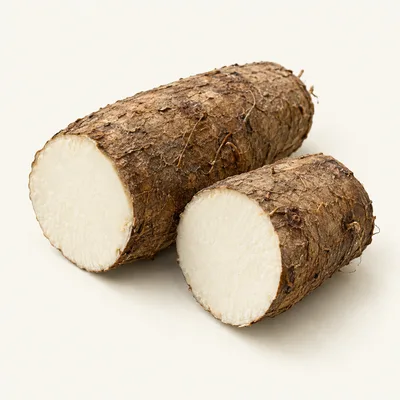 PRESTIGE ROOT CROPYam
Boiled, baked and presented at feasts or exchanges
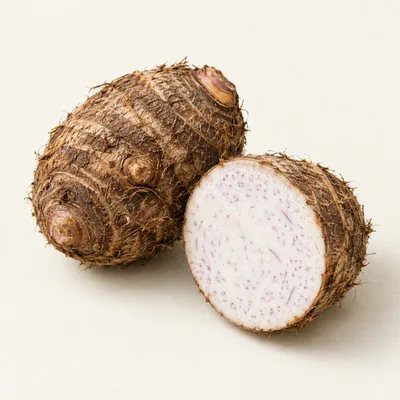 LEAF & CORMTaro
Umu-cooked root and leaves wrapped around coconut-rich fillings
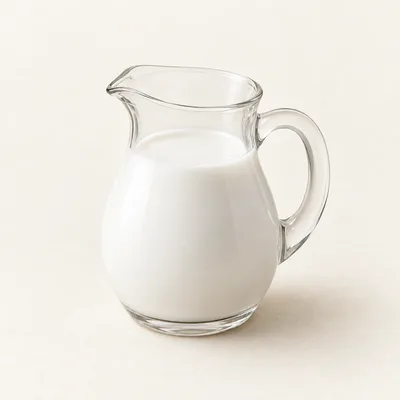 PACIFIC RICHNESSCoconut cream
Lu, ʻota, octopus sauce, puddings and root crops
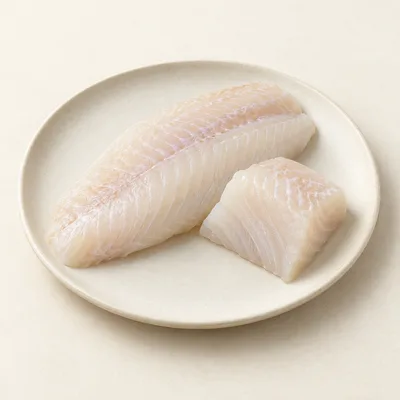 REEF & OCEAN FOODFish
Raw with citrus and coconut, grilled or earth-oven cooked
Lu pulu reflects both local method and imported meat. Taro leaves enclose corned beef, onion and coconut milk before umu baking; the canned filling records colonial and trade-era change within a Tongan technique. [7]
ʻOta ʻika depends on freshness and sequence. Raw fish is cut and combined with citrus and coconut cream, with onion, chilli or vegetables changing by cook; it belongs to a wider Pacific family of preparations. [7]
Sunday feast, fish market and hotel dining occupy different social worlds.
The umu is shared labour. Preparing leaves, roots, meat, fire and stones takes coordination, and the meal after church or at ceremony expresses relationships beyond the final plate. [7][8]
Seafood should be tied to place and lawful harvest. Markets in Nukuʻalofa and Vavaʻu display changing fish and shellfish; ask what was landed, where and in season rather than expecting every delicacy year-round. [8][10]
Food-culture sources checked .
Raw fish and marinades
Ota Ika, also recorded as Ota Ika in the food examples, is centred on raw fish. Ask which fish is used, what the marinade contains, and whether it was mixed in a bowl or handled with utensils also used for other foods. Confirm whether any topping, dressing or garnish is added after marinating, rather than treating the name as a complete recipe.
Leaf-wrapped fish and meat-style questions
Lu Ika is described through its fish filling and leaf-wrapped format. Ask what else is inside the parcel, whether the leaves are used only for wrapping, and how the parcel is cooked. If a feast offers several fillings, confirm that the serving spoon, preparation surface and cooking vessel have not been shared with a food you need to avoid.
Doughs, cakes and feast service
Faikakai and Topai are wheat-flour dumpling examples, while Keke Tonga is a wheat-flour cake example commonly connected with butter and egg. Ask whether the recipe is made from scratch, what fat is used, and whether toppings or sauces are added. At a feast or hotel event, check how portions are plated and whether crumbs or utensils are shared.
Ingredients worth recognising
Start with these ingredients, then follow their names and recorded food connections. Check the recipe and product actually used.
Wheat flour
Wheat flour is recorded in Faikakai and Topai as a structural ingredient, and in Keke Tonga batter. Ask whether it appears in dough, cake, coating, sauce or crumbs, and whether preparation shares boards or utensils.
Butter
Butter is recorded as a common dairy fat in Keke Tonga. Ask whether the cake uses butter, what fat is used for greasing or cooking, and whether a topping or filling adds another dairy ingredient.
Egg
Egg is recorded as a common binding and enriching ingredient in Keke Tonga. Ask whether it is in the batter, glaze or filling, and whether the same whisk, bowl or baking tray is used for other foods.
Fish
Fish is the central protein recorded for Lu Ika, while Ota Ika is defined by raw fish. Ask which fish is present, whether it is raw or cooked, and what marinade or filling accompanies it.
Raw Fish
Raw fish is specifically recorded for Ota Ika. Ask how it was handled, what liquid or seasoning was added, and whether knives, boards, bowls or serving utensils were also used for other ingredients.
How food labelling works
A current, country-specific allergen-labelling summary for Tonga has not yet been verified for this guide. Do not transfer the list of regulated allergens or restaurant disclosure rules from your home country to this one.
Read the complete ingredients on the actual package and keep any local-language sticker with the original label. For imported products, compare the information on that pack rather than a photograph of the brand sold elsewhere. Ask the manufacturer or seller to clarify an unfamiliar term.
For loose food or meals prepared to order, ask who can check the recipe and the labels on bought-in ingredients. Explain every food you avoid, including ingredients outside familiar allergy groups; a short symbol chart may not cover your list.
Language and communication
Prepare a written explanation in Tongan and English before travelling, naming the ingredient or ingredients to avoid and the questions you need answered about a complete recipe. Include raw or cooked fish, dough, butter, egg, marinades, toppings and shared utensils where relevant. Names help recognition but are not a complete request.
Use Tongan first when that is the language used for the conversation, with English as the other official language. Ask for confirmation of each ingredient and preparation step, especially at a busy feast or when regional wording differs. If an answer remains unclear, ask another responsible person rather than treating an uncertain reply as confirmation.
Eating in different settings
Feast or hotel event
Ask the organiser or cook what is in each dish before taking a portion. For Ota Ika and Lu Ika, confirm fish type, raw or cooked handling, marinades, fillings and serving utensils. Ask whether wheat-based dumplings or Keke Tonga are prepared or plated nearby.
Tour-organised feast
Before the event, send a written explanation in Tongan and English and ask whether a complete recipe can be checked. On arrival, confirm the answer with the person serving your plate, including shared ladles, boards, cooking vessels, sauces and garnishes.
Local food counter or market
Point to the exact item and ask what ingredients and seasonings were used, rather than asking only whether it is suitable. For fish, ask whether it is Ota Ika-style raw fish or a cooked preparation, and how it was handled.
Bakery or packaged-food shop
For Keke Tonga, Faikakai or Topai, ask whether wheat flour, butter or egg is present and whether toppings alter the recipe. For packaged goods, read the complete ingredient list and check the product label each time before buying.
Before you travel
Review your personal plan
Discuss your travel plans with your clinician and keep your prescribed medicines and emergency instructions accessible. Tell companions where these are and how to follow your plan.
Check your medicines before entering Tonga
Some medicines prescribed or bought in the UK may have different legal status or regulation in Tonga. Check TravelHealthPro guidance before travelling and confirm any medicine import requirements with the relevant Tongan authority and your prescriber.
Make the first meals easier to organise
Contact your accommodation and transport providers in advance. Save your written food list, menu questions and destination address offline. Check entry restrictions before packing backup food, and plan how you will check meals during arrival and onward journeys.
Plan access to medical help
Healthcare facilities in Tonga are described as basic, with limited drugs and modern equipment; non-basic problems may require medical evacuation. Arrange suitable travel health insurance and accessible funds, including for treatment abroad and repatriation, and ask your insurer what treatment, evacuation and repatriation your policy covers before departure.
Emergency resources
For a suspected severe allergic reaction, follow your prescribed emergency plan and seek urgent medical help. Give your exact location clearly.
Ambulance and urgent medical help
Call 933 and ask for an ambulance.
Explore next
Your allergy in Tonga
Choose a food concern for the country notes and questions relevant to it.
Dishes in Tonga
Follow the ingredients and cuisine connections in individual dish records.
Your own food list
Combine allergy groups and individual ingredients in one guide, with local names where recorded.
Allergy cards
Prepare the information you need to explain your food requirements.
FAQs, sources and review dates
Can I treat Ota Ika as only raw fish?
No. In one possible version, raw fish is the defining ingredient, but the complete recipe may include a marinade, seasoning, topping or garnish. Ask what liquid and other ingredients were added, and whether the fish was handled with equipment also used for other foods.
What should I ask about Keke Tonga?
Ask whether the batter contains wheat flour, butter and egg, as these are recorded recipe connections. Also ask about fillings, icing or other toppings, the fat used for the tin, and shared bowls, whisks, trays or serving utensils.
Is taro leaf itself the main concern in Lu Ika?
One possible version of Lu Ika has a fish filling wrapped in taro leaves; recipes may vary. Ask what is inside the parcel, how it was cooked, and whether sauce, seasoning or shared utensils add other ingredients.
Sources checked: . This researched draft is awaiting editorial review. Practical questions apply the sources below to local food settings; they do not confirm any individual meal's ingredients or preparation.
Sources & references (10)
- FCDO · Tonga health and medical assistance
Emergency contact details, local healthcare and medicine guidance. UK-specific eligibility does not apply to every visitor.
- Wikivoyage contributors · Tonga
Community-edited culinary context only; not an allergy or medical authority. Brief food-context adaptations, CC BY-SA 4.0: https://creativecommons.org/licenses/by-sa/4.0/. Recipe questions also use PlateSafe’s draft records.
- FARE · Dining out
General recipe and preparation questions, applied here to country-specific food examples.
- FARE · Travelling with food allergies
General preparation, written communication and access to prescribed medicines. Not country-specific import permission.
- PlateSafe · Tonga recorded food connections
Existing draft dish and ingredient records, used as examples to investigate. These are not independently verified recipes or suitability assessments.
- Unicode CLDR · Territory language data
Language suggestions. Regional language needs must be confirmed with the particular food provider.
- Tonga Tourism — Food and feasting
- Tonga Tourism — Places to eat
- FAO — Tonga agriculture-sector overview
- FAO — Tonga country profile