
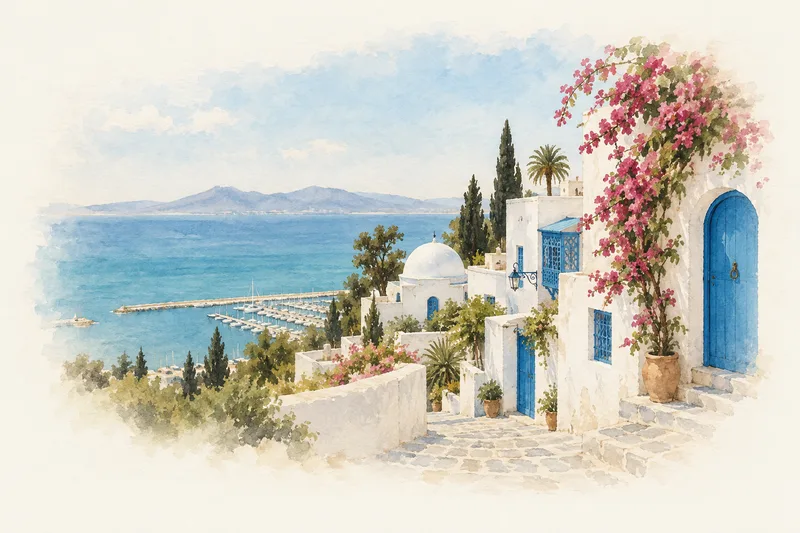
BEFORE YOUR FIRST MEAL
Navigating food allergies in Tunisia
Tunisian food commonly combines wheat-based staples, boldly seasoned vegetables, eggs, fish and lamb. Couscous, brik, fricassé, shakshouka and harissa can appear in different forms, so a familiar name is only a starting point. Ask what is in the complete recipe, including bread, pastry, stock, toppings, frying oil and garnishes, and explain your needs before ordering.
What to know first
Couscous and wheat
Traditional couscous, frik, bread, pastry and many thickened dishes can involve wheat. Ask whether couscous, freekeh, vermicelli, pastry or bread is included, rather than relying on the dish name.
Egg and fish
Brik, shakshouka, ojja merguez, fricassé and salads may contain egg, tuna or other fish. Check whether these are mixed in, cooked on top, used as garnishes or omitted.
Explain the whole recipe
Use a written explanation in Arabic or French, and ask the person preparing the food to confirm every component: base, sauce, stock, topping, garnish, oil and cooking surface.
Preparation matters
Ask whether bread, pastry or battered food shares oil, and whether utensils, boards, pans or serving spoons are shared. Confirm how vegetables, eggs and fish are handled before cooking.
Read the full label
Read the complete ingredients and allergen information on the actual product. If you avoid a food that is not highlighted, ask the producer or food provider to check it specifically.
Understanding the food
Durum wheat, barley, olive oil, tomato, pepper, chickpea, lamb, tuna, sardine, date and preserved lemon shift from northern grain country to Sahel olive groves, southern oases and Djerba. Couscous and harissa travel nationally, yet their grain, broth, fish, meat, vegetables and chilli profile change by locality, household and occasion.
Rainfall, olive country, islands and desert oases support sharply different repertoires.
| Region | Food landscape | Examples to understand |
|---|---|---|
| Tunis, Cap Bon & north | Urban Ottoman-Andalusian inheritance, grain, market gardens and fisheries | Brik, ojja, grilled salad, pasta, couscous and sweets |
| Sahel & Sfax | Dry olive groves, ports, seafood and commercial preserving | Olive oil, fish couscous, octopus, charmoula and almonds |
| Djerba & southeast | Island fishing, Amazigh and Jewish histories, barley and slow steaming | Djerbian rice, fish, barley breads, bsissa and layered couscous |
| Tozeur, Kebili & southern oases | Date palms, pastoral meat, preserved stores and Saharan exchange | Deglet nour dates, lamb, barley, mtabga and dried ingredients |
Couscous is technique, social practice and regional archive. Semolina is rolled by hand and steamed above broth, but northern vegetable, coastal fish and southern meat versions show why one national description is insufficient. [8][7]
Olive oil geography shapes the plate. Northern groves receive more rain while the Sahel and Sfax sustain vast dryland plantings; cultivar, harvest and pressing affect oil used for cooking, preserving and finishing. [10][9]
Semolina and olive oil carry chilli, tomato, pulse and fish with unusual intensity.
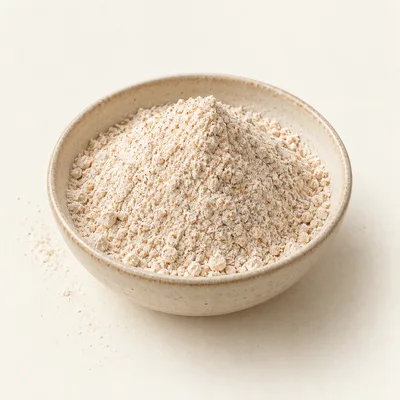 ROLLED GRAINDurum wheat
Couscous, pasta, bread, brik pastry and semolina sweets
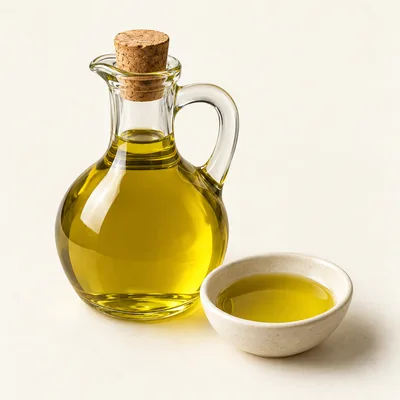 FOUNDATIONAL FATOlive oil
Cooking, salads, preserves, breads and finishing
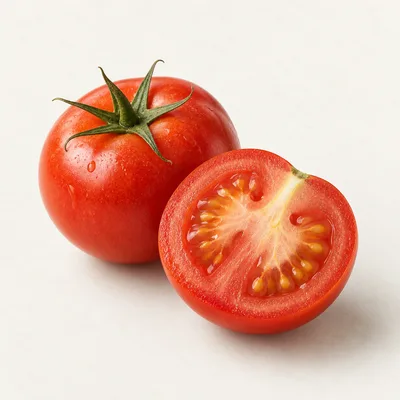 SAUCE BASETomato
Ojja, pasta, stews, couscous broth and mechouia
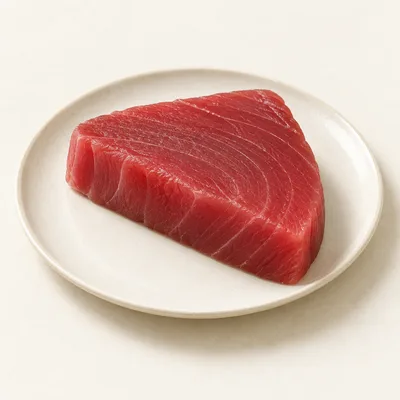 PRESERVED SEAFOODTuna
Brik, fricassé, salads, sandwiches and pasta
Harissa is a preparation, not a universal heat setting. Dried red pepper is pounded with garlic, salt and spices, sometimes with regional or household additions; it can season broth, accompany bread or enter a sandwich. [7]
Pasta belongs to Tunisian history too. Macaroni and other dried shapes are cooked with concentrated tomato, chilli, chickpea, meat or seafood, demonstrating long Mediterranean exchange rather than a borrowed side dish. [7][9]
Fast fricassé, family couscous and coastal fish restaurant follow different rhythms.
Friday couscous is relational food. The grain may be shared after prayer or at a family gathering, while weddings and lifecycle events call for larger batches and locally meaningful toppings. [8][7]
Fish is often selected before it is cooked. At coastal restaurants, species, weight and method may be negotiated at a display; grilled whole fish, fish couscous and fried small fish should be read against the day’s landing. [7][9]
Food-culture sources checked .
Wheat staples and pastry
Wheat appears in Tunisian couscous, khobz-style bread, frik, small pasta, vermicelli and pastries. Brik uses a thin wheat wrapper; fricassé uses fried wheat bread; makroudh uses durum semolina. Ask whether a dish includes bread, semolina, pastry, flour or a flour thickener, and whether a different grain was actually used.
Eggs in fillings and on top
Egg can be central rather than incidental: brik may hold a whole egg, shakshouka and ojja cook eggs directly in sauce, and kafteji mixes egg through chopped vegetables. Lablabi and several salads may have egg added on top. Ask whether egg is in the base, filling, garnish or coating, and whether it can be left out.
Fish, meat and mixed plates
Tuna appears in brik, fricassé, Tunisian salads and some vegetable salads, while fish is central to fish couscous. Lamb is recorded in dishes such as chorba frik and meat-filled brik; merguez is used in ojja. Ask about stock, minced fillings, toppings and whether fish or meat is cooked into the sauce.
Heat, vegetables and finishing ingredients
Harissa is a hot chilli paste served with bread and oil, and may also season grilled vegetable salads. Tunisian salads can combine lettuce, peppers, tomatoes, onions, olives and radishes; celery is recorded in some soup bases. Ask about harissa, vinegar, olives, oil, celery and garnishes, including whether a topping is added after cooking.
Ingredients worth recognising
Start with these ingredients, then follow their names and recorded food connections. Check the recipe and product actually used.
Wheat flour
Wheat flour can form bread, fried sandwich dough, pastry, cake batter and thickeners, including bambalouni, fricassé and zlabia. Ask whether the named food uses wheat flour, another flour or a mixed dough, and whether flour is also used in the sauce.
Couscous
Couscous is a familiar base in Tunisian meals and is conventionally made from durum wheat. It may accompany vegetables, meat or fish. Ask what the grains are made from, what stock or sauce is added, and whether toppings are cooked separately or together.
Egg
Egg may be a whole filling in brik, cooked into shakshouka or ojja, mixed through kafteji, or used as a garnish. Ask whether the recipe contains egg in more than one form, including pastry washes, fillings and toppings.
Tuna
Tuna is recorded in brik, fricassé and several Tunisian salads, sometimes as an optional topping. Ask whether tuna is mixed through the dish, placed on top, packed in a sauce, or cooked with other fish ingredients.
Celery
Celery is recorded in some chorba frik and harira herb or vegetable bases. It may be chopped into the soup rather than appearing as a visible garnish. Ask whether celery is in the stock, seasoning base or finished bowl.
Olive
Olives are used in salads, sandwiches and savoury accompaniments. Their curing or preparation can vary, so ask what has been added to the olives, whether they are mixed into the dish, and whether a separate dressing or brine is used.
How food labelling works
A current, country-specific allergen-labelling summary for Tunisia has not yet been verified for this guide. Do not transfer the list of regulated allergens or restaurant disclosure rules from your home country to this one.
Read the complete ingredients on the actual package and keep any local-language sticker with the original label. For imported products, compare the information on that pack rather than a photograph of the brand sold elsewhere. Ask the manufacturer or seller to clarify an unfamiliar term.
For loose food or meals prepared to order, ask who can check the recipe and the labels on bought-in ingredients. Explain every food you avoid, including ingredients outside familiar allergy groups; a short symbol chart may not cover your list.
Language and communication
Arabic is Tunisia’s official language, while Tunisian Arabic is the everyday spoken variety. Prepare a written explanation in Arabic first, using clear details about the foods and ingredients you must avoid. Ask the person taking the order to read the complete explanation before discussing the meal.
French is widely used in commerce and may help with written food questions. A French explanation can accompany the Arabic version, especially when discussing packaged ingredients or a detailed recipe. Tunisian Arabic and French usage can vary by setting, so request confirmation from the person preparing the food. These language names are recognition aids, not a complete allergy request.
Eating in different settings
Souk food stall
For a stall serving brik, fricassé or salads, ask what is inside the filling and whether tuna or egg is added. Ask whether bread and fried items use the same oil, and whether the server can prepare the order without a topping, sauce or garnish.
Bakery or sweet counter
At a bakery, ask whether bambalouni, zlabia, makroudh, samsa or Tunisian baklawa contains wheat flour, semolina, egg, butter or nuts. For each item, ask about fillings, glazes, surface washes and shared tongs or display trays.
Restaurant or shared meal
Before ordering couscous, chorba, ojja or a salad, ask what is in the stock, sauce and seasoning base. Confirm whether fish, lamb, egg, bread, harissa, celery or olives are cooked in, and whether garnishes are added separately.
Packaged-food shop
Read the complete ingredient list for couscous, flour products, sauces, sweets and preserved foods. Check for wheat, milk-derived butter, egg, sesame, nuts, fish and added ingredients in dressings or brines; if the label is unclear, ask the shop or manufacturer before buying.
Before you travel
Review your personal plan
Discuss your travel plans with your clinician and keep your prescribed medicines and emergency instructions accessible. Tell companions where these are and how to follow your plan.
Check your medicines before entering Tunisia
The legal status of medicines prescribed or bought in the UK can differ in Tunisia. Keep prescription medicines in their original packaging and carry a GP’s note confirming they were prescribed. For concerns about a particular medicine, check with the Tunisian Embassy in the UK before travel.
Make the first meals easier to organise
Contact your accommodation and transport providers in advance. Save your written food list, menu questions and destination address offline. Check entry restrictions before packing backup food, and plan how you will check meals during arrival and onward journeys.
Plan access to medical help
There is no provision for free medical attention for foreign nationals in Tunisia. Private-clinic doctors’ fees, medicines and treatment must be paid on the spot, sometimes before treatment. Check that travel health insurance includes treatment and repatriation, and confirm accessible funds and relevant provider details before departure.
Emergency resources
For a suspected severe allergic reaction, follow your prescribed emergency plan and seek urgent medical help. Give your exact location clearly.
Ambulance and urgent medical help
Call 190 and ask for an ambulance.
Explore next
Your allergy in Tunisia
Choose a food concern for the country notes and questions relevant to it.
Dishes in Tunisia
Follow the ingredients and cuisine connections in individual dish records.
Your own food list
Combine allergy groups and individual ingredients in one guide, with local names where recorded.
Allergy cards
Prepare the information you need to explain your food requirements.
FAQs, sources and review dates
Can I order brik without egg or tuna?
Ask which filling is being made: brik may contain a whole egg, while tuna can be a filling variation. Confirm the wrapper, oil, seasoning and any shared utensils, then ask whether the complete item can be prepared without the ingredient you need to avoid.
Is couscous always a plain grain dish?
Not necessarily. Ask what the couscous is made from and what is served with it. Fish, meat, vegetables, stock, sauce and garnishes may all matter, and a separate-looking topping may have been cooked in the same sauce.
Should I ask about olives if they are not my main allergy concern?
Yes, if olives matter to you individually. Ask whether they are mixed into the salad, sandwich or garnish, and what curing liquid or dressing is used. Do not assume that removing visible olives answers questions about brine, sauce or shared preparation.
Sources checked: . This researched draft is awaiting editorial review. Practical questions apply the sources below to local food settings; they do not confirm any individual meal's ingredients or preparation.
Sources & references (10)
- FCDO · Tunisia health and medical assistance
Emergency contact details, local healthcare and medicine guidance. UK-specific eligibility does not apply to every visitor.
- Wikivoyage contributors · Tunisia
Community-edited culinary context only; not an allergy or medical authority. Brief food-context adaptations, CC BY-SA 4.0: https://creativecommons.org/licenses/by-sa/4.0/. Recipe questions also use PlateSafe’s draft records.
- FARE · Dining out
General recipe and preparation questions, applied here to country-specific food examples.
- FARE · Travelling with food allergies
General preparation, written communication and access to prescribed medicines. Not country-specific import permission.
- PlateSafe · Tunisia recorded food connections
Existing draft dish and ingredient records, used as examples to investigate. These are not independently verified recipes or suitability assessments.
- Unicode CLDR · Territory language data
Language suggestions. Regional language needs must be confirmed with the particular food provider.
- Discover Tunisia — Tunisian gastronomy
- UNESCO — Knowledge, know-how and practices pertaining to couscous
- FAO — Tunisia country profile
- International Olive Council — Tunisia