
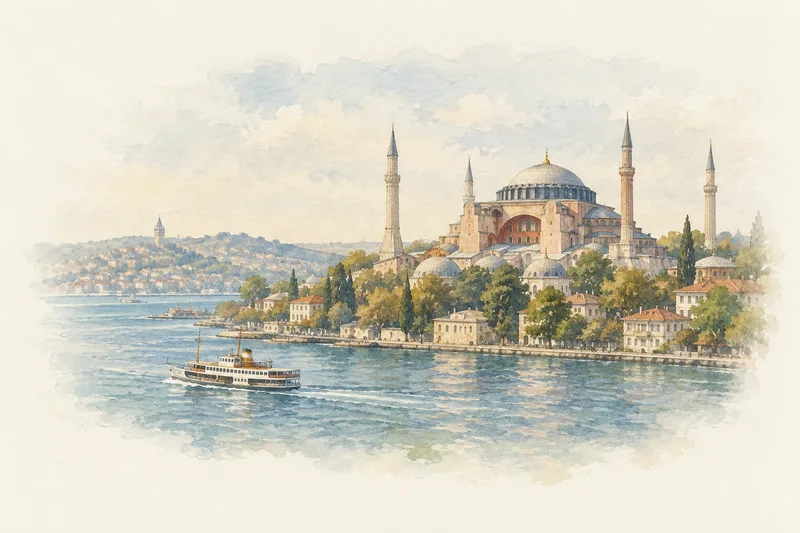
BEFORE YOUR FIRST MEAL
Navigating food allergies in Türkiye
Türkiye’s food varies noticeably between regions: rice is especially prominent in the north and west, bulgur in other areas, seafood along northern and western coasts, and spicing is stronger in the south and southeast. Bread, dairy, eggs, wheat, sesame, nuts and stocks appear across many familiar dishes, so ask about every component rather than relying on a dish name.
What to know first
Culinary pattern
A kebab meal may include soup, meze, bread and sauces as well as grilled meat. Ask about the whole serving, including yoghurt, butter, stock and the bread or wrap.
Recipe variation
Menemen can include butter or cheese, while piyaz may include egg or tahini. Confirm the version being prepared instead of treating a familiar dish as one fixed recipe.
Communication
Prepare a written explanation in Turkish naming the foods you must avoid and asking staff to confirm the complete recipe, including stock, sauces, toppings and shared utensils.
Preparation
Ask whether the same oil, water, grill, pan, board or serving spoon is used for other foods, and whether bread, pastry or crumbs are added during cooking or serving.
Labels
Read the complete ingredients and allergen information on the actual product. If you avoid a food that is not highlighted, ask the producer or food provider to check it specifically.
Understanding the food
Wheat, yoghurt, olive oil, butter, lamb, pulses, aubergine, pepper, grape, tea, hazelnut and pistachio cross Anatolian, Ottoman, Balkan, Caucasian, Arab, Kurdish, Armenian, Greek, Jewish and other community histories. Istanbul meyhane, Aegean olive-oil dishes, Black Sea maize and anchovy, southeastern kebab and central Anatolian pastry demand regional names and careful attribution.
Seven geographic regions contain many more local food territories.
| Region | Food landscape | Examples to understand |
|---|---|---|
| Istanbul, Marmara & Aegean | Imperial capital, migration, fisheries, olive groves and market gardens | Meze, seafood, börek, zeytinyağlı dishes, köfte and milk desserts |
| Black Sea | Steep maize and tea country, hazelnut orchards and anchovy fisheries | Hamsi, maize bread, pide, collard greens, beans, tea and hazelnut |
| Central & eastern Anatolia | Wheat, livestock, high plateau dairy and winter preserving | Mantı, erişte, bulgur, keşkek, dried fruit, cheese and regional breads |
| Southeastern Anatolia | Pistachio, pepper, bulgur, lamb and city-specific craft traditions | Gaziantep baklava, kebap, lahmacun, içli köfte, beyran and katmer |
City names are culinary information. Gaziantep, Hatay, Kayseri, Konya, Adana, Bursa and many other places maintain specialised breads, kebabs, dumplings, cheeses and sweets whose names encode method and provenance. [9][10]
Ottoman cuisine was plural and metropolitan. Palace and city kitchens drew on Anatolia, the Balkans, the Caucasus, Mediterranean ports and diverse religious communities; modern Turkish food cannot be reduced to one ethnic stream. [8][9]
Wheat, yoghurt, olive oil and pistachio link everyday bowls to highly skilled pastry.
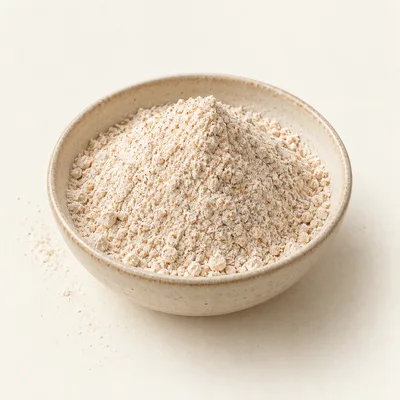 GRAIN & DOUGHWheat
Bread, börek, pide, bulgur, mantı, erişte and baklava
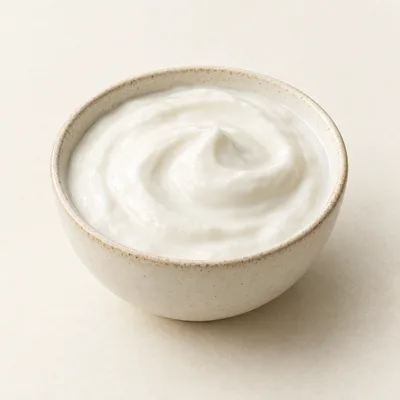 FERMENTED DAIRYYoghurt
Sauces, soups, mantı, ayran and cooling accompaniments
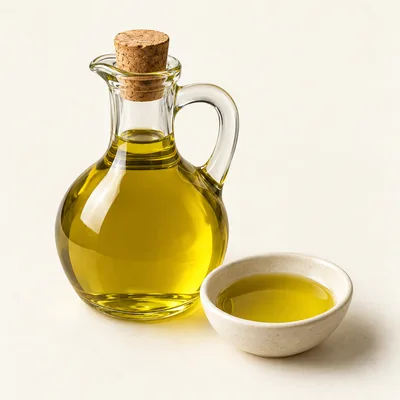 AEGEAN FOUNDATIONOlive oil
Vegetable dishes, meze, seafood, salads and preserving
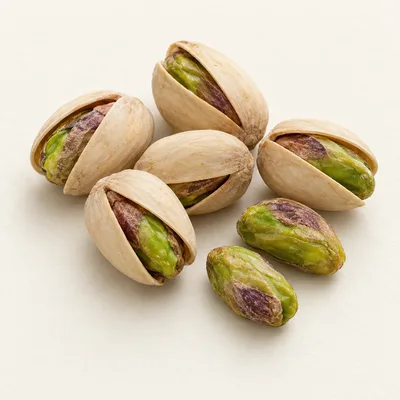 SOUTHEASTERN CROPPistachio
Baklava, katmer, confections, kebab and savoury dishes
Breakfast can be a table of contrasts. Cheese, olives, tomato, cucumber, honey, kaymak, egg, sucuk, bread and tea are arranged for sharing, with composition changing between home, hotel and specialist breakfast restaurant. [8]
Fermentation and drying organise the year. Tarhana, yoghurt, cheese, sucuk, pastırma, dried vegetables and fruit preserve harvest or pasture abundance and create flavours that cannot be described as fresh substitutes. [8][11]
Esnaf lokantası, meyhane, kebab house and bakery each have their own repertoire.
The esnaf lokantası makes home-style food public. Prepared trays of soup, vegetable, pulse, rice and meat dishes let workers point to a combination, while a kebab restaurant or pide salon specialises in a narrower craft. [8][9]
Meze is a sequence, not a sampler board. Cold and hot small dishes accompany conversation and often rakı, with fish, herbs, yoghurt, pulses and olive-oil vegetables ordered in relation to the main food and company. [8][11]
Food-culture sources checked .
Bread, wheat and breakfast
Bread is presented with many meals, while simit is a sesame-topped wheat bread often eaten with cheese. Menemen combines eggs with tomato, onion, garlic and pepper; some versions add butter or cheese. Ask whether the bread, simit or accompanying spread contains wheat, sesame, egg or milk, and whether a separate pan or serving knife is used.
Kebab, soups and everyday plates
Kebapçıs may serve döner, şiş, köfte or regional specialities such as Adana kebab. Beyti kebab can involve yoghurt, butter and a lavash wrap, while lentil, ezogelin and other soups may contain butter, wheat or stock. Ask about marinades, finishing fats, thickening ingredients, bread, and shared ladles or grills.
Regional grains and vegetable dishes
Bulgur appears in pilavi, çiğ köfte, kısır and stuffed preparations, whereas rice is prominent in several northern and western examples. Aubergine dishes can be meat-based or yoghurt-enriched, and olive-oil vegetable cooking is particularly associated with Aegean examples. Ask whether bulgur, flour, yoghurt, stock or garnishes are included.
Seafood and sweets
Black Sea examples include hamsi and hamsili pilav; coastal meals may also feature grilled fish, mussels and meze. Baklava, künefe and other pastries combine wheat-based pastry with dairy or nuts, while sütlaç is milk-based. Ask about fish species, shellfish, pastry, butter, cheese, nuts and shared frying oil.
Ingredients worth recognising
Start with these ingredients, then follow their names and recorded food connections. Check the recipe and product actually used.
Bread
Bread may be served with breakfast, kebabs and soups; forms include wheat loaves, enriched bread and sesame-topped simit. Check the full recipe for wheat, milk, egg, soy and sesame, and ask whether the knife or basket is shared.
Bulgur
Bulgur is used in bulgur pilavi, çiğ köfte, kısır and some stuffed dishes. It is processed wheat, not a generic grain category. Check the grain itself, added stock or seasoning, and whether it was cooked in shared water.
Yogurt
Yoghurt appears in cacık, haydari, mantı accompaniments, soups and aubergine dishes such as alinazik. Ask whether it is mixed into the main recipe or served separately, and check sauces, marinades and shared spoons.
Egg
Egg is central to menemen and may bind köfte, fritters, pastries or soup mixtures. Ask whether it is in the batter, wash, filling, thickener or topping, and whether the same pan or oil is used for other foods.
Tahini
Tahini is sesame paste used in some piyaz versions and may appear in spreads or accompaniments. Confirm whether it is included in the dressing or served separately, and ask about shared knives, bowls and preparation surfaces.
How food labelling works
Türkiye’s agriculture ministry states that food-service establishments must provide consumer information for fourteen allergen categories. Notices may be supplied through menus, boards or posters. Ask which information applies to the exact dish and version you are ordering.
Check packaged-food ingredients and allergen information as well. Name your specific food when it is outside the regulated categories, rather than relying only on an allergen chart.
Ask the kitchen to confirm sauces, broths, pastry dough, fillings and finishing fats. Ingredient disclosure does not replace questions about shared grills, fryers, baking trays or serving tools.
Language and communication
Turkish is the national language and should be prioritised for a written food explanation. Have a Turkish speaker check the wording so it clearly names the relevant ingredient and asks about the complete recipe, stock, sauces, toppings, shared oil, water and utensils. Ingredient names are recognition aids, not a complete request.
Kurdish is spoken particularly in the southeast and east, where regional communication may differ. If travelling there, arrange a checked written explanation in the language most useful for the specific area, while still seeking confirmation from the person preparing the food. Do not assume a dish name conveys the required exclusions.
Eating in different settings
Kebab counter
For döner, şiş, köfte or Adana kebab, ask what is in the meat mixture and marinade, whether bread or lavash is added, and whether the grill, knife and serving surface also handle bread, dairy sauces or other foods.
Esnaf lokantası
Point to the complete dishes and ask about every stew, soup, meze and garnish. Check whether butter, yoghurt, flour, bulgur or stock is used, whether bread is placed on the same plate, and whether serving spoons are shared between bain-marie dishes.
Bakery or street trolley
For simit, gözleme, börek or other pastry, ask about the dough, fillings, egg wash, cheese, butter and sesame. Ask whether products are handled with the same tongs, board or display surface, and whether a plain-looking item has a topping or filling.
Fish restaurant or market
For grilled fish, hamsi, balık ekmek or midye dolma, confirm the species and every stuffing or accompaniment. Ask about flour or batter, stock, sauces, shared frying oil and utensils, and whether meze are made in the same preparation area.
Before you travel
Review your personal plan
Discuss your travel plans with your clinician and keep your prescribed medicines and emergency instructions accessible. Tell companions where these are and how to follow your plan.
Check your medicines before entering Türkiye
British prescriptions are not accepted in pharmacies in Türkiye. Check with your GP and a Turkish hospital before travel about an equivalent Turkish prescription, and verify documentation for any controlled medicine with the nearest Turkish embassy or consulate. Do not alter prescribed medicines without clinical advice.
Make the first meals easier to organise
Contact your accommodation and transport providers in advance. Save your written food list, menu questions and destination address offline. Check entry restrictions before packing backup food, and plan how you will check meals during arrival and onward journeys.
Plan access to medical help
The European Health Insurance Card and Global Health Insurance Card are not valid in Türkiye. Check your travel insurance and the current FCDO information before departure; for care, consult the FCDO list of medical providers and confirm eligibility, payment and available support with your insurer.
Emergency resources
For a suspected severe allergic reaction, follow your prescribed emergency plan and seek urgent medical help. Give your exact location clearly.
Ambulance and urgent medical help
Dial 112 and ask for an ambulance.
Explore next
Your allergy in Türkiye
Choose a food concern for the country notes and questions relevant to it.
Dishes in Türkiye
Follow the ingredients and cuisine connections in individual dish records.
Your own food list
Combine allergy groups and individual ingredients in one guide, with local names where recorded.
Allergy cards
Prepare the information you need to explain your food requirements.
FAQs, sources and review dates
Is plain rice or pilav automatically suitable?
No. Pilav may use butter, and rice dishes such as hamsili pilav or stuffed preparations have additional ingredients. Ask about the cooking fat, stock, seasoning, garnish and shared serving spoon rather than ordering from the name alone.
What should I ask about a dish containing pine nuts?
Pine nuts occur in examples such as midye dolma, perde pilavi and some desserts. Ask whether they are in the stuffing, garnish or cooking mixture, and whether the same spoon, tray or preparation surface is used for other dishes.
Does a wheat-free-looking soup avoid wheat?
Not necessarily. Mercimek, ezogelin, yayla and other soups may use flour, bulgur, tarhana, egg, yoghurt, butter or stock. Ask for the complete recipe and thickener, and distinguish a wheat concern from an IgE allergy or coeliac requirement.
Sources checked: . This researched draft is awaiting editorial review. Practical questions apply the sources below to local food settings; they do not confirm any individual meal's ingredients or preparation.
Sources & references (11)
- FCDO · Türkiye health and medical assistance
Emergency contact details, local healthcare and medicine guidance. UK-specific eligibility does not apply to every visitor.
- Wikivoyage contributors · Türkiye
Community-edited culinary context only; not an allergy or medical authority. Brief food-context adaptations, CC BY-SA 4.0: https://creativecommons.org/licenses/by-sa/4.0/. Recipe questions also use PlateSafe’s draft records.
- FARE · Dining out
General recipe and preparation questions, applied here to country-specific food examples.
- FARE · Travelling with food allergies
General preparation, written communication and access to prescribed medicines. Not country-specific import permission.
- PlateSafe · Türkiye recorded food connections
Existing draft dish and ingredient records, used as examples to investigate. These are not independently verified recipes or suitability assessments.
- Unicode CLDR · Territory language data
Language suggestions. Regional language needs must be confirmed with the particular food provider.
- Ministry of Agriculture and Forestry · Food information and allergen notices
Scoped allergen-labelling summary. Does not establish an individual meal’s ingredients or preparation.
- GoTürkiye — Turkish cuisine
- GoTürkiye — Gastronomy destinations
- GoTürkiye — Southeastern Anatolia gastronomy
- GoTürkiye — Sustainable gastronomy