
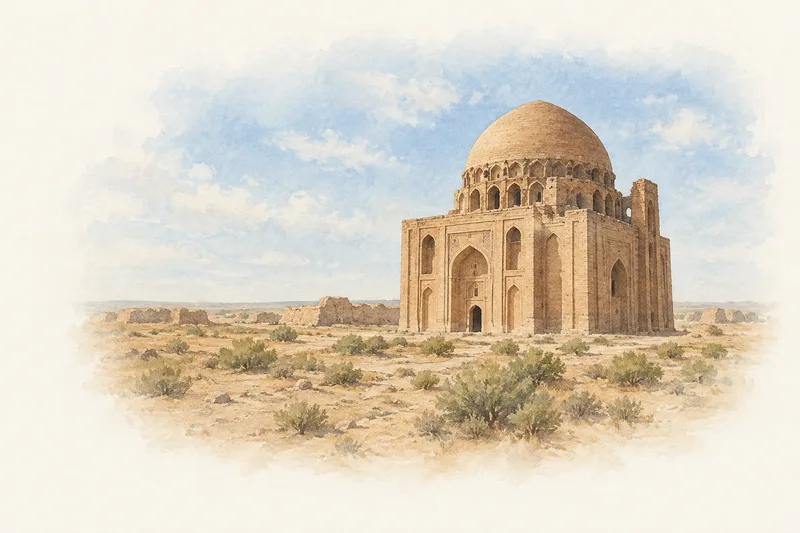
BEFORE YOUR FIRST MEAL
Navigating food allergies in Turkmenistan
Turkmen food commonly combines meat, grains, vegetables and pastry. Plov may contain rice, mutton, onions, carrots, spices, raisins, peas or quince; manty are steamed lamb dumplings, while gutap can contain meat, potatoes, spinach and pumpkin. Recipes and fillings vary, so identify every component, including dough, stock, sauce, garnish, cooking fat and equipment used alongside your meal.
What to know first
Start with the cooking method
Ask whether manty are steamed in a shared steamer, whether gutap or ishlekli are baked on a shared surface, and whether oil, water or utensils are shared.
Check the complete dish
For plov, confirm the rice, mutton, onions, carrots, spices, raisins, peas or quince separately; do not rely on the dish name to describe the recipe.
Communicate in writing
Prepare a clear explanation in Turkmen, and where useful Russian, stating the ingredients and contact risks you must avoid; ask the cook to confirm the whole recipe.
Ask about dough and fillings
For manty, gutap, somsa or ishlekli, ask about the flour, egg, filling, brushing fat, toppings and cooking surface rather than checking only the filling.
Read the full label
Read the complete ingredients and allergen information on the actual product. If you avoid a food that is not highlighted, ask the producer or food provider to check it specifically.
Understanding the food
Wheat, rice, lamb, mutton fat, camel and cow dairy, melon, pumpkin, onion, carrot and dried fruit follow water through an overwhelmingly arid country. Plov, doğrama and meat-filled breads appear widely, but Ahal villages, Murghab farms, Amu Darya rice country and the Caspian shore support different ingredients and methods.
Oases and river valleys interrupt the desert with distinct food-producing zones.
| Region | Food landscape | Examples to understand |
|---|---|---|
| Ashgabat & Ahal | Kopet Dag foothills, irrigated gardens, wheat and capital markets | Flatbread, doğrama, plov, lamb, herbs, tomato and grapes |
| Mary & the Murghab oasis | Ancient irrigation, wheat, cotton, melon and livestock | Plov, bread, mutton, pumpkin, melon and fermented dairy |
| Lebap & the Amu Darya | River irrigation, rice, grain and cross-border Central Asian exchange | Rice plov, fish, vegetables, fruit and wheat breads |
| Balkan & Caspian coast | Desert pastoralism beside marine fisheries and port life | Sturgeon and other fish, lamb, camel dairy, bread and dried foods |
Water explains the food map. Irrigated oases produce wheat, rice, fruit and vegetables while vast rangelands support sheep and camels; neither system can be understood without river allocation and desert constraint. [8][7]
Pastoral continuity survives sedentarisation. Lamb, mutton fat, camel milk and portable breads retain the logic of herding even when prepared in settled village and urban kitchens. [10][9]
Wheat bread anchors meals while lamb, rice and melon mark season and hospitality.
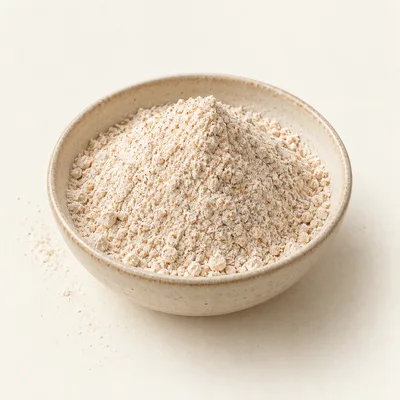 IRRIGATED GRAINWheat
Tamdyr bread, noodles, dumplings and filled pastries
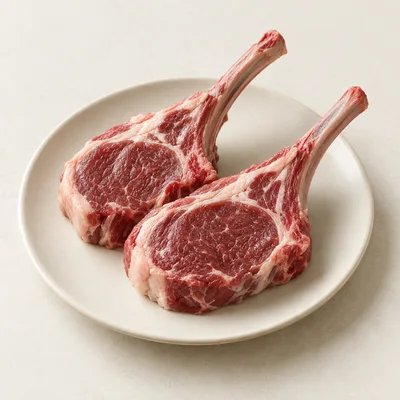 PASTORAL MEATLamb
Plov, soup, doğrama, kebab and festive whole cuts
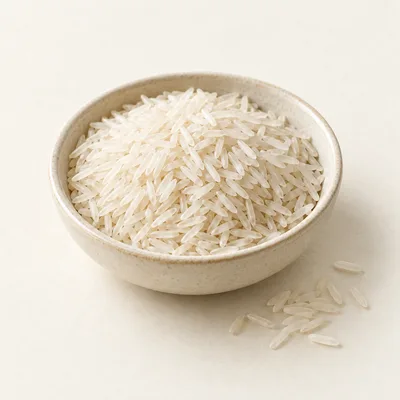 RIVER-VALLEY GRAINRice
Plov with meat, carrot, onion and regional additions
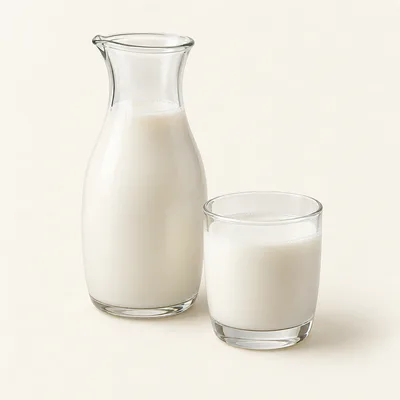 DESERT LIVESTOCKCamel milk
Fresh and fermented chal in pastoral areas
Bread carries moral weight. Round çörek is baked against the wall of a tamdyr and handled respectfully; its pattern, thickness and fat content vary by household and occasion. [7][9]
Melon is an agricultural achievement of irrigated desert. Numerous local types are eaten fresh and dried, traded as seasonal gifts and valued for keeping quality, even though national production data foreground wheat and cotton. [8][7]
Tea, bread and shared meat establish hospitality before a restaurant menu begins.
Plov is both everyday food and event labour. Rice, meat, carrot and onion cook in a kazan, with fat, dried fruit or other additions varying; large communal batches require a recognised cook and coordinated serving. [9][10]
Caspian fish is geographically specific. Fish dishes belong most clearly to Balkan Province and the western shore, while inland menus depend more heavily on pastoral meat and irrigated crops. [7][8]
Food-culture sources checked .
Soups and composed meals
Meals may begin with chorba, described as a meat-and-vegetable soup. Ask which stock, meat, vegetables, thickener and seasoning were used, and whether noodles, wheat or butter were added. For a soup served with bread, confirm whether bread is dipped into the pot or handled with shared utensils. With plov, check the rice and each listed addition—mutton, onions, carrots, spices, raisins, peas or quince—rather than assuming a standard version.
Steamed dumplings and noodles
Manty are steamed dumplings filled with lamb, with wheat flour recorded for the wrappers. Ask whether the steamer also holds other dumplings, whether the surface is lined, and whether any sauce or topping is added after cooking. Kesme and unash use wheat-based noodle examples; ask about egg in the noodle dough, the cooking water, stock and serving bowl, especially if noodles are prepared in batches.
Pies, flatbreads and pastries
Gutap is recorded as a pie that may contain meat, potatoes, spinach and pumpkin, while ishlekli is a meat-and-onion pie. Ask which filling is used today, whether wheat dough is made on the same bench, and whether the pie is brushed with egg or butter. Fitchi, somsa, borek and other pastry examples also require checks on dough, filling, wash, cheese, butter and shared oven trays.
Fats, sweets and regional variation
Ku'urma is lamb cooked in its own fat, so ask what fat is used and whether the pan is shared. Halva examples may use sesame paste, wheat flour, butter and pistachio or almond; ask which version is present and how it was finished. Katlama may use butter between wheat layers. Sturgeon from the Caspian Sea is described as sometimes prepared tempura-style, so ask about batter and frying oil.
Ingredients worth recognising
Start with these ingredients, then follow their names and recorded food connections. Check the recipe and product actually used.
Wheat flour
Recorded in manty wrappers, gutap, ishlekli, somsa, fitchi, chorek, pishme and other doughs. Ask whether wheat flour is used in the dough, dusting flour, thickener or shared work surface, and distinguish wheat from gluten-related concerns.
Egg
Egg is recorded as an intrinsic ingredient and may also appear in some noodle doughs or as a pastry surface wash. Ask whether it is in the filling, dough, coating or brushing mixture, and whether the same brush is reused.
Butter
Butter is a common recorded component of borek and halva, an optional enrichment in yarma and a layering fat in some katlama recipes. Ask whether butter is added during cooking, brushing or serving, and whether another fat is used instead.
Sesame Paste
Sesame paste may form the base of some halva variations. Ask whether the dish contains sesame paste, sesame seed or tahini, whether it is used as a garnish or mixed through, and whether the spoon or grinder is shared.
Vegetable Oil
Generic vegetable oil is recorded without a specified source; it may be used for frying or cooking. Ask what oil is in the pan, whether it has been used for other battered or pastry foods, and whether a clean pan and utensil are available.
Vinegar
Vinegar formulations are unspecified: some may contain sulphites and some may be malt-based. Ask which vinegar is in a dressing, pickle, sauce or marinade, request the bottle or full ingredient list, and do not treat generic vinegar as a complete description.
How food labelling works
A current, country-specific allergen-labelling summary for Turkmenistan has not yet been verified for this guide. Do not transfer the list of regulated allergens or restaurant disclosure rules from your home country to this one.
Read the complete ingredients on the actual package and keep any local-language sticker with the original label. For imported products, compare the information on that pack rather than a photograph of the brand sold elsewhere. Ask the manufacturer or seller to clarify an unfamiliar term.
For loose food or meals prepared to order, ask who can check the recipe and the labels on bought-in ingredients. Explain every food you avoid, including ingredients outside familiar allergy groups; a short symbol chart may not cover your list.
Language and communication
Prepare a written explanation first in Turkmen, the official language, naming the foods and ingredients that must be avoided. Ask the cook or server to confirm the complete recipe, including stock, sauce, dough, toppings, oil, water and utensils. Ingredient names alone are recognition aids, not a complete request.
Russian is widely spoken, and Uzbek is widely understood in Turkmenistan; these may help when arranging written communication, particularly where regional language use differs. Ask a Turkmen- or Russian-speaking companion, guide or host to check the exact wording and obtain a clear confirmation from the person preparing the food.
Eating in different settings
Market counter
At a market selling plov, chorba or pastries, ask what is in the pot or tray today and whether separate serving spoons are used. For plov, check every addition and ask whether bread, garnishes or sauces touch the serving utensil. Request a freshly served portion only after the ingredients and equipment are explained.
Bakery or pastry shop
When choosing borek, gutap, ishlekli, somsa, fitchi, katlama or chorek, ask about wheat dough, egg wash, butter, cheese and the filling. Ask whether pastries share a bench, brush, tray or oven, and whether a plain-looking item has been filled, glazed or dusted with another ingredient.
Restaurant or shared meal
Before ordering manty, ku'urma, plov or a soup, show the written explanation and ask the kitchen to describe the complete preparation. Confirm the stock, marinade, spice mixture, sauce, garnish, cooking fat, steamer, pan and serving utensils. If the answer is uncertain, choose another fully explained dish rather than relying on its name.
Packaged-food shop
For halva, noodles, flour-based foods, sauces or vinegar, read the complete ingredient list and ask about unfamiliar terms. Check for wheat, egg, milk-derived butter or cheese, sesame, nuts, oil and vinegar formulation. Do not infer suitability from a vegetarian, plain or traditional label; verify the actual product and any preparation instructions.
Before you travel
Review your personal plan
Discuss your travel plans with your clinician and keep your prescribed medicines and emergency instructions accessible. Tell companions where these are and how to follow your plan.
Check your medicines before entering Turkmenistan
Turkmenistan’s State Customs Service reports that travellers may enter with prescription medicines when carrying the medicine with a copy of the prescription, and says there is no requirement to declare it. Check the latest position with your tour company and the State Customs Service before travel, especially for controlled painkillers or amounts beyond the visit.
Make the first meals easier to organise
Contact your accommodation and transport providers in advance. Save your written food list, menu questions and destination address offline. Check entry restrictions before packing backup food, and plan how you will check meals during arrival and onward journeys.
Plan access to medical help
There is no reciprocal healthcare agreement between the UK and Turkmenistan. The official advice describes medical care as poor and more expensive than in the UK, with anything beyond basic or emergency treatment, particularly outside Ashgabat, usually best avoided. Arrange adequate travel health insurance and accessible funds, and check cover for treatment and repatriation.
Emergency resources
For a suspected severe allergic reaction, follow your prescribed emergency plan and seek urgent medical help. Give your exact location clearly.
Ambulance and urgent medical help
Call 03 from a landline or 003 from a mobile and ask for an ambulance.
Explore next
Your allergy in Turkmenistan
Choose a food concern for the country notes and questions relevant to it.
Dishes in Turkmenistan
Follow the ingredients and cuisine connections in individual dish records.
Your own food list
Combine allergy groups and individual ingredients in one guide, with local names where recorded.
Allergy cards
Prepare the information you need to explain your food requirements.
FAQs, sources and review dates
Can I assume plov contains only rice and meat?
No. The recorded example may include onions, carrots, spices, raisins, peas or quince, and the cooking fat or stock still needs checking. Ask which ingredients were used in this batch, whether seasoning contains a blended product, and whether the serving spoon or pot is shared.
What should I ask about a plain-looking gutap or manty?
Ask about the dough as well as the filling. Gutap may contain meat, potatoes, spinach and pumpkin, while manty use wheat wrappers around lamb. Confirm flour, egg, butter or oil, sauces and toppings, plus the steamer, bench and utensils used before serving.
How should I check sesame or nuts in halva?
Ask whether the halva uses sesame paste, sesame seed, tahini, pistachio or almond, and whether any is only a garnish. Confirm the base as well, since examples may also involve wheat flour or butter. Ask how it was ground, mixed and served, including shared equipment.
Sources checked: . This researched draft is awaiting editorial review. Practical questions apply the sources below to local food settings; they do not confirm any individual meal's ingredients or preparation.
Sources & references (10)
- FCDO · Turkmenistan health and medical assistance
Emergency contact details, local healthcare and medicine guidance. UK-specific eligibility does not apply to every visitor.
- Wikivoyage contributors · Turkmenistan
Community-edited culinary context only; not an allergy or medical authority. Brief food-context adaptations, CC BY-SA 4.0: https://creativecommons.org/licenses/by-sa/4.0/. Recipe questions also use PlateSafe’s draft records.
- FARE · Dining out
General recipe and preparation questions, applied here to country-specific food examples.
- FARE · Travelling with food allergies
General preparation, written communication and access to prescribed medicines. Not country-specific import permission.
- PlateSafe · Turkmenistan recorded food connections
Existing draft dish and ingredient records, used as examples to investigate. These are not independently verified recipes or suitability assessments.
- Unicode CLDR · Territory language data
Language suggestions. Regional language needs must be confirmed with the particular food provider.
- FAO — Turkmenistan agricultural profile
- FAO AQUASTAT — Turkmenistan country profile
- FAO — Turkmenistan food security indicators
- FAO — Central Asian farming systems