
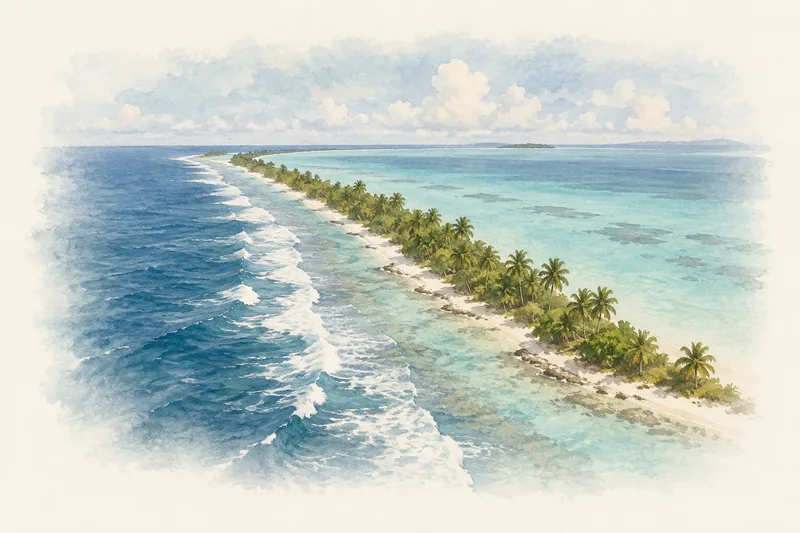
BEFORE YOUR FIRST MEAL
Navigating food allergies in Tuvalu
Tuvaluan food may include fish, coconut, pulaka, breadfruit, banana and pawpaw, while lodge restaurants can also serve Chinese, Italian and Indian cuisines. Examples such as Ika Mata, palusami and solomei should guide questions rather than define every recipe. Ask about the complete dish, including cooking liquid, sauces, fillings, toppings, garnishes and serving utensils. A familiar name or cuisine does not establish what is in your particular portion or how it was prepared.
What to know first
Fish dishes need full recipe checks
Fish is an important local food, and Ika Mata is an example involving raw fish. Ask about the species, whether it is raw or cooked, every accompanying liquid, seasoning, sauce and garnish, and how your portion was prepared.
Palusami can vary
Palusami may be made with a coconut filling, and an example preparation includes fish. Ask what is mixed into the filling, whether it was prepared separately, and whether the wrapping, cooking liquid, sauce or serving utensil is shared.
Explain the complete need
Give a clear written explanation in the languages you use, then ask the cook or server to confirm every component. Do not rely on a dish name, a single ingredient, or an assumption that a familiar preparation is unchanged.
Ask about shared preparation
Check whether fish, raw fish, fillings or sauces share boards, knives, pans, oil, water or serving utensils with your food. Ask whether a separate portion can be prepared and kept apart throughout cooking and serving.
Check every complete label
Read the full ingredient list and allergen information on the actual packaged product. If the food you avoid is not highlighted, ask the food provider or producer to check that ingredient specifically rather than relying only on label emphasis.
Understanding the food
Pulaka, coconut, breadfruit, pandanus, banana, taro, fish, shellfish, pig and chicken sustain feast, Sunday meal and daily cooking across nine low islands. Rice, flour, sugar and canned meat now carry substantial weight, especially in Funafuti, while saltwater intrusion and migration place exceptional pressure on the knowledge and labour behind local food.
Funafuti and the outer islands face different balances of land, labour and imported food.
| Island setting | Food system | Examples to understand |
|---|---|---|
| Funafuti | Dense capital settlement, shops, wage work and limited garden land | Imported rice and flour, canned foods, market fish, breadfruit and household meals |
| Northern islands | Drier conditions, coconut woodland, pulaka pits and reef fishing | Pulaka, coconut, pandanus, fish, pig and preserved foods |
| Central outer islands | Subsistence gardens, lagoons, communal labour and migration links | Breadfruit, pulaka, taro, banana, reef fish and Sunday feasts |
| Southern islands | Higher rainfall, tree crops, ocean fishing and cyclone exposure | Breadfruit, coconut, fish, root crops, pig and seasonal fruit |
Atoll agriculture is engineered knowledge. Growers dig pulaka pits down toward groundwater and build fertility with organic matter because coral soils are porous and nutrient-poor; the pit is infrastructure, not merely a garden bed. [9][12]
The capital’s food balance is structurally different. Funafuti concentrates employment and imported retail food while much farming and fishing continues on outer islands, creating dependence on shipping and family exchange. [9][11]
Pulaka, breadfruit, coconut and fish tie food directly to land, groundwater and ocean health.
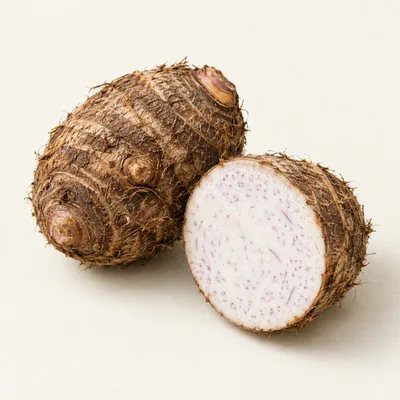 PIT-GROWN STAPLEPulaka
Giant swamp taro reserved for valued meals and customary occasions
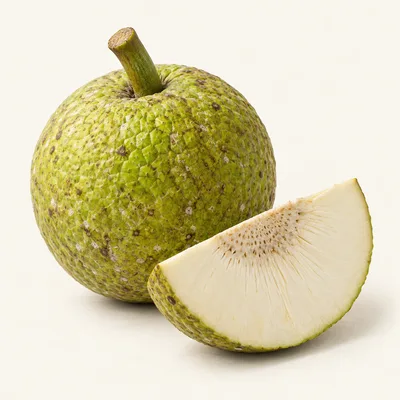 RESILIENT TREE CROPBreadfruit
Boiled, baked, fried or roasted for daily and communal meals
 ATOLL TREE OF LIFECoconut
Cream, toddy, flesh, oil and wrapping materials
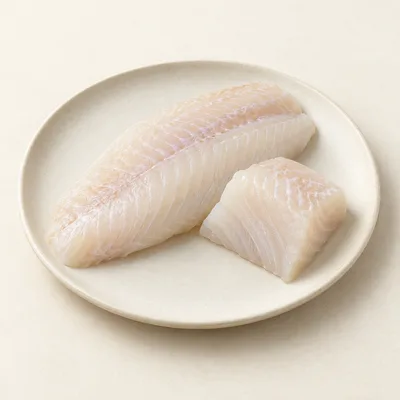 REEF & OCEAN FOODFish
Fresh, grilled, raw, dried or cooked with coconut
Pulaka carries time and ceremony. A plant can take years to mature and is often prepared for Sunday or customary meals; abandoned or salinised pits therefore represent lost labour, food security and cultural continuity. [9][12]
Breadfruit is both daily food and climate strategy. Productive trees use little land, provide shade and supply a versatile starch, which is why Tuvalu selected breadfruit as its priority agricultural product. [10]
Church feast, household kitchen and Funafuti shop reveal a food system under pressure.
A feast mobilises reciprocal labour. Pulaka, pig, chicken, fish, breadfruit and coconut dishes may be prepared in volume for church, family and community occasions, with sharing carrying as much meaning as individual preference. [9][12]
Local fish is not an unlimited fallback. Reef, lagoon and offshore fisheries are central to diet and income, but vessel access, weather, storage and resource management determine what reaches each island and market. [11][12]
Food-culture sources checked .
Fish and raw fish
Fish is an important food in Tuvalu, and Ika Mata is an example centred on raw fish. Ask whether the fish in your dish is raw, cooked, marinated or otherwise prepared, and identify the species if relevant to your needs. Check every accompanying liquid, seasoning, sauce, topping and garnish. Ask whether these are added separately or mixed in advance, and whether boards, knives, bowls or serving spoons have also been used for other foods. A dish described simply as fish may have a different complete recipe.
Palusami and coconut filling
Palusami is an example to ask about where coconut forms part of a filling; one example also includes fish. Do not assume that every palusami portion follows that preparation. Ask what is mixed into the filling, whether it contains a bought-in savoury filling, and whether any sauce, stock, seasoning or cooking liquid is used. Check how the leaves or other wrapping are handled, whether portions are assembled together, and whether the pan, tongs, knife or serving utensil is shared. Confirm the actual portion, not just the dish name.
Solomei and breadfruit preparations
Solomei is an example made with breadfruit, toddy syrup and coconut cream. Ask whether those are the only ingredients in the portion and whether the recipe includes a topping, sauce, thickener or other added component. Breadfruit may also appear in preparations that are not solomei, so ask how it has been cooked and what accompanies it. Check whether the breadfruit was cut, boiled, fried or served with other foods using shared equipment, and whether the cooking liquid or serving utensil is shared.
Lodge menus and varied cuisines
Lodges with restaurants may offer Chinese, Italian and Indian cuisines alongside local dishes. Cuisine names and familiar menu labels do not establish a standard recipe. Ask about stock, soy-based seasoning, dairy, wheat-based crumbs, pastry, thickener, marinades, sauces and toppings when relevant to your needs. Confirm the complete cooking method, including oil, water and cooking liquid. Ask whether the kitchen uses the same pans, boards, knives, strainers or serving utensils for your portion and other dishes, and whether a separate portion is possible.
Ingredients worth recognising
Start with these ingredients, then follow their names and recorded food connections. Check the recipe and product actually used.
Fish
Fish may be served whole, filleted, cooked or raw, including in an Ika Mata example or a palusami filling. Ask which species and form are used, whether the fish is marinated, and whether sauces, liquids, utensils or preparation surfaces are shared.
Coconut
Coconut may appear as cream or another prepared form, including in a palusami filling or with breadfruit in solomei. Ask whether the portion contains coconut cream, milk, flesh or another coconut product, and what else is mixed into it.
Breadfruit
Breadfruit is a local food and appears in the solomei example, but it may be prepared in other ways. Ask whether your portion is boiled, fried, baked or otherwise cooked, and check its complete recipe, cooking liquid, toppings and shared equipment.
Pulaka
Pulaka is a distinct swamp-taro food and should not automatically be treated as ordinary taro. Ask whether pulaka is actually present, how it has been prepared, and whether the dish includes sauces, fillings, cooking liquid or shared pans and utensils.
Banana
Banana is among the foods grown in Tuvalu and may be served in a simple or more elaborate preparation. Ask whether the portion is fresh, cooked or incorporated into another dish, and check any coating, sauce, topping, cooking liquid and shared utensil.
How food labelling works
A current, country-specific allergen-labelling summary for Tuvalu has not yet been verified for this guide. Do not transfer the list of regulated allergens or restaurant disclosure rules from your home country to this one.
Read the complete ingredients on the actual package and keep any local-language sticker with the original label. For imported products, compare the information on that pack rather than a photograph of the brand sold elsewhere. Ask the manufacturer or seller to clarify an unfamiliar term.
For loose food or meals prepared to order, ask who can check the recipe and the labels on bought-in ingredients. Explain every food you avoid, including ingredients outside familiar allergy groups; a short symbol chart may not cover your list.
Language and communication
Prepare a written explanation in Tuvaluan and English, naming the ingredients or preparations that must be avoided and the need for separate utensils if relevant. Ask the person taking the order to repeat the request back and confirm the complete recipe.
Tuvaluan is used in everyday life across the islands, while English is used in government, education and formal communication. Slight island differences in accent and vocabulary are described as mutually understandable. On outer islands, use the written explanation and seek confirmation from the person preparing the food.
Eating in different settings
Lodge restaurant
Ask whether the kitchen can identify every ingredient in Ika Mata, palusami, solomei and sauces. Check whether fish, raw fish, coconut fillings or bought-in savoury fillings use shared boards, knives, pans, oil or serving utensils. Confirm the answer with the cook or supervisor, not only from the menu.
Outer-island meal
Show your written explanation before accepting a meal and ask about the complete recipe. Check fish preparation, coconut filling, stock, seasoning, garnish and cooking liquid. Ask whether your portion can be assembled and cooked separately from shared pans, water, boards, knives and utensils.
Shared village gathering
When food is offered at a community or village gathering, ask which dishes contain fish, raw fish, coconut, breadfruit, pulaka or a savoury filling. Check how sauces, toppings, serving spoons and plates are used, and ask someone to identify the ingredients in your particular portion.
Chinese, Italian or Indian menu
At a lodge serving one of these cuisines, do not rely on the cuisine label or a familiar dish name. Ask about stock, soy-based seasonings, dairy, wheat-based crumbs or pastry, marinades and shared oil. Confirm the exact recipe, cooking method, utensils and separate-portion arrangements.
Before you travel
Review your personal plan
Discuss your travel plans with your clinician and keep your prescribed medicines and emergency instructions accessible. Tell companions where these are and how to follow your plan.
Check your medicines before entering Tuvalu
The legal status of medicines prescribed or bought in the UK can differ in other countries. Before travelling, check TravelHealthPro’s medicine guidance and the NHS information on taking your medicine abroad. Confirm any Tuvalu-specific import or documentation requirements with the relevant authority, and do not change prescribed medicines without appropriate clinical advice.
Make the first meals easier to organise
Contact your accommodation and transport providers in advance. Save your written food list, menu questions and destination address offline. Check entry restrictions before packing backup food, and plan how you will check meals during arrival and onward journeys.
Plan access to medical help
Tuvalu’s only hospital is on Funafuti, while trained nurses serve the outer islands. Facilities are described as generally adequate for routine treatment; serious or complicated problems may require evacuation to Fiji or Australia. Arrange suitable travel health insurance, sufficient medicines and accessible funds for treatment and possible repatriation.
Emergency resources
For a suspected severe allergic reaction, follow your prescribed emergency plan and seek urgent medical help. Give your exact location clearly.
Ambulance and urgent medical help
Call 911 or 999 and ask for an ambulance.
Explore next
Your allergy in Tuvalu
Choose a food concern for the country notes and questions relevant to it.
Dishes in Tuvalu
Follow the ingredients and cuisine connections in individual dish records.
Your own food list
Combine allergy groups and individual ingredients in one guide, with local names where recorded.
Allergy cards
Prepare the information you need to explain your food requirements.
FAQs, sources and review dates
Can I assume Ika Mata is simply raw fish?
Raw fish is central to the Ika Mata example, but that does not identify every accompanying ingredient. Ask what liquid, seasoning, sauce, garnish or topping is added, whether any component is premixed, and whether the preparation uses shared boards, knives, bowls or serving utensils. Confirm the particular portion.
How should I check coconut in palusami?
Ask whether coconut is present and whether it is cream, milk, flesh or another prepared form. Then ask what else is in the filling, including fish or a bought-in savoury filling, and whether stock, seasoning, sauce, dairy, wheat-based ingredients or soy-based seasoning is added. Check shared preparation.
What should I ask about pandanus?
Pandanus is mentioned among Tuvalu’s local food plants, but that does not mean it is in a particular meal. Ask whether pandanus is present, which part or prepared form is used, and whether it is in the main dish, drink, sauce or garnish. Confirm the complete recipe and shared utensils.
Sources checked: . This researched draft is awaiting editorial review. Practical questions apply the sources below to local food settings; they do not confirm any individual meal's ingredients or preparation.
Sources & references (12)
- FCDO · Tuvalu health and medical assistance
Emergency contact details, local healthcare and medicine guidance. UK-specific eligibility does not apply to every visitor.
- Wikivoyage contributors · Tuvalu
Community-edited culinary context only; not an allergy or medical authority. Brief food-context adaptations, CC BY-SA 4.0: https://creativecommons.org/licenses/by-sa/4.0/. Recipe questions also use PlateSafe’s draft records.
- Tuvalu Government · Te Vaka Fenua o Tuvalu
Government context on household food crops and fishing, including pulaka, coconut, breadfruit and bananas.
- UNDP · Keeping the tradition alive in Tuvalu
Examples from a Tuvalu traditional-food workshop, including solomei; recipes vary.
- FARE · Dining out
General recipe and preparation questions, applied here to country-specific food examples.
- FARE · Travelling with food allergies
General preparation, written communication and access to prescribed medicines. Not country-specific import permission.
- PlateSafe · Tuvalu recorded food connections
Existing draft dish and ingredient records, used as examples to investigate. These are not independently verified recipes or suitability assessments.
- Unicode CLDR · Territory language data
Language suggestions. Regional language needs must be confirmed with the particular food provider.
- FAO — Tuvalu Agriculture and Fisheries Report
- FAO — Tuvalu breadfruit priority product
- FAO — Tuvalu fisheries and aquaculture profile
- Government of Tuvalu — Te Vaka Fenua o Tuvalu