

BEFORE YOUR FIRST MEAL
Navigating food allergies in Uganda
Ugandan meals often combine a main dish with a substantial carbohydrate, locally called “food”. Luwombo may involve meat or groundnut sauce steamed in banana leaves, while a Rolex combines an egg omelette, vegetables, onions and a chapati. Recipes and staple choices vary, so ask about every sauce, wrapper, topping, cooking fat and shared utensil rather than relying on a dish name.
What to know first
Groundnut sauces
Binyebwa, luwombo and groundnut stew can centre on peanut or groundnut paste. Ask whether the sauce is made with peanuts and whether it is added during cooking or as an accompaniment.
Staples and wrappers
The accompanying “food” may be matooke, millet, cassava, posho, sweet potato, rice or potato. A chapati in a Rolex or kikomando is wheat-based, so check the complete meal.
Explain the whole recipe
Describe the ingredients you must avoid and ask staff to confirm the sauce, stock, topping, oil, water, utensils and preparation surface, not merely whether a dish is suitable.
Preparation questions
For fried fish, chapati, omelettes or market food, ask what else shares the oil, pan, grill, knife or serving spoon, and whether ingredients are mixed before cooking.
Reading labels
Read the complete ingredients and allergen information on the actual product. If you avoid a food that is not highlighted, ask the producer or food provider to check it specifically.
Understanding the food
Cooking banana, maize, millet, cassava, sweet potato, groundnut, sesame, beans, leafy vegetables, fish, beef and goat change across Baganda, Basoga, Banyankole, Acholi, Iteso, Karamojong and many other communities. Matooke is nationally visible, but smoked fish in the north, millet breads in the east and pastoral milk traditions in the west require a regional map.
Banana, grain, livestock and fishing zones overlap with distinct community foodways.
| Region or community setting | Food landscape | Examples to understand |
|---|---|---|
| Central & Buganda | Cooking-banana gardens, Lake Victoria fish and royal or household feast traditions | Matooke, luwombo, groundnut sauce, greens and tilapia |
| East & Busoga/Teso | Banana, millet, cassava, sesame and busy roadside trade | Millet bread, atapa, malewa, rolex, fish and groundnut sauce |
| West & southwest | Highland banana, cattle, dairy, beans and crater-lake farming | Eshabwe, matooke, millet, beef, beans, milk and ghee |
| North & Karamoja | Millet, sorghum, sesame, pulses, livestock and seasonal gathering | Millet breads and porridges, smoked fish, sesame paste, meat and milk |
Ethnic labels should identify living communities, not restaurant themes. Baganda luwombo, Banyankole dairy, Iteso millet and sesame, and Acholi or Lango grain-and-fish combinations come from different languages, ecologies and social histories. [7][10]
Crop diversity is practical resilience. Banana, cassava, sweet potato, maize, millet and sorghum respond differently to altitude, rainfall and drought, so households often maintain several starches rather than one national staple. [8][9]
Cooking banana, groundnut, tilapia and sweet potato carry sauce, smoke and slow steaming.
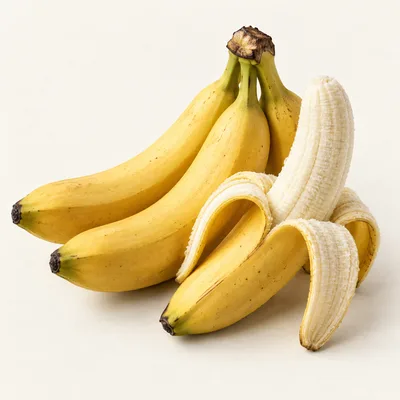 GREAT LAKES STAPLECooking banana
Steamed and mashed as matooke or simmered in stews
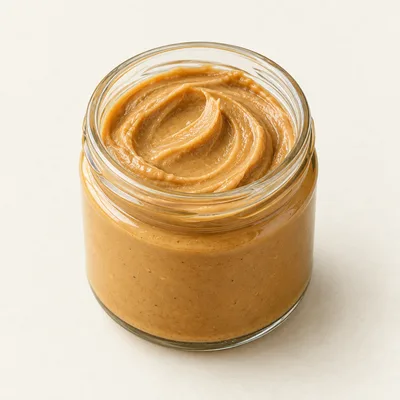 SAUCE & RELISHGroundnut
Ground into rich sauces for vegetables, fish or meat
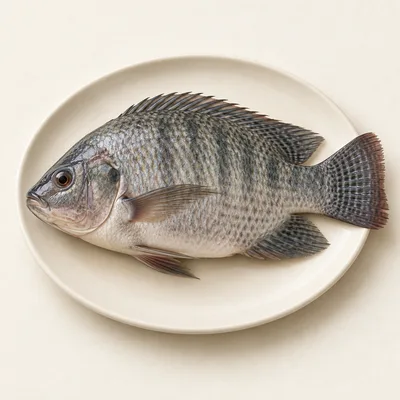 LAKE FISHTilapia
Whole fried, grilled, stewed or cooked in groundnut sauce
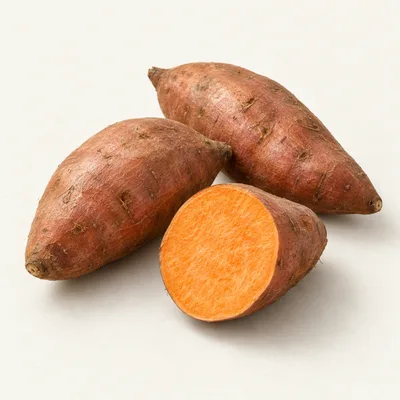 ROOT STAPLESweet potato
Boiled, steamed or served beside beans and sauce
Luwombo is a method of enclosure. Meat, chicken, fish, mushroom or groundnut sauce is sealed in softened banana leaf and steamed, concentrating aroma while the parcel cooks beside matooke or other staples. [10][7]
Rolex belongs to urban improvisation. A chapati wraps a freshly cooked omelette with cabbage, tomato or onion; street vendors vary size, fillings and technique, and the name comes from “rolled eggs,” not the watch. [7][10]
Roadside pan, local-food buffet and family ceremony reveal different scales of cooking.
A buffet can be an index of regional staples. Urban “local food” restaurants often set out matooke, rice, cassava, sweet potato, posho, beans, groundnut sauce, fish and meat together, allowing diners to build a combination. [7][10]
Fish names and water bodies matter. Tilapia, Nile perch, mukene and other fish are sold fresh, smoked or dried around lakes and the Nile; species, processing and origin are more informative than the generic word fish. [8][9]
Food-culture sources checked .
Luwombo and groundnut preparations
Luwombo is described as meat or groundnut sauce steamed in banana leaves, and groundnut paste is recorded as a common sauce base. Binyebwa and groundnut stew likewise centre on peanuts. Ask whether the same sauce is used for meat, vegetables or another dish, whether paste is mixed into the pot, and whether a topping or accompaniment is added separately.
The meal’s “food”
The word “food” can mean the carbohydrate served with a main dish. Possible staples include plantain matooke, millet, cassava, posho made from ground maize, sweet potatoes, rice and potatoes. Matooke is associated with the south, millet with the north and potatoes with the west. Ask which staple is being served and how it is prepared.
Chapati, eggs and street-style combinations
A Rolex is an omelette of egg, onions and vegetables rolled in a chapati; the chapati wrapper is recorded as wheat-based. Kikomando also includes chapati. Ask whether the omelette and bread are cooked on the same surface, what fat is used, and whether vegetables, sauces or fillings are added before serving.
Fish, meat and lighter choices
Whole fried fish may be served with chips or French fries, while roasted chicken or goat on a stick, meat stew, toasted sandwiches and omelettes are also possible choices. For mukene, ask whether the small dried fish is mixed into a sauce. Confirm marinades, stock, frying oil and shared utensils for each preparation.
Ingredients worth recognising
Start with these ingredients, then follow their names and recorded food connections. Check the recipe and product actually used.
Wheat flour
Wheat flour is the core flour in the chapati wrapper used for Rolex and kikomando, and the core dough ingredient in mandazi. Ask whether the item contains wheat flour, and whether wheat-based chapati is prepared on the same surface as your food.
Mukene fish
Mukene is a small dried fish used as the central protein in recorded preparations. Check whether it is served whole, ground into a sauce or mixed with another dish, and ask about shared pans, oil and serving utensils.
Vegetable Oil
“Vegetable oil” is not specific; it may be soybean oil, but the oil used is not identified. Ask which oil is in the pan and whether it is shared with fish, chapati or other foods.
Cow Milk
Cow milk or a milk-derived ingredient may appear in recorded food preparations, including recipe variations for mandazi. Ask whether milk, milk powder or another dairy ingredient is present, and whether dairy is brushed, mixed into dough or added after cooking.
Egg
Egg is the core ingredient in the Rolex omelette and may also be included in some mandazi doughs. Ask whether egg is mixed into the filling or dough, and whether the same pan, spatula or oil is used for other orders.
Peanut
Peanut is the defining base of binyebwa and groundnut stew, and peanut paste is a recorded sauce base for luwombo. Ask whether peanuts are ground into the sauce, added as a topping or present in an accompanying dish.
How food labelling works
A current, country-specific allergen-labelling summary for Uganda has not yet been verified for this guide. Do not transfer the list of regulated allergens or restaurant disclosure rules from your home country to this one.
Read the complete ingredients on the actual package and keep any local-language sticker with the original label. For imported products, compare the information on that pack rather than a photograph of the brand sold elsewhere. Ask the manufacturer or seller to clarify an unfamiliar term.
For loose food or meals prepared to order, ask who can check the recipe and the labels on bought-in ingredients. Explain every food you avoid, including ingredients outside familiar allergy groups; a short symbol chart may not cover your list.
Language and communication
English is widely used in Uganda, with varying fluency, while Luganda is especially relevant in Kampala. Prepare a written explanation in English and, where useful, ask for it to be checked in Luganda. List the ingredients and preparation questions clearly rather than relying on the dish name.
Swahili may be useful in parts of the north and east, but it is not spoken everywhere. A written explanation can be prepared in English, Luganda or Swahili according to the location and the person helping you. Ask staff to confirm the full recipe, regional variation and kitchen handling.
Eating in different settings
Roadside stand or market
For fresh produce, roasted chicken or goat on a stick, ask whether seasoning, sauce or basting is added. Confirm what oil, grill, knife and tongs are shared, and whether the item is cooked separately from other foods.
Chapati or Rolex counter
Before ordering a Rolex or kikomando, ask about the wheat chapati, egg, vegetables, onions and cooking fat. Check whether the omelette is made on the same hotplate, with the same spatula or oil as other foods.
Restaurant meal
For luwombo, binyebwa, groundnut stew, doodo or nakati, ask what is in the sauce and what accompanies it. Confirm stock, toppings, oil, utensils and whether groundnut paste is mixed into the entire pot.
Bakery or packaged-food shop
For mandazi or other packaged items, ask whether the dough contains wheat, egg, cow milk or coconut milk. Read the complete ingredient list where available, and ask about shared trays, tongs and preparation surfaces for loose items.
Before you travel
Review your personal plan
Discuss your travel plans with your clinician and keep your prescribed medicines and emergency instructions accessible. Tell companions where these are and how to follow your plan.
Check your medicines before entering Uganda
The legal status and regulation of some medicines prescribed or bought in the UK may differ in Uganda. Before travel, read TravelHealthPro guidance on travelling with medicines and check Uganda’s relevant authority for any import documents or restrictions applying to your medicines.
Make the first meals easier to organise
Contact your accommodation and transport providers in advance. Save your written food list, menu questions and destination address offline. Check entry restrictions before packing backup food, and plan how you will check meals during arrival and onward journeys.
Plan access to medical help
Medical facilities in Uganda are limited, particularly outside Kampala, and facilities at popular tourist attractions may be poor. Arrange suitable travel insurance and accessible funds for treatment and possible repatriation; check the FCDO list of providers and your insurer about regional access.
Emergency resources
For a suspected severe allergic reaction, follow your prescribed emergency plan and seek urgent medical help. Give your exact location clearly.
Ambulance and urgent medical help
Dial 999 and ask for an ambulance. Medical help at the scene of an accident is likely to be limited, particularly outside Kampala.
Explore next
Your allergy in Uganda
Choose a food concern for the country notes and questions relevant to it.
Dishes in Uganda
Follow the ingredients and cuisine connections in individual dish records.
Your own food list
Combine allergy groups and individual ingredients in one guide, with local names where recorded.
Allergy cards
Prepare the information you need to explain your food requirements.
FAQs, sources and review dates
Is a Rolex just an egg dish?
The recorded example combines an egg, onions and vegetables in a chapati, but the name does not confirm the full recipe. Ask about the wheat wrapper, cooking fat, fillings, sauces and shared pan before ordering, and check whether any accompaniment is added separately.
Can I assume a mandazi contains no dairy or egg?
No. Wheat flour is core to the recorded dough, while recipe variations may use coconut milk or dairy milk, and some doughs include egg. Ask which recipe is being used and whether the batch, tray or utensils are shared.
What should I ask about vegetable oil?
Generic vegetable oil may be soybean oil, but the oil in a particular dish is not identified. Ask what oil is used, whether it is a blend, and whether the same oil has cooked fish, chapati or other foods.
Sources checked: . This researched draft is awaiting editorial review. Practical questions apply the sources below to local food settings; they do not confirm any individual meal's ingredients or preparation.
Sources & references (10)
- FCDO · Uganda health and medical assistance
Emergency contact details, local healthcare and medicine guidance. UK-specific eligibility does not apply to every visitor.
- Wikivoyage contributors · Uganda
Community-edited culinary context only; not an allergy or medical authority. Brief food-context adaptations, CC BY-SA 4.0: https://creativecommons.org/licenses/by-sa/4.0/. Recipe questions also use PlateSafe’s draft records.
- FARE · Dining out
General recipe and preparation questions, applied here to country-specific food examples.
- FARE · Travelling with food allergies
General preparation, written communication and access to prescribed medicines. Not country-specific import permission.
- PlateSafe · Uganda recorded food connections
Existing draft dish and ingredient records, used as examples to investigate. These are not independently verified recipes or suitability assessments.
- Unicode CLDR · Territory language data
Language suggestions. Regional language needs must be confirmed with the particular food provider.
- Uganda Tourism Board — Explore Uganda
- FAO — Uganda country office
- FAO — Uganda country profile
- Uganda Tourism Board — Food and culinary culture