
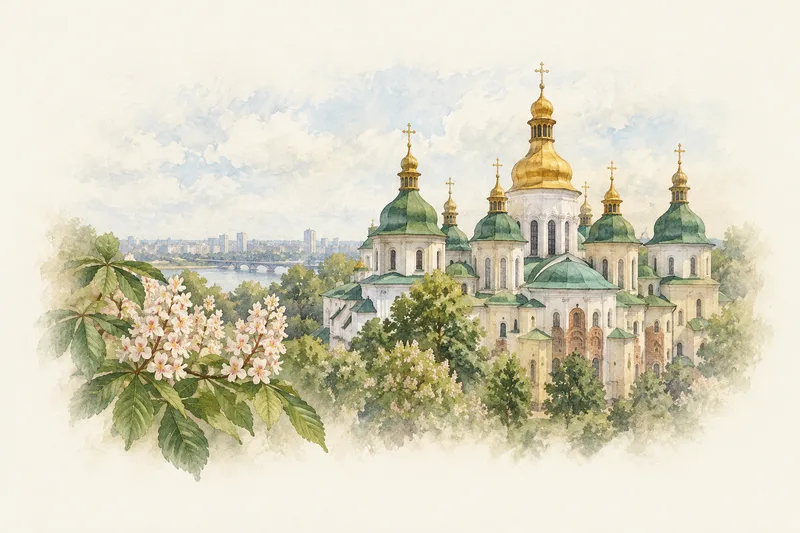
BEFORE YOUR FIRST MEAL
Navigating food allergies in Ukraine
Ukrainian food ranges from beetroot borshch and potato dishes to filled dumplings, enriched breads and dairy-rich desserts. A familiar name can conceal a topping, binder, coating or sauce, while recipes vary between households and regions. Treat each serving as a complete recipe: ask about the base, every addition, cooking medium and shared utensils, especially when ordering soups, dumplings, pancakes or cakes.
What to know first
Soups and accompaniments
Borshch may arrive with sour cream, while green borshch may include boiled or chopped egg. Ask whether either is added in the pot, on top, or served separately.
Doughs and binders
Varenyky, halushky, mlyntsi and many pastries use wheat flour; egg may also bind doughs and mixtures. Confirm the wrapper or batter rather than relying on the dish name.
Explain the whole recipe
Describe the ingredient you must avoid and ask about stock, fillings, sauces, toppings, marinades, shared oil, water and utensils. Ask the person preparing the food to confirm each part.
Preparation matters
Ask whether a potato pancake, dumpling or patty is made on the same surface or in the same oil as other foods, and whether a topping is added after cooking.
Read the complete label
Read the complete ingredients and allergen information on the actual product. If you avoid a food that is not highlighted, ask the producer or food provider to check it specifically.
Understanding the food
Wheat, rye, buckwheat, potato, beet, cabbage, sunflower, pork, dairy, mushroom, fruit and preserved vegetables underpin many local repertoires. Borshch is a living culture with hundreds of versions, while Hutsul banosh, Crimean Tatar chebureky, Odesa port cooking and Polissian forest foods require their own names and histories.
Forest, mountain, steppe and coast organise different pantries.
| Region or community setting | Food landscape | Examples to understand |
|---|---|---|
| Central Ukraine & Podillia | Black-earth grain, beet, orchard fruit and borshch traditions | Borshch, pampushky, varenyky, buckwheat, pork and preserves |
| Polissia & the north | Forest, wetland, rye, potato, mushroom and berry gathering | Rye bread, potato dishes, mushrooms, berries and fermented vegetables |
| Carpathians & west | Highland maize, sheep dairy, beans and Hutsul, Boyko and Lemko traditions | Banosh, bryndza, mushroom soup, bograch and filled breads |
| South, Crimea & Black Sea ports | Fisheries, steppe grain, vineyards and Ukrainian, Crimean Tatar, Jewish, Greek and other port histories | Fish, mussels, forshmak, chebureky, pilaf, aubergine and grapes |
War has changed access and transmission. Displacement, occupation, damaged farms and environmental destruction have separated cooks from land and community, while families and cultural organisations continue documenting and sharing food knowledge. [7][9]
Crimean Tatar food must retain its attribution. Chebureky, yantyk, pilaf and other Crimean Tatar foods belong to an Indigenous people whose deportation, return and renewed displacement are part of the cuisine’s present context. [8][10]
Beet, cabbage, wheat and sunflower move through soup, bread, dumpling and preserve.
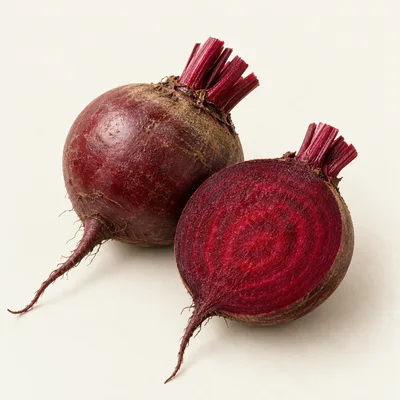 BORSCHCH VEGETABLEBeetroot
Fresh, roasted or fermented for colour, sweetness and acidity
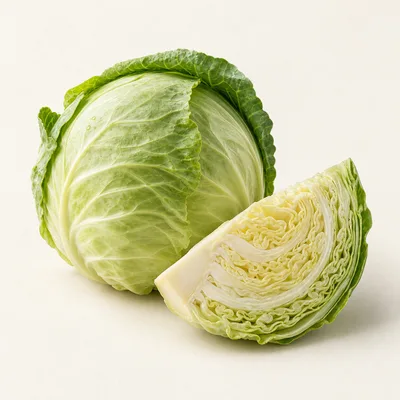 FERMENT & FILLINGCabbage
Borshch, holubtsi, salads and winter fermentation
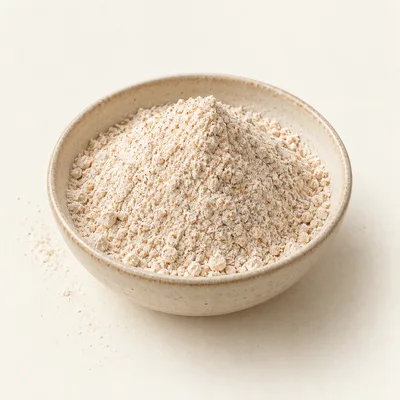 BREAD GRAINWheat
Palianytsia, pampushky, varenyky, noodles and festive baking
Cooking oil, seeds, halva and a symbol of agricultural landscape
There is no single canonical borshch. Broth may be meat-based or meatless; beet can be fresh or fermented; beans, cabbage, potato, dried fruit, mushroom or fish appear according to region, season, faith and occasion. [7][8]
Fermentation extends the field into winter. Cabbage, cucumber, tomato, apple and beet are salted or soured, contributing acidity to meals when fresh produce is limited. [8][10]
Home table, market canteen and contemporary restaurant each negotiate heritage differently.
Hospitality often begins with abundance. Bread, salo, pickles, salads, dumplings and hot dishes may appear in sequence or together, especially at family and ritual occasions rather than an ordinary weekday meal. [8][10]
Diaspora restaurants now carry emergency memory as well as tradition. Menus outside Ukraine may represent a particular displaced region, a fundraising community or an adapted local pantry; ask who cooks and which place their version recalls. [7][9]
Food-culture sources checked .
Soups, stock and toppings
Borshch is associated with red beetroot and is commonly garnished with sour cream; western Ukrainian green borshch is recorded with greens and boiled eggs. Fish yushka has fish as its defining protein. Ask whether stock, cream, egg or fish is in the soup itself, and whether a ladle or pot is shared.
Potatoes, grains and patties
Deruny are potato pancakes that may use wheat flour and egg as binders, while kartoplianyky and potato zrazy may also use both. Grechaniky can contain wheat flour and egg. Ask about the complete mixture, the coating, frying oil and whether the pan is used for other batters.
Dumplings, pancakes and filled doughs
Varenyky can have vegetable, berry, fruit or mushroom fillings; depending on the version, they use wheat dough and may include egg, fresh cheese, butter or sour cream. Halushky use wheat-flour dough and may contain egg. Ask about the wrapper, filling, sauce and finishing ingredients separately.
Breads, cakes and festive dishes
Paska, pampushky, pyrizhky, mlyntsi and cakes commonly involve wheat flour, with milk, butter or egg in several versions. Kyiv Cake has meringue layers, buttercream and cashew; kutia uses wheat berries and may include walnut. Ask about layers, glaze, fillings and decorations.
Ingredients worth recognising
Start with these ingredients, then follow their names and recorded food connections. Check the recipe and product actually used.
Wheat flour
Wheat flour forms the dough or batter in varenyky, halushky, mlyntsi, paska and many pastries; it can also bind potato mixtures. Ask whether flour is used in the wrapper, filling, sauce or coating.
Egg
Egg is commonly used to bind deruny, grechaniky, halushky, kartoplianyky, mlyntsi and varenyky dough, and may enrich breads or cakes. Ask whether it is mixed in, brushed on, boiled as a topping, or used in filling.
Sour Cream
Sour cream is a recorded accompaniment for borshch, green borshch, deruny, holubtsi, kapusniak and varenyky, and may enter sauces or doughs. Ask whether it is added at the table or cooked into the dish.
Fish
Fish is the defining protein of fish yushka and a recognised form of sichenyky. Ask what fish is used, whether stock or sauce also contains fish, and whether the soup pot, oil or utensils are shared.
Mustard Paste
Mustard paste is a common coating or marinade variation for buzhenyna. Ask whether it is applied before cooking, mixed into gravy, or included in a prepared sauce, and check any accompanying dressing separately.
Walnut
Walnut is a traditional but optional addition to kutia, and some makivnyk fillings include walnuts or other nuts. Ask about fillings, decoration and shared equipment, rather than assuming a cake or grain dish is plain.
How food labelling works
A current, country-specific allergen-labelling summary for Ukraine has not yet been verified for this guide. Do not transfer the list of regulated allergens or restaurant disclosure rules from your home country to this one.
Read the complete ingredients on the actual package and keep any local-language sticker with the original label. For imported products, compare the information on that pack rather than a photograph of the brand sold elsewhere. Ask the manufacturer or seller to clarify an unfamiliar term.
For loose food or meals prepared to order, ask who can check the recipe and the labels on bought-in ingredients. Explain every food you avoid, including ingredients outside familiar allergy groups; a short symbol chart may not cover your list.
Language and communication
Ukrainian is the official language and is especially useful for written food explanations. Regional speech differs: western Ukraine, including Lviv, has strong Polish and German influence, while transitional speech is common in central Ukraine. Ask for confirmation in Ukrainian and use the Ukrainian form of place names.
Russian is widely understood in many parts of Ukraine, particularly in eastern and southern areas and urban central Ukraine, but its use varies by region and person. Crimean Tatar is used regionally in Crimea and some southern communities. Language choice and staff confirmation still matter.
Eating in different settings
Traditional restaurant or wood-fire venue
For borshch, shashlyky or holubtsi, ask whether the stock, marinade, sauce and garnish contain your concern. Check whether sour cream is added separately, and ask if meat, vegetables and bread use shared grills, boards or utensils.
Dumpling or pancake counter
With varenyky, deruny, kartoplianyky or mlyntsi, ask for the complete dough and filling recipe. Confirm wheat flour and egg, then ask about frying oil, cooking water, the pan and toppings such as butter, cheese or sour cream.
Bakery or cake shop
For paska, pampushky, pyrizhky, medivnyk, makivnyk or Kyiv Cake, ask about the dough, glaze, cream, meringue, nuts and decoration. Request the packaged or written ingredient information where available, and ask whether shared knives or display trays are used.
Market, supermarket or accommodation kitchen
When buying dairy, meat, bread or packaged food, inspect the full label and date, and ask a seller or host about every sauce, seasoning and added ingredient. In self-catering accommodation, keep separate utensils, pans, oil and cooking water where needed.
Before you travel
Review your personal plan
Discuss your travel plans with your clinician and keep your prescribed medicines and emergency instructions accessible. Tell companions where these are and how to follow your plan.
Check your medicines before entering Ukraine
The legal status of medicines prescribed or bought in the UK may differ in Ukraine. Before travel, ask the relevant Ukrainian authority whether your medicines need any additional documentation and review TravelHealthPro guidance. Keep essential medicine available; pharmacy supplies and opening may vary, particularly outside larger cities.
Make the first meals easier to organise
Contact your accommodation and transport providers in advance. Save your written food list, menu questions and destination address offline. Check entry restrictions before packing backup food, and plan how you will check meals during arrival and onward journeys.
Plan access to medical help
Healthcare availability and operation can vary during the ongoing invasion, and some listed providers may not be operating. Check current provider information and ask your insurer what treatment and facilities your policy covers before travel. Private facilities may not meet western standards, and communication may be difficult if you do not speak Ukrainian, so confirm arrangements with your insurer.
Emergency resources
For a suspected severe allergic reaction, follow your prescribed emergency plan and seek urgent medical help. Give your exact location clearly.
Ambulance and urgent medical help
Call 103 and ask for an ambulance.
Explore next
Your allergy in Ukraine
Choose a food concern for the country notes and questions relevant to it.
Dishes in Ukraine
Follow the ingredients and cuisine connections in individual dish records.
Your own food list
Combine allergy groups and individual ingredients in one guide, with local names where recorded.
Allergy cards
Prepare the information you need to explain your food requirements.
FAQs, sources and review dates
Could borshch be free from dairy if I leave off the sour cream?
Not necessarily. Sour cream is a common accompaniment, but the full soup recipe still needs checking. Ask about the stock, any added cream or butter, garnishes and shared ladles. Green borshch also has recorded boiled or chopped egg, so confirm whether egg is cooked into the soup or added afterwards.
What should I ask about a potato dish if I avoid wheat and egg?
Ask whether the grated or mashed potato mixture contains wheat flour or egg, then check any filling, coating, gravy and sour-cream topping. Deruny, kartoplianyky and potato zrazy have recorded connections with these ingredients, and frying in shared oil or using a shared pan needs separate confirmation.
I avoid walnuts but not other nuts: what needs checking?
Kutia may contain walnut as an optional addition, and makivnyk fillings may include walnuts or other nuts. Kyiv Cake has a recorded cashew connection. Ask specifically about the filling, topping, decoration and preparation equipment, rather than treating all cakes or festive grain dishes as equivalent.
Sources checked: . This researched draft is awaiting editorial review. Practical questions apply the sources below to local food settings; they do not confirm any individual meal's ingredients or preparation.
Sources & references (10)
- FCDO · Ukraine health and medical assistance
Emergency contact details, local healthcare and medicine guidance. UK-specific eligibility does not apply to every visitor.
- Wikivoyage contributors · Ukraine
Community-edited culinary context only; not an allergy or medical authority. Brief food-context adaptations, CC BY-SA 4.0: https://creativecommons.org/licenses/by-sa/4.0/. Recipe questions also use PlateSafe’s draft records.
- FARE · Dining out
General recipe and preparation questions, applied here to country-specific food examples.
- FARE · Travelling with food allergies
General preparation, written communication and access to prescribed medicines. Not country-specific import permission.
- PlateSafe · Ukraine recorded food connections
Existing draft dish and ingredient records, used as examples to investigate. These are not independently verified recipes or suitability assessments.
- Unicode CLDR · Territory language data
Language suggestions. Regional language needs must be confirmed with the particular food provider.
- UNESCO — Culture of Ukrainian borscht cooking
- Ukraine.ua — Ukrainian cuisine
- FAO — Ukraine country office
- Ukrainian Institute — Ukrainian food culture