
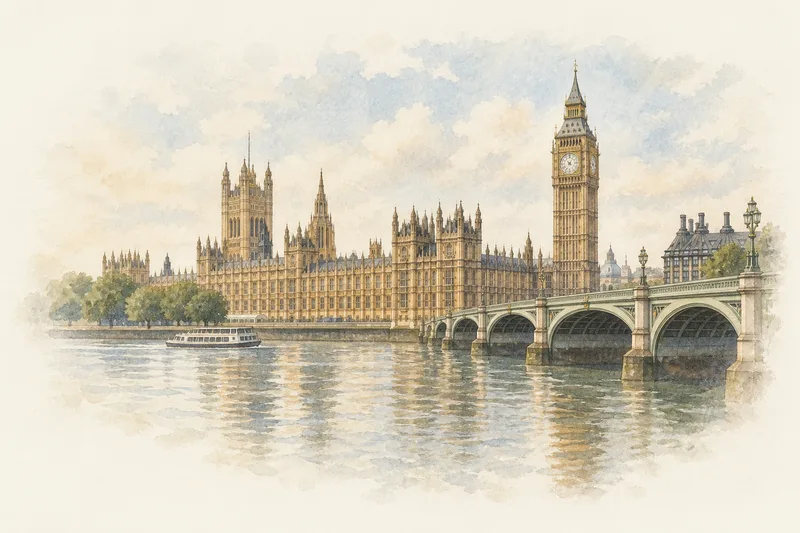
BEFORE YOUR FIRST MEAL
Navigating food allergies in United Kingdom
Across the United Kingdom, familiar dishes often combine wheat-based pastry, bread or batter with butter, milk, egg, fish or meat. Regional examples include Cornish pasty, Yorkshire pudding, Cullen skink and Scottish shortbread, while pubs, takeaways, markets and supermarkets offer very different preparation settings. Treat each recipe, sauce, topping and cooking surface as a fresh check rather than relying on the dish name.
What to know first
Pastry and batter are recurring foundations
Cornish pasty, pork pie, fish and chips, Yorkshire pudding and many regional tarts commonly involve wheat flour; ask about the complete coating, casing or batter.
British dishes can be dairy-rich
Butter, milk, cream, cheese and yoghurt appear across mashed potatoes, soups, puddings, cakes and sauces, including Cullen skink, cranachan and bangers and mash.
Explain the full avoidance list
At a pub, bakery or takeaway, name every ingredient you must avoid and ask staff to check the recipe, sauces, toppings and substitutions separately.
Preparation matters as much as ingredients
Ask whether the meal shares oil, water, pans, boards, utensils or serving equipment with other food, especially battered items, chips, bread and bakery products.
Read the complete label
UK checked guidance covers 14 regulated allergen categories: prepacked labels highlight them, while food packed on site for direct sale needs a full ingredients list with regulated allergens emphasised.
Understanding the food
Wheat, oat, potato, beef, lamb, pork, dairy, brassicas, orchard fruit and seafood underpin many long-standing foods, while South Asian, Caribbean, Chinese, Middle Eastern, African and European communities have transformed the everyday table. A roast, curry, fish supper, bakery counter and modern tasting menu all belong, but none stands for the whole union.
The four nations contain many local food territories of their own.
| Nation or setting | Food landscape | Examples to understand |
|---|---|---|
| England | Arable lowlands, dairy counties, fishing coasts and highly diverse cities | Regional pies, cheeses, fish and chips, curries, roasts, puddings and bakery foods |
| Scotland | Oats, barley, beef, game, islands, salmon and North Atlantic fisheries | Porridge, haggis, smoked fish, shellfish, bannocks, whisky and tablet |
| Wales | Sheep pasture, dairy, leeks, coastal harvest and bilingual food culture | Cawl, Welsh cakes, laverbread, lamb, cheese and bara brith |
| Northern Ireland | Potato, oats, dairy, beef, baking and Atlantic seafood | Soda farls, potato bread, stews, dulse, shellfish and traybakes |
British is not a synonym for English. Scotland, Wales and Northern Ireland maintain their own institutions, languages and culinary narratives, while England itself contains strong county and city traditions. [11][12][13][14]
Migration is part of regional identity. Birmingham balti, Glasgow curry houses, London Caribbean bakeries and countless neighbourhood cuisines grew through particular communities and labour histories, not an abstract fusion trend. [11]
Potato, wheat, cheese and oats move between farmhouse, bakery, takeaway and pub.
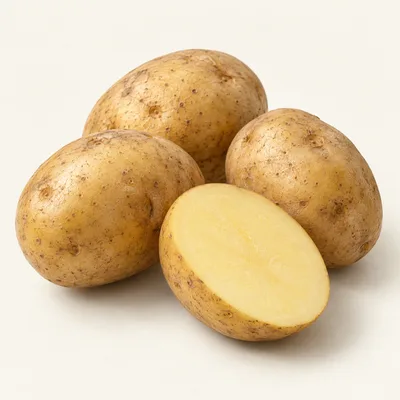 FIELD STAPLEPotato
Chips, mash, roast potatoes, breads, soups and pies
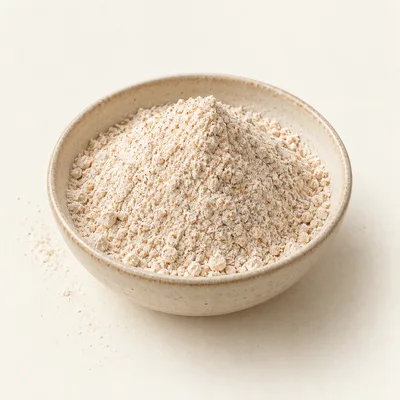 BAKERY GRAINWheat
Bread, pies, puddings, cakes, biscuits and batter
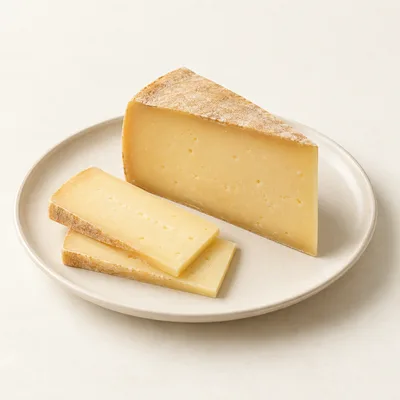 REGIONAL DAIRYCheese
Farmhouse, territorial and modern artisan styles
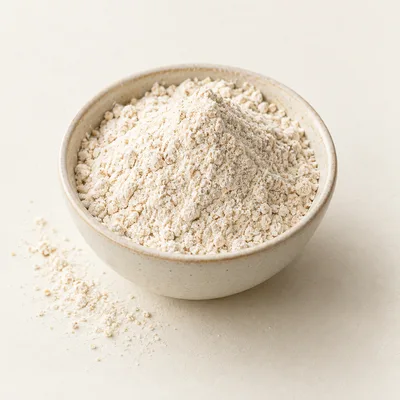 NORTHERN GRAINOats
Porridge, oatcakes, brose, baking and savoury coatings
A protected name ties food to place and method. Regional cheeses, cured meats, pies and other products may carry geographical status, but small local traditions also persist without formal protection. [11][12][13]
Tea means both drink and meal. Depending on speaker and region, tea may be the cup itself, an afternoon service of sandwiches and cakes, or the evening meal. [11]
Pub, chippy, café, curry house and Sunday table each answer a different need.
The pub is not one standard restaurant. Some focus on drink and snacks, others serve roasts, pies and daily specials, and gastropubs operate like full restaurants; ordering may happen at the bar or table. [11][12]
The seaside fish supper is locally variable. Fish species, batter, frying fat, chips, peas, curry sauce and condiments change by coast and shop, so even a national icon retains regional form. [11][14]
Food-culture sources checked .
Pies, pastries and baked dishes
Pastry is central to Cornish pasty, steak and kidney pie, pork pie, Bakewell tart, Eccles cake and black bun. Wheat flour is typical, with butter common in many casings; egg may appear as a glaze or binder. Ask whether the pastry is made on site, which fat is used, and whether fillings contain gravy, stock, mustard or breadcrumbs. A named pie does not establish its complete recipe.
Batter, bread and potato plates
Fish and chips may use a wheat-flour batter, with milk or egg in some versions. Yorkshire pudding, toad in the hole and Scotch egg also combine wheat with egg, while bangers and mash, clapshot and tattie scone may involve butter or milk. Ask about the exact batter or coating, the frying oil, and whether chips share oil or utensils with battered or breaded food.
Soups, broths and composed meals
Cullen skink combines smoked haddock with cow milk and butter; partan bree may use crab, a creamy base, seafood stock and sometimes egg yolk. Scotch broth is associated with barley, while kedgeree combines rice, fish, butter and hard-boiled egg. Check the stock, thickener, garnish and cooking fat separately, including whether a seemingly plain soup has a fish, chicken or beef base.
Cakes, puddings and regional variation
Desserts frequently layer several concerns: trifle may contain wheat sponge, custard, cream and egg; sticky toffee pudding may contain wheat, butter, cream and egg; cranachan is cream-based; Eton mess includes cream and meringue. Regional recipes vary: Bakewell tart may include almond, Dundee cake almond, and Ecclefechan tart walnuts. Ask about fillings, fruit preparations, decorative toppings and custard rather than accepting a category alone.
Ingredients worth recognising
Start with these ingredients, then follow their names and recorded food connections. Check the recipe and product actually used.
Wheat flour
Wheat flour is the usual structural ingredient in Cornish pasty, shortbread, fish-and-chip batter and many pies and puddings. Check whether it appears in pastry, gravy, batter, breadcrumbs or a dusting, and distinguish wheat avoidance from gluten-related requirements.
Butter
Butter is recorded in Aberdeen buttery, apple crumble, bangers and mash, Cullen skink and many pastries. Ask whether the dish uses butter, another dairy fat or a dairy-free substitute, and check frying, mashed-potato enrichment, pastry and finishing separately.
Egg
Egg can bind or glaze pastry, form Yorkshire pudding batter, fill Scotch egg, set custard or make meringue. Ask about the dish, coating, glaze, dessert decoration and shared whisk or utensil, since egg is not present in every comparable recipe.
Chicken stock
Chicken stock may contain celery as part of its vegetable base. It can occur in soups, gravies, pie fillings or savoury sauces even when chicken is not the headline ingredient. Ask which stock is used and whether a separate stock or sauce is added.
Almond
Almond is recorded in Bakewell tart and Dundee cake, including frangipane or characteristic toppings. Ask whether almond is in the filling, decoration, crumb or garnish, and whether nut-containing cakes are sliced or handled with the same knife and serving tools.
Smoked haddock
Smoked haddock is the principal fish in Cullen skink and a possible component of other fish dishes. Ask which fish is used, whether the stock contains seafood, and whether smoked fish is prepared on shared boards, pans or utensils.
How food labelling works
UK allergen information centres on 14 regulated categories. Prepacked labels highlight these within the ingredients. Food prepacked for direct sale, such as a sandwich packed on site before selection, needs a full ingredients list with the regulated allergens emphasised.
For food served without a full label, including restaurant orders, ask for the allergen information and explain your complete avoidance list. Confirm sauces, substitutions and shared preparation separately. For foods outside the regulated list, do not rely on highlighted words alone.
Language and communication
English is used throughout the United Kingdom, but accents, dialects and vocabulary vary between England, Scotland, Wales and Northern Ireland. Prepare a written explanation in English stating your complete avoidance list and the need to check the whole recipe. Ask staff to repeat or confirm details when a regional accent or fast speech makes an ingredient unclear.
Welsh is relevant in Wales, while Irish and Scottish Gaelic have regional presence in parts of the country. Their appearance on signs or menus does not identify a recipe’s ingredients. Where regional wording affects a food name or explanation, show your written English statement and ask the responsible member of staff to confirm the recipe and preparation.
Eating in different settings
Fish-and-chip shop or takeaway
For fish and chips, ask what the batter contains, whether the fish and chips use separate oil, and whether the fryer also handles breaded or sausage items. Check sauces, vinegar, seasonings and serving utensils, and ask whether a plain fish portion is cooked separately or is simply an unbattered item from the same fryer.
Pub kitchen
At a pub, ask for the full recipe rather than relying on a menu label such as pie, roast or pudding. Confirm pastry, gravy, stock, mustard, mash, Yorkshire pudding and dessert toppings separately. Ask whether the order is prepared with a clean pan, board and utensils, and whether sauces or garnishes are added at the pass.
Bakery, market or food hall
For shortbread, Eccles cake, Bakewell tart, Chelsea bun or Dundee cake, ask for the complete ingredients list and whether almond, walnut, egg, milk or wheat is present. Check display labels and ask how items are wrapped, sliced and served, particularly where cakes or pastries share tongs, knives or trays.
Supermarket or self-catering shop
For bread, stock, breadcrumbs, mustard, vinegar, dried fruit or ready meals, read the complete ingredient list and highlighted regulated allergens. Check reformulations, flavourings and toppings rather than assuming two similar products match. If cooking yourself, ask about shared bakery equipment, then keep pans, boards, oil and utensils separate as required for your avoidance plan.
Before you travel
Review your personal plan
Discuss your travel plans with your clinician and keep your prescribed medicines and emergency instructions accessible. Tell companions where these are and how to follow your plan.
Check your medicines before entering United Kingdom
Check whether any of your medicines contain a controlled drug before bringing them into the UK. The Home Office sets specific proof, quantity and licensing requirements for these medicines. Ask your prescriber and consult the official guidance for the medicine and amount you intend to carry.
Make the first meals easier to organise
Contact your accommodation and transport providers in advance. Save your written food list, menu questions and destination address offline. Check entry restrictions before packing backup food, and plan how you will check meals during arrival and onward journeys.
Plan access to medical help
Arrange medical or travel insurance and check what treatment it covers. NHS charging and access depend on your circumstances and the part of the UK you visit. In England, registration with a GP does not by itself give entitlement to free hospital care; consult the relevant national guidance before travelling.
Emergency resources
For a suspected severe allergic reaction, follow your prescribed emergency plan and seek urgent medical help. Give your exact location clearly.
Ambulance and urgent medical help
Call 999 for a life-threatening emergency. Give the location, what has happened and a callback number.
Explore next
Your allergy in United Kingdom
Choose a food concern for the country notes and questions relevant to it.
Dishes in United Kingdom
Follow the ingredients and cuisine connections in individual dish records.
Your own food list
Combine allergy groups and individual ingredients in one guide, with local names where recorded.
Allergy cards
Prepare the information you need to explain your food requirements.
FAQs, sources and review dates
Is a vegetarian or vegan label enough for an allergy decision?
No. A label describes the stated dietary format, not every possible allergen or preparation detail. Ask about stock, butter, milk, egg, sauces, shared oil and garnishes. For example, enquire whether chips use animal fat or shared oil, and whether a vegetable pie contains wheat pastry or dairy mash.
What about ingredients outside common allergy groups, such as barley?
Ask about the exact ingredient even when it is not part of your usual allergy checklist. Scotch broth is recorded with barley, and ale may use wheat or rye. For an individual concern such as barley, request the full recipe, drink or stock formulation and read the complete label rather than relying only on highlighted terms.
Can I assume plain rice or potatoes are suitable?
No. Kedgeree uses rice but may include butter, fish and hard-boiled egg, while mashed potatoes in bangers and mash, shepherd’s pie or mince and tatties may contain milk or butter. Ask about cooking liquid, enrichment, stock, toppings and shared pans before deciding on the complete dish.
Sources checked: . This researched draft is awaiting editorial review. Practical questions apply the sources below to local food settings; they do not confirm any individual meal's ingredients or preparation.
Sources & references (14)
- NHS · When to call 999
Life-threatening emergencies and information to give the call handler. Travel medicine and coverage prompts are general checks, not an assessment of eligibility.
- Wikivoyage contributors · United Kingdom
Community-edited culinary context only; not an allergy or medical authority. Brief food-context adaptations, CC BY-SA 4.0: https://creativecommons.org/licenses/by-sa/4.0/. Recipe questions also use PlateSafe’s draft records.
- FARE · Dining out
General recipe and preparation questions, applied here to country-specific food examples.
- FARE · Travelling with food allergies
General preparation, written communication and access to prescribed medicines. Not country-specific import permission.
- PlateSafe · United Kingdom recorded food connections
Existing draft dish and ingredient records, used as examples to investigate. These are not independently verified recipes or suitability assessments.
- Unicode CLDR · Territory language data
Language suggestions. Regional language needs must be confirmed with the particular food provider.
- Food Standards Scotland · Allergen labelling
Scottish packaged, prepacked-for-direct-sale and loose-food allergen information.
- Food Standards Agency · Consumer allergy information
Scoped allergen-labelling summary. Does not establish an individual meal’s ingredients or preparation.
- UK Home Office · Taking medicines into the UK
Controlled-drug medicine documentation, quantities and licensing; not a rule for every medicine.
- NHS · Healthcare for visitors to England
Visitor access and charging in England, with links to the other UK nations.
- VisitBritain — Eat local: foodie map of Britain
- VisitScotland — Scottish food and drink
- Visit Wales — Food and drink
- Discover Northern Ireland — Food and drink