
BEFORE YOUR FIRST MEAL
Navigating food allergies in United States
Food allergy checks in the United States need to follow the whole recipe, not just a familiar dish name. Regional cooking brings different sauces, toppings and thickeners: gumbo may use a wheat-flour roux, barbecue sauce varies, and sandwiches may include mayonnaise. Packaged foods and restaurant food require different checks, especially for wheat, gluten, shared equipment and stock.
What to know first
Regional recipes differ
Ask which regional version is being served. Barbecue sauces, gumbo, jambalaya, chowders and po’ boys can vary in toppings, thickeners, seafood and seasonings.
Look beyond the main food
Check bread, pastry, mayonnaise, roux, stock, sauce and garnish. A hamburger includes more than beef; a seafood dish may also contain butter, flour or cream.
Explain the whole concern
Tell staff the ingredient to avoid and ask them to confirm the complete recipe, including stock, sauce, toppings, shared oil, water and utensils.
Separate preparation questions
Ask whether the food is fried in shared oil, cooked in shared water, assembled on shared surfaces or handled with the same utensils as other dishes.
Read every packaged label
FDA-covered packaged foods identify milk, egg, fish, crustacean shellfish, tree nuts, peanut, wheat, soy and sesame in the ingredients or a Contains statement; read both.
Understanding the food
Maize, beans, squash, wheat, rice, beef, pork, seafood, dairy, fruit and introduced crops pass through Native nations, African American foodways, borderlands, plantation histories and successive migrations. Barbecue, pizza and burgers are visible national forms, but Diné blue-corn dishes, Gullah Geechee rice, Louisiana Creole cooking and regional Chinese American food demand precise names.
Any four-region map is only an entry point into a much denser food geography.
| Region or community setting | Food history | Examples to understand |
|---|---|---|
| Northeast & Great Lakes | Native crops, Atlantic fisheries, dairy, industry and layered migration | Clams, maple, apples, dairy, diner food, regional pizza and immigrant bakeries |
| South & Gulf | Indigenous crops, African diasporic knowledge, plantation economies and coastal wetlands | Grits, greens, barbecue, gumbo, rice dishes, beans, seafood and cornbread |
| Southwest & borderlands | Native nations, Mexican continuity, ranching and desert agriculture | Maize, beans, chile, wheat tortillas, blue corn, mesquite and carne asada |
| West, Pacific & Hawaiʻi | Tribal fisheries, Asian and Latin American migration, irrigation and island plantation histories | Salmon, sourdough, produce, regional Asian American foods, poke and plate lunch |
Indigenous food is contemporary and sovereign. Tribal nations are restoring seeds, bison, salmon, wild rice and harvesting rights while building present-day food businesses; name the nation rather than treating Native cuisine as one historical category. [11][9]
Regional cuisines record unequal histories. Enslaved African expertise, Indigenous dispossession, migrant labour and exclusion laws sit behind celebrated rice, barbecue, farming and restaurant traditions and should not be edited out. [8][9]
Maize, beans, beef and maple show how ingredient meaning changes by nation and region.
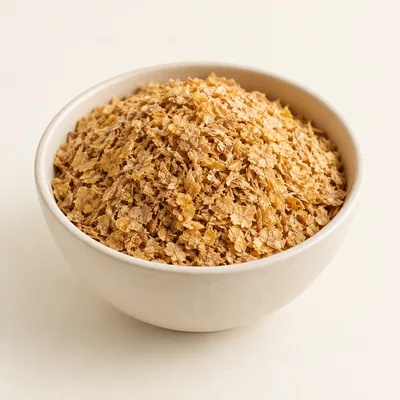 INDIGENOUS CROPMaize
Hominy, tortillas, cornbread, grits, mush and ceremonial foods
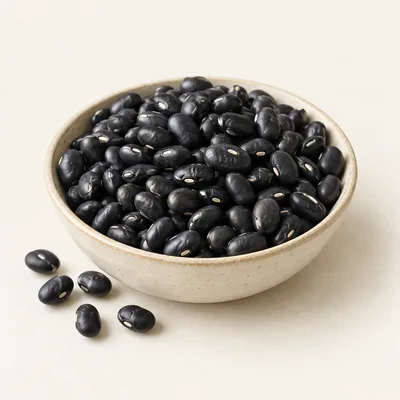 FIELD & PANTRYBeans
Chilli, baked beans, red beans and rice, soups and stews
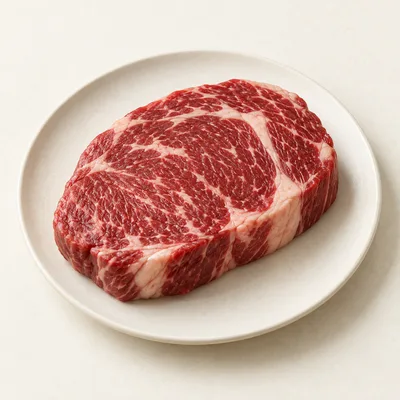 RANCHING MEATBeef
Barbecue, burgers, steak, stews and borderland grilling
 WOODLAND SWEETENERMaple syrup
Indigenous knowledge, sugaring seasons and regional baking
Barbecue is a family of regional systems. Pit design, fuel, animal, cut, seasoning, sauce and service differ across the Carolinas, Texas, Kansas City, Memphis and many Black, Native and local traditions beyond those labels. [8][9]
Industrial abundance does not erase local season. National distribution supplies uniform products, while fisheries, farmers’ markets, tribal harvests and regional crops continue to structure local food and access. [10][11]
Diner, drive-through, food truck, supper club and community feast represent different Americas.
Portion and service conventions vary widely. Counter ordering, table service, tipping, shared plates and takeout all change by venue; a chain restaurant is more standardised than a neighbourhood specialist or tribal enterprise. [8][9]
Ask whose regional claim is being made. “Southern,” “Southwestern” or “Hawaiian” can flatten distinct Black, Native, Mexican American, Asian American and island histories unless the cook, place and technique are identified. [8][11]
Food-culture sources checked .
Southern and Louisiana cooking
Louisiana examples include gumbo, jambalaya, dirty rice, red beans and rice, boudin and crawfish étouffée. Celery commonly appears in their aromatic base, while gumbo and étouffée may use wheat flour for thickening. Ask whether the stock, seasoning blend, roux and finishing butter are made separately, and whether seafood versions share pots or utensils with other recipes.
Barbecue, fried food and sides
Barbecue may mean slowly smoked pork or beef with sauce served on the dish or separately; fried chicken uses a wheat coating and may use egg or buttermilk. Southern sides such as cornbread, green bean casserole and potato salad need their own recipe checks. Ask about marinade, coating, sauce, frying oil and shared serving equipment rather than relying on the menu heading.
Seafood and regional soups
Seafood examples range from New England clam chowder and Manhattan clam chowder to lobster rolls, oysters, shrimp dishes and crawfish boils. New England chowder commonly contains milk or cream, while flour may thicken it; Manhattan versions commonly use celery. Ask whether the broth is fish- or shellfish-based, whether toppings contain butter or breadcrumbs, and whether seafood shares cooking water.
Breads, sandwiches and desserts
Recognisable items such as BLT sandwiches, club sandwiches, po’ boys, Reubens, cheesesteaks, apple pie, pecan pie and cheesecake combine several components. Bread may contain wheat, milk, egg, soy or sesame; fillings may add cheese or mayonnaise. Ask for the complete bread, spread, pastry, filling and topping ingredients, and confirm whether substitutions use a separate toaster, knife or surface.
Ingredients worth recognising
Start with these ingredients, then follow their names and recorded food connections. Check the recipe and product actually used.
Bread
Bread may appear as sandwich slices, rolls, French bread, buns or pastry-like bases. Formulations can include wheat, milk, egg, soy or sesame. Check the complete ingredient list and ask whether the bread shares a toaster, knife or preparation surface.
Mayonnaise
Mayonnaise is a common spread in BLT sandwiches, club sandwiches, po’ boys, lobster rolls and dressings. Traditional versions commonly contain egg, although egg-free formulations exist. Ask which mayonnaise is used, whether it is in the sauce, and whether the same spoon enters other containers.
Butter
Butter can occur in pastry, barbecue-style shrimp, sauces, grits, seafood toppings and fried or cooked dishes. It is a milk-derived ingredient. Ask whether butter is added during cooking, brushed on afterwards, or present in the pastry or sauce, and whether a separate pan or utensil is used.
Celery
Celery is recorded in aromatic bases for gumbo, jambalaya, dirty rice, chowders, boudin and other savoury dishes, and may appear as a garnish. Check stocks, broths, seasoning blends and prepared sauces, not only visible celery pieces. Confirm the full recipe with the cook.
Wheat flour
Wheat flour may form bread, pastry, fried coatings, roux, pasta and cake. It is distinct from gluten, so ask the relevant question for the concern involved. Check sauces and coatings as well as the obvious bread, and ask about shared fryers, water and utensils.
Shrimp
Shrimp appears in po’ boys, shrimp Creole, barbecue shrimp, jambalaya and other seafood recipes. It is a crustacean. Ask whether the stock, sauce or garnish contains shrimp or other seafood, and whether the same oil, grill, pan, tongs or serving utensils are used.
How food labelling works
For foods covered by FDA allergen-labelling rules, the nine major allergens are milk, egg, fish, crustacean shellfish, tree nuts, peanut, wheat, soy and sesame. Source names can appear in the ingredients or a Contains statement. Read both parts of the label.
FDA rules do not cover every product or setting: meat, poultry and certain egg products have separate federal oversight, and restaurant requirements vary by jurisdiction. A packaged-food declaration does not confirm a restaurant recipe or shared preparation.
Wheat is not a declaration of every gluten-containing grain. Molluscs and foods such as mustard, celery or coconut are not covered simply because other allergens are named. Check your exact food in the complete ingredients and with the producer.
Language and communication
English is widely used most useful for explaining an allergy or intolerance in the United States. Prepare a written explanation naming the exact ingredient and the need to check the complete recipe, stock, sauce, toppings, shared oil, water and utensils. Dish and ingredient names are recognition aids, not a complete request.
Spanish is widely used in parts of California, the Southwest, Texas, Florida, Chicago and New York. A written explanation can help where relevant, but regional variation matters: ask the person taking the order to confirm the message with the cook. Do not assume a menu label or translation describes every ingredient.
Eating in different settings
Diner or breakfast counter
For pancakes, waffles, eggs, pain perdu or cornbread, ask whether the batter contains wheat, milk or egg, and what is used on the grill. Check butter, syrup, whipped cream and shared utensils; ask whether an item is cooked on the same surface as other batter.
Barbecue or fried-food counter
For barbecue, fried chicken, ribs or sides, ask for the meat, rub, marinade, sauce and garnish separately. Confirm the coating and frying oil, and whether the same fryer, tongs or serving surfaces are used for breaded foods and other items.
Seafood restaurant or market
For a lobster roll, crawfish dish, oyster preparation, chowder or shrimp meal, ask about broth, butter, cream, flour, breadcrumbs and mayonnaise. Confirm whether shellfish shares pans, grills, oil, stock or utensils with fish and other seafood.
Supermarket or packaged-food shop
For bread, chocolate, biscuits, sauces, frozen meals or desserts, read the complete ingredient list and the Contains statement. Check both rather than relying on front-of-pack terms. Ask the producer or shop about an unclear ingredient, recipe variation or unsealed food.
Before you travel
Review your personal plan
Discuss your travel plans with your clinician and keep your prescribed medicines and emergency instructions accessible. Tell companions where these are and how to follow your plan.
Check your medicines before entering United States
Some medicines prescribed or bought in the UK may be regulated differently in the United States, and some prescription drugs cannot be taken in. Check FDA medicine-import information, NHS guidance and TravelHealthPro before travel, including documentation and whether your medicine is permitted.
Make the first meals easier to organise
Contact your accommodation and transport providers in advance. Save your written food list, menu questions and destination address offline. Check entry restrictions before packing backup food, and plan how you will check meals during arrival and onward journeys.
Plan access to medical help
UK prescriptions are not valid in the United States; pharmacy medicines require a prescription from a US provider. Treatment can be expensive, with no special arrangements for British visitors. Check travel insurance and accessible funds, and ask your insurer what arrangements apply in American Samoa, where facilities are basic.
Emergency resources
For a suspected severe allergic reaction, follow your prescribed emergency plan and seek urgent medical help. Give your exact location clearly.
Ambulance and urgent medical help
Dial 911 and ask for an ambulance.
Explore next
Your allergy in United States
Choose a food concern for the country notes and questions relevant to it.
Dishes in United States
Follow the ingredients and cuisine connections in individual dish records.
Your own food list
Combine allergy groups and individual ingredients in one guide, with local names where recorded.
Allergy cards
Prepare the information you need to explain your food requirements.
FAQs, sources and review dates
Is a hamburger simply beef and a bun?
Not necessarily. One version of the standard bun contains wheat and sesame, while cheese is a common topping. Ask about the patty seasoning, bun, cheese, sauce, toppings, grill and shared utensils; also check whether the bun is toasted on a shared surface.
What should I ask about a Reuben sandwich?
A Reuben commonly brings together rye bread, Swiss cheese and Russian dressing, which is often mayonnaise-based and may contain egg. Ask about every component, including mustard, and confirm the bread, spread, cheese and assembly surface rather than treating the sandwich name as a complete recipe.
What about celery, which is outside the nine FDA major allergens?
Celery can be present in American stocks, aromatic bases, chowders, gumbo, jambalaya and seasoning blends. FDA major-allergen labelling does not cover celery simply because other allergens are named. Ask directly about celery, celery salt and prepared stock, and check the complete packaged-food ingredients.
Sources checked: . This researched draft is awaiting editorial review. Practical questions apply the sources below to local food settings; they do not confirm any individual meal's ingredients or preparation.
Sources & references (11)
- FCDO · United States health and medical assistance
Emergency contact details, local healthcare and medicine guidance. UK-specific eligibility does not apply to every visitor.
- Wikivoyage contributors · United States
Community-edited culinary context only; not an allergy or medical authority. Brief food-context adaptations, CC BY-SA 4.0: https://creativecommons.org/licenses/by-sa/4.0/. Recipe questions also use PlateSafe’s draft records.
- FARE · Dining out
General recipe and preparation questions, applied here to country-specific food examples.
- FARE · Travelling with food allergies
General preparation, written communication and access to prescribed medicines. Not country-specific import permission.
- PlateSafe · United States recorded food connections
Existing draft dish and ingredient records, used as examples to investigate. These are not independently verified recipes or suitability assessments.
- Unicode CLDR · Territory language data
Language suggestions. Regional language needs must be confirmed with the particular food provider.
- FDA · Food allergies and labels
Scoped allergen-labelling summary. Does not establish an individual meal’s ingredients or preparation.
- Smithsonian Folklife — Foodways
- US National Park Service — American foodways
- USDA — Agriculture in the United States
- USDA — Indigenous Food Sovereignty Initiative