

BEFORE YOUR FIRST MEAL
Navigating food allergies in Uruguay
Uruguayan food combines grilled meats, wheat-based pastries, Italian-influenced pasta and dairy-rich sweets. A single named dish may include several separate components: chivito can combine bread, egg, cheese and mayonnaise, while an empanada may have a wheat shell and an egg-containing filling. Ask about the complete preparation, including sauces, garnishes, cooking surfaces and shared oil or utensils.
What to know first
Bread and pastry recur
Wheat flour appears in empanada shells, bizcochos, churros, torta frita, pizza dough and sandwich rolls. Ask whether the complete item contains wheat, rather than relying on its name.
Complete dishes are composite
Chivito may combine wheat bread, steak, egg, mozzarella, ham, bacon, mayonnaise and fries. Confirm every component, including toppings, sauces, fillings and the form ordered: al pan or al plato.
Explain the concern in Spanish
Prepare a written explanation in Spanish naming the ingredient or condition, the foods to avoid, and the need to check the complete recipe. Ask the server to confirm the answer with the cook.
Check preparation as well as ingredients
Ask whether shared oil, water, grills, boards, knives or serving utensils are used for other foods. For fried items such as churros or torta frita, ask what else is cooked in the same oil.
Read the complete ingredient list
Read the complete ingredients and allergen information on the actual product. If you avoid a food that is not highlighted, ask the producer or food provider to check it specifically.
Understanding the food
Beef, wheat, maize, milk, cheese, yerba mate, grape, sweet potato, pumpkin and coastal fish underpin parrilla, pasta, pizza, bakery and home food. Asado and chivito are national signatures, but torta frita on a wet afternoon, hand-carried mate, inland dairy and Rocha’s shellfish reveal a broader everyday repertoire.
Capital, pasture, river and Atlantic coast create different eating landscapes.
| Region or setting | Food landscape | Examples to understand |
|---|---|---|
| Montevideo | Port, cafés, markets, Italian and Spanish migration and parrilla culture | Asado, chivito, pizza, fainá, pasta, milanesa and bakery sweets |
| Interior cattle & dairy country | Pasture, ranching, small towns and cooperative dairying | Beef, lamb, cheese, milk sweets, stews and fire cooking |
| Río Uruguay & north | River fisheries, citrus, rice and Brazilian or Argentine border exchange | River fish, rice, citrus, barbecue and mate |
| Rocha & Atlantic east | Ocean, lagoons, artisanal fishing, seaweed and native fruit | Sirí crab, mussels, shark, brótola, seaweed, butiá and arazá |
Cattle abundance is historical infrastructure. Pasture, ranching and export shaped meat consumption and the parrilla, but contemporary Uruguay also has major dairy, rice, citrus, olive-oil and wine production. [7][10]
Río de la Plata migration reshaped the city table. Italian-derived pasta, pizza and fainá became ordinary Montevideo foods beside Spanish baking and Creole meat traditions rather than remaining foreign restaurant categories. [9][8]
Beef, wheat, dairy and grape connect parrilla, café, bakery and vineyard.
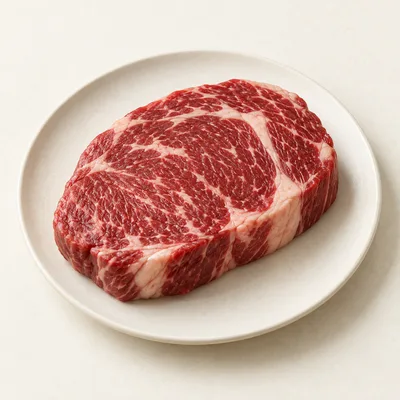 PASTURE ECONOMYBeef
Parrillada, chivito, milanesa, stew and everyday grilling
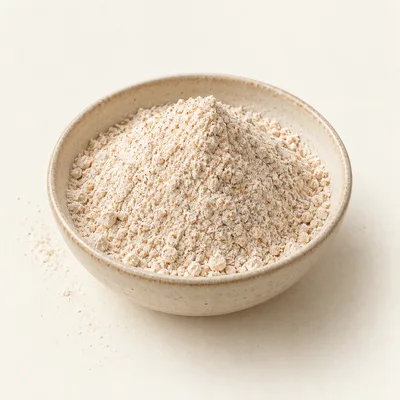 BAKERY GRAINWheat
Bread, pasta, pizza, bizcochos and torta frita
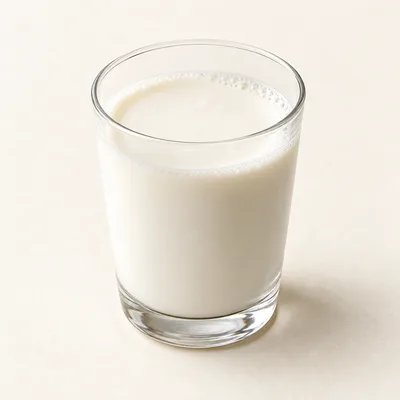 DAIRY TRADITIONMilk
Cheese, yoghurt, butter and dulce de leche
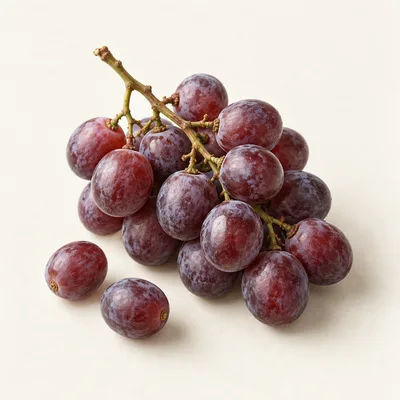 WINE CROPTannat grape
The emblematic red variety alongside a broader wine culture
Asado names an event as well as cooked meat. A parrillero manages wood embers, timing and cuts while people gather; beef, offal, sausage, chicken or vegetables may share the grate. [7][8]
Mate is mobile social infrastructure. People carry gourd, bombilla and thermos through streets and parks, sharing refills according to an understood sequence rather than treating the infusion as a café order. [8][9]
Parrillada, bar, confitería and coastal kitchen each frame a different kind of meal.
The chivito is a maximalist sandwich, not goat meat. Thin beef steak is layered with accompaniments that may include ham, cheese, egg, lettuce, tomato and mayonnaise, with al plato versions served without bread. [9][8]
Look east for a different national plate. Atlantic and lagoon species, seaweed and native fruits in Rocha challenge the idea that Uruguay is only beef and wine country. [7][10]
Food-culture sources checked .
Grilled meats and assembled plates
Asado is described as a selection of meats cooked over wood coals, including beef short ribs, sausage, blood sausage, sweetbreads and other offal. At a market or restaurant, ask whether the grill, tongs and serving board are shared, and whether any sausage or seasoning is added to the portion. A chivito is assembled rather than being just steak: ask separately about the bread, egg, mozzarella, mayonnaise, ham, bacon, vegetables and fries.
Pastry counters and portable food
Empanadas are hand-sized pies available at corner bakeries, while bizcochos, bolas de fraile, churros and tortas fritas are other pastry or fried examples. Ask which flour is in the dough, whether egg or dairy is used, and what fills or finishes the item. For fried foods, check the oil, fryer and utensils rather than assuming separate preparation.
Italian-influenced pasta and baked dishes
Pasta and Italian-style dishes have a recorded place in Uruguayan cooking, including ravioli, capeletis a la Caruso, fugazza and pizza al tacho. Fresh filled pasta may contain wheat and egg, while a Caruso-style sauce may contain cream, butter and cheese. Ask about the dough, filling, sauce, stock, toppings and shared cooking water.
Sweets with several dairy and egg components
Dulce de leche appears in confections such as alfajores, ice cream, Ricardito and chajá. Other recorded sweets include flan, arroz con leche, Massini and sponge-cake desserts. Ask whether the recipe uses milk, butter, cream, egg, meringue or chocolate coating, and whether a topping or filling is bought separately from the base.
Ingredients worth recognising
Start with these ingredients, then follow their names and recorded food connections. Check the recipe and product actually used.
Wheat flour
Wheat flour is recorded in empanada shells, alfajores, bizcochos, chivito bread, pizza and torta frita. Ask whether the dough, crumb coating or bread contains wheat, and whether flour is used on shared worktops or utensils.
Egg
Egg is recorded in dishes ranging from alfajor dough and bizcochos to milanesa coating, flan and chivito. Ask whether it is in the dough, filling, wash, garnish, mayonnaise or sauce, not only whether the dish contains a visible egg.
Mozzarella Cheese
Mozzarella is recorded in chivito, fugazza, pizza al tacho and pamplona. Ask whether it is added to the complete dish, whether another cheese is used, and whether the cheese is handled with shared knives, boards or serving utensils.
Dulce de Leche
Dulce de leche is a milk-and-sugar preparation recorded in alfajores, bolas de fraile and chajá, among other sweets. Ask whether it is in the filling, topping or served separately, and check the complete recipe of the pastry around it.
Peanut
Peanuts may be present in garrapiñada, sugar-roasted peanuts. Ask whether peanuts are present in the portion, whether they are added as a topping, and whether scoops, trays or serving tools are shared with other foods.
Vinegar
Vinegar may appear in preparations such as lengua a la vinagreta, but its type is unspecified. Ask what type is used and whether the bottle, dressing or complete sauce has other ingredients, including any declared additives.
How food labelling works
A current, country-specific allergen-labelling summary for Uruguay has not yet been verified for this guide. Do not transfer the list of regulated allergens or restaurant disclosure rules from your home country to this one.
Read the complete ingredients on the actual package and keep any local-language sticker with the original label. For imported products, compare the information on that pack rather than a photograph of the brand sold elsewhere. Ask the manufacturer or seller to clarify an unfamiliar term.
For loose food or meals prepared to order, ask who can check the recipe and the labels on bought-in ingredients. Explain every food you avoid, including ingredients outside familiar allergy groups; a short symbol chart may not cover your list.
Language and communication
Spanish is Uruguay’s official and national language. Prepare a written explanation in Spanish that names the ingredient or condition, the dishes being discussed, and the need to check the full recipe. Use dish names such as chivito, empanada or milanesa as recognition aids, not as a complete request.
Spanish pronunciation and vocabulary are Rioplatense, with vos commonly used, so ask for repetition or confirmation if an answer is unclear. Portuguese may be heard near the Brazilian border and in major tourist spots; regional language differences and staff confirmation still matter. Do not assume a brief word or dish name communicates the full concern.
Eating in different settings
Corner bakery or pastry counter
For empanadas, bizcochos, churros or torta frita, ask what is in the dough and filling, whether egg wash or butter is used, and whether the item was fried in oil shared with other foods. Ask staff to identify the exact piece before it is wrapped.
Market grill or asado setting
At a meat counter or grill, ask which meats are on the same cooking surface and whether blood sausage, sausage or offal shares tongs and boards with your portion. Confirm any sauce, seasoning or bread served alongside, and whether fries use a shared fryer.
Pasta or pizza restaurant
For ravioli, capeletis a la Caruso, fugazza or pizza al tacho, ask about wheat and egg in the dough, the filling, cooking water, cream, butter, cheese and toppings. Ask whether the requested sauce is made separately and whether utensils are shared.
Supermarket or packaged-food shop
For alfajores, biscuits, chocolate, sponge-cake desserts or dulce de leche, read the complete ingredient list. Ask about milk, butter, egg, wheat and soy-derived emulsifiers, and whether a chocolate coating or filling is a separate purchased component.
Before you travel
Review your personal plan
Discuss your travel plans with your clinician and keep your prescribed medicines and emergency instructions accessible. Tell companions where these are and how to follow your plan.
Check your medicines before entering Uruguay
The legal status of medicines prescribed or bought in the UK may differ in Uruguay. Check TravelHealthPro guidance before travel. Carry enough regular prescribed medicine for the visit; complex treatment may be unavailable in smaller towns. To obtain prescribed medication in Uruguay, you will need a local doctor’s prescription.
Make the first meals easier to organise
Contact your accommodation and transport providers in advance. Save your written food list, menu questions and destination address offline. Check entry restrictions before packing backup food, and plan how you will check meals during arrival and onward journeys.
Plan access to medical help
Medical and dental treatment in Uruguay is described as expensive. Check that travel health insurance covers treatment and repatriation, with accessible funds available. For care, consult current official information about medical providers, including whether a listed provider suits your location and communication needs.
Emergency resources
For a suspected severe allergic reaction, follow your prescribed emergency plan and seek urgent medical help. Give your exact location clearly.
Ambulance and urgent medical help
Call 911 and ask for an ambulance.
Explore next
Your allergy in Uruguay
Choose a food concern for the country notes and questions relevant to it.
Dishes in Uruguay
Follow the ingredients and cuisine connections in individual dish records.
Your own food list
Combine allergy groups and individual ingredients in one guide, with local names where recorded.
Allergy cards
Prepare the information you need to explain your food requirements.
FAQs, sources and review dates
Can I treat a chivito as just a steak sandwich?
No. The recorded complete example can include wheat bread, fried egg, mozzarella, ham, bacon, tomato, lettuce, onion, mayonnaise and fries, with an al plato version without bread. Ask about every component and the preparation of the fries, not just the steak.
What should I ask about a vegetarian pasta order?
Ask whether the pasta dough contains wheat and egg, what is inside a filled pasta, and whether the sauce contains meat, stock, cream, butter or cheese. Ravioli or another pasta name does not establish the recipe, so request confirmation of the complete plate.
Is peanut only relevant when I order garrapiñada?
Peanut is specifically recorded in garrapiñada, but its presence in any particular meal still needs checking. Ask about toppings, sweets, shared trays and scoops, especially where several confectionery items are displayed together. Do not infer its presence or absence from a dish name alone.
Sources checked: . This researched draft is awaiting editorial review. Practical questions apply the sources below to local food settings; they do not confirm any individual meal's ingredients or preparation.
Sources & references (10)
- FCDO · Uruguay health and medical assistance
Emergency contact details, local healthcare and medicine guidance. UK-specific eligibility does not apply to every visitor.
- Wikivoyage contributors · Uruguay
Community-edited culinary context only; not an allergy or medical authority. Brief food-context adaptations, CC BY-SA 4.0: https://creativecommons.org/licenses/by-sa/4.0/. Recipe questions also use PlateSafe’s draft records.
- FARE · Dining out
General recipe and preparation questions, applied here to country-specific food examples.
- FARE · Travelling with food allergies
General preparation, written communication and access to prescribed medicines. Not country-specific import permission.
- PlateSafe · Uruguay recorded food connections
Existing draft dish and ingredient records, used as examples to investigate. These are not independently verified recipes or suitability assessments.
- Unicode CLDR · Territory language data
Language suggestions. Regional language needs must be confirmed with the particular food provider.
- Uruguay Marca — Gastronomy and wine tourism
- Uruguay Natural — More than a country
- Intendencia de Montevideo — Official tourist guide
- FAO — Uruguay country profile