
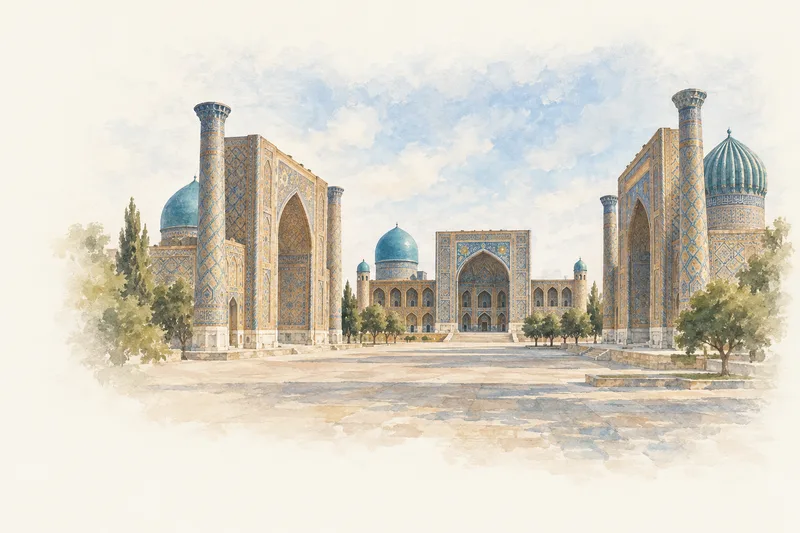
BEFORE YOUR FIRST MEAL
Navigating food allergies in Uzbekistan
Uzbekistan’s food includes rice dishes, breads, soups, grilled meat, dumplings, noodles and filled pastries. Osh or plov changes by region and may include ingredients beyond its familiar rice, carrot, onion and mutton base. Wheat appears widely in bread, noodles and pastry, while dairy, egg, nuts and sesame may occur in particular recipes or toppings. Ask for the complete preparation before ordering.
What to know first
Rice and regional variation
Osh, also called plov or palov, is based on rice, carrots, onions and mutton, but recorded variations add peas, raisins, dried fruit, pumpkin, quince or spices.
Wheat appears in many forms
Bread, lagman noodles, chuchvara, manti and somsas may contain wheat-based elements; do not treat a filling as separate from its wrapper or dough.
Explain the whole dish
Ask whether the recipe contains wheat, egg, milk, yoghurt, sesame, almond, walnut or soy sauce, and whether stock, sauce, garnish or a topping changes the answer.
Ask about preparation
Check what oil, broth and cooking water are used, and whether utensils, pans, surfaces or frying oil are shared with other foods you need to avoid.
Read the complete label
For packaged food, read the full ingredient list and preparation directions every time; country-specific checked labelling rules are not provided.
Understanding the food
Rice, wheat, lamb, beef, carrot, onion, chickpea, mung bean, dairy, grape, melon, apricot and herbs change from Tashkent and the Fergana Valley to Samarkand, Bukhara, Khorezm and Karakalpakstan. Plov is central, but its rice, fat, meat, carrot, cooking order and social setting vary enough to form a national map of their own.
Oasis cities and river valleys maintain recognisable grain, meat and pastry traditions.
| Region | Food landscape | Examples to understand |
|---|---|---|
| Tashkent | Capital markets, multiple migration histories and dedicated plov centres | Tashkent plov, norin, lagman, chuchvara, samsa and breads |
| Fergana Valley | Dense irrigation, rice, orchard fruit, livestock and craft food towns | Devzira-rice plov, kebab, dumplings, non and fresh fruit |
| Samarkand & Bukhara | Silk Road cities, layered Persianate and Jewish histories | Layered plov, breads, shurpa, samsa, dried fruit and sweets |
| Khorezm & Karakalpakstan | Amu Darya irrigation, desert-edge pastoralism and Aral food heritage | Tukhum barak, shivit oshi, fish, rice, sorghum and flatbreads |
Silk Road should describe exchange, not exotic decoration. Oasis agriculture, caravan cities, Turkic and Persianate settlement, Jewish communities and neighbouring peoples shaped techniques and ingredients over centuries. [7][8]
Karakalpak food warrants its own attribution. Northwestern fish, grain and pastoral foods belong to Karakalpak communities living through the ecological upheaval of the Aral Sea, not a generic Uzbek regional variant. [9][8]
Rice, carrot, lamb and apricot move from kazan to market stall and guest table.
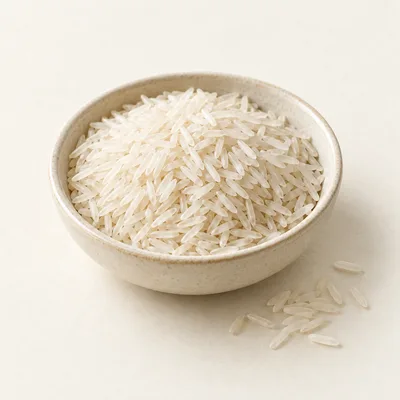 PLOV GRAINRice
Regional varieties cooked in layered kazan preparations
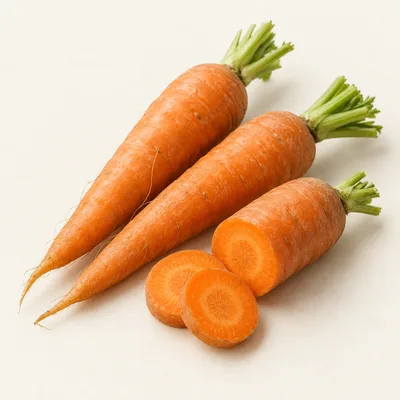 PLOV VEGETABLECarrot
Yellow or orange strips sweeten rice and meat
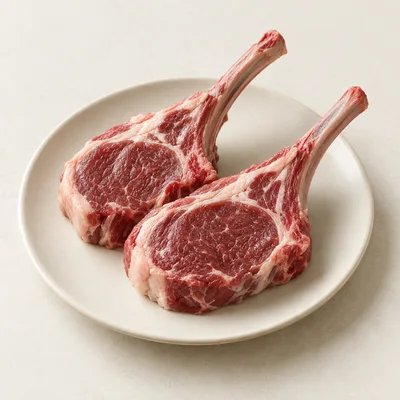 PASTORAL MEATLamb
Plov, shurpa, samsa, manti and charcoal kebab
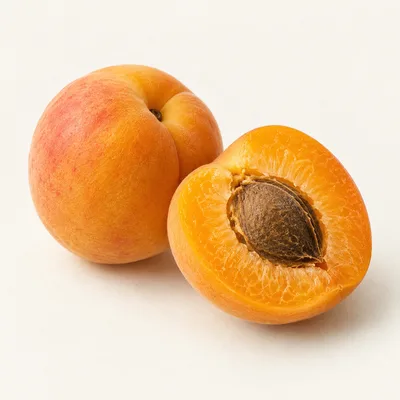 ORCHARD FRUITApricot
Fresh, dried, preserved and served with nuts or tea
Palov is a social institution. It marks hospitality, weddings, memorials and community gatherings; knowledge of ingredients, fire, kazan and serving is transmitted between generations and divided by context as well as gender. [10][7]
Bread organises the table. Round non is patterned, baked in a tandir, placed face-up and broken by hand, with regional forms differing in thickness, fat and decoration. [8][9]
Osh markazi, bazaar, chaikhana and household dastarkhan reveal different scales of hospitality.
Plov centres cook to a clock. Large kazan batches are commonly ready for lunch and may sell out, while family plov follows the household’s own rice, fat and seasoning preferences. [9][10]
Tea is served before the meal is settled. Repeated small pours welcome the guest and accompany bread, fruit, nuts and sweets; green or black tea preferences and pouring customs vary by region. [8][7]
Food-culture sources checked .
Rice dishes and soups
Osh or plov is described with rice, carrots, onions and mutton, but regional or recipe variation may add peas, raisins, dried apricots, pumpkin, quince, peppers or crushed or dried tomatoes. Mastava is a rice soup with onion, carrot, tomato, peas and occasionally wild plums. Shurpa is mutton, sometimes beef, with vegetables. Ask about the exact broth, added ingredients and finishing toppings rather than relying on the dish name.
Bread, pastry and filled dough
Bread is served with every meal; Samarkand is associated with obi-non baked in clay furnaces. Examples of obi-non, kulcha non, patyr non and shirmoy non include wheat. Chuchvara and manti are filled dumplings, while somsas are pastry pockets with beef, mutton, pumpkin or potatoes. Ask about dough, egg washes, fillings, dusting flour and any accompanying dairy.
Noodles, dumplings and accompaniments
A version of lagman is a thick soup with meat, potatoes, spices, vegetables and pasta, with examples including carrot, beetroot, cabbage, radish, garlic, tomato, pepper and onion. Lagman examples use wheat noodles. Manti may come with yoghurt, and kuksi may use wheat noodles, soy sauce, broth and sliced egg. Confirm the broth, sauce, garnish and noodle dough separately.
Grilled meat and sweet foods
Shashlik is grilled meat, usually veal or mutton, and may be served with raw onions; it is described with a marinade of salt, pepper and vinegar before spit-grilling. Bechbarmak combines boiled sheep or ox meat, liver, onions, potatoes and noodles. Sweet examples include chocolate cake, market chocolates, nisholda and halvaytar; examples of nisholda contain egg white, while possible versions of halvaytar may contain walnuts and wheat flour.
Ingredients worth recognising
Start with these ingredients, then follow their names and recorded food connections. Check the recipe and product actually used.
Soy Sauce
Soy sauce may appear in seasoned broth or sauce variations for kuksi, and the recorded ingredient is commonly produced using soybeans. Ask whether the sauce is included, which brand or formulation is used, and whether it is added during cooking or at serving.
Wheat flour
Wheat flour is recorded in bread, noodle and pastry examples including obi-non, lagman, manti, chuchvara and somsas. Ask about the complete dough, dusting flour, pastry surface wash and shared preparation areas rather than checking only the filling.
Yogurt
Yoghurt is the dairy base of chalop and a common accompaniment or sauce component for manti, mastava and shivit oshi. Ask whether it is served separately, mixed into the dish or used in a sauce, and what milk the product contains.
Egg
Egg is a defining filling in tukhum barak and may occur in dough, garnish or topping for chuchvara, manti, kuksi, urama and shivit oshi. Ask about dumpling dough, noodle dough, sliced egg and any egg wash before ordering.
Sesame Seed
Sesame seeds may be sprinkled on obi-non, while the ingredient itself is sesame or directly derived from sesame. Ask whether seeds are on the bread, mixed into dough or used on a shared surface, and whether a topping can be left off.
Almond Paste
The recorded samsa example has an almond-based filling, alongside wheat pastry and possible egg use in the dough or surface wash. Ask whether this is the filling in that batch and whether the pastry is prepared beside other filled pastries.
How food labelling works
A current, country-specific allergen-labelling summary for Uzbekistan has not yet been verified for this guide. Do not transfer the list of regulated allergens or restaurant disclosure rules from your home country to this one.
Read the complete ingredients on the actual package and keep any local-language sticker with the original label. For imported products, compare the information on that pack rather than a photograph of the brand sold elsewhere. Ask the manufacturer or seller to clarify an unfamiliar term.
For loose food or meals prepared to order, ask who can check the recipe and the labels on bought-in ingredients. Explain every food you avoid, including ingredients outside familiar allergy groups; a short symbol chart may not cover your list.
Language and communication
Uzbek is the national language and is written in Latin script, while Cyrillic remains actively used. Prepare a written explanation in Uzbek and show it alongside the dish name and ingredient list. Ask the person taking the order to confirm the complete recipe, not merely recognise a food word.
Russian is widely used in cities and remains important for interethnic communication; Tajik is particularly relevant in places such as Samarkand and Bukhara. In Karakalpakstan, Karakalpak and Uzbek have equal official status. Use the locally appropriate written explanation and seek confirmation from the kitchen.
Eating in different settings
Bazaar or market stall
For bread, somsas, chocolates or other unpackaged foods, ask what is in the dough, filling, topping and cooking fat. With mix-and-match chocolates, ask to see the full product information and whether pieces share a scoop, tray or container.
Bakery or bread counter
Ask whether obi-non, kulcha non, patyr non or shirmoy non contains milk, butter, sesame or egg, and whether flour is used on the work surface. For fresh bread, confirm toppings and how it is kept apart from other products.
Plov, soup or noodle restaurant
Ask which ingredients are in today’s osh, mastava, shurpa or lagman, including regional additions, broth, oil, noodles, sauces and garnishes. Confirm whether yoghurt, egg or soy sauce is optional or already mixed through the serving.
Grill, dumpling or shared meal
For shashlik, manti, chuchvara or bechbarmak, ask about marinades, dough, fillings, noodles and accompaniments. Check whether the same grill, pot, steamer, utensils, cooking water or oil is used for other dishes.
Before you travel
Review your personal plan
Discuss your travel plans with your clinician and keep your prescribed medicines and emergency instructions accessible. Tell companions where these are and how to follow your plan.
Check your medicines before entering Uzbekistan
The legal status and regulation of medicines prescribed or bought in the UK may differ in Uzbekistan. Before travel, check current customs rules and TravelHealthPro guidance for your medicines, and confirm any required documents with the relevant Uzbek authority.
Make the first meals easier to organise
Contact your accommodation and transport providers in advance. Save your written food list, menu questions and destination address offline. Check entry restrictions before packing backup food, and plan how you will check meals during arrival and onward journeys.
Plan access to medical help
The source reports no reciprocal healthcare agreement between the UK and Uzbekistan. It describes generally poor medical provision and says serious complaints are usually referred by insurers to hospitals in Europe or New Delhi. Check your insurer’s eligibility, referral process and current provider information before travelling.
Emergency resources
For a suspected severe allergic reaction, follow your prescribed emergency plan and seek urgent medical help. Give your exact location clearly.
Ambulance and urgent medical help
Dial 103 and ask for an ambulance.
Explore next
Your allergy in Uzbekistan
Choose a food concern for the country notes and questions relevant to it.
Dishes in Uzbekistan
Follow the ingredients and cuisine connections in individual dish records.
Your own food list
Combine allergy groups and individual ingredients in one guide, with local names where recorded.
Allergy cards
Prepare the information you need to explain your food requirements.
FAQs, sources and review dates
Could plov be suitable simply because it is rice-based?
No conclusion follows from the name or rice. Plov may contain mutton, carrots and onions, as well as possible peas, raisins, dried apricots, pumpkin, quince and spices. Ask about that batch, its oil, stock, added ingredients and shared serving utensils.
What should I check with lagman or kuksi?
Check the noodles first: lagman is recorded with wheat noodles, while kuksi may include wheat noodles, soy sauce, broth and sliced egg. Ask whether noodles are made separately, what is in the broth and sauce, and whether toppings are added before serving.
Do I need to ask about pine nuts or coconut in these examples?
Neither is listed among the Uzbekistan food examples. If either matters to you, ask directly about the complete recipe and any topping, garnish, filling or packaged ingredient rather than assuming its presence or absence from a dish name.
Sources checked: . This researched draft is awaiting editorial review. Practical questions apply the sources below to local food settings; they do not confirm any individual meal's ingredients or preparation.
Sources & references (10)
- FCDO · Uzbekistan health and medical assistance
Emergency contact details, local healthcare and medicine guidance. UK-specific eligibility does not apply to every visitor.
- Wikivoyage contributors · Uzbekistan
Community-edited culinary context only; not an allergy or medical authority. Brief food-context adaptations, CC BY-SA 4.0: https://creativecommons.org/licenses/by-sa/4.0/. Recipe questions also use PlateSafe’s draft records.
- FARE · Dining out
General recipe and preparation questions, applied here to country-specific food examples.
- FARE · Travelling with food allergies
General preparation, written communication and access to prescribed medicines. Not country-specific import permission.
- PlateSafe · Uzbekistan recorded food connections
Existing draft dish and ingredient records, used as examples to investigate. These are not independently verified recipes or suitability assessments.
- Unicode CLDR · Territory language data
Language suggestions. Regional language needs must be confirmed with the particular food provider.
- Government of Uzbekistan — Uzbek cuisine
- Uzbekistan Travel — Food tourism
- Uzbekistan Travel — Food and drink
- UNESCO — Palov culture and tradition