

BEFORE YOUR FIRST MEAL
Navigating food allergies in Vanuatu
Vanuatu food ranges from root-vegetable dishes wrapped in banana leaves to restaurant seafood, steak, sandwiches and French-influenced meals in Port Vila. Lap lap, tuluk, simboro and bunya can vary by island, cook and filling. Ask exactly what is inside, including stock, sauce, seasoning, toppings and cooking liquid. Also ask whether portions, pans, utensils, boards, oil or water were shared, and keep packaging available for any bought-in ingredient.
What to know first
Root dishes are assembled, not self-explanatory
Lap lap centres on shaved root vegetables, while tuluk rolls a root mixture around meat and simboro uses taro leaves with coconut milk. Ask for the complete recipe, including fillings, seasoning, liquid and toppings, rather than relying on the dish name alone.
A leaf wrapper does not identify the filling
Banana-leaf or taro-leaf wrapping does not by itself identify what is inside. Lap lap and bunya may include vegetables with fish, meat or chicken. Ask whether the filling was prepared separately and whether the wrapper, cooking liquid or sauce was shared.
Explain the concern before ordering
Use a clear written explanation and, where useful, communicate in English, French or Bislama. Ask the person taking the order to repeat the complete request and confirm it with the cook, especially when a market seller or restaurant menu gives only a short description.
Check the cooking process as well as ingredients
Ask whether hot stones, steam, water, oil, leaves, boards, graters, knives or serving utensils were shared with another dish. This is particularly relevant when warm lap lap, tuluk or simboro are prepared in batches or served from the same container.
Read complete labels on every packaged item
Read the full ingredient list and any allergy information shown on the actual product. Keep the packet available when asking questions, and check sauces, stock, tinned tuna, Spam and other bought-in components rather than judging them from their product name.
Understanding the food
Yam, taro, cassava, breadfruit, sweet potato, banana, coconut, leafy greens, nangae nut, fish, pig and cattle change across a long archipelago. Laplap is a national point of recognition, yet its grated crop, coconut, wrapping, protein and local name vary, while Port Vila markets and Santo cattle country add different colonial and urban histories.
Each island combines garden, reef and exchange in its own way.
| Island or setting | Food landscape | Examples to understand |
|---|---|---|
| Efate & Port Vila | Urban market, peri-urban gardens, tourism and French-Anglophone influence | Laplap, tuluk, simboro, market lunches, bread, pastries and beef |
| Espiritu Santo | Large island gardens, cattle pasture, coconut plantations and fisheries | Santo beef, taro, yam, coconut, fish and Luganville market food |
| Tanna | Volcanic gardens, strong kastom practice and local market exchange | Yam, taro, laplap, island cabbage, pig and seasonal fruit |
| Northern & outer islands | Language-specific garden systems, reef fishing and customary exchange | Regional laplap forms, breadfruit, nangae, coconut, fish and shellfish |
Kastom food is local authority and relationship. Yam exchange, pig killing, earth-oven labour and ceremonial distribution carry meanings that differ by island and community; visitors should follow host explanations rather than invent a national ritual. [8][9]
Markets make women’s food work visible. Prepared-food stalls in Port Vila, Luganville and Lenakel sell laplap, simboro, tuluk, grilled foods and produce while connecting rural gardens with town households. [7][10]
Yam, taro, coconut and fish become dense leaf-wrapped foods and direct fire-cooked meals.
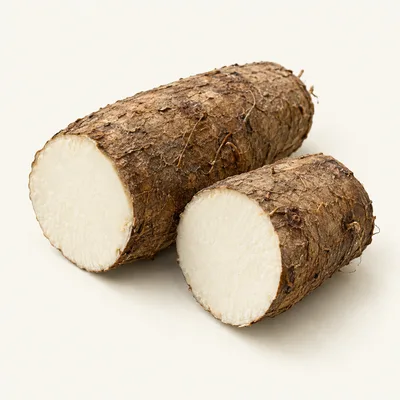 CEREMONIAL TUBERYam
Grated for laplap, roasted, boiled and exchanged
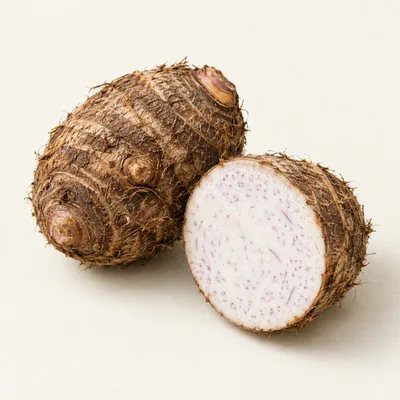 ISLAND STAPLETaro
Laplap, simboro, puddings and boiled accompaniments
 RICHNESS & WRAPCoconut
Cream for grated roots, sauces, sweets and market food
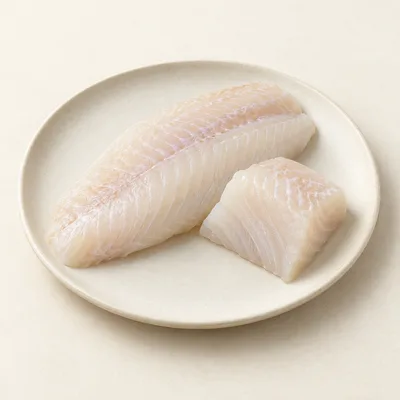 REEF & OCEAN FOODFish
Grilled, baked in leaves or cooked with coconut
Laplap names a method with many outcomes. A grated root or banana base is spread on leaves, enriched with coconut cream and sometimes meat or fish, then cooked slowly under heated stones; island and household versions differ. [7][8]
Beef is both local product and colonial landscape. Cattle production is especially visible on Santo and in tourism menus, while most household food security still depends on gardens, tree crops and fisheries. [7][9]
Market stall, nakamal, resort and village feast do not offer the same access to food culture.
Prepared market food is an everyday entry point. A plate or leaf parcel bought from a named vendor offers clearer context than a resort’s generic “island night,” especially when the cook identifies the crop and island style. [7]
Kava spaces have local rules. Nakamal practice, gender expectations and serving conventions vary; kava is not simply a cocktail and should be approached through the host community’s guidance. [8]
Food-culture sources checked .
Root cakes and leaf-wrapped dishes
Traditional examples centre on yam, manioc or cassava, taro and sweet potato. Lap lap may combine shaved root vegetables with island cabbage and sometimes a chicken wing, wrapped in banana leaf and cooked in hot stones. Tuluk is a rolled version with meat in the middle. Ask which root is used, what else is mixed through it, whether stock or seasoning is added, and whether grating, leaf preparation, cooking water or serving tools are shared with another recipe. A warm wrapper tells you nothing about the complete filling.
Simboro and bunya need filling questions
Simboro is described as a preparation wrapped in edible taro leaves and flavoured with coconut milk. Bunya bundles fish or meat with vegetables and coconut milk in banana leaves before steaming with hot stones. Ask whether the particular simboro contains only the stated vegetable mixture or an additional filling. For bunya, ask which fish or meat is used, what liquid and seasonings are added, whether a sauce accompanies it, and whether separate portions were assembled or steamed beside other food.
Seafood, meat and French-influenced meals
Port Vila menus can include reef fish, prawns, lobster, steak, burgers, bacon and eggs, sandwiches and French-style dishes. Names may not reveal marinades, sauces, butter, stock, coatings, garnishes or cooking liquids. Ask whether the seafood is cooked in a separate pan and oil, whether steak comes with sauce, and whether fries or salad are prepared separately. For a burger or sandwich, check the bread, filling, dressing and bought-in savoury components as one complete recipe.
Fruit, drinks and simple market choices
Markets and roadside stands may offer bananas, pineapples, papayas, ambarella, Pacific lychees, dragon plums and Vanuatu raspberries, while eateries may serve fresh-squeezed fruit juice. Ask whether fruit is cut to order, what is added to juice, and whether knives, boards, water or tongs are shared. If choosing coconut crab or flying fox where available, ask how the dish is prepared, including any stew, wine, sauce or garnish, rather than assuming the main ingredient describes the whole plate.
Ingredients worth recognising
Start with these ingredients, then follow their names and recorded food connections. Check the recipe and product actually used.
Fish
Fish may be whole, filleted, grilled, steamed or included in bunya, tuluk variations or restaurant dishes such as reef fish. Ask which fish is used, whether it is in the filling, sauce or stock, and whether the pan, oil, utensils and cooking liquid were shared.
Coconut
Coconut may appear as coconut milk in simboro or bunya, or as grated flesh, cream, oil or a topping in another recipe. Ask which form is present, where it appears in the dish, and whether the same spoon, pan or preparation surface was used.
Yam
Yam may be shaved or grated into a root-vegetable cake such as lap lap, or served in another local preparation. Ask whether yam is mixed with cassava, taro, sweet potato, cabbage, seasoning or a filling, and whether the grater and serving tools were shared.
Cassava
Cassava, also called manioc, may form part of a steamed root mixture, including lap lap or tuluk. Ask whether it is fresh, grated or otherwise prepared, what liquid and seasonings are added, and whether the same board, grater, water or utensil touched another mixture.
Sweet Potato
Sweet potato, also called kumala, may be boiled, steamed or combined with other roots in a local dish. Ask whether it is part of a cake, bundle or separate portion, what sauce or topping accompanies it, and whether preparation equipment was shared.
How food labelling works
A current, country-specific allergen-labelling summary for Vanuatu has not yet been verified for this guide. Do not transfer the list of regulated allergens or restaurant disclosure rules from your home country to this one.
Read the complete ingredients on the actual package and keep any local-language sticker with the original label. For imported products, compare the information on that pack rather than a photograph of the brand sold elsewhere. Ask the manufacturer or seller to clarify an unfamiliar term.
For loose food or meals prepared to order, ask who can check the recipe and the labels on bought-in ingredients. Explain every food you avoid, including ingredients outside familiar allergy groups; a short symbol chart may not cover your list.
Language and communication
Vanuatu’s three official languages are Bislama, English and French. Prepare a written explanation in the language you can use most clearly, naming the foods or ingredients concerned and asking for the complete recipe. Names such as lap lap and simboro help recognition, but are not a complete allergy request.
Bislama is especially relevant beyond Port Vila, while English is increasingly prominent in the tourist hub and French remains used by part of the population. Regional language use varies widely, so ask for confirmation in the language understood by the cook or server and check the answer back.
Eating in different settings
Food market stall
For lap lap, tuluk or warm simboro, ask the seller to identify every root, filling, seasoning and sauce. Ask whether banana or taro leaves, the grater, board, knife and serving utensil were shared, and whether the item was kept beside or in contact with other food. Request a separate portion only if the seller can explain how it was prepared.
Port Vila restaurant
For steak, reef fish, prawns, lobster, burgers or French-style dishes, ask what is in the sauce, stock, marinade and garnish. Check whether fries, salad or seafood use separate oil, pans and utensils. Ask the cook to confirm the final order, including bread, dressings, cooking liquid and any bought-in savoury filling.
Roadside fruit stand
For bananas, pineapples, papayas, ambarella, Pacific lychees, dragon plums or Vanuatu raspberries, ask whether fruit is cut to order and whether anything is added. Check the knife, board, water and display tongs, especially if prepared fruit shares equipment with other foods. Ask about fresh-squeezed juice ingredients and preparation too.
Packaged-food shop or accommodation
For canned tuna, Spam or ingredients used in self-catering, read the complete label and keep the packaging available for questions. Ask about sauces, seasonings and other components, as well as shared cookware, chopping boards, toaster surfaces, oil, water and serving utensils. Do not assume a familiar product name describes every ingredient.
Before you travel
Review your personal plan
Discuss your travel plans with your clinician and keep your prescribed medicines and emergency instructions accessible. Tell companions where these are and how to follow your plan.
Check your medicines before entering Vanuatu
The legal status and regulation of medicines prescribed or bought in the UK may differ in Vanuatu. Before travel, check TravelHealthPro guidance on travelling with medicines and ask the relevant Vanuatu authority whether your medicine has any import requirements or restrictions.
Make the first meals easier to organise
Contact your accommodation and transport providers in advance. Save your written food list, menu questions and destination address offline. Check entry restrictions before packing backup food, and plan how you will check meals during arrival and onward journeys.
Plan access to medical help
Medical facilities in Vanuatu are basic and limited in range and availability. Port Vila has clinics offering primary care, while serious cases may require evacuation to Australia or New Zealand. Check that insurance and accessible funds cover treatment abroad, possible evacuation and repatriation, and confirm arrangements with your insurer.
Emergency resources
For a suspected severe allergic reaction, follow your prescribed emergency plan and seek urgent medical help. Give your exact location clearly.
Ambulance and urgent medical help
Call 115 and ask for an ambulance. For a fee, Promedical provide a 24-hour ambulance service in Port Vila and Luganville.
Explore next
Your allergy in Vanuatu
Choose a food concern for the country notes and questions relevant to it.
Dishes in Vanuatu
Follow the ingredients and cuisine connections in individual dish records.
Your own food list
Combine allergy groups and individual ingredients in one guide, with local names where recorded.
Allergy cards
Prepare the information you need to explain your food requirements.
FAQs, sources and review dates
Can I assume lap lap is vegetarian?
No. A lap lap may contain root vegetables and island cabbage, but the described preparation can include a chicken wing, and local variations may use another filling. Ask which roots, leaves, protein, stock, seasoning and topping were used in this particular portion, and whether it was assembled or cooked alongside another recipe.
How should I ask about simboro?
Ask whether this batch contains the stated root-and-leaf preparation only, or also fish, coconut milk, seasoning or another filling. Confirm how it was wrapped and cooked, what liquid was used, and whether the same utensils, water, steamer or serving container were used for other dishes. Ask about sauce and toppings separately.
Could a dish contain taro even if it is not named?
It could, because taro may be used as a root, an edible leaf wrapper or part of a local preparation. Ask whether taro appears in the main mixture, wrapper, side or filling, and whether the same grater, board, pot, steamer or serving utensil was used for other foods. Check the complete recipe rather than the menu name.
Sources checked: . This researched draft is awaiting editorial review. Practical questions apply the sources below to local food settings; they do not confirm any individual meal's ingredients or preparation.
Sources & references (10)
- FCDO · Vanuatu health and medical assistance
Emergency contact details, local healthcare and medicine guidance. UK-specific eligibility does not apply to every visitor.
- Wikivoyage contributors · Vanuatu
Community-edited culinary context only; not an allergy or medical authority. Brief food-context adaptations, CC BY-SA 4.0: https://creativecommons.org/licenses/by-sa/4.0/. Recipe questions also use PlateSafe’s draft records.
- FARE · Dining out
General recipe and preparation questions, applied here to country-specific food examples.
- FARE · Travelling with food allergies
General preparation, written communication and access to prescribed medicines. Not country-specific import permission.
- PlateSafe · Vanuatu recorded food connections
Existing draft dish and ingredient records, used as examples to investigate. These are not independently verified recipes or suitability assessments.
- Unicode CLDR · Territory language data
Language suggestions. Regional language needs must be confirmed with the particular food provider.
- Vanuatu Tourism Office — Discover the flavours of Vanuatu
- Vanuatu Tourism Office — Culture and traditions
- FAO — Vanuatu country profile
- FAO — Vanuatu country office