
BEFORE YOUR FIRST MEAL
Navigating food allergies in Venezuela
Venezuelan food includes corn-based breads and pancakes, wheat pastries, filled street foods and composed meals such as pabellón. A dish may be assembled from several components: dough, filling, cheese, stock, sauce or topping. Regional examples also differ, including Andean wheat-based preparations and seafood dishes. Ask how the complete recipe was made, including cooking surfaces, oil, utensils and additions made at serving.
What to know first
Corn is not automatically the whole recipe
Arepas and cachapas are associated with corn, but ask whether the batter or prepared product also contains wheat flour, milk, butter, egg or another added ingredient.
Fillings change the allergen picture
An arepa, empanada or tequeño may be filled with cheese, meat, fish or other ingredients. Confirm the exact filling, toppings and sauces rather than relying on its name.
Explain the complete concern in Spanish
Prepare a written Spanish explanation naming the ingredient, the severity of the reaction and whether shared oil, water, boards, utensils or surfaces must be avoided.
Ask about preparation from start to finish
Check the dough, filling, stock, seasoning and garnish separately. For fried food, ask what else is cooked in the oil and whether the same utensils are reused.
Read the complete ingredient list
Read the complete ingredients and allergen information on the actual product. If you avoid a food that is not highlighted, ask the producer or food provider to check it specifically.
Understanding the food
Maize, cassava, rice, black bean, plantain, beef, fresh cheese, fish, cacao, coffee and tropical fruit underpin arepa, casabe, hallaca, sancocho and regionally specific meals. Economic crisis and mass migration have changed availability and carried Venezuelan food businesses abroad, while Indigenous and Afro-Venezuelan knowledge must remain more than origin stories.
Mountain, plain, coast and rainforest support different starches and proteins.
| Region or community setting | Food landscape | Examples to understand |
|---|---|---|
| Caracas & central coast | Caribbean port, Afro-Venezuelan communities, migration and urban arepera culture | Arepas, empanadas, sancocho, fish, cacao, tequeños and pastries |
| Andes & west | Cooler potato and wheat country, dairy, coffee and Colombian exchange | Arepa andina, pisca, wheat breads, cheese, potato and trout |
| Llanos | Cattle ranching, river fish, cassava and open-fire cooking | Carne en vara, pabellón, casabe, river fish and fresh cheese |
| Orinoco, Guayana & Amazon | Indigenous cassava systems, river fisheries and forest products | Casabe, mañoco, fish, cassava drinks, insects and local fruits |
Cassava processing is Indigenous technology. Bitter cassava is grated, pressed and toasted into casabe or mañoco through specialised knowledge that removes toxins and produces durable food; community attribution is essential. [8][9]
Diaspora has enlarged the arepa map. Venezuelan cooks have opened areperas across Latin America, North America and Europe, adapting fillings while maintaining a strong link to home and displacement. [7][8]
Maize, black bean, plantain and cacao bridge daily arepa, composed plate and export history.
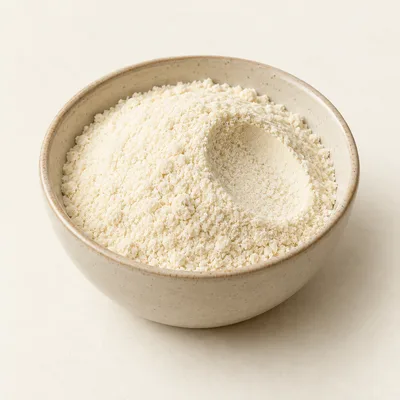 DAILY MAIZEPre-cooked corn flour
Arepas, empanadas, bollos and other shaped doughs
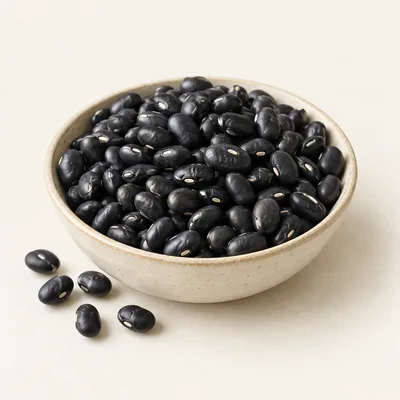 PABELLÓN PULSEBlack bean
Slow-cooked caraotas, fillings, soups and side dishes
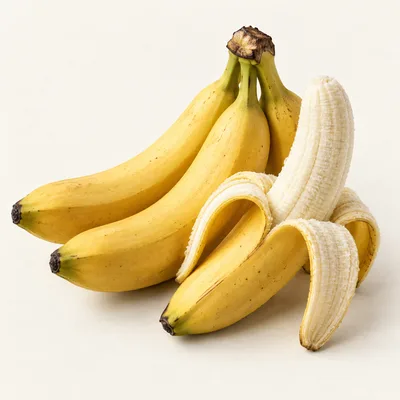 SWEET-SAVOURY FRUITPlantain
Fried tajadas, baked sides, soup and layered dishes
Fine-flavour beans, drinking chocolate and sweets
Arepa is a format, not one filling. Thickness, cooking surface and maize dough vary, then cheese, shredded beef, chicken, avocado, black beans, egg or fish can turn it into breakfast, snack or full meal. [7][9]
Hallaca records layered family histories. Seasoned maize dough encloses a meat stew with olives, capers, raisins or regional additions, is wrapped in plantain leaf and assembled collectively for Christmas. [7]
Arepera, bakery, lunch counter and family Christmas table each organise food differently.
Pabellón is a composed plate with regional movement. Shredded beef, black beans, rice and fried plantain form the recognised combination, while egg, cheese or fish versions shift its name and locality. [7][9]
Present scarcity without defining the cuisine by crisis. Shortages, inflation and migration affect what households can cook, but they do not erase regional knowledge, producer skill or the agency of cooks adapting at home and abroad. [8][9]
Food-culture sources checked .
Arepas, cachapas and corn preparations
Arepas are thick, corn-based rounds that are split and filled; some versions are filled with cheese, while reina pepiada may contain shredded chicken and avocado. Cachapas are corn pancakes commonly served with dairy cheese. Ask about the flour or meal used, added wheat, milk, butter or egg, then check the filling, griddle and serving knife separately.
Filled pastries and fried street foods
Venezuelan empanadas are savoury pastries that may contain cheese or fish; they are commonly fried, though home versions may be baked. Tequeños use wheat dough around cheese, while cachitos and pastelitos also have enriched or filled doughs. Ask about the recipe, fryer oil, fillings and shared tongs.
Composed meals and slow cooking
Pabellón combines rice, black beans, shredded meat and fried plantain slices, so each component needs its own check for stock, seasoning, oil and shared utensils. Hallacas combine meat, olives and raisins in cornmeal, wrapped in plantain leaves and steamed. Ask whether additions are mixed into the filling or added afterwards.
Andean, coastal and dessert variation
Andean examples include wheat-based arepas, acema and pastries, while pisca andina uses milk with eggs and pastel de chucho combines stingray, cheese and egg. Seafood examples include fish-based dishes and fosforera with prawns. Desserts such as quesillo and torta negra require separate checks for dairy, egg, wheat and nuts.
Ingredients worth recognising
Start with these ingredients, then follow their names and recorded food connections. Check the recipe and product actually used.
Corn tortilla
A corn tortilla or corn-based wrapper may not be corn-only: the recorded ingredient note says some formulated versions also use wheat flour. Ask whether the exact product contains wheat, how it is cooked, and whether the same surface handles wheat dough.
Wheat flour
Wheat flour appears in Andean breads and arepas, cachitos, golfeados, pastries and cakes. Ask whether it is present in the dough, crust, batter or glaze, and whether wheat preparation shares boards, mixers, oil or utensils with your food.
Cheese
Cheese is recorded in arepas, cachapas, tequeños, mandoca, pastel de chucho and empanadas. Confirm the exact cheese and whether it is placed inside, layered, sprinkled or cooked into the dish; also ask about the same knife, grater and serving surface.
Fish
Fish occurs as a recognised filling or component in Venezuelan empanadas and seafood dishes, while stingray is recorded specifically for pastel de chucho. Ask which species is used, whether a mixed seafood stock is involved, and whether fish shares oil or cooking utensils with other foods.
Egg
Egg may enrich dough, bind fillings, set custards or be cooked in dishes such as pisca andina. Ask about batter, pastry wash, mayonnaise, custard and poached or simmered egg separately, including whether a utensil or pan is reused between preparations.
Olive
Olives are recorded in hallacas, where they may be part of the savoury filling. Ask whether they are added during cooking or at assembly, what the surrounding sauce contains, and whether the olives are cured or processed with additional ingredients shown on the package.
How food labelling works
A current, country-specific allergen-labelling summary for Venezuela has not yet been verified for this guide. Do not transfer the list of regulated allergens or restaurant disclosure rules from your home country to this one.
Read the complete ingredients on the actual package and keep any local-language sticker with the original label. For imported products, compare the information on that pack rather than a photograph of the brand sold elsewhere. Ask the manufacturer or seller to clarify an unfamiliar term.
For loose food or meals prepared to order, ask who can check the recipe and the labels on bought-in ingredients. Explain every food you avoid, including ingredients outside familiar allergy groups; a short symbol chart may not cover your list.
Language and communication
Spanish is Venezuela’s official language and should be the first language for a written food explanation. Make the note specific: identify the ingredient, the reaction risk, the foods to avoid and the preparation questions. Names such as arepa, cachapa and pabellón help recognition, but they are not complete allergy requests.
Indigenous languages are also used, particularly in the Amazon region, but no general food vocabulary can be assumed across them. Where regional language needs affect communication, arrange written help in advance and seek confirmation from someone who can discuss the complete recipe, not just the dish name.
Eating in different settings
Arepa or cachapa counter
Ask whether the arepa or cachapa batter contains only the stated base or also wheat flour, milk, butter or egg. Confirm the filling, griddle, press, spatula and serving knife, and ask whether cheese is added during cooking or after it.
Bakery or pastry shop
For acema Andina, cachito, golfeado, tequeño or an Andean pastry, ask for the full dough and filling ingredients, including butter, milk and egg. Check shared mixers, trays, counters and tongs, and ask whether a glaze or topping is added after baking.
Street-food fryer or casual restaurant
Before ordering empanadas, patacón or another fried item, ask what oil is used and what else is cooked in it. Confirm the complete filling, sauces and toppings, and whether clean utensils and a separate preparation surface can be used.
Packaged-food shop or accommodation kitchen
For chocolate, dried fruit, sauces, stock or prepared foods, read the complete ingredient list and ask about unclear ingredients. In a shared kitchen, check chopping boards, pans, oil, grills and serving utensils, especially when preparing rice, beans, plantain or hallaca-style fillings.
Before you travel
Review your personal plan
Discuss your travel plans with your clinician and keep your prescribed medicines and emergency instructions accessible. Tell companions where these are and how to follow your plan.
Check your medicines before entering Venezuela
Medicines prescribed or bought in the UK can have different legal status and regulation in Venezuela. Check TravelHealthPro guidance before travel and ask the relevant Venezuelan authority about any requirements for the medicines you plan to carry; carry enough for the stay and possible delays.
Make the first meals easier to organise
Contact your accommodation and transport providers in advance. Save your written food list, menu questions and destination address offline. Check entry restrictions before packing backup food, and plan how you will check meals during arrival and onward journeys.
Plan access to medical help
Healthcare quality varies widely: private clinics in large cities may provide routine care but can face shortages, while public facilities and remote ambulance services may be limited. Check insurance, accessible funds and whether repatriation cover applies; ask the insurer whether your policy covers local treatment and repatriation, and what arrangements apply if care or evacuation is needed.
Emergency resources
For a suspected severe allergic reaction, follow your prescribed emergency plan and seek urgent medical help. Give your exact location clearly.
Ambulance and urgent medical help
Request ambulance assistance on 911. For locations outside major cities, check available transport arrangements in advance; the official assistance page also identifies services offering transfers to larger centres.
Explore next
Your allergy in Venezuela
Choose a food concern for the country notes and questions relevant to it.
Dishes in Venezuela
Follow the ingredients and cuisine connections in individual dish records.
Your own food list
Combine allergy groups and individual ingredients in one guide, with local names where recorded.
Allergy cards
Prepare the information you need to explain your food requirements.
FAQs, sources and review dates
Can I assume an arepa is wheat-free because it is described as corn-based?
No. The recorded ingredient examples include corn preparations, but some formulated corn tortillas use wheat flour, and Andean arepas are specifically wheat-based. Ask what flour was used in this batch, then check fillings, cheese, the cooking surface and any shared utensils.
What should I ask about pabellón if my concern is not a common allergy?
Ask for each component separately: rice, black beans, shredded meat and fried plantain. Then ask about stock, seasoning, oil and toppings. A concern about an individual ingredient, such as a particular herb or additive, needs confirmation in the complete recipe rather than inference from the meal’s name.
How should I approach pastel de chucho or a seafood dish?
Confirm whether pastel de chucho uses stingray, cheese and egg, and ask whether the fish is cooked with a sauce or stock. For fosforera or other seafood dishes, ask whether prawns, fish or other seafood are combined, and whether shared pans or utensils are used.
Sources checked: . This researched draft is awaiting editorial review. Practical questions apply the sources below to local food settings; they do not confirm any individual meal's ingredients or preparation.
Sources & references (10)
- FCDO · Venezuela health and medical assistance
Emergency contact details, local healthcare and medicine guidance. UK-specific eligibility does not apply to every visitor.
- Wikivoyage contributors · Venezuela
Community-edited culinary context only; not an allergy or medical authority. Brief food-context adaptations, CC BY-SA 4.0: https://creativecommons.org/licenses/by-sa/4.0/. Recipe questions also use PlateSafe’s draft records.
- FARE · Dining out
General recipe and preparation questions, applied here to country-specific food examples.
- FARE · Travelling with food allergies
General preparation, written communication and access to prescribed medicines. Not country-specific import permission.
- PlateSafe · Venezuela recorded food connections
Existing draft dish and ingredient records, used as examples to investigate. These are not independently verified recipes or suitability assessments.
- Unicode CLDR · Territory language data
Language suggestions. Regional language needs must be confirmed with the particular food provider.
- Visit Venezuela — Gastronomy
- FAO — Venezuela country profile
- FAO — Food-based dietary guidelines for Venezuela
- International Cocoa Organization — Venezuela fine flavour cocoa