
BEFORE YOUR FIRST MEAL
Navigating food allergies in Yemen
Yemeni food can bring together wheat-based breads, dairy toppings, eggs, fish, meat, rice, spices and honey. Recipes vary: mandi is associated with Hadhramaut, while dishes such as salta, bint al-sahn and shakshouka have different ingredient questions. Ask about the whole preparation, including dough, marinades, stock, toppings, cooking fat, shared utensils and serving surfaces.
What to know first
Wheat-based dishes are common
Areek, aseedah, lahoh, malawah, mutabbaq, sambusa and bint al-sahn are recorded with wheat flour; ask about the dough rather than relying on the dish name.
Toppings can change the recipe
Cream may top areek or masoub, butter may enrich aseedah or malawah, and yogurt or buttermilk may feature in shafout or fattah; confirm additions.
Explain the whole meal
In Arabic, describe the ingredient concern and ask about dough, filling, stock, sauce, marinade, topping, cooking fat, shared oil, water, utensils and serving surface.
Ask how each component was prepared
For mandi, ask whether meat juices reached the rice; for mutabbaq, ask about its filling; for fried foods, ask what oil and utensils were used.
Read the complete ingredient list
Read the complete ingredients and allergen information on the actual product. If you avoid a food that is not highlighted, ask the producer or food provider to check it specifically.
Understanding the food
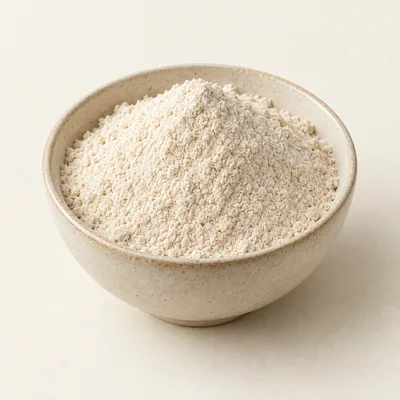
Sorghum, wheat, barley, millet, lamb, goat, pulses, fenugreek, tomato, coffee, qishr, honey and imported rice sustain breads, porridges, stews and shared platters. Sana’a’s saltah, Tihama sorghum, Hadrami mandi and Aden’s port food are distinct, while war, displacement and import dependence now shape every discussion of the national pantry.
Altitude, monsoon, terrace and port produce sharply different grain and meat traditions.
| Region | Food landscape | Examples to understand |
|---|---|---|
| Sana’a & northern highlands | Terraced sorghum, wheat, pulses, coffee and cool-climate livestock | Saltah, fahsa, flatbreads, aseed, fenugreek foam and qishr |
| Tihama & Red Sea coast | Hot lowland sorghum, millet, sesame, fish and African exchange | Sorghum breads and porridges, fish, sesame, chilli and tropical fruit |
| Aden & southern ports | Indian Ocean trade, migration and cosmopolitan bakery or rice traditions | Rice dishes, fish, breads, spiced tea, sambusa and port sweets |
| Hadramawt & the east | Wadi agriculture, date palms, pastoral meat and diaspora links | Mandi, madfoon, rice, dates, honey and large meat platters |
Terraces are food infrastructure. Highland walls conserve soil and rainfall for sorghum, wheat, coffee, fruit and pulses; their maintenance embodies generations of labour under increasing water and conflict pressure. [8][9]
Ports made regional cuisine outward-looking. Aden, Hodeidah and Mukalla connected Yemen with the Horn of Africa, India and Southeast Asia, visible in rice, spice, fried snacks and migrant food traditions. [7][8]
Sorghum, fenugreek, coffee and honey express both dryland resilience and long-distance value.
 RAINFED GRAINSorghum
Flatbreads, thick porridges, aseed and livestock feed
 HIGHLAND CROPCoffee
Green beans for export and husks brewed as qishr
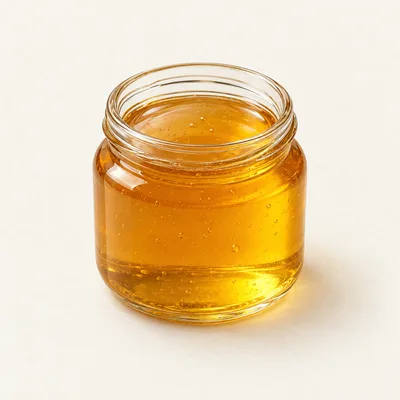 VALUED SWEETENERHoney
Served with breads, sweets and ceremonial hospitality
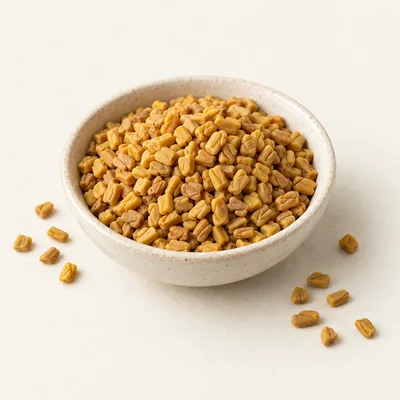 AROMATIC PULSEFenugreek
Soaked and whipped into hulbah for saltah and breads
Saltah is assembled at the point of serving. A hot meat or vegetable base arrives in a stone bowl with sahawiq and whipped fenugreek, then is eaten quickly with torn bread while still bubbling. [7][8]
Coffee has two beverage streams. The bean enters global specialty markets, while dried husk is brewed locally as qishr with spices; both depend on highland growers and difficult value chains. [10][9]
Shared bread, communal platter and tea-house hospitality persist amid severe food-system disruption.
Mandi describes controlled heat as much as a dish. Seasoned meat cooks with heat and smoke in a pit or enclosed oven and is served over rice, with Hadrami versions now widely travelled through diaspora restaurants. [8][7]
Current scarcity needs explicit context. Conflict, economic collapse, damaged infrastructure and climate shocks limit domestic production and household access; this is a present constraint, not a deficiency in Yemeni food knowledge. [7][8]
Food-culture sources checked .
Stews, rice and cooking juices
Salta may be a meat-based stew seasoned with fenugreek and generally served at the end of the main course. Mandi combines meat and rice with spices; in one version, meat cooks in a clay oven above the rice, allowing juices to drip onto it. Ask whether the rice was cooked beneath the same meat, and whether stock, seasoning or a separate sauce was added.
Flatbreads and enriched doughs
Wheat-based preparations can differ in their added ingredients. Areek may have a cream topping; aseedah may use butter; bint al-sahn may include egg, dairy-derived additions and sesame; malawah may include egg or butter. Ask whether the dough was enriched, what was brushed between layers, and whether the griddle or serving plate was shared.
Filled, soaked and mixed dishes
Mutabbaq has a wheat-flour wrapper and a commonly recorded egg filling, while sambusa has a wheat-flour pastry wrapper. Shafout uses soaked wheat bread with a seasoned yogurt or buttermilk mixture, and some Yemeni fattah preparations use yogurt. Ask about the complete filling or soaking mixture, including oil, seasoning, toppings and utensils.
Fish, eggs and sweet elements
Samak Mofa is recorded with fish as its defining protein, and Yemeni shakshouka with eggs. Yemeni honey is described as prominent in desserts, including bint al-sahn, while Yemeni raisins are also noted as sweet foods. Ask whether fish or egg was cooked with a sauce, and whether honey, sesame, dairy or other toppings were added afterwards.
Ingredients worth recognising
Start with these ingredients, then follow their names and recorded food connections. Check the recipe and product actually used.
Wheat flour
Wheat flour is the dough base or principal grain in areek, aseedah, lahoh, malawah, masoub, mutabbaq, sambusa, shafout and fattah. Ask whether the recipe also contains other flours, and whether shared surfaces or utensils were used.
Egg
Egg is recorded in bint al-sahn dough, some enriched malawah doughs, mutabbaq filling and Yemeni shakshouka. Ask whether egg is mixed into the dough, filling or pan, and whether the same utensils were used for other dishes.
Butter
Butter may top or enrich aseedah and is used in some malawah preparations. Ask whether the cooking fat is butter, ghee or another oil, whether it is brushed between layers, and whether the recipe includes any additional dairy.
Yogurt
Yogurt forms the seasoned soaking mixture for shafout and is used in some Yemeni fattah preparations; it may also appear in some zurbian marinades or accompaniments. Ask whether the yogurt is in the dish, marinade or topping.
Sesame Seed
Sesame seeds are traditionally recorded as a finishing sprinkle on bint al-sahn. Ask whether sesame is added after cooking, whether it is present in any topping, and whether the same tray, knife or serving surface handled other sesame foods.
Fish
Fish is the defining protein of Samak Mofa. Ask which fish was used, whether it was cooked with a sauce, stock or seasoning mixture, and whether the pan, oil, utensils or serving surface were also used for other seafood.
How food labelling works
A current, country-specific allergen-labelling summary for Yemen has not yet been verified for this guide. Do not transfer the list of regulated allergens or restaurant disclosure rules from your home country to this one.
Read the complete ingredients on the actual package and keep any local-language sticker with the original label. For imported products, compare the information on that pack rather than a photograph of the brand sold elsewhere. Ask the manufacturer or seller to clarify an unfamiliar term.
For loose food or meals prepared to order, ask who can check the recipe and the labels on bought-in ingredients. Explain every food you avoid, including ingredients outside familiar allergy groups; a short symbol chart may not cover your list.
Language and communication
Yemen’s official language is Arabic, and Yemeni Arabic is the local vernacular. Prepare a written explanation in Arabic describing the ingredient concern and the need to check the complete recipe, not just the dish name. Include questions about dough, filling, sauce, topping and shared equipment.
Modern Standard Arabic is learnt at school, while the local dialect is Yemeni Arabic. For regional or pronunciation differences, show the same written Arabic note to the person preparing the food and ask them to confirm each component. Names such as salta, mandi or mutabbaq help recognition but are not complete allergy requests.
Eating in different settings
Shared meal
If invited to share a meal, ask what every dish contains before serving: wheat dough, dairy, egg, fish, meat, stock, spices, honey and toppings. For salta or mandi, ask how the stew, meat and rice were cooked, and whether serving utensils move between dishes.
Street or local counter
When ordering areek, mutabbaq, sambusa or shakshouka, ask about the full dough or filling, the cooking fat and the pan. Ask whether oil, griddles, knives and tongs are shared, and whether toppings such as cream, butter, sesame or yogurt are added after cooking.
Bakery or sweet-food stall
For bint al-sahn, ask whether the dough contains egg or dairy, whether sesame is sprinkled on top, and whether honey is added before serving. Ask how trays, brushes and cutting tools are used, rather than assuming a plain-looking portion has a simple recipe.
Packaged-food shop
Read the complete ingredient list and preparation directions before buying breads, dairy products, oils or sweets. Ask about unclear ingredients and production details, including wheat flour, milk-derived ingredients, egg, sesame and generic vegetable oil, which may be soybean oil but is unspecified.
Before you travel
Review your personal plan
Discuss your travel plans with your clinician and keep your prescribed medicines and emergency instructions accessible. Tell companions where these are and how to follow your plan.
Check your medicines before entering Yemen
Some medicines prescribed or bought in the UK may be regulated differently in Yemen. Before travel, read the best-practice guidance for travelling with medicines on TravelHealthPro and ask the appropriate authority which requirements and documentation apply.
Make the first meals easier to organise
Contact your accommodation and transport providers in advance. Save your written food list, menu questions and destination address offline. Check entry restrictions before packing backup food, and plan how you will check meals during arrival and onward journeys.
Plan access to medical help
Medical facilities in Yemen, particularly away from main towns and cities, are described as poor. Check that travel health insurance covers the areas and treatment you may need, and that you have access to funds for medical care abroad and repatriation. Confirm practical cover details with your insurer.
Emergency resources
For a suspected severe allergic reaction, follow your prescribed emergency plan and seek urgent medical help. Give your exact location clearly.
Ambulance and urgent medical help
Request an ambulance on 191. Conflict may prevent a response, so establish locally available hospital and transport arrangements. Tell your insurer promptly if you are referred for treatment.
Explore next
Your allergy in Yemen
Choose a food concern for the country notes and questions relevant to it.
Dishes in Yemen
Follow the ingredients and cuisine connections in individual dish records.
Your own food list
Combine allergy groups and individual ingredients in one guide, with local names where recorded.
Allergy cards
Prepare the information you need to explain your food requirements.
FAQs, sources and review dates
Does mandi always have the same recipe?
Mandi may combine meat, rice and spices, with meat cooking above the rice so juices drip onto it. Ask the cook whether this method was used, what stock or seasoning was added, and whether the rice shared the cooking vessel with other ingredients.
Could a dish with a wheat wrapper contain egg or dairy?
Yes, the recorded connections differ by dish and preparation. Mutabbaq commonly has egg in its savoury filling; some malawah doughs include egg or butter; bint al-sahn may include egg and dairy-derived additions. Ask separately about wrapper, filling, brushing fat, topping and cooking equipment.
Should I ask about qat as a food ingredient?
Qat is described as a leaf chewed socially rather than as a food dish. If it is offered, ask what it is and how it is prepared or handled, especially if you need to avoid an individual plant ingredient outside common allergy groups. Do not infer suitability from its appearance.
Sources checked: . This researched draft is awaiting editorial review. Practical questions apply the sources below to local food settings; they do not confirm any individual meal's ingredients or preparation.
Sources & references (10)
- FCDO · Yemen health and medical assistance
Emergency contact details, local healthcare and medicine guidance. UK-specific eligibility does not apply to every visitor.
- Wikivoyage contributors · Yemen
Community-edited culinary context only; not an allergy or medical authority. Brief food-context adaptations, CC BY-SA 4.0: https://creativecommons.org/licenses/by-sa/4.0/. Recipe questions also use PlateSafe’s draft records.
- FARE · Dining out
General recipe and preparation questions, applied here to country-specific food examples.
- FARE · Travelling with food allergies
General preparation, written communication and access to prescribed medicines. Not country-specific import permission.
- PlateSafe · Yemen recorded food connections
Existing draft dish and ingredient records, used as examples to investigate. These are not independently verified recipes or suitability assessments.
- Unicode CLDR · Territory language data
Language suggestions. Regional language needs must be confirmed with the particular food provider.
- FAO — Yemen country office
- Yemen National Agriculture and Fisheries Strategy
- FAO — Yemen plant genetic resources report
- United Nations Yemen — FAO coffee value-chain assessment