
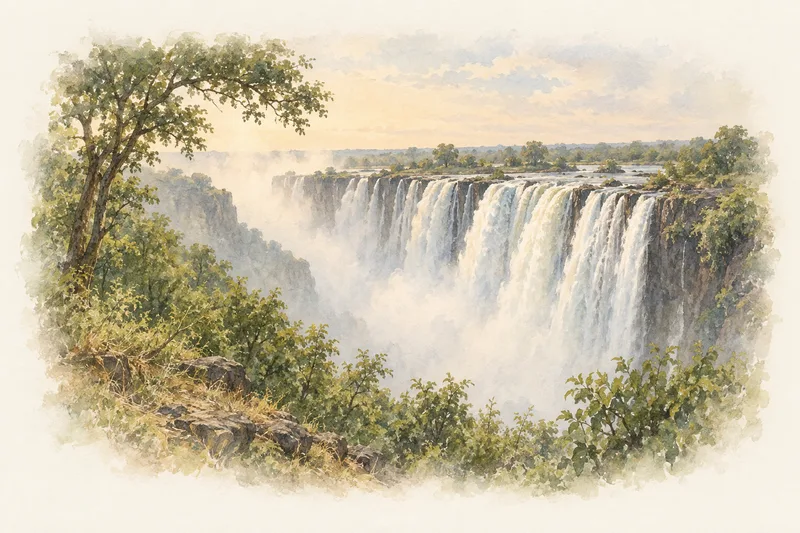
BEFORE YOUR FIRST MEAL
Navigating food allergies in Zambia
Zambian meals often centre on nsima, a thick maize porridge served with a relish, but urban menus also include bread, fried chicken, burgers, pizza and rice. Recipes vary: leafy vegetables may be thickened with groundnut, kapenta is a small freshwater fish, and mabisi is milk-based. Ask about the complete preparation rather than relying on a dish name.
What to know first
Nsima is a base, not the whole recipe
Ask what accompanies the maize porridge: beef, chicken, fish, beans, kapenta, peanuts or vegetables may be prepared separately as a relish.
Leafy relishes can include peanut
Bondwe, chibwabwa, ifisashi, kalembula, lumanda and katapa may use ground peanut or peanut flour for richness or thickening.
Explain the full concern before ordering
In English or Bemba, provide a written explanation and ask staff to confirm every ingredient, including stock, sauce, garnish and cooking liquid.
Check preparation, not just ingredients
Ask whether shared oil, water, pans, knives or serving utensils are used, especially for fried food, nsima and dishes made to order.
Read the complete ingredient list
Read the complete ingredients and allergen information on the actual product. If you avoid a food that is not highlighted, ask the producer or food provider to check it specifically.
Understanding the food
Maize, cassava, millet, sorghum, groundnut, bean, pumpkin leaf, mushroom, caterpillar, fish, beef and goat vary across more than seventy language communities. Nshima is widespread, but Luapula cassava and fish, Bemba ifisashi, Western floodplain foods and southern cattle traditions show why the accompaniments and local names matter.
Staple choice follows rainfall, water bodies, soil and community history.
| Region or community setting | Food landscape | Examples to understand |
|---|---|---|
| Lusaka, Central & Copperbelt | Urban markets, maize belt, migration and wage-work meals | Maize nshima, chicken, beef, greens, beans and street snacks |
| Luapula & Northern | Cassava fields, lakes, wetlands, Bemba-speaking foodways and forest produce | Cassava nshima, fish, ifisashi, mushrooms, chikanda and caterpillars |
| Western & Barotse floodplain | Seasonal Zambezi flooding, fishing, cattle, rice and Lozi traditions | Fish, cassava, maize, rice, milk and floodplain vegetables |
| Southern & Eastern | Maize, cattle, groundnut, beans and cross-border Chewa, Nsenga and Tonga foodways | Nshima, meat, groundnut sauces, pumpkin leaves and fermented drinks |
Nshima names a relationship, not a complete dish. A firm maize or cassava staple is pinched to lift ndiwo or relish; greens, pulse, fish, insect or meat determine much of the meal’s flavour and regional identity. [8][9]
Cassava country follows a different agricultural logic. Luapula, Northern and North-Western provinces depend more heavily on cassava, whose processing and storage suit local climate and farming systems. [8][11]
Maize and cassava provide structure while groundnut and fish build the relish.
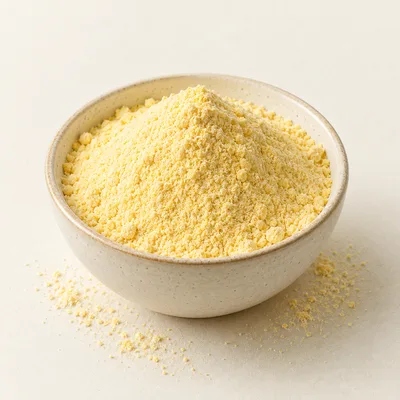 NATIONAL STAPLEMaize
Nshima, porridge, roasted cobs and fermented drinks
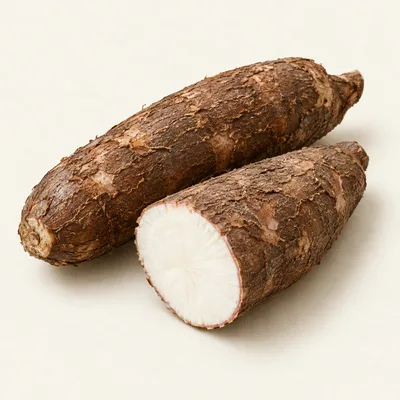 NORTHERN STAPLECassava
Nshima flour, boiled roots and durable processed forms
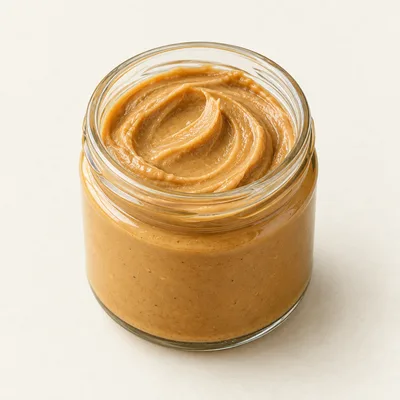 RELISH BASEGroundnut
Ifisashi, vegetable sauces and protein-rich paste
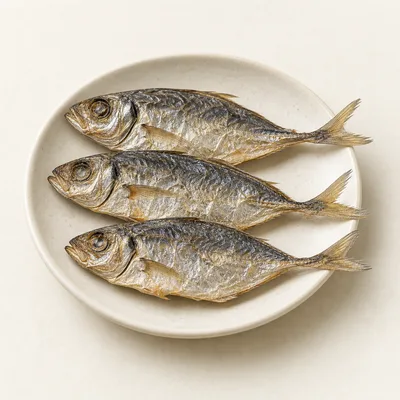 LAKE & RIVER FOODFish
Fresh, sun-dried, smoked or cooked into tomato relish
Ifisashi combines leaf and nut. Leafy vegetables cook in ground groundnut, producing a rich relish served with nshima; mushroom, bean or other seasonal ingredients can join the pot. [8][9]
Chikanda links orchid ecology to food culture. Ground wild orchid tuber binds with groundnut and spice into a firm loaf-like food; popularity and harvest pressure make sustainable sourcing important. [11][8]
Household pot, market canteen and braai place different relishes around the staple.
A “traditional buffet” can be useful when it names the dishes. Urban restaurants may present several starches, leaves, fish, caterpillars, chikanda and meats together, but community and ingredient labels prevent them becoming anonymous curiosities. [8][9]
Fish supply is seasonal and geographic. Kapenta and larger freshwater species move from lakes and rivers through drying, smoking and cold chains, so inland availability and preparation vary. [9][11]
Food-culture sources checked .
Nsima and relishes
Nsima is a thick maize porridge, commonly shaped into portions and eaten with a relish. Relishes may feature beef, chicken, fish, beans, kapenta, peanuts or vegetables. Ask whether the relish is thickened with groundnut, and whether stock, seasoning or a topping is added after cooking.
Leafy and vegetable dishes
Bondwe, chibwabwa, ifisashi, kalembula and lumanda are recorded with possible ground-peanut enrichment; katapa uses cassava leaves with ground peanut. Impwa is an eggplant dish that may also contain peanut flour. Confirm the exact recipe, including whether oil or added seasoning is shared.
Fish, dairy and flour examples
Kapenta uses small freshwater fish as its primary protein, while mabisi is based on cow’s milk. Vitumbuwa traditionally use wheat flour. Ask whether fish is served whole or incorporated into a relish, whether mabisi is plain, and what flour or liquid is used in snacks.
Urban and roadside choices
Food in cities can include chips, burgers, pizza, fried chicken, bread and rice, while roadside tuck shops sell packaged biscuits, meat pies and sausage rolls. Ask about frying oil, bakery handling, fillings, toppings and the complete package label rather than assuming a familiar format is suitable.
Ingredients worth recognising
Start with these ingredients, then follow their names and recorded food connections. Check the recipe and product actually used.
Vegetable Oil
A recipe example may use generic vegetable oil, which may be soybean oil, but the specific oil is not stated. Ask which oil is in the pan, whether it is shared, and whether a separate utensil is used.
Wheat flour
Wheat flour is the customary flour base for vitumbuwa and may occur in bakery foods, meat pies or sausage rolls. Ask whether the recipe contains wheat flour, what else is mixed in, and whether baking surfaces or utensils are shared.
Peanut
Peanut is used directly in recorded dishes including chikanda and can enrich leafy relishes. Ask whether whole, ground or powdered peanut is included, whether it is added as a topping, and whether the same spoon handles other dishes.
Peanut Flour
Peanut flour may thicken or enrich bondwe, chibwabwa, kalembula, lumanda, tute and some impwa preparations. Ask specifically about flour or groundnut powder, including additions made late in cooking or sprinkled over the finished dish.
Kapenta (dried small freshwater fish)
Kapenta is made from small freshwater fish and may be the main protein in a relish. Ask whether dried fish is included, how it is prepared, and whether fish stock, crumbs or shared cooking water are used.
Cow Milk
Cow milk is the defining base of mabisi and may be relevant when checking drinks or dairy preparations. Ask whether the serving is plain, sweetened or combined with another ingredient, and whether the container or ladle is shared.
How food labelling works
A current, country-specific allergen-labelling summary for Zambia has not yet been verified for this guide. Do not transfer the list of regulated allergens or restaurant disclosure rules from your home country to this one.
Read the complete ingredients on the actual package and keep any local-language sticker with the original label. For imported products, compare the information on that pack rather than a photograph of the brand sold elsewhere. Ask the manufacturer or seller to clarify an unfamiliar term.
For loose food or meals prepared to order, ask who can check the recipe and the labels on bought-in ingredients. Explain every food you avoid, including ingredients outside familiar allergy groups; a short symbol chart may not cover your list.
Language and communication
Prepare a written explanation first in English, Zambia’s official language, and also in Bemba where useful. State the ingredient or preparation concern plainly, then ask for confirmation of the complete recipe, stock, sauces, toppings and cooking equipment.
Bemba is spoken particularly in the Copperbelt and north, so regional communication may differ from Lusaka or southern areas. Use English and Bemba as recognition aids, not as a complete allergy request; ask a local speaker to check the wording when needed.
Eating in different settings
Nsima and relish restaurant
Ask whether the relish contains peanut, peanut flour, kapenta or another protein, and whether nsima is cooked in shared water or served with a shared spoon. Confirm the full recipe before accepting a separate-looking portion.
Bakery or roadside tuck shop
For bread, vitumbuwa, meat pies or sausage rolls, ask whether wheat flour is used and what fills or toppings are present. For packaged items, read the complete ingredient list and ask about bakery handling or shared trays.
Fried-food counter
Before ordering chips, fried chicken or another fried item, ask what else is cooked in the oil, whether the oil is shared, and whether the fryer, tongs and preparation surface are cleaned or shared between foods.
Hotel, lodge or sit-down meal
When ordering Western, Indian or local food, give the written explanation and ask the kitchen to confirm stock, sauces, garnishes, dairy, peanut and fish. Ask whether a made-to-order dish uses shared pans, utensils or cooking water.
Before you travel
Review your personal plan
Discuss your travel plans with your clinician and keep your prescribed medicines and emergency instructions accessible. Tell companions where these are and how to follow your plan.
Check your medicines before entering Zambia
The legal status and regulation of medicines prescribed or bought in the UK can differ in Zambia. Before travel, check TravelHealthPro guidance on travelling with medicines and confirm any import or documentation requirements with the relevant Zambian authority.
Make the first meals easier to organise
Contact your accommodation and transport providers in advance. Save your written food list, menu questions and destination address offline. Check entry restrictions before packing backup food, and plan how you will check meals during arrival and onward journeys.
Plan access to medical help
FCDO advises that medical facilities in Zambia are generally below UK standards, with basic rural facilities and limited emergency services. Check its list of medical providers, carry basic supplies, and confirm travel insurance, accessible treatment funds and repatriation cover.
Emergency resources
For a suspected severe allergic reaction, follow your prescribed emergency plan and seek urgent medical help. Give your exact location clearly.
Ambulance and urgent medical help
Call 992 for an ambulance and give your exact location.
Explore next
Your allergy in Zambia
Choose a food concern for the country notes and questions relevant to it.
Dishes in Zambia
Follow the ingredients and cuisine connections in individual dish records.
Your own food list
Combine allergy groups and individual ingredients in one guide, with local names where recorded.
Allergy cards
Prepare the information you need to explain your food requirements.
FAQs, sources and review dates
Could a leafy dish contain peanut even if peanut is not obvious?
Yes. Recorded preparations of bondwe, chibwabwa, ifisashi, kalembula and lumanda may use ground peanut or peanut flour, while katapa has ground peanut as a defining connection. Ask whether groundnut is added during cooking, as a thickener or after serving.
What should I ask about kapenta?
Ask whether the dish contains kapenta, how the small dried freshwater fish is prepared, and whether fish stock or shared cooking water is added. Also confirm whether the same pan, spoon or serving utensil is used for another dish.
Is coconut or pine nut covered by these examples?
Coconut and pine nut are not included in the Zambian food examples described here; however, do not infer their presence or absence from a dish name. Ask about the complete recipe, additions, garnish, oil and shared utensils whenever either ingredient matters to you.
Sources checked: . This researched draft is awaiting editorial review. Practical questions apply the sources below to local food settings; they do not confirm any individual meal's ingredients or preparation.
Sources & references (11)
- FCDO · Zambia health and medical assistance
Emergency contact details, local healthcare and medicine guidance. UK-specific eligibility does not apply to every visitor.
- Wikivoyage contributors · Zambia
Community-edited culinary context only; not an allergy or medical authority. Brief food-context adaptations, CC BY-SA 4.0: https://creativecommons.org/licenses/by-sa/4.0/. Recipe questions also use PlateSafe’s draft records.
- Zambia Police Service · Emergency contacts
Ambulance number 992, corroborated by FCDO getting-help guidance.
- FARE · Dining out
General recipe and preparation questions, applied here to country-specific food examples.
- FARE · Travelling with food allergies
General preparation, written communication and access to prescribed medicines. Not country-specific import permission.
- PlateSafe · Zambia recorded food connections
Existing draft dish and ingredient records, used as examples to investigate. These are not independently verified recipes or suitability assessments.
- Unicode CLDR · Territory language data
Language suggestions. Regional language needs must be confirmed with the particular food provider.
- FAO — Zambia Nutrition Profile
- FAO — Zambia fisheries and food report
- FAO — Zambia country brief
- FAO AQUASTAT — Zambia country profile