
BEFORE YOUR FIRST MEAL
Navigating food allergies in Zimbabwe
Zimbabwean eating ranges from thick sadza served with stew or relish to meat pies, peri-peri chicken, braai and enriched porridges. Recipes and preparation can vary between homes, bakeries, restaurants and packaged foods. Confirm the complete recipe rather than relying on a dish name: ask about flour, peanut sauces, milk, egg, stock, marinades, toppings, shared oil and utensils.
What to know first
Start with the meal structure
Sadza is a thick ground-corn paste commonly served with stew or relish. Ask whether the accompanying relish contains peanut butter, fish, milk or another added ingredient.
Expect recipe variation
Bota, chimodho, meat pies and vegetable relishes may have enriched or simpler versions. Ask which recipe was prepared today, rather than assuming the familiar version applies.
Explain the whole concern
Give a written explanation in English, Shona or Sindebele/Ndebele, naming the ingredient and the consequences of exposure. Ask the cook or server to confirm the full dish.
Check preparation as well as ingredients
For braai, fried pastries, samosas or chips, ask about shared grills, frying oil, pans, boards, utensils, sauces and toppings, including whether these are used for other foods.
Read complete labels
Read the complete ingredients and allergen information on the actual product. If you avoid a food that is not highlighted, ask the producer or food provider to check it specifically.
Understanding the food
Maize, sorghum, millet, groundnut, bean, pumpkin, leafy vegetables, beef, goat, chicken, kapenta, mopane caterpillar and marula move across highveld farms, drier Matabeleland, eastern mountains and Zambezi fisheries. Sadza is a national anchor, but the grain, relish, souring and community setting give the meal its depth.
Rainfall and livestock geography strongly shape grain and relish.
| Region or community setting | Food landscape | Examples to understand |
|---|---|---|
| Harare, Mashonaland & highveld | Maize, horticulture, tobacco economy and diverse urban migration | Sadza, beef or chicken stew, covo, beans, road-runner chicken and maheu |
| Matabeleland & southwest | Drier sorghum and millet, cattle, Ndebele traditions and Botswana links | Isitshwala, amasi, beef, goat, sorghum beer and dried vegetables |
| Eastern Highlands & southeast | Cool fruit and tea country grading into hot lowveld and Mozambican exchange | Maize, sweet potato, fruit, tea, chilli, peanut and vegetable dishes |
| Zambezi Valley & Lake Kariba | Fishing, Tonga communities, dryland crops and wild foods | Kapenta, bream, sorghum, millet, pumpkin, baobab and game histories |
Small grains carry climate and cultural value. Sorghum and millet remain important in drier regions and in fermented porridges or drinks, even though maize dominates national production and the public idea of sadza. [8][9]
Colonial land history remains inside the food system. Commercial farming, communal-area constraint and labour migration shaped who produced maize, cattle and export crops and how rural households accessed food. [10][8]
Maize, sorghum, groundnut and dried fish build texture from smooth sadza to concentrated relish.
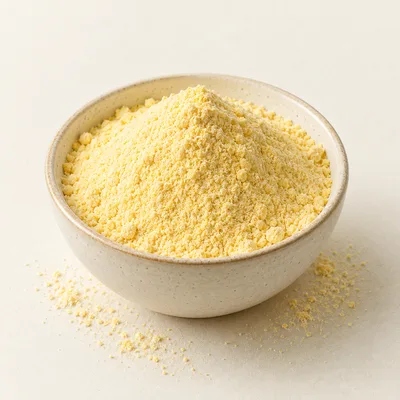 WIDESPREAD STAPLEMaize
Sadza, porridge, roasted cobs and fermented maheu
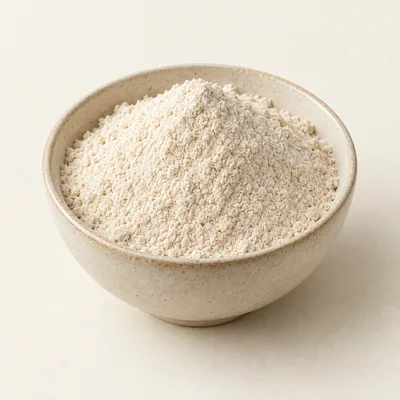 DROUGHT-RESILIENT GRAINSorghum
Sadza, porridge, malt and traditional beer
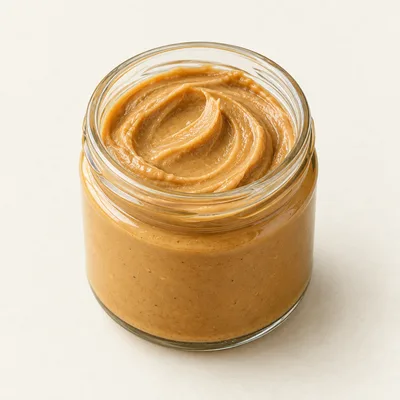 SAUCE & PROTEINGroundnut
Leafy relishes, sauces, snacks and mixed grain dishes
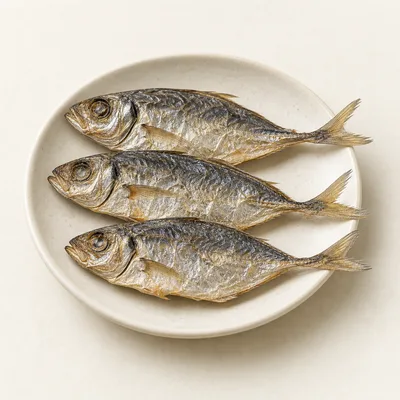 LAKE PRESERVEKapenta
Small fish dried for transport and cooked into relish
Sadza changes with grain and consistency. Refined maize meal gives a pale smooth staple, while whole maize, sorghum or millet brings different colour, flavour and cultural association; it is eaten with relish rather than alone. [8][9]
Wild and semi-wild foods extend the field. Mopane caterpillars, mushrooms, baobab, marula and gathered leaves contribute seasonal nutrition, trade and knowledge that standard crop lists miss. [7][9]
Sadza house, braai, home kitchen and growth-point market reveal different social settings.
Relish signals occasion and resources. Leafy greens or beans may form an everyday accompaniment, while beef, goat, chicken or multiple dishes mark hospitality, celebration or greater spending. [7][8]
Do not treat drought as a permanent national flavour. Rainfall shocks change harvest and access, but farmers actively maintain small grains, livestock, seed and gathering knowledge in response. [8][10]
Food-culture sources checked .
Sadza, relishes and enriched porridges
Sadza is a thick ground-corn paste, usually eaten with stew or relish. Ask what is in the accompanying pot, especially for dovi, muriwo unedovi, nyemba relish, derere, muboora or mufushwa, as some versions include peanut butter. Bota may also contain peanut butter or cow milk in some preparations, so ask whether it is plain or enriched and whether a shared serving spoon is used.
Breads, pastries and bakery food
Zimbabwean bakery and supermarket examples include meat pies, samosas, vetkoek, chikenduza and chimodho. Chikenduza is recorded with wheat flour; chimodho may also use cow milk and egg in enriched versions. Ask about the pastry or batter, fillings, glaze and brushing ingredients, then check whether the same trays, fryer or tongs handle other items.
Meat, fish and live-fire cooking
Braai may include grilled steak, beef short ribs, sausage, chuck or offal, while peri-peri chicken uses a sauce that needs checking separately from the meat. Kapenta relish uses small freshwater fish. Ask about marinades, basting sauces, stock, the grill surface and serving utensils, rather than treating grilled meat as a complete recipe.
Ingredients worth recognising
Start with these ingredients, then follow their names and recorded food connections. Check the recipe and product actually used.
Wheat flour
Wheat flour is the primary flour recorded for chikenduza and a common structural ingredient in chimodho; it also matters in pies and pastries. Ask whether the dough contains wheat flour and whether flour dust or shared surfaces affect preparation.
Peanut
Peanut is a characteristic ingredient in mutakura and appears in several peanut-enriched relishes. Ask whether peanuts or ground peanut are added to the pot, sauce or topping, and whether a separate spoon or pan is used.
Kapenta (dried small freshwater fish)
Kapenta is made from small freshwater fish and is the principal protein in kapenta relish. Ask whether the relish contains kapenta, how it was cooked, and whether fish stock, shared utensils or a mixed relish were involved.
Cow Milk
Cow milk or a milk-derived ingredient is recorded in some bota and enriched chimodho. Ask about milk in the batter or porridge, plus butter, margarine, tea additions or other enrichments; confirm the exact product used.
Egg
Egg is used in some enriched chimodho versions and may be part of a bakery recipe. Ask whether egg is in the dough, glaze or filling, and whether the same brush, tray or utensil is used for other pastries.
How food labelling works
A current, country-specific allergen-labelling summary for Zimbabwe has not yet been verified for this guide. Do not transfer the list of regulated allergens or restaurant disclosure rules from your home country to this one.
Read the complete ingredients on the actual package and keep any local-language sticker with the original label. For imported products, compare the information on that pack rather than a photograph of the brand sold elsewhere. Ask the manufacturer or seller to clarify an unfamiliar term.
For loose food or meals prepared to order, ask who can check the recipe and the labels on bought-in ingredients. Explain every food you avoid, including ingredients outside familiar allergy groups; a short symbol chart may not cover your list.
Language and communication
Prepare a written explanation first in English, Shona and Sindebele/Ndebele, the languages identified as most useful in Zimbabwean communication. State the ingredient, the foods to avoid and the need for a complete recipe check; names alone are only recognition aids.
Use the language most comfortable for the person taking the order, and ask for confirmation from the cook or server when a recipe varies. At counters, markets and shared meals, show the written explanation while checking sauces, flour, toppings, stock, oil and utensils.
Eating in different settings
Bakery or supermarket counter
For meat pies, samosas, vetkoek, chikenduza or chimodho, ask which flour, filling, milk or egg ingredients are used today. Ask whether items share trays, tongs, worktops or frying oil, and request the packaged ingredient list where one is available.
Braai or grilled-meat meal
Ask what is on the grill, including steak, ribs, sausage, chicken or offal, and whether peri-peri or another sauce is added before or after cooking. Check marinades, basting, shared grill space and serving utensils rather than ordering by meat name alone.
Sadza and relish meal
Ask whether the sadza is served with dovi, muriwo unedovi, nyemba relish, derere, muboora or mufushwa, and what is in that particular pot. Confirm peanut butter, kapenta, milk, stock, shared spoons and whether sauces or relishes are combined.
Restaurant, coffee shop or packaged-food shop
For an English-style breakfast, tea with milk, baked beans, fast food or a packaged snack, ask about every sauce, spread, batter, topping and cooking oil. Request the complete label or recipe and check whether preparation equipment is shared.
Before you travel
Review your personal plan
Discuss your travel plans with your clinician and keep your prescribed medicines and emergency instructions accessible. Tell companions where these are and how to follow your plan.
Check your medicines before entering Zimbabwe
The legal status of medicines prescribed or bought in the UK may differ in Zimbabwe. Before travel, read the relevant TravelHealthPro guidance and check the current import and documentation requirements with the appropriate Zimbabwean authority or your prescriber; do not alter prescribed medicines without professional advice.
Make the first meals easier to organise
Contact your accommodation and transport providers in advance. Save your written food list, menu questions and destination address offline. Check entry restrictions before packing backup food, and plan how you will check meals during arrival and onward journeys.
Plan access to medical help
Healthcare quality is variable and may be poor outside major cities, with reported shortages of medicines and trained staff. Check travel insurance, accessible funds and payment arrangements before departure; private clinics may require payment or substantial cash. Review the official list of medical providers if access planning is needed.
Emergency resources
For a suspected severe allergic reaction, follow your prescribed emergency plan and seek urgent medical help. Give your exact location clearly.
Ambulance and urgent medical help
From a mobile phone, request an ambulance on 112. Emergency response is limited in many areas. Confirm local transport options and consult the government’s list of additional emergency contacts.
Explore next
Your allergy in Zimbabwe
Choose a food concern for the country notes and questions relevant to it.
Dishes in Zimbabwe
Follow the ingredients and cuisine connections in individual dish records.
Your own food list
Combine allergy groups and individual ingredients in one guide, with local names where recorded.
Allergy cards
Prepare the information you need to explain your food requirements.
FAQs, sources and review dates
Can I assume sadza and relish is simply corn and vegetables?
No. Sadza is described as a thick ground-corn paste, but the accompanying relish is a separate recipe. Dovi, muriwo unedovi, nyemba relish, derere, muboora and mufushwa can include peanut-butter enrichment; kapenta relish has small freshwater fish. Ask about both components.
What should I ask about a meat pie or chimodho?
Ask about the flour, filling or batter, milk, egg, glaze and any sauce. Wheat flour is recorded for chikenduza and chimodho, while some chimodho versions use cow milk and egg. Then ask about shared trays, brushes, knives, tongs and frying oil.
Is vegetable oil specific enough to confirm?
No. The recorded ingredient is generic vegetable oil and may be soybean oil, but its source is unspecified. Ask which oil was used, whether it was shared with samosas or other fried foods, and whether the packaged product gives a full ingredient list.
Sources checked: . This researched draft is awaiting editorial review. Practical questions apply the sources below to local food settings; they do not confirm any individual meal's ingredients or preparation.
Sources & references (10)
- FCDO · Zimbabwe health and medical assistance
Emergency contact details, local healthcare and medicine guidance. UK-specific eligibility does not apply to every visitor.
- Wikivoyage contributors · Zimbabwe
Community-edited culinary context only; not an allergy or medical authority. Brief food-context adaptations, CC BY-SA 4.0: https://creativecommons.org/licenses/by-sa/4.0/. Recipe questions also use PlateSafe’s draft records.
- FARE · Dining out
General recipe and preparation questions, applied here to country-specific food examples.
- FARE · Travelling with food allergies
General preparation, written communication and access to prescribed medicines. Not country-specific import permission.
- PlateSafe · Zimbabwe recorded food connections
Existing draft dish and ingredient records, used as examples to investigate. These are not independently verified recipes or suitability assessments.
- Unicode CLDR · Territory language data
Language suggestions. Regional language needs must be confirmed with the particular food provider.
- Zimbabwe Ministry of Tourism — Gastronomy
- FAO — Zimbabwe at a glance
- FAO — Zimbabwe plant genetic resources report
- FAO — Farming systems in Zimbabwe and Zambia