
DISH RESEARCH · Dessert
Belgian praline
Filled Belgian chocolates, in a coffee version. Stine Mari’s Belgian pralines enclose a coffee filling inside caramelized white chocolate. This profile selects her extra-coffee alternative to Baileys. Belgian praline here means a filled chocolate, distinct from the nut paste called praliné or a caramelized-nut confection.
About Belgian praline
Research draft based on the references below. These notes describe particular recipes and presentations; ingredient connections are still being reviewed.
Filled Belgian chocolates, in a coffee version. Stine Mari’s Belgian pralines enclose a coffee filling inside caramelized white chocolate. This profile selects her extra-coffee alternative to Baileys. Belgian praline here means a filled chocolate, distinct from the nut paste called praliné or a caramelized-nut confection.
Sweet chocolate against bitter coffee. Stine Mari explicitly describes the filling as sweet and bitter and says the strong coffee brings a robust, bitter flavour. She describes white chocolate as a sweet counterpoint. During caramelization the chocolate develops a butterscotch-like smell; that process aroma is not recast as a guaranteed finished flavour.
A snappy shell and soft filling. The author describes a snappy chocolate shell enclosing a soft filling, conditional on successful tempering. She also notes that imperfect tempering can produce a thicker, less snappy coating. The filled moulds set before unmoulding, and she recommends room temperature for serving.
Ingredients in Belgian praline
High-quality white chocolate for the caramelized shell; powdered sugar, strong prepared coffee, extra coffee in place of the two tablespoons Baileys, and glucose syrup for the filling. No hazelnut, almond, cream ganache or dark-chocolate branch is selected.
Source limits: Exact white-chocolate product variant/full declaration, icing-sugar additives, coffee preparation and glucose-syrup botanical source/declaration unspecified.
- White Chocolate[1]Recipe ingredientSource-specific formulation remains unresolved.
- Icing Sugar[1]Recipe ingredientSource-specific formulation remains unresolved.
- brewed coffee[1]Recipe ingredientSource-specific formulation remains unresolved.
- brewed coffee[1]Recipe ingredientSource-specific formulation remains unresolved.
- Glucose syrup[1]Recipe ingredientSource-specific formulation remains unresolved.
These foods describe the cited recipe. Ask the kitchen about its version and any additional ingredients or handling.
Origins & food traditions
Explore the countries and cooking traditions associated with this dish. These connections do not establish a single birthplace or limit where the dish is eaten today.
Stine Mari labels her recipe Belgian and explains that Belgian pralines are filled chocolates. Neuhaus independently distinguishes Belgian filled chocolate candy from the nut/chocolate/sugar paste praliné. The manufacturer attributes invention to Jean Neuhaus Jr in 1912; that is its historical account, not an independently established exclusive-invention finding.
Source limits: No universal filling or exclusive invention is established.
Countries
Cuisines & regions
Associations in the cited sources
These describe source-specific cultural or geographic connections. Catalogue links may still need review.
- Countries & places
- Belgium
- Cooking traditions
- Belgian cuisine
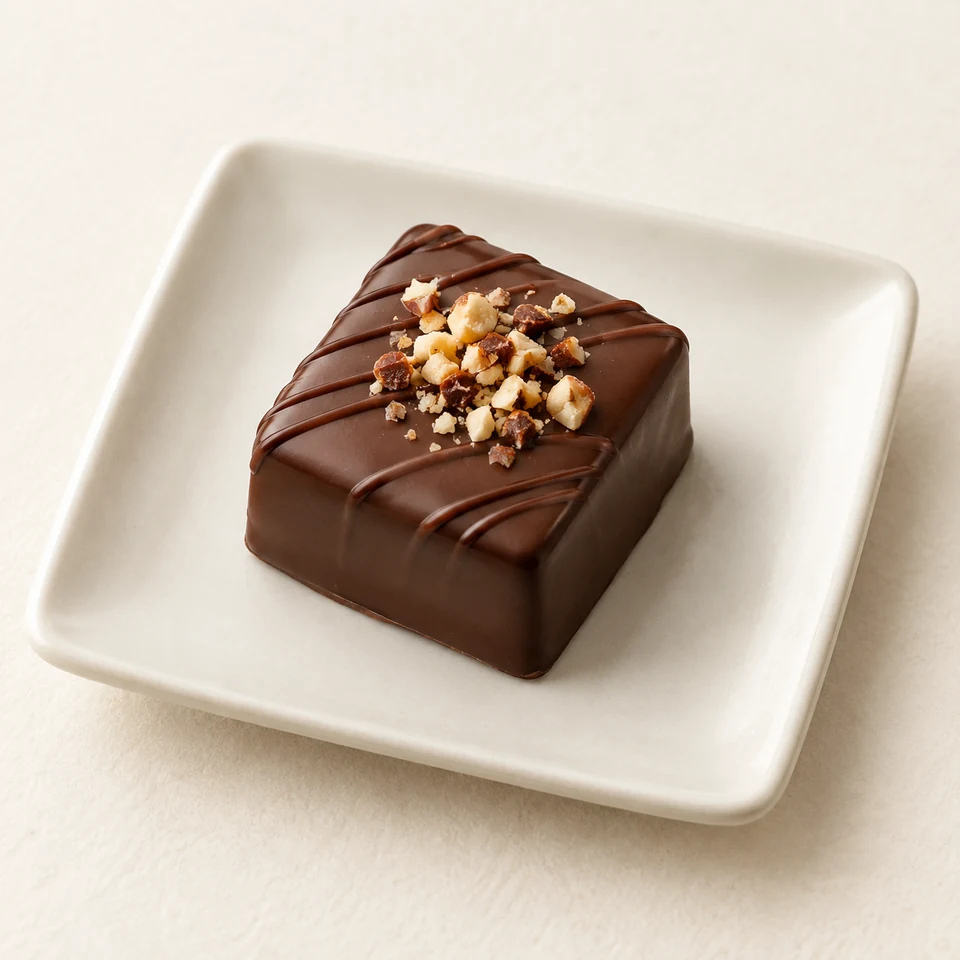
AI-generated illustration of one possible presentation. Recipes and ingredients vary; the image does not establish allergen content.
Sources & references
Stine Mari / Ginger with Spice, “Coffee White Chocolate Belgian Pralines”, selected caramelized-white-chocolate/extra-coffee branch. Neuhaus, “Our Pralinés”, separately provides the Belgian praline versus praliné definition and its attributed history; Neuhaus product fillings are not incorporated.