
DISH RESEARCH · Dessert
Fa'ausi
Tara’s coconut-bread Fa’ausi. This individually attributed Samoan dessert adaptation coats cubes of homemade Fa’apapa in coconut caramel. The selected version uses dried fine coconut flakes, canned coconut milk and butter-greased parchment, with the source’s optional baking powder included. Pumpkin, taro and papaya Fa’ausi remain distinct named variations rather than ingredients of these bread cubes.
About Fa'ausi
Research draft based on the references below. These notes describe particular recipes and presentations; ingredient connections are still being reviewed.
Tara’s coconut-bread Fa’ausi. This individually attributed Samoan dessert adaptation coats cubes of homemade Fa’apapa in coconut caramel. The selected version uses dried fine coconut flakes, canned coconut milk and butter-greased parchment, with the source’s optional baking powder included. Pumpkin, taro and papaya Fa’ausi remain distinct named variations rather than ingredients of these bread cubes.
Sweet coconut caramel around the bread. Tara explicitly describes the finished bread as coated in a sweet coconut caramel sauce and says she chose the dish to highlight caramel flavour. Her coating uses caramelized granulated sugar and coconut milk; it is gently tossed over the cubes rather than baked into the dough.
Dense bread and a smooth, thickening coating. The author describes the coconut bread as dense enough to hold up under the caramel without falling apart. The sauce is whisked until completely smooth and continues to thicken while cooling. These separately described bread and sauce textures belong to her selected preparation; the optional baking powder adds only the slight lightness she notes.
Ingredients in Fa'ausi
The selected bread uses butter for greasing, all-purpose flour of unspecified grain, unsweetened dried fine coconut flakes, granulated sugar, the included optional baking powder, fine salt and unsweetened full-fat canned coconut milk. Separate caramel uses its own sugar and coconut milk. Additional milk is conditional for dough adjustment or an overly thick sauce. Margarine, fresh grated coconut and coconut cream are separate unselected choices; the source’s specially described sugar and grease choices require actual product details.
Source limits: Flour grain, canned-milk and baking-powder declarations, alternative-product formulas and conditional extra milk quantities unknown.
- Butter[2]Cooking mediumSource-specific formulation remains unresolved.
- flour[2]Recipe ingredientSource-specific formulation remains unresolved.
- Desiccated coconut[2]Recipe ingredient
- Sugar[2]Recipe ingredient
- Baking Powder[2]OptionalSource-specific formulation remains unresolved.
- Salt[2]Recipe ingredient
- Coconut milk[2]Recipe ingredientSource-specific formulation remains unresolved.
- Coconut milk[2]OptionalSource-specific formulation remains unresolved.
- Sugar[2]Recipe ingredient
- Coconut milk[2]Recipe ingredientSource-specific formulation remains unresolved.
- Coconut milk[2]OptionalSource-specific formulation remains unresolved.
- Margarine[2]OptionalSource-specific formulation remains unresolved.
- Shredded coconut[2]OptionalSource-specific formulation remains unresolved.
- Coconut cream[2]OptionalSource-specific formulation remains unresolved.
- Sugar[2]OptionalSource-specific formulation remains unresolved.
- Vegan Butter[2]OptionalSource-specific formulation remains unresolved.
These foods describe the cited recipe. Ask the kitchen about its version and any additional ingredients or handling.
Origins & food traditions
Explore the countries and cooking traditions associated with this dish. These connections do not establish a single birthplace or limit where the dish is eaten today.
Tara labels her dessert Samoan and adapts 196 Flavors and Samoa Food. She distinguishes bread Fa’ausi from pumpkin, taro and papaya versions. Her parchment-and-home-oven method is a stated adaptation of leaf-wrapped bread cooked in an umu. The separate Samoa Food writer also describes coconut or pumpkin Fa’apapa with caramel; those formulas are not combined with Tara’s.
Source limits: No exclusive origin date or universal base ingredient is established.
Countries
Cuisines & regions
Associations in the cited sources
These describe source-specific cultural or geographic connections. Catalogue links may still need review.
- Countries & places
- Samoa
- Cooking traditions
- Samoan Cuisine
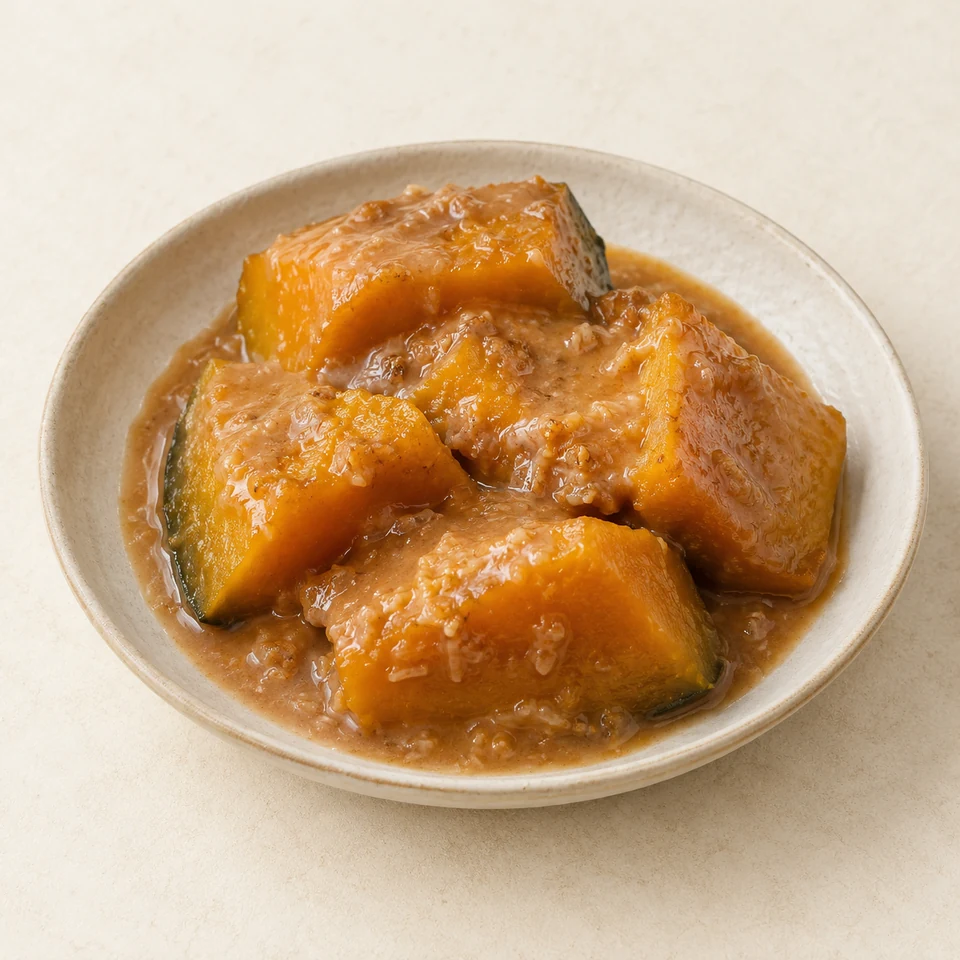
AI-generated illustration of one possible presentation. Recipes and ingredients vary; the image does not establish allergen content.
Sources & references
Tara / Tara’s Multicultural Table, “Fa’ausi (Samoan Coconut Caramel Bread)”, published April 2017 and updated February 2026; Samoa Food’s separately captured Fa’ausi supplies family context. The selected quantities and method are Tara’s own published adaptation.