Understanding wheat in Seychelles
Read the complete meal: its base, sauces, stock, seasonings, coatings, garnishes and preparation. A familiar dish name does not establish the recipe used for the serving in front of you.
This guide keeps every selected food together. A recorded connection identifies something worth checking; a missing connection leaves the ingredient status unknown.
Relevant food context for Seychelles
Cakes, puddings and binders: Banana Cake and Coconut Cake are recorded with egg, wheat flour and butter connections; cassava pudding is recorded with egg as a common binder. Ask whether the batter contains these ingredients, what flour is used, and whether the tin, mixer, knife or serving surface is shared. Wheat and gluten are not interchangeable terms, and coeliac disease is not an IgE allergy, so explain the relevant requirement.
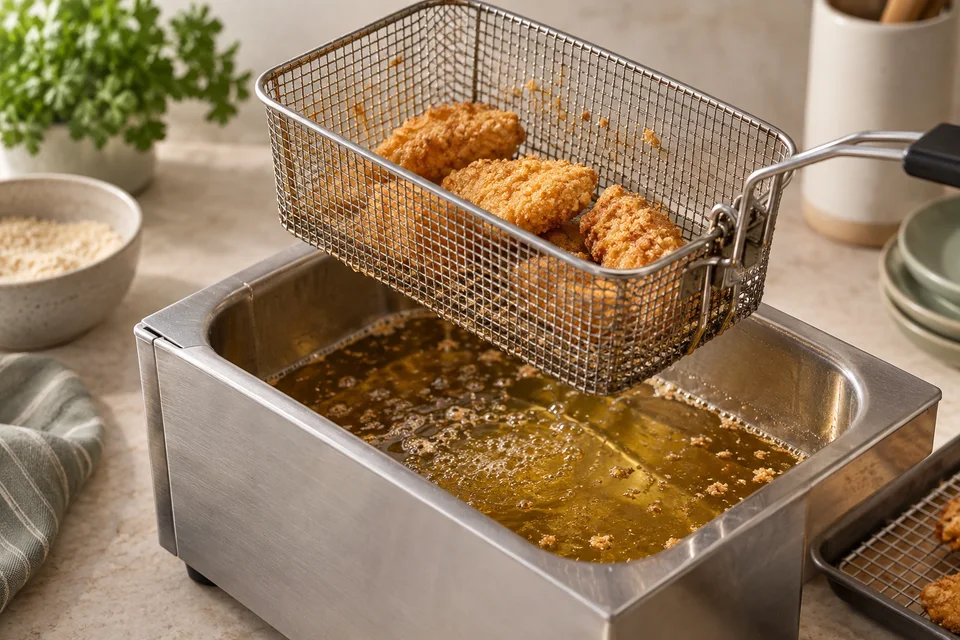
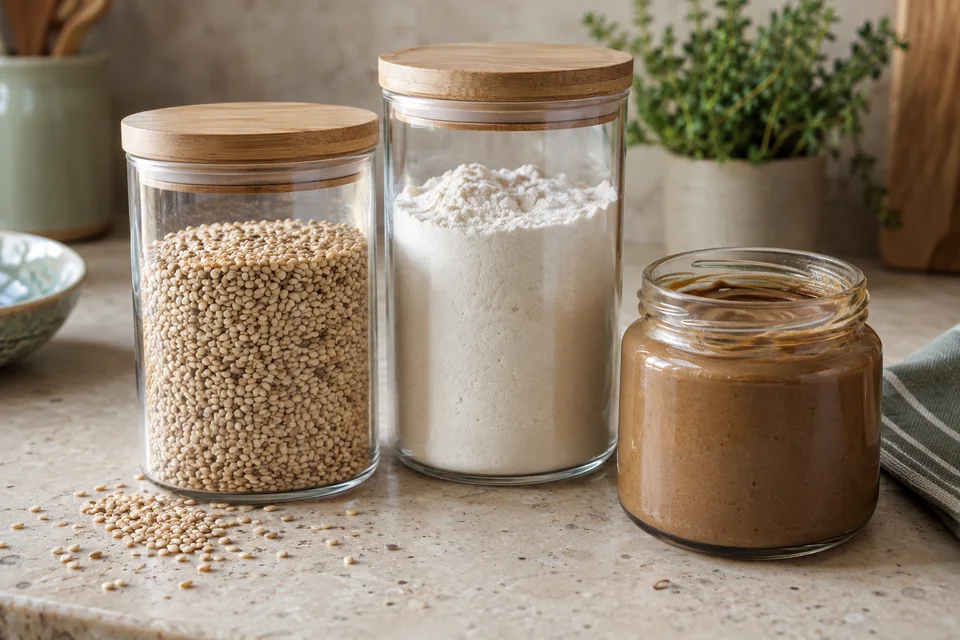
Wheat flour: Wheat flour is intrinsic to wheat and is recorded as a core cake ingredient and a binder or coating for fish cakes. Ask which flour is used in cakes or coatings, and check the complete packaged ingredient list.
Local restaurant: When ordering fish curry, vindaye, rougaille or bouyon, ask for every stock, paste, seasoning and garnish. Confirm whether fish cakes are coated with wheat flour or bound with egg, and ask whether the kitchen can prepare your portion with separate utensils.
Bakery or dessert counter: For banana cake, coconut cake or cassava pudding, ask for the complete batter and topping ingredients, including egg, wheat flour and butter. Ask whether slices are cut on a shared board or with a shared knife, and read any available packaged list.
Using this guide
Open Dishes to investigate recorded local connections, Ingredients & hidden sources to follow component paths, Shopping & labels for names and package checks, and Eating out for a complete kitchen conversation.