
BEFORE YOUR FIRST MEAL
Navigating food allergies in Argentina
Argentina’s food choices range from grilled beef and filled empanadas to Italian-influenced pizza, pasta, bakery treats and dairy-rich desserts. Recipes and toppings can vary between businesses, so a familiar name is only a starting point. Confirm the complete recipe, including breading, pastry, fillings, sauces, garnishes, stock, shared oil and utensils, before ordering or buying food.
What to know first
Grilled meals are not automatically simple
Asado, parrillada and steak may look straightforward, but ask whether the meat has a marinade, seasoning, sauce or shared grill contact with other foods.
Pastry and bread appear widely
Empanadas, milanesa, choripán, lomito and bakery foods commonly involve wheat-based pastry, bread, breadcrumbs or flour coatings; check each component separately.
Explain the whole concern in Spanish
Prepare a written Spanish explanation naming the ingredient or reaction concern, then ask staff to confirm the recipe, toppings, cooking liquid, oil and utensils.
Ask about preparation, not just names
For pizza, pasta, sandwiches and fried foods, check fillings, cheese, mayonnaise, breading, shared oil, shared water and whether the requested changes affect the complete dish.
Read packaged labels every time
ANMAT guidance says to check the declaration after ingredients: “Contains” identifies ingredients or derivatives, while “May contain” addresses possible unintended presence.
Understanding the food
Asado and mate are national symbols, but the country stretches from Andean corn dishes to river fish, vineyard cooking and Patagonian lamb. Immigration, Indigenous traditions and local landscapes all remain visible on the plate.
Six tourism regions, several food worlds.
| Region | Landscape & influence | Examples to explore |
|---|---|---|
| North | Andean and criollo traditions | Empanadas, tamales, humitas, locro, maize, squash and Andean potatoes |
| Cuyo | Andes, vineyards and dry country | Wine, flame-roasted goat, tortitas and vineyard dining |
| Litoral | Great rivers and Guaraní influence | Dorado, surubí, chipá, cassava and mbaipy |
| Pampas & cities | Cattle country and immigration | Asado, milanesa, pasta, pizza, cafés and bakeries |
| Patagonia | Cold steppe, lakes and ocean | Lamb, trout, king crab, smoked foods and berries |
The famous beef culture is only one layer. Official tourism material maps distinct foods through the North, Cuyo, Litoral, Buenos Aires, Córdoba and Patagonia. Indigenous crops, river systems, pastoral landscapes and European immigration all shape what is local. [8][9]
Empanadas are a good lesson in provincial variation. Salta and Tucumán are especially associated with them, but dough, size, filling, seasoning and cooking method change from province to province. The category is national; the detail is local. [10]
Fire, maize and sweetness organise familiar flavours.
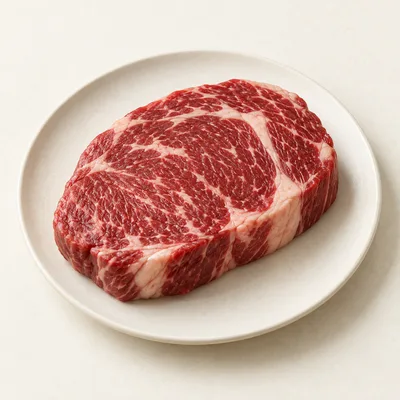 GRILLBeef
Cuts, offal and sausages cooked slowly over fire
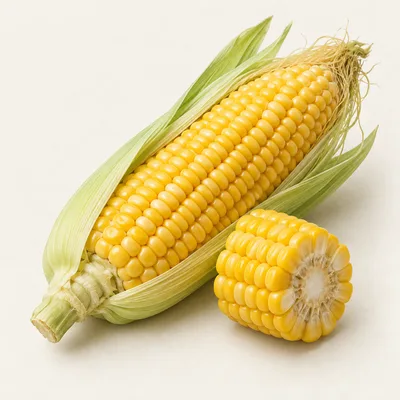 ANDEAN STAPLECorn
Humitas, tamales, locro and northern soups
Prepared and shared from a gourd with hot water
Fillings for alfajores, pastries and ice cream
Asado describes both technique and gathering. Different cuts, chorizo and achuras may be cooked over coals and served with salads, bread and sauces such as chimichurri. Official tourism writing treats the time spent together as central to the experience. [11]
Maize anchors many northern dishes. Humitas, tamales, locro and calapurca use corn in different textures alongside squash, meat, potatoes, chilli or herbs. These dishes make the Andean and criollo history of the north especially legible. [10]
Choose the setting as carefully as the dish.
Parrillas, bodegones and cafés tell different stories. A parrilla organises the meal around fire and cuts of meat; a bodegón around generous urban classics; a café or confitería around coffee, pastries and lingering conversation. Regional markets and vineyard restaurants add their own produce and rhythms. [8][9]
The sobremesa is part of the meal’s social shape. Mate, asado and family meals are repeatedly presented as reasons to gather and extend conversation. Food is not simply plated and finished quickly; the time around it is part of the cultural experience. [8][11]
Food-culture sources checked .
Grill, meat and accompaniments
Asado or parrillada centres on grilled meats such as bife de chorizo, lomo and costillas; chorizo, morcilla and achuras may also appear. Ask whether meat is plain or seasoned, whether a sauce or marinade is added, and whether skewers, bread or salads share the grill, board, tongs or serving utensils. A steak sandwich or takeaway skewer needs the same questions.
Pastry, breading and filled dishes
Empanadas are baked pastries with meat, cheese or vegetable fillings, while milanesa uses a cutlet with an egg-bound breading; milanesa napolitana adds mozzarella. Ask about the pastry or crumb base, flour, egg wash, fillings and toppings. Confirm whether fried items share oil, and whether a salad, sauce or garnish is added after cooking.
Italian-influenced meals and separate components
Pizza, fugazzeta, pizza al molde, sorrentinos and ñoquis reflect the Italian influence described in Argentine food. A pasta meal may involve separate pasta and sauce, so ask about both rather than relying on the dish name. Check wheat flour, egg in fresh pasta, cheese, sauce ingredients, shared boiling water, shared strainers and grated toppings.
Cafés, bakeries and sweet courses
Breakfast and café foods can include toast, medialunas, pastries, fruit, cereal and yoghurt; desserts include alfajor, flan con dulce de leche, arroz con leche and helado. Ask about wheat flour, milk, butter, cream, dulce de leche and egg, plus fillings and toppings. Counter-prepared bakery, ice-cream and pizza foods need recipe and ingredient-label checks.
Ingredients worth recognising
Start with these ingredients, then follow their names and recorded food connections. Check the recipe and product actually used.
Bread
Bread may be wheat-based, but formulations can also include milk, egg, sesame, rye or soy ingredients. For choripán, lomito or a sandwich, ask for the exact roll recipe and whether the same board, toaster or knife is used.
Butter
Butter is a milk-derived ingredient and may occur in pastry such as pastafrola, rogel or torta frita variations. Ask whether the pastry uses butter, another fat or a mixed formulation, and check fillings, glaze and shared preparation surfaces rather than assuming the dough is the only source.
Egg
Egg is intrinsic to the ingredient and is recorded in foods including milanesa breading, flan, revuelto gramajo and some empanada fillings. Ask whether it is in the batter, binder, filling, garnish or mayonnaise, and whether utensils or frying oil are shared.
Wheat flour
Wheat flour forms the recorded bases of empanada pastry, pizza dough, alfajor shells, panqueques and many breaded foods. Ask about flour in the dough, coating, thickener or dusting, and distinguish a wheat question from a gluten question; check the full recipe rather than a dish label.
Tuna
Tuna is a fish and is recorded as a standard component of the sauce for vitel tone. Ask whether the sauce contains tuna, anchovy, mayonnaise or cream, whether the recipe is complete, and whether serving spoons or preparation surfaces are shared with other foods.
Vegetable Oil
“Vegetable oil” does not identify the source: it may be soybean oil. Ask which oil is actually used in fried milanesa, pastries or other foods, whether it is a dedicated fryer, and whether the oil is shared between batches.
How food labelling works
ANMAT advises checking the allergen declaration after the ingredients on packaged food. It appears in bold capitals. Contains identifies ingredients or their derivatives; May contain concerns possible unintended presence and is subject to the authority’s assessment.
Foods prepared or portioned in front of the customer, including examples from bakeries, ice-cream shops and pizzerias, are exempt from this packaged-food requirement. Ask for the recipe and the labels on ingredients used behind the counter.
Read the label again when buying a familiar product, because recipes and processes can change. If your concern is wheat allergy, a gluten-free description alone does not answer the same question.
Language and communication
Argentina’s official language is Spanish, with local Rioplatense usage and differences in pronunciation between cities. Prepare a written explanation in Spanish, naming the exact ingredient and the required avoidance, then ask for confirmation of the complete recipe. Dish names help recognition but are not a complete request.
Regional context matters when travelling: some places near Rawson in Patagonia have native Welsh speakers, but a food-allergy vocabulary there is not established. Use Spanish first, and ask a local speaker to check your written explanation where pronunciation or wording may vary.
Eating in different settings
Parrilla, asado or barbecue trailer
Before ordering bife de chorizo, lomo, costillas or chorizo, ask whether the item is plain or marinated and what seasoning is used. Ask whether bread, achuras or other foods share the grill, tongs, board or serving plate, and request confirmation of salads, sauces and garnishes.
Empanada or lunch counter
Ask which pastry is used and what is inside the specific empanada, including egg, cheese, meat, vegetables and any sauce. Confirm whether it is baked or fried, whether oil is shared, and whether the worker can check the recipe rather than identifying it only by its filling name.
Bakery, heladería or café
For alfajores, medialunas, flan, helado or other counter foods, ask about wheat flour, milk, butter, cream, dulce de leche and egg in both the base and toppings. For food prepared or portioned at the counter, ask to see ingredient labels used behind it and ask about shared scoops, trays and utensils.
Pizza, pasta or sandwich restaurant
For fugazzeta, pizza al molde, sorrentinos, ñoquis, lomito or choripán, confirm dough, bread, pasta, cheese, egg, sauce and mayonnaise separately. Ask about shared boiling water, strainers, boards, toaster surfaces and knives, and whether a topping is added after cooking. Do not infer suitability from a requested modification.
Before you travel
Review your personal plan
Discuss your travel plans with your clinician and keep your prescribed medicines and emergency instructions accessible. Tell companions where these are and how to follow your plan.
Check your medicines before entering Argentina
The legal status and regulation of medicines prescribed or bought in the UK may differ in Argentina. Before travel, read the medicine-travel guidance from TravelHealthPro and check any import or documentation requirements with the relevant Argentine authority for the medicines you carry.
Make the first meals easier to organise
Contact your accommodation and transport providers in advance. Save your written food list, menu questions and destination address offline. Check entry restrictions before packing backup food, and plan how you will check meals during arrival and onward journeys.
Plan access to medical help
Medical facilities in Argentina are described as good but potentially expensive, while public hospitals tend to be crowded. Check your insurer’s arrangements and the current FCDO information, including its list of providers where some staff may speak English, before relying on care during travel.
Emergency resources
For a suspected severe allergic reaction, follow your prescribed emergency plan and seek urgent medical help. Give your exact location clearly.
Ambulance and urgent medical help
Dial 107 or 911 and ask for an ambulance.
Explore next
Your allergy in Argentina
Choose a food concern for the country notes and questions relevant to it.
Dishes in Argentina
Follow the ingredients and cuisine connections in individual dish records.
Your own food list
Combine allergy groups and individual ingredients in one guide, with local names where recorded.
Allergy cards
Prepare the information you need to explain your food requirements.
FAQs, sources and review dates
Is an empanada safe if its filling is suitable?
Not necessarily. The recorded Argentine example uses wheat-flour pastry, and some fillings include hard-boiled egg. Ask about the pastry, filling, glaze, cooking method, shared oil or trays, and any sauce or garnish; confirm the complete recipe for that particular empanada.
What should I ask about vitel tone?
Ask whether the sauce contains tuna and anchovy, as well as traditional mayonnaise or cream. Then check how it is prepared and served, including shared spoons or surfaces. The dish name does not confirm the sauce recipe, and a variation may omit or add components.
Could a familiar packaged product change?
Yes. The checked Argentine labelling note advises reading the label again when buying a familiar product because recipes and processes can change. Check the ingredients and the declaration after them; a gluten-free description does not answer the separate question of wheat allergy.
Sources checked: . This researched draft is awaiting editorial review. Practical questions apply the sources below to local food settings; they do not confirm any individual meal's ingredients or preparation.
Sources & references (11)
- FCDO · Argentina health and medical assistance
Emergency contact details, local healthcare and medicine guidance. UK-specific eligibility does not apply to every visitor.
- Wikivoyage contributors · Argentina
Community-edited food and dining context, checked against the recorded food examples. This is not an allergy or medical authority. Brief food-context adaptations; CC BY-SA 4.0, https://creativecommons.org/licenses/by-sa/4.0/.
- FARE · Dining out
General recipe and preparation questions, applied here to country-specific food examples.
- FARE · Travelling with food allergies
General preparation, written communication and access to prescribed medicines. Not country-specific import permission.
- PlateSafe · Argentina recorded food connections
Existing draft dish and ingredient records, used as examples to investigate. These are not independently verified recipes or suitability assessments.
- Unicode CLDR · Territory language data
Language suggestions. Regional language needs must be confirmed with the particular food provider.
- ANMAT · Allergen declarations on food labels
Scoped allergen-labelling summary. Does not establish an individual meal’s ingredients or preparation.
- Visit Argentina — Country and food identity
- Visit Argentina — Regional food across the country
- Visit Argentina — Flavours of the north
- Visit Argentina — The asado tradition