
BEFORE YOUR FIRST MEAL
Navigating food allergies in Belgium
Belgian food ranges from frituur fries and meatballs to seafood, stews, gratins, waffles and chocolate. The same named dish may vary by recipe, venue or region: waterzooi can be fish-based, sauces may include mustard or stock, and waffles may be served with extra toppings. Ask about the complete preparation, including breading, broth, frying oil, sauces and shared utensils.
What to know first
Sauces change the dish
Stoemp may contain milk and butter, while Belgian endive gratin commonly uses cheese, milk, butter and wheat flour. Ask what enriches the mash or thickens the sauce.
Waffles are not one recipe
Brussels waffles and Liège waffles both commonly use wheat flour, egg and dairy, but toppings may add whipped cream, fruit, chocolate or other ingredients.
Explain the whole meal
Name the food you avoid and ask staff to confirm every component: base, filling, sauce, garnish, breading, stock, topping and cooking medium, rather than relying on the dish name.
Preparation matters
For fries, croquettes or frituur snacks, ask whether the oil, fryer, utensils and preparation surface are shared, and whether sauces are added separately.
Check the full label
EU rules cover 14 allergen categories in ingredients and require them to stand out on prepacked food; ask how information is supplied for an exact restaurant order.
Understanding the food
Fries, beer, chocolate and waffles are real cultural anchors, but they sit beside seafood, stews, cheeses, seasonal vegetables and strong regional identities. Frituren, brasseries, breweries and chocolatiers each hold a different part of the story.
The setting often tells you what to order.
| Setting | Speciality | Food cues |
|---|---|---|
| Frituur | Fries and fried snacks | Sauces, croquettes and quick standing meals |
| Brasserie | Beer and substantial classics | Stews, mussels, croquettes and seasonal dishes |
| Chocolatier | Pralines and confectionery craft | Filled chocolates, truffles and seasonal displays |
| Patisserie & waffle stand | Regional sweet forms | Brussels waffles, Liège waffles, tarts and biscuits |
Regional naming matters even for global icons. Official Flemish tourism material distinguishes Brussels and Liège waffles and treats the frituur as a specialised institution rather than generic fast food. [9]
Craft connects everyday and high-end food. Brewers, chocolatiers, chefs and producers are presented as inheritors and modernisers of regional knowledge, from traditional beer styles and pralines to low-waste restaurant cooking. [8]
Potato, beer and chocolate cross the line between humble and refined.
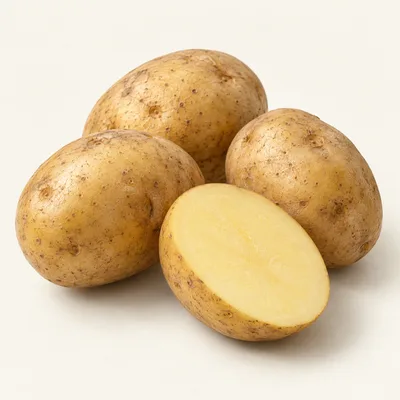 STAPLEPotato
Cut for fries and served with a wide range of sauces
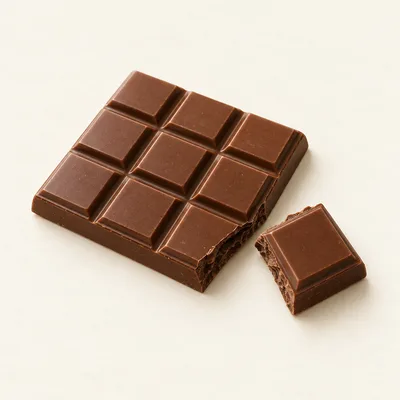 CONFECTIONERYChocolate
Worked into pralines, truffles and desserts
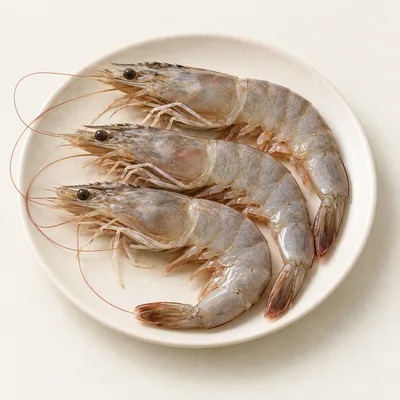 COASTShrimp
North Sea grey shrimp in croquettes and other dishes
A drink, sauce ingredient and pairing tradition
Beer enters the cooking as well as the glass. Belgian beer can deepen beef stews and sauces and is paired deliberately with cheese or chocolate. Abbey, lambic, saison and modern microbrewery traditions create very different flavour contexts. [10]
The coast adds a specific seafood vocabulary. Grey-shrimp croquettes connect fishing knowledge with technical kitchen craft, while mussels and fish broaden the brasserie menu beyond meat and fried foods. [9]
Unpretentious does not mean careless.
A short counter menu can contain deep specialisation. A frituur focuses on frying and sauces; a chocolatier on tempering and fillings; a brewery café on beer and food. These are often better introductions than a menu attempting every Belgian classic at once. [9][10]
Belgium is multilingual and regionally distinct. Flemish, Walloon and Brussels food cultures overlap but are not interchangeable. Dish names, beer traditions and local specialities change with language and place, so the town or region attached to a food is useful context. [8]
Food-culture sources checked .
Fries, frituur food and sauces
A frituur or friterie may serve fries alongside fried meat, sandwiches and a wide choice of sauces. A mitraillette commonly combines a wheat-flour roll with mayonnaise, while fries may be served with Flemish beef stew. Ask about the roll, meat mixture, sauce, fryer oil and shared baskets rather than ordering by name alone.
Stews, meatballs and stock
Flemish beef stew may use butter for browning, bread as a wheat-containing thickener and mustard for seasoning. Liège meatballs commonly use egg and wheat breadcrumbs, while rabbit preparations may include butter and mustard. Ask whether beef broth, chicken stock, beer, bread, mustard or a separate sauce is included in the exact recipe.
Seafood and regional variation
Moules-frites may be cooked with butter or cream and white wine. Waterzooi has a fish version with cream and egg yolk in the sauce, while eel in green sauce is fish-based. Coastal menus may feature mussels, turbot, sole or North Sea shrimp; ask whether stock, garnish and cooking liquid contain other seafood.
Pastry, waffles and sweets
Brussels waffles are commonly made with wheat flour, milk and egg, and may receive powdered sugar, cream or fruit. Liège waffles commonly use enriched dough with butter, milk and egg. Belgian rice tart, pralines, speculoos and dame blanche each have different possible dairy, egg, wheat, nut or soy details, so check the actual serving.
Ingredients worth recognising
Start with these ingredients, then follow their names and recorded food connections. Check the recipe and product actually used.
Wheat flour
Recorded in pistolet, waffles, tarts, pastry, croquettes and biscuits, and used in sauces or binders. Ask whether wheat flour, breadcrumbs or a wheat-based roll is present, and distinguish wheat from gluten when explaining your concern.
Cow Milk
Milk appears in custards, batters, enriched doughs, sauces and mashed potatoes; Belgian rice tart and waffles may contain it. Ask whether milk, cream, butter, milk powder or another dairy ingredient is used in the complete recipe.
Egg
Egg may bind pâté, meatballs, croquettes and tart fillings, enrich waffles or appear as a topping. Mayonnaise and custard-style ice cream can also contain egg. Ask about batter, glaze, coating, sauce and garnish separately.
Prawns
Prawns are crustaceans and occur in recorded tomato shrimp preparations; similar seafood may also appear in coastal dishes. Ask whether prawns or shrimp are in the dish, sauce or stock, and whether seafood utensils or cooking liquid are shared.
Belgian Beer
Beer may be part of cooking, including rabbit in gueuze, and some Belgian styles use wheat alongside barley. Ask which beer is used in a sauce or braise, whether the recipe includes it directly, and whether another stock or seasoning is added.
Dijon Mustard
Mustard is recorded in beef stew and rabbit variations, and Dijon mustard is a typical seasoning in filet américain. Ask whether mustard, mustard paste or a mustard-based dressing is included, including in a sauce served separately.
How food labelling works
EU food-information rules cover 14 allergen categories used as ingredients. On prepacked food, these must stand out in the ingredients list. The categories include gluten-containing cereals, crustaceans, eggs, fish, peanuts, soybeans, milk, specified nuts, celery, mustard, sesame, sulphites above the stated threshold, lupin and molluscs.
Allergen information is also required for food sold without prepacking, including restaurant meals. Ask how to obtain the information for the exact order. National arrangements affect how it is supplied; an ingredient declaration does not by itself describe shared equipment or handling.
If you avoid a food outside those categories, read the complete ingredients and name that food when speaking to staff. A short allergen key cannot answer every ingredient-specific question.
Language and communication
Belgium’s national languages are Dutch, French and German. Prepare a written explanation in the language used locally: Dutch in Flanders, French in Wallonia, and Dutch or French in Brussels. Use German in the German-speaking municipalities, and ask staff to confirm the complete recipe rather than relying on food names.
Flemish Dutch and Belgian French have local vocabulary and pronunciation differences, while Belgian German includes regional influences. Regional language context matters, particularly in Wallonia, where some people also speak Walloon. Names such as moules-frites, mosselen met friet, wafels, gaufres and stoemp help recognition, not a complete allergy request.
Eating in different settings
Frituur or friterie
Ask whether the fries share oil, baskets, scoops or surfaces with fried meat, croquettes or seafood. For a mitraillette, check the wheat roll, mayonnaise and fillings, and request sauces separately so their ingredients can be confirmed.
Waffle stand or dessert shop
Ask whether the waffle is Brussels or Liège style, then check the batter for wheat, milk and egg. Before accepting toppings, ask about whipped cream, fruit, chocolate, powdered sugar and shared tongs or serving surfaces.
Traditional restaurant
For moules-frites, waterzooi, stew or gratin, ask for the exact cooking liquid, stock, thickener, sauce and garnish. Confirm whether butter, cream, egg yolk, mustard, wine, bread or seafood is used, and whether the side is prepared separately.
Bakery, chocolatier or packaged-food shop
For pralines, rice tart, speculoos, bread or chocolate, read the complete ingredients and ask about fillings, coatings and toppings. Check specifically for milk, egg, wheat, hazelnut, soy and any food you avoid outside the common allergen categories.
Before you travel
Review your personal plan
Discuss your travel plans with your clinician and keep your prescribed medicines and emergency instructions accessible. Tell companions where these are and how to follow your plan.
Check your medicines before entering Belgium
The legal status of medicines prescribed or bought in the UK can differ in Belgium. For a specific medicine, read TravelHealthPro’s best-practice guidance and contact the Belgian Embassy in the UK about its legal status before travelling.
Make the first meals easier to organise
Contact your accommodation and transport providers in advance. Save your written food list, menu questions and destination address offline. Check entry restrictions before packing backup food, and plan how you will check meals during arrival and onward journeys.
Plan access to medical help
Eligible UK travellers need a GHIC or EHIC for medically necessary state healthcare, subject to NHS eligibility and treatment guidance. Consultations and prescriptions may incur fees, potentially recoverable through travel insurance. Check the FCDO provider list, policy terms and coverage for private or non-urgent care before travel.
Emergency resources
For a suspected severe allergic reaction, follow your prescribed emergency plan and seek urgent medical help. Give your exact location clearly.
Ambulance and urgent medical help
Dial 112 and ask for an ambulance.
Explore next
Your allergy in Belgium
Choose a food concern for the country notes and questions relevant to it.
Dishes in Belgium
Follow the ingredients and cuisine connections in individual dish records.
Your own food list
Combine allergy groups and individual ingredients in one guide, with local names where recorded.
Allergy cards
Prepare the information you need to explain your food requirements.
FAQs, sources and review dates
Could “stoemp” be dairy-free?
The recorded connection describes stoemp as mashed potatoes and carrots with bacon and sausages, with milk possibly added alongside butter. Ask whether this serving contains milk, butter, cream or stock, and whether the bacon and sausages are separate ingredients with their own recipe.
What should I ask about chocolate pralines?
Praline shells and fillings commonly involve milk-based chocolate, cream and butter; hazelnut is a common filling and soy lecithin is common in commercial shells. Ask about the specific filling, coating and cross-contact at the shop, rather than treating every praline as identical.
I avoid sulphites rather than a common allergen: what should I check?
Ask staff to identify the complete ingredients rather than relying on a short allergen key. Possible ingredients to check include white wine, gueuze, Dijon mustard, vinegar, dried plums and raisins; the exact product or recipe determines whether sulphites are present.
Sources checked: . This researched draft is awaiting editorial review. Practical questions apply the sources below to local food settings; they do not confirm any individual meal's ingredients or preparation.
Sources & references (10)
- FCDO · Belgium health and medical assistance
Emergency contact details, local healthcare and medicine guidance. UK-specific eligibility does not apply to every visitor.
- Wikivoyage contributors · Belgium
Community-edited culinary context only; not an allergy or medical authority. Brief food-context adaptations, CC BY-SA 4.0: https://creativecommons.org/licenses/by-sa/4.0/. Recipe questions also use PlateSafe’s draft records.
- FARE · Dining out
General recipe and preparation questions, applied here to country-specific food examples.
- FARE · Travelling with food allergies
General preparation, written communication and access to prescribed medicines. Not country-specific import permission.
- PlateSafe · Belgium recorded food connections
Existing draft dish and ingredient records, used as examples to investigate. These are not independently verified recipes or suitability assessments.
- Unicode CLDR · Territory language data
Language suggestions. Regional language needs must be confirmed with the particular food provider.
- European Commission · Allergen information
Scoped allergen-labelling summary. Does not establish an individual meal’s ingredients or preparation.
- VISITFLANDERS — Culinary treats and Belgian beer
- VISITFLANDERS — Flemish street food
- VISITFLANDERS — Belgian beer culture