
BEFORE YOUR FIRST MEAL
Navigating food allergies in Belize
Belizean meals may combine rice, beans, chicken, seafood, coconut, corn foods and fried dough, with recipes differing between stalls, homes and restaurants. Ceviche, tamales, bollos, garnaches, salbutes, panades and tostadas are not interchangeable recipes. Use the dish name only to start a conversation: ask about the complete recipe, cooking liquid, toppings, shared equipment and packaged ingredients before ordering.
What to know first
Rice, beans and chicken
Rice and beans may be served together or as white rice with stewed pinto beans; chicken is often cooked and served on the bone. Ask what is in the pot and gravy.
Street foods vary by filling
Corn-based garnaches, salbutes, panades and tostadas, plus tamales and bollos, can have different fillings or toppings. Confirm the exact filling, batter and finishing ingredients.
Explain the whole concern
In English, Spanish or Belizean Creole, describe the ingredient you must avoid and ask whether it is in the dish, stock, sauce, topping or shared cooking equipment.
Ask about preparation
Check whether oil, water, pans, boards, utensils or serving spoons are shared with another food, and whether a topping or sauce is added after cooking.
Read the complete label
Read the complete ingredients and allergen information on the actual product. If you avoid a food that is not highlighted, ask the producer or food provider to check it specifically.
Understanding the food
Creole, Mestizo, Maya, Garifuna and other communities contribute distinct staples, seasonings and techniques. Rice and beans, stew chicken and seafood may be widely familiar, but northern soups, southern coconut dishes and island catches keep the map on the plate.
Follow the country from coast to inland communities.
| Area | Cultural & geographic context | Examples to explore |
|---|---|---|
| Central coast | Belize City and Creole traditions | Meat pies, rice and beans, stew chicken and cowfoot soup |
| North | Mestizo, Spanish and Maya influence | Escabeche, chimole and fresh corn tortillas |
| South | Garifuna and Maya communities | Hudut, sere, cassava foods and cohune cabbage |
| Cayes & coast | Caribbean fisheries | Conch, lobster, shrimp, ceviche and crab soup |
Belize’s official tourism guide explicitly organises food by region. The central coast, north, south and islands foreground different communities and ingredients. That makes cultural context essential rather than decorative. [7][8]
Rice and beans is a base, not the entire meal. It often accompanies stew chicken or another main preparation, with salad, plantain or other sides completing the plate. Recado, coconut milk and local pepper sauces give familiar staples a Belizean profile. [7]
Corn, coconut and recado carry different culinary histories.
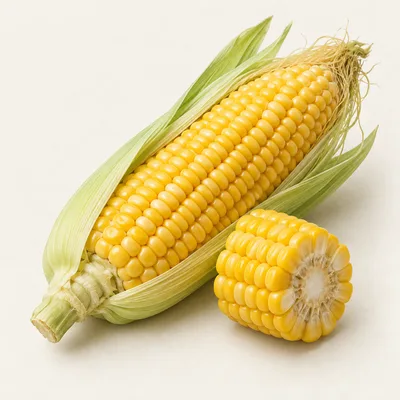 GRAINCorn
Tortillas, tamales and Maya- and Mestizo-linked dishes
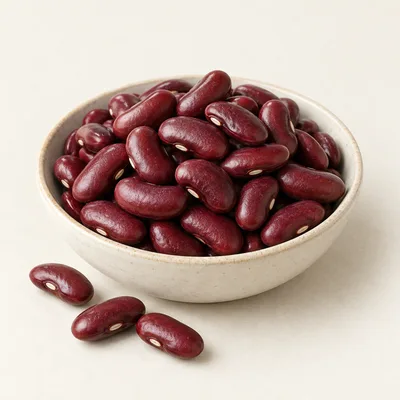 GRAIN & PULSERice and beans
A widespread plate foundation
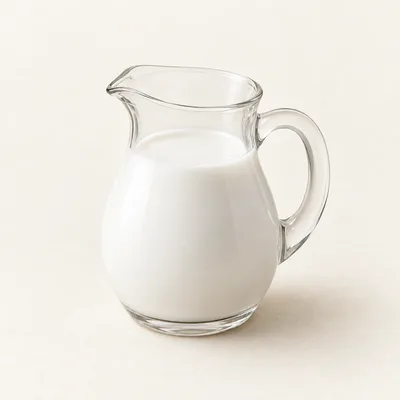 RICHNESSCoconut milk
Especially important in coastal and Garifuna foods
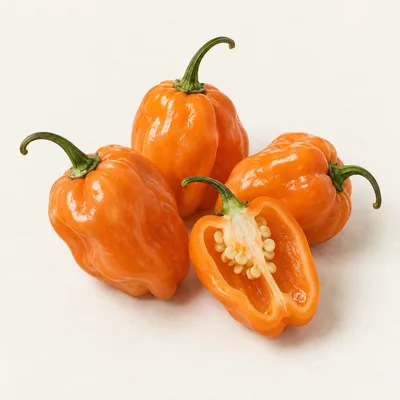 HEATHabanero
Fresh heat in table sauces and cooking
Recado changes the colour and direction of a dish. Red annatto-based recado seasons stew chicken, while black recado gives chimole its characteristic dark broth. Escabeche takes another route through vinegar, onion and pepper. [7]
Cassava and plantain carry Garifuna food traditions. The official travel guide points to hudut, fish soup with plantain and cassava dumplings in the south. These foods sit beside Maya corn-and-bean preparations and Creole rice dishes without becoming one blended cuisine. [9]
Local eateries and food stands are the main classroom.
Specialisation follows community and place. A northern restaurant may be the place for chimole or escabeche; a southern kitchen for hudut; an island stand for ceviche or lobster; Belize City for meat pies and Creole plates. [7]
Season and catch matter on the coast. Seafood availability changes, and lobster festivals mark a defined season rather than year-round sameness. Ask what is fresh and local instead of assuming every coastal menu has the same catch. [7]
Food-culture sources checked .
Rice, beans and coconut
A widely encountered meal is red beans, rice and chicken. Rice and beans may be a mixed dish with spices and coconut milk, while beans and rice may mean white rice beside stewed pinto beans. Ask which version is being served, whether the beans and rice share a pot, and what stock, seasoning or sauce is added.
Soups, stews and boiled meals
Chicken soup may include wheat-based dumplings or dough; conch soup can be served with dumplings; and boil up may contain fish, boiled egg and optional doughboy dumplings. Fish sere, hudut and bundiga also use fish in distinct preparations, with bundiga combining fish, green plantain and coconut milk. Confirm the broth and dumplings separately.
Street-stall corn foods and fried dough
Tamales and bollos use corn mixtures, with bollos described as coarser, and either may contain chicken, sometimes still on the bone. Garnaches, salbutes, panades and tostadas are corn-based foods, while fry jacks are fried dough that may hold refried beans, cheese, meat or egg. Ask about batter, filling, topping and fryer sharing.
Seafood, pastries and sweets
Belizean ceviche may include citrus, vegetables and seafood such as fish or shrimp, while conch and shrimp fritters use different batters. Meat pies and coconut tarts use pastry; some bread pudding recipes use bread, milk and egg. Chocolate is sold as bean-to-bar in some towns, so check the packaged product rather than relying on its name.
Ingredients worth recognising
Start with these ingredients, then follow their names and recorded food connections. Check the recipe and product actually used.
Bread
Bread may be relevant in bread pudding and can contain wheat, milk, soy, egg or sesame depending on the formulation; rye also occurs in recognised breads. Check the complete bread label and ask whether slices share a board or toaster.
Corn tortilla
Corn tortillas may be used around Belizean corn-based foods, but some formulated versions also contain wheat flour. Ask whether the tortilla is made only from corn, what oil or griddle is used, and whether wheat products share the surface.
Wheat flour
Wheat flour is recorded in pastry, fry-jack dough, fritter batter, johnny cakes and optional dumplings. Ask whether flour is in the dough, batter, soup dumpling or thickener, and whether flour dust or utensils are shared.
Butter
Butter is a common ingredient in some coconut tarts and sweet potato puddings, and may be used in other baked foods. Ask whether the recipe uses butter, another spread or a dairy ingredient, and check packaged pastry or filling labels.
Shrimp
Shrimp is a crustacean variation in Belizean ceviche, the core protein in shrimp fritters and an option in some Tapou versions. Ask whether the dish uses shrimp, another seafood or a mixed stock, and whether seafood is fried in shared oil.
Soy Sauce
Some stew-chicken preparations use soy sauce as seasoning, and the recorded ingredient notes say soybeans are commonly used to make it. Ask whether soy sauce is in the marinade, gravy or cooking liquid, and request the bottle or full label.
How food labelling works
A current, country-specific allergen-labelling summary for Belize has not yet been verified for this guide. Do not transfer the list of regulated allergens or restaurant disclosure rules from your home country to this one.
Read the complete ingredients on the actual package and keep any local-language sticker with the original label. For imported products, compare the information on that pack rather than a photograph of the brand sold elsewhere. Ask the manufacturer or seller to clarify an unfamiliar term.
For loose food or meals prepared to order, ask who can check the recipe and the labels on bought-in ingredients. Explain every food you avoid, including ingredients outside familiar allergy groups; a short symbol chart may not cover your list.
Language and communication
Belize’s official language is standard British English, and it is useful for a written explanation of the ingredient concern and the need for recipe confirmation. Spanish is widely used as a first language in northern and western areas, so provide the same written details when speaking with a Spanish-speaking cook or vendor.
Belizean Creole is widely spoken, and Spanish and English may be mixed on Ambergris Caye. Garifuna and Maya languages, including Kekchi, Mopan and Yucatec, are used in regional contexts. Ask a staff member to confirm the full recipe in the language they use, rather than relying on a dish name.
Eating in different settings
Roadside market or stall
For papusas, tamales, bollos, garnaches, salbutes, panades or tostadas, ask what the maize mixture contains, which filling and toppings are used, and whether the same oil, griddle, board or tongs touch other foods.
Breakfast counter
For rice and beans, chicken, fry jacks or johnny cakes, ask whether beans and rice are cooked together, whether chicken has a sauce or stock, and whether fry-jack dough contains wheat. Check if cheese, egg or meat is added inside.
Soup or restaurant meal
Before ordering chicken soup, conch soup, boil up, hudut, bundiga or fish sere, ask for every broth ingredient and whether dumplings are included. Confirm fish, egg, coconut milk and any finishing sauce separately rather than assuming the menu title is complete.
Bakery, supermarket or packaged-food shop
For bread pudding, meat pies, coconut tarts, chocolate, bread or sauces, ask to see the unopened packaging and read the entire ingredient list. Check fillings, pastry, milk, egg, soy and toppings, and ask how the item was stored or handled.
Before you travel
Review your personal plan
Discuss your travel plans with your clinician and keep your prescribed medicines and emergency instructions accessible. Tell companions where these are and how to follow your plan.
Check your medicines before entering Belize
The legal status and regulation of medicines prescribed or bought in the UK can differ in Belize. Before travel, check the relevant medicine-import requirements and TravelHealthPro best-practice guidance, and confirm documentation directly with the appropriate Belizean authority or your prescriber.
Make the first meals easier to organise
Contact your accommodation and transport providers in advance. Save your written food list, menu questions and destination address offline. Check entry restrictions before packing backup food, and plan how you will check meals during arrival and onward journeys.
Plan access to medical help
Medical facilities in Belize are limited and prescription-medicine availability is unreliable. Serious cases are normally evacuated to the United States at the patient’s expense. Check the current FCDO list of facilities, ask whether English-speaking staff are available, and ask your insurer what local treatment and medical evacuation cover applies before travelling.
Emergency resources
For a suspected severe allergic reaction, follow your prescribed emergency plan and seek urgent medical help. Give your exact location clearly.
Ambulance and urgent medical help
Call 911 and ask for an ambulance.
Explore next
Your allergy in Belize
Choose a food concern for the country notes and questions relevant to it.
Dishes in Belize
Follow the ingredients and cuisine connections in individual dish records.
Your own food list
Combine allergy groups and individual ingredients in one guide, with local names where recorded.
Allergy cards
Prepare the information you need to explain your food requirements.
FAQs, sources and review dates
Can I treat rice and beans as one standard recipe?
No. A mixed rice-and-beans dish, often with spices and coconut milk, differs from white rice served beside stewed pinto beans. Ask which preparation is offered, what stock or seasoning is used, and whether a separate chicken or meat gravy is spooned over it.
What should I ask about ceviche or seafood soups?
Ask whether the ceviche uses fish, shrimp, conch or a combination, and whether the citrus, vegetables and seafood are prepared together. For soup, ask about fish or other seafood stock, dumplings, shared utensils and garnishes. Do not infer the seafood from the word ceviche or soup alone.
What about an ingredient such as celery?
Celery is recorded as a seasoning variation in conch fritters and as a common aromatic in some chicken stocks. It is not necessarily present in every version. Ask whether celery is in the batter, stock, seasoning mix or garnish, and request confirmation of the complete recipe.
Sources checked: . This researched draft is awaiting editorial review. Practical questions apply the sources below to local food settings; they do not confirm any individual meal's ingredients or preparation.
Sources & references (9)
- FCDO · Belize health and medical assistance
Emergency contact details, local healthcare and medicine guidance. UK-specific eligibility does not apply to every visitor.
- Wikivoyage contributors · Belize
Community-edited culinary context only; not an allergy or medical authority. Brief food-context adaptations, CC BY-SA 4.0: https://creativecommons.org/licenses/by-sa/4.0/. Recipe questions also use PlateSafe’s draft records.
- FARE · Dining out
General recipe and preparation questions, applied here to country-specific food examples.
- FARE · Travelling with food allergies
General preparation, written communication and access to prescribed medicines. Not country-specific import permission.
- PlateSafe · Belize recorded food connections
Existing draft dish and ingredient records, used as examples to investigate. These are not independently verified recipes or suitability assessments.
- Unicode CLDR · Territory language data
Language suggestions. Regional language needs must be confirmed with the particular food provider.
- Belize Tourism Board — Cuisine by region
- Belize Tourism Board — Culture
- Belize Tourism Board — Travel guide