
BEFORE YOUR FIRST MEAL
Navigating food allergies in Bhutan
Bhutanese meals commonly centre on rice with one or two vegetable or meat dishes, while chilli and cheese shape many familiar preparations. Ema datshi, momos, hoentoe and buckwheat dishes can vary by cook, region and filling. For allergy-aware travel, ask about the complete recipe, stock, sauces, toppings and shared utensils rather than relying on a dish name or a vegetarian description.
What to know first
Rice is only the base
Rice often accompanies chilli-and-cheese dishes or meat and vegetables. Ask what is mixed into the accompanying dish, not only how the rice itself is cooked.
Wrappers and noodles need checking
Momos, thukpa and Bathup are recorded with wheat-based components, while hoentoe and khule use buckwheat. Confirm the grain and preparation separately.
Explain the whole concern
Give a written explanation in Dzongkha where possible, then ask staff to confirm every ingredient, stock, sauce, topping and shared cooking surface for your order.
Ask before heat is added
Chilli may be cooked into a dish or served raw, and many examples are described as spicy. Ask whether chilli, chilli powder or chilli oil is included.
Read the complete list
Read the complete ingredients and allergen information on the actual product. If you avoid a food that is not highlighted, ask the producer or food provider to check it specifically.
Understanding the food
Rice, maize and buckwheat support meals built from stews, vegetables, cheese and meat. The combination changes by valley and region: western red-rice plates, Bumthang buckwheat, eastern corn dishes and southern Nepali-influenced curries all belong to the same small Himalayan country.
Altitude and community change the grain in the bowl.
| Area | Recurring foundation | Examples to explore |
|---|---|---|
| Western valleys | Red or white rice with spicy stews | Ema datshi, kewa datshi, pork or beef paa and momo |
| Bumthang | Buckwheat and dairy | Khurle pancakes, puta noodles, jangbuli and local cheese |
| Eastern districts | Maize and pungent fermented flavours | Asham thukpa, corn preparations and zoedoe |
| Southern Bhutan | Lhotshampa Nepali and Indian influence | Rice, roti, lentils, curries and pickles |
The familiar western plate is only one regional pattern. Red or white rice with a vegetable, cheese or meat stew is widespread, but Bhutan’s tourism authority documents buckwheat specialities in Bumthang, corn dishes in the east and lentil-and-roti meals in the south. [7]
Hospitality and food are closely connected. Tea or another drink is normally offered to a guest, and home or homestay meals can reveal local grains and preparations that city restaurant menus compress into a short list of national classics. [7][8]
Rice carries the meal; chilli and cheese give it its unmistakable centre.
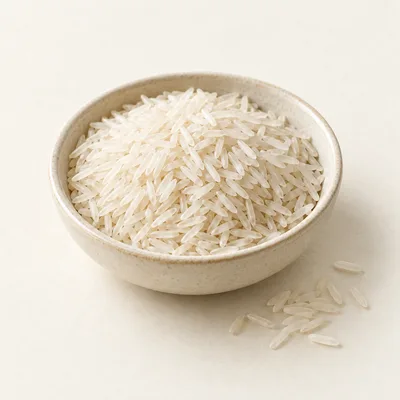 GRAINRed rice
A prized western and central Himalayan staple
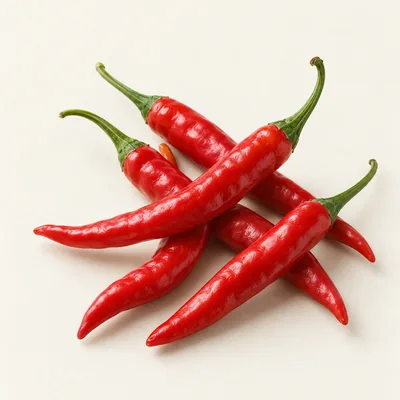 VEGETABLEChilli
Cooked as a principal ingredient in stews and relishes
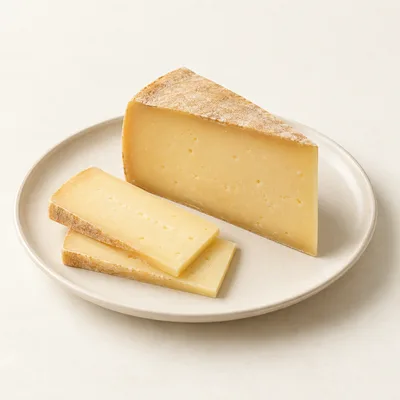 DAIRYDatshi
Cow- or yak-milk cheese used across named stews
Pancakes, noodles and porridges in Bumthang
Ema datshi explains the grammar of many dishes. Ema means chilli and datshi means cheese; the same naming logic appears in potato, mushroom or meat-and-cheese preparations. These are usually eaten with a generous serving of rice rather than treated as a side condiment. [7][9]
Heat can be adjusted for visitors, but the underlying cuisine is hot. The official guide notes that roadside and home cooking is commonly much spicier than hotel versions. Ask for the kitchen’s normal preparation if you want to understand the dish rather than assuming the tourist version is standard. [7]
Urban variety grows quickly outside a deeply local meal structure.
Thimphu and Paro offer the broadest restaurant range. Cafés, hotel dining rooms and specialist international restaurants are concentrated in larger towns, while rural areas more often foreground traditional stews, grains and seasonal produce. [7]
Roadside eateries and homestays are useful for regional detail. Budget restaurants commonly serve momo, thukpa and traditional meals; homestays and festival visits can introduce ara, butter tea, puffed rice and dishes that do not travel widely between districts. [7]
Food-culture sources checked .
Rice with datshi and vegetables
Rice is described as the main body of many Bhutanese meals, traditionally red rice though white rice is also common. Ema datshi combines chilli with local cheese; variations may add green beans, ferns, potatoes or mushrooms. Kewa-datsi uses potato, cheese and chilli, while shamu-datsi uses mushroom, cheese and chilli. Ask whether the cheese, vegetables and chilli are cooked together, and whether a separate serving shares the same ladle or pan.
Meat dishes and changing additions
Pork, beef and chicken are recorded as common meats, with phaksha paa made from pork and spicy red chillies and sometimes radish or spinach. Jasha maru is minced chicken with tomatoes and other ingredients; goep is tripe cooked with chilli or chilli powder. Ask about the complete seasoning, any stock or sauce, and whether meat and vegetable portions are prepared with the same oil, pan or utensil.
Dumplings, pancakes and noodles
Momos may contain pork, beef, cabbage or cheese; wheat flour may be used for the wrapper, and soy sauce may be present in some fillings or accompanying sauces. Hoentoe uses a buckwheat dumpling with turnip greens, datshi, spinach and other ingredients. Bumthang is associated with khule buckwheat pancakes and puta buckwheat noodles served with curd. Confirm the wrapper, filling, dipping sauce and cooking water.
Regional and recipe variation
Buckwheat dishes are particularly associated with Bumthang, while rice, buckwheat and barley are cultivated in different regions. Cheese momo may contain cabbage and onion, but other vegetables, including green papaya, may be substituted. Datshi preparations also vary, including yak-cheese versions and meat alternatives. Treat these as examples: ask what this cook uses today, rather than applying one recipe nationwide.
Ingredients worth recognising
Start with these ingredients, then follow their names and recorded food connections. Check the recipe and product actually used.
Wheat flour
Recorded for Bathup noodles and momo wrappers, so it may appear in dumpling or noodle dishes even when the filling seems suitable. Ask whether the wrapper or noodles contain wheat flour and whether preparation shares flour, boards or water.
Wheat noodles
Recorded as typical in thukpa and relevant to noodle dishes such as Bathup. Confirm the noodle ingredient itself, the cooking water, and any broth or sauce added afterwards; do not treat a rice-centred meal as evidence that noodles are rice-based.
Raisins
Raisins are recorded with a possible formulation difference: some commercial products, especially light-coloured varieties, use sulfites. For packaged food or a dish containing dried fruit, check the full label or ask which product was used.
Broth
Broth may be relevant to soups and noodle dishes. Some versions include celery as a common aromatic, while fish broth is a recognised formulation. Ask what stock was used, whether it is ready-made, and whether the same broth serves other dishes.
Soy Sauce
Soy sauce is recorded in some momo fillings or accompanying sauces and is commonly produced using soybeans. Ask whether it is in the filling, dipping sauce or marinade, and whether a separate portion can be made without that sauce.
Butter
Butter is recorded in jaju as a commonly used ingredient and may grease or cook khule; it can also be added to zow shungo. Ask whether butter or another fat is used in the pan, batter or finishing step.
How food labelling works
A current, country-specific allergen-labelling summary for Bhutan has not yet been verified for this guide. Do not transfer the list of regulated allergens or restaurant disclosure rules from your home country to this one.
Read the complete ingredients on the actual package and keep any local-language sticker with the original label. For imported products, compare the information on that pack rather than a photograph of the brand sold elsewhere. Ask the manufacturer or seller to clarify an unfamiliar term.
For loose food or meals prepared to order, ask who can check the recipe and the labels on bought-in ingredients. Explain every food you avoid, including ingredients outside familiar allergy groups; a short symbol chart may not cover your list.
Language and communication
Prepare a written food explanation in Dzongkha, Bhutan’s national language, naming the ingredients or preparation steps that must be checked. Use it alongside spoken questions about the complete recipe, stock, sauce, toppings and shared utensils; dish names alone are not enough.
Bhutan also has regional languages, including Sharchopkha in eastern Bhutan and Bumthangkha in the Bumthang region, while Nepali is widely understood. Regional wording may help with confirmation, but ask a person who can check the particular recipe and preparation.
Eating in different settings
Local restaurant or hotel dining room
For ema datshi, kewa-datsi or shamu-datsi, ask whether cheese, chilli and the named vegetable are cooked together, and whether meat stock, butter or a shared ladle is used. For rice, confirm whether it is plain and served from a separate pot.
Momo order
Ask which wrapper flour is used, what is in the filling, and whether soy sauce appears in the filling or dipping sauce. Check whether momos are steamed in a shared vessel and whether the same board or utensils handle other fillings.
Bumthang-style food stop
For khule or puta, ask whether the item is made from buckwheat and whether butter or curd is added. If ordering hoentoe, confirm the full filling, including datshi, greens and any other ingredients, plus the cooking water or surface.
Packaged-food shop
Read the complete ingredient list for dried fruit, sauces, broth, noodles and cooking fats. Check compound ingredients rather than accepting a front-of-pack description. Keep the product packaging available if you need to ask someone to identify an ingredient.
Before you travel
Review your personal plan
Discuss your travel plans with your clinician and keep your prescribed medicines and emergency instructions accessible. Tell companions where these are and how to follow your plan.
Check your medicines before entering Bhutan
The legal status and regulation of medicines prescribed or bought in the UK may differ in Bhutan. Follow current TravelHealthPro medicine guidance. If carrying a large amount or medicine not for personal use, check requirements with the Bhutanese Embassy in Brussels before travel.
Make the first meals easier to organise
Contact your accommodation and transport providers in advance. Save your written food list, menu questions and destination address offline. Check entry restrictions before packing backup food, and plan how you will check meals during arrival and onward journeys.
Plan access to medical help
Healthcare quality varies across Bhutan. Thimphu’s Jigme Dorji Wangchuck National Referral Hospital can provide surgery and emergency treatment, while hospitals outside Thimphu generally provide basic care; complex treatment may require evacuation to India or Thailand. Check insurance for treatment abroad, helicopter evacuation and repatriation.
Emergency resources
For a suspected severe allergic reaction, follow your prescribed emergency plan and seek urgent medical help. Give your exact location clearly.
Ambulance and urgent medical help
Call 112 and ask for an ambulance.
Explore next
Your allergy in Bhutan
Choose a food concern for the country notes and questions relevant to it.
Dishes in Bhutan
Follow the ingredients and cuisine connections in individual dish records.
Your own food list
Combine allergy groups and individual ingredients in one guide, with local names where recorded.
Allergy cards
Prepare the information you need to explain your food requirements.
FAQs, sources and review dates
Can I order a less spicy Bhutanese dish?
Ask specifically whether fresh chilli, dried chilli, chilli powder or chilli oil is cooked into the dish, added at the table or served raw. Kewa-datsi and shamu-datsi are described as tending to be less hot than ema-datsi, but confirm the actual preparation and portion.
Does a vegetarian datshi dish avoid all animal ingredients?
Do not infer this from “vegetarian”. Datshi may be cheese-based, while some versions use meat instead of vegetables. Ask which cheese or milk ingredient is used, whether meat stock is present, and whether the pan or ladle is shared.
What about an ingredient such as chilli that is not a common allergy group?
Treat chilli as an individual sensitivity or avoidance request, not as proof that a dish is suitable for any other concern. Ask about fresh and dried chilli, powder, oil and raw garnishes, and confirm whether these are added during cooking or only after serving.
Sources checked: . This researched draft is awaiting editorial review. Practical questions apply the sources below to local food settings; they do not confirm any individual meal's ingredients or preparation.
Sources & references (9)
- FCDO · Bhutan health and medical assistance
Emergency contact details, local healthcare and medicine guidance. UK-specific eligibility does not apply to every visitor.
- Wikivoyage contributors · Bhutan
Community-edited culinary context only; not an allergy or medical authority. Brief food-context adaptations, CC BY-SA 4.0: https://creativecommons.org/licenses/by-sa/4.0/. Recipe questions also use PlateSafe’s draft records.
- FARE · Dining out
General recipe and preparation questions, applied here to country-specific food examples.
- FARE · Travelling with food allergies
General preparation, written communication and access to prescribed medicines. Not country-specific import permission.
- PlateSafe · Bhutan recorded food connections
Existing draft dish and ingredient records, used as examples to investigate. These are not independently verified recipes or suitability assessments.
- Unicode CLDR · Territory language data
Language suggestions. Regional language needs must be confirmed with the particular food provider.
- Bhutan Department of Tourism — Food and drink
- Bhutan Department of Tourism — About Bhutan
- Bhutan Department of Tourism — The Bhutanese way of life