
BEFORE YOUR FIRST MEAL
Navigating food allergies in Bulgaria
Bulgarian food often combines vegetables, dairy, eggs, wheat pastry and minced meat across salads, soups, baked dishes and grilled foods. A familiar name can still cover different recipes: tarator may include walnuts, banitsa may have cheese or meat, and meatballs may use breadcrumbs or egg. Ask about the complete preparation, including sauces, toppings, stock, oil and utensils.
What to know first
Salads and cold dishes
Shopska salad centres on tomatoes, cucumbers, peppers, onion, parsley and white brined cheese; tarator uses yoghurt and cucumber, with walnuts appearing in some preparations.
Baked and grilled dishes
Banitsa is layered filo pastry with fillings such as cheese, spinach, potatoes, minced meat or kraut. Kebapche is grilled minced meat, while moussaka is oven-baked.
Say the whole question
Ask whether the exact dish contains wheat, milk, egg, walnuts or another named ingredient, and whether stock, sauce, garnish, shared oil, water or utensils are involved.
Preparation is part of the answer
For fried, grilled or baked food, ask what else uses the oil, grill, tray or pan. Ask whether a topping is added after cooking and whether the recipe changes by location.
Read the complete label
EU food-information rules cover 14 allergen categories; on prepacked food, relevant allergens must stand out in the ingredients list. Restaurant meals also require allergen information, but ask how the information is provided.
Understanding the food
Fresh salads and white brined cheese often open the meal; bean soups, grilled meats, filled peppers, baked casseroles and banitsa follow according to season and region. Herbs such as savory, spearmint and parsley give familiar Balkan ingredients a recognisably Bulgarian direction.
Mountains, plains and coasts shift the same pantry in different directions.
| Area | Food context | Examples to explore |
|---|---|---|
| Sofia & western Bulgaria | Shopska traditions, grills and hearty pots | Shopska salad, grilled meats, bean dishes and banitsa |
| Thrace & central south | Vegetables, wine, herbs and slow cooking | Kavarma, stuffed peppers, clay-pot dishes and regional wines |
| Rhodope Mountains | Potatoes, dairy and mountain grains | Patatnik, klin, beans and cultured dairy |
| Black Sea coast | Fish, mussels and garden produce | Grilled fish, mussels, salads and local white wines |
Bulgarian cuisine is regional and seasonal. The Ministry of Tourism describes recipes preserved across generations and promotes twelve wine-and-culinary routes, reflecting geographic and historical layers rather than one fixed national menu. [8][11]
The table commonly unfolds in stages. A salad with rakia may precede warm starters, soup or a main dish, while yoghurt, cheese and bread move between courses. Shared plates encourage an unhurried meal. [8][10]
Vegetables stay vivid because dairy and herbs provide the depth.
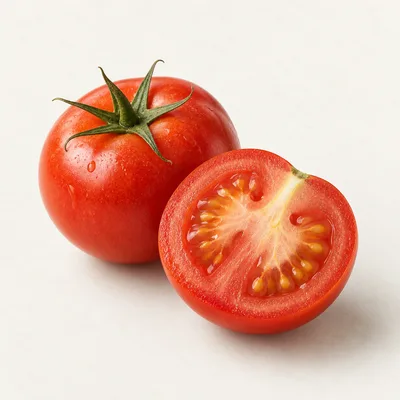 SUMMER PRODUCETomato
Salads, stews, baked dishes and preserves
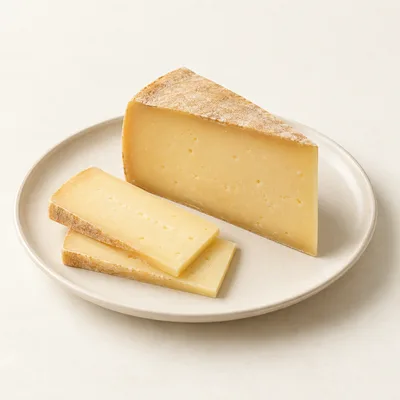 BRINED DAIRYWhite cheese
Crumbled over salads or baked into pastry
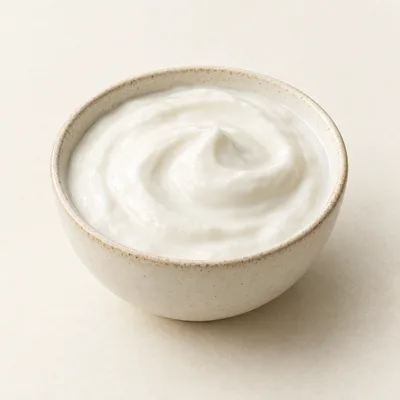 CULTURED DAIRYYoghurt
Eaten plain and used in soups, sauces and pastry
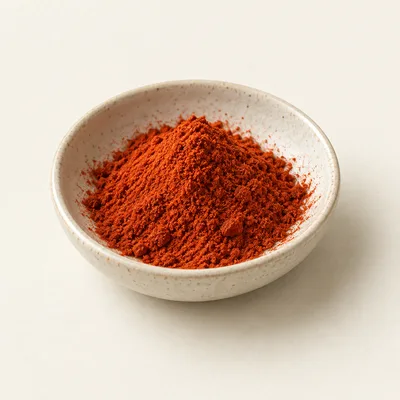 SPICEPaprika
Colour and warmth for stews, grills and sausages
Herbs identify the pot. The official culinary guide highlights parsley across salads, soups and mains, spearmint in bean soup, and savory, thyme and basil with vegetables and meat. [8]
Banitsa demonstrates how simple ingredients become ritual food. Layered pastry, white cheese, eggs and yoghurt produce an everyday bakery staple that also appears at celebrations. Fillings and shapes change by household and region. [9][10]
A mehana and a bakery reveal different halves of the cuisine.
Traditional taverns are built for shared, lingering meals. A mehana typically brings salads, grills, clay-pot dishes, bread, wine and rakia together in one setting. Regional guesthouses can be especially useful for mountain recipes and local produce. [8][11]
Breakfast and snack culture belongs to bakeries. Banitsa, mekitsi and other dough foods are often best encountered fresh in the morning rather than as formal restaurant courses. Markets add cheese, yoghurt, cured meats, pickles and seasonal fruit. [9][10]
Food-culture sources checked .
Salads, relishes and cold soups
Salads are prominent in Bulgarian food. Shopska salad combines tomatoes, cucumbers, onion or scallions, peppers, parsley and white brined cheese, while Ovcharska may add mushrooms, boiled egg, yellow cheese and ham. Tarator is yoghurt and cucumber, sometimes with dill, garlic, walnuts and sunflower oil. Ask for every garnish and dressing rather than relying on the dish name.
Pastry, bread and breakfast foods
Banitsa uses layered filo pastry and may be filled with cheese, spinach, potatoes, minced meat or kraut. Bakeries also prepare mekitsa, tutmanik and milinka, while kozunak and kifla are sweet or enriched breads. For any pastry, ask whether the dough is wheat-based, whether egg, milk, butter or cheese is included, and whether the filling differs from the displayed example.
Soups and substantial baked dishes
Bob chorba is a minty bean soup and leshta chorba a minty lentil soup; shkembe chorba is tripe soup. Bulgarian moussaka is described as potatoes and minced meat with an egg-and-yoghurt white sauce, while gyuvetch combines vegetables and sometimes meat in a clay pot. Ask about thickener, finishing mixture, stock and toppings.
Meat, regional recipes and variation
Pork is widely represented in the food description, alongside fish and chicken. Kebapche is grilled minced meat seasoned with black pepper or cumin; kyufte is shaped minced meat, and sarmi or kapama use leaves around fillings. Meat appetisers have regional recipes, so ask about binders, marinades, herbs, sauces and shared grills.
Ingredients worth recognising
Start with these ingredients, then follow their names and recorded food connections. Check the recipe and product actually used.
Wheat flour
Wheat flour is intrinsic to the ingredient itself and appears in the coating for chushki burek and the dough of mekitsi, among other examples. Ask whether flour is also used to thicken soup or bind a meat mixture.
Phyllo Pastry
Phyllo pastry is conventionally made with wheat flour and is recorded in banitsa and tikvenik connections. Ask about the complete pastry, including brushing fat, filling, dusting ingredients and whether it was prepared on a shared work surface.
Fish
Fish is the defining protein in ribena chorba, while air-dried mackerel is also described in the wider food context. Ask which fish is used, whether stock contains other fish, and whether utensils or preparation surfaces are shared.
Walnut
Walnut is a tree nut and is recorded in Garash cake, tikvenik, Snezhanka salad and some tarator preparations. Ask whether walnut is mixed in, sprinkled on top or present in a garnish, and whether the recipe is made without it.
Yogurt
Yoghurt can feature in Bulgarian moussaka, tarator, Snezhanka salad, mekitsi and other dishes. Ask whether it is in the main mixture, topping or sauce, and whether a dish served with yoghurt can be supplied without that accompaniment.
Egg
Egg is defining in mish-mash and Yaytsa po Panagyurski, and is used in several pastry toppings, coatings and binders. Ask whether egg is in the batter, wash, filling, meat mixture or finishing sauce rather than assuming it is absent.
How food labelling works
EU food-information rules cover 14 allergen categories used as ingredients. On prepacked food, these must stand out in the ingredients list. The categories include gluten-containing cereals, crustaceans, eggs, fish, peanuts, soybeans, milk, specified nuts, celery, mustard, sesame, sulphites above the stated threshold, lupin and molluscs.
Allergen information is also required for food sold without prepacking, including restaurant meals. Ask how to obtain the information for the exact order. National arrangements affect how it is supplied; an ingredient declaration does not by itself describe shared equipment or handling.
If you avoid a food outside those categories, read the complete ingredients and name that food when speaking to staff. A short allergen key cannot answer every ingredient-specific question.
Language and communication
Bulgarian is the national language and uses Cyrillic. Prepare a written explanation in Bulgarian stating the ingredient to avoid, the need to discuss the complete recipe, and questions about stock, sauces, toppings, shared oil, water and utensils. Keep the written version available when ordering.
Russian is used by some older Bulgarians, while Turkish is relevant to Turkish-speaking communities, particularly around Razgrad and Isperih in the north-east and Kurdzhali in the Rhodope Mountains. If using either language, ask for verbal confirmation as well, especially where a reply or head movement is unclear.
Eating in different settings
Bakery or pastry counter
For banitsa, mekitsa, tutmanik, kozunak or tikvenik, ask which flour, filling and brushing fat are used. Ask specifically about egg, milk, butter, cheese and walnut, and whether the item was cut or handled with tools also used for other pastries.
Salad, soup or meze order
With Shopska, Ovcharska, tarator, Snezhanka or trushia, ask for the full dressing and garnish. Check white cheese, yoghurt, walnuts, egg, oil, vinegar, garlic and herbs, and ask whether bread or a separate topping is automatically served.
Grill or restaurant meal
Before ordering kebapche, kyufte, kavarma or a meat appetiser, ask about breadcrumbs, flour, egg, marinades and sauces. Ask whether the grill, pan, oil or utensils are shared, and whether a side dish or finishing garnish is added after cooking.
Supermarket or packaged-food shop
For boxed baklava, chocolate, bread, wine, raisins or packaged pastries, read the complete ingredient list rather than a short allergen key. Check highlighted categories and named ingredients, and ask how information is provided for food sold without prepacking.
Before you travel
Review your personal plan
Discuss your travel plans with your clinician and keep your prescribed medicines and emergency instructions accessible. Tell companions where these are and how to follow your plan.
Check your medicines before entering Bulgaria
The legal status and regulation of medicines prescribed or bought in the UK can differ in Bulgaria. Before travel, check medicine-import requirements and required documents with the relevant Bulgarian authority or your prescriber, using current TravelHealthPro guidance as an additional reference. Do not stop or change prescribed medicine.
Make the first meals easier to organise
Contact your accommodation and transport providers in advance. Save your written food list, menu questions and destination address offline. Check entry restrictions before packing backup food, and plan how you will check meals during arrival and onward journeys.
Plan access to medical help
For medically necessary state healthcare, if you are eligible for UK-issued cover, check whether you have a GHIC or EHIC; these do not replace travel insurance. Ask your insurer what treatment and costs are covered. If using private care, agree the price in advance and check whether your card is accepted, as many private hospitals may not accept it.
Emergency resources
For a suspected severe allergic reaction, follow your prescribed emergency plan and seek urgent medical help. Give your exact location clearly.
Ambulance and urgent medical help
Dial 112 and ask for an ambulance.
Explore next
Your allergy in Bulgaria
Choose a food concern for the country notes and questions relevant to it.
Dishes in Bulgaria
Follow the ingredients and cuisine connections in individual dish records.
Your own food list
Combine allergy groups and individual ingredients in one guide, with local names where recorded.
Allergy cards
Prepare the information you need to explain your food requirements.
FAQs, sources and review dates
Could a salad be more than vegetables and cheese?
Yes. Ovcharska salad may include mushrooms, boiled egg, yellow cheese and ham, while tarator may include walnuts, dill, garlic and sunflower oil. Ask for the exact dressing, additions and garnish, and confirm whether bread or another side is included.
What should I ask about a Bulgarian meatball?
For kyufte or Tatarsko kyufte, ask whether wheat breadcrumbs or egg is used as a binder, then ask about seasoning, sauce and cooking equipment. Recipes vary, so a minced-meat name alone cannot answer the question.
What about an ingredient outside common allergy groups, such as vinegar?
Name the ingredient directly and ask for the complete recipe and label. Generic vinegar has an unspecified source; some vinegars are malt-based and some formulations may contain sulphites. Ask which vinegar is used rather than relying on a general allergen summary.
Sources checked: . This researched draft is awaiting editorial review. Practical questions apply the sources below to local food settings; they do not confirm any individual meal's ingredients or preparation.
Sources & references (11)
- FCDO · Bulgaria health and medical assistance
Emergency contact details, local healthcare and medicine guidance. UK-specific eligibility does not apply to every visitor.
- Wikivoyage contributors · Bulgaria
Community-edited culinary context only; not an allergy or medical authority. Brief food-context adaptations, CC BY-SA 4.0: https://creativecommons.org/licenses/by-sa/4.0/. Recipe questions also use PlateSafe’s draft records.
- FARE · Dining out
General recipe and preparation questions, applied here to country-specific food examples.
- FARE · Travelling with food allergies
General preparation, written communication and access to prescribed medicines. Not country-specific import permission.
- PlateSafe · Bulgaria recorded food connections
Existing draft dish and ingredient records, used as examples to investigate. These are not independently verified recipes or suitability assessments.
- Unicode CLDR · Territory language data
Language suggestions. Regional language needs must be confirmed with the particular food provider.
- European Commission · Allergen information
Scoped allergen-labelling summary. Does not establish an individual meal’s ingredients or preparation.
- Bulgaria Ministry of Tourism — Wine and cuisine guide
- Bulgaria Ministry of Tourism — Bulgarian cuisine
- Official Tourism Portal — Discover Bulgaria
- Bulgaria Ministry of Tourism — Regional wine and culinary routes