

BEFORE YOUR FIRST MEAL
Navigating food allergies in Cambodia
Cambodian meals commonly bring rice or noodles together with sour flavours, grilled or quickly cooked proteins, soups, curries and fresh garnishes. Amok trey, kuy teav, bai cha and nom pang can vary by cook, filling and seasoning. Across markets, stalls, cafés and restaurants, ask about the complete recipe, sauces, stock, toppings, preparation surfaces and shared cooking equipment rather than relying on a dish name.
What to know first
Culinary pattern
Rice and noodles are common foundations, while sour soups, steamed curries, fried dishes and grilled meats may carry fish sauce, fermented fish or other seasonings.
Recipe variation
Amok trey may contain fish and egg in a coconut-based custard; kuy teav can use pork, beef, seafood or prawns, with seasoning added separately.
Communication
Explain the exact ingredient or protein you must avoid in Khmer, and ask someone to confirm the full recipe, broth, sauce, garnish and cooking method.
Preparation
Ask whether your food shares a wok, pan, grill, fryer, chopping board, oil or noodle water with another dish, especially at busy stalls and counters.
Labels
Read the complete ingredients and allergen information on the actual product. If you avoid a food that is not highlighted, ask the producer or food provider to check it specifically.
Understanding the food
Kroeung herb pastes, prahok, palm sugar, sour fruit, river fish and fresh herbs create a cuisine that is aromatic and balanced rather than simply “mild Thai”. Royal dishes, village recipes, market breakfasts and regional specialities preserve different parts of Khmer food history.
Waterways, coast and uplands produce different Khmer repertoires.
| Area | Food landscape | Examples to explore |
|---|---|---|
| Phnom Penh | Royal, market and contemporary Khmer cooking | Amok, noodle soups, rice porridge and restored historic recipes |
| Tonlé Sap & Siem Reap | Freshwater fish, rice and temple-region traditions | Prahok, grilled fish, num banh chok and countryside dishes |
| Kampot & Kep | Coast, pepper farms and crab fisheries | Blue swimmer crab with Kampot pepper and seafood |
| Northeast highlands | Indigenous communities, forest produce and fire cooking | Bamboo-cooked foods, herbs, wild greens and local rice |
Cambodian cuisine carries both royal and household archives. The Ministry of Tourism describes amok in historic royal records while documenting cooks travelling to recover village recipes transmitted without measurements and threatened by twentieth-century loss. [7]
Freshwater systems are central to the pantry. Rice plains, the Mekong and Tonlé Sap support fish, fermented seasonings, soups and breakfast noodles. The coast adds crab and other seafood, especially around Kep and Kampot. [7][8]
The flavour base is assembled before the main ingredient enters.
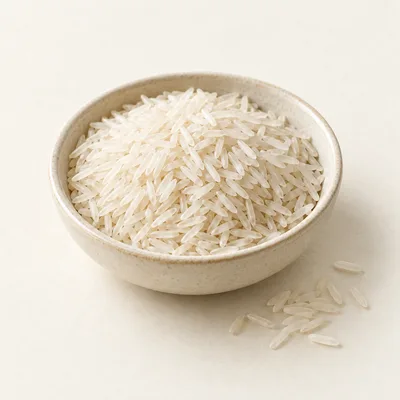 GRAINRice
Steamed, made into noodles or simmered as bobor
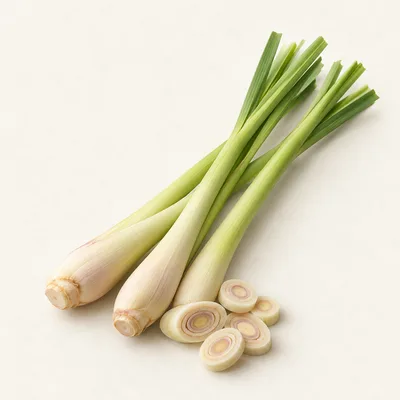 AROMATICLemongrass
A defining component in many kroeung pastes
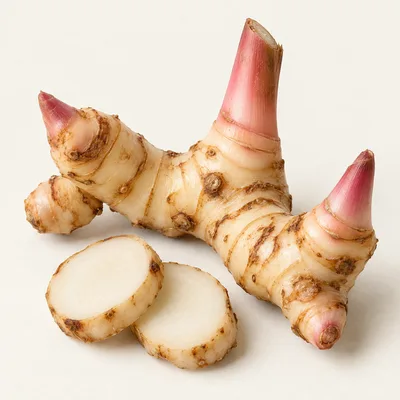 RHIZOMEGalangal
Citrusy warmth in spice pastes and soups
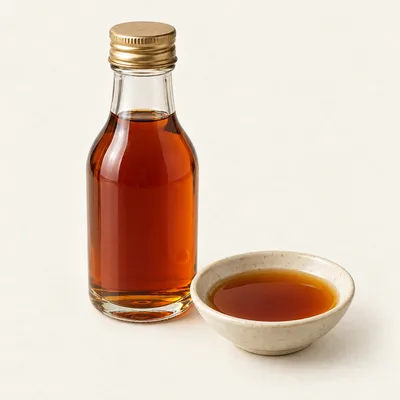 FERMENTED SEASONINGFish sauce & prahok
Salinity and depth in dips, soups and cooked dishes
Kroeung is a family of pastes, not one recipe. Combinations of lemongrass, galangal, turmeric, makrut lime, garlic, shallot and other aromatics are pounded for particular dishes. The paste determines the direction before fish, meat or vegetables are added. [7]
Prahok is seasoning as much as visible protein. The crushed, salted fermented fish paste can disappear into soups, dips and sauces while contributing an unmistakable savoury base. Its presence is broader than dishes carrying its name. [7]
Breakfast stalls and markets show the daily cuisine most clearly.
Num banh chok and bobor belong to the morning. Fermented rice noodles with herb-rich gravy and rice porridge with varied toppings are common breakfast structures. They reveal fresh herbs, condiments and regional broths more clearly than a banquet menu. [7]
Contemporary restaurants are also acts of preservation. Farm-to-table and chef-led kitchens increasingly research lost or under-recorded Khmer recipes. Ask where a dish comes from and whether it is royal, regional, household or newly interpreted. [7]
Food-culture sources checked .
Rice, noodles and breakfast bowls
Rice appears in bai cha and bai sarch ch’rouk, while fried noodles and kuy teav offer different noodle-based meals. Kuy teav broth may be seasoned with fish sauce and a bowl can be finished to taste with lime, chilli powder or sugar. Ask whether the noodles, stock and toppings are prepared separately, and whether a seafood version uses prawns or other seafood.
Curries, soups and sour flavours
Amok trey is a steamed curry presented in banana leaf or coconut, with fish as its defining protein and egg commonly mixed into the coconut custard. Sour soups may combine fish with pineapple and tomatoes. Ask about coconut, egg, fish, stock and finishing sauces individually; a curry or soup name does not establish its complete recipe.
Grilled, fried and quickly cooked plates
Bai sarch ch’rouk features rice with often-barbecued pork, while lok lak uses quickly cooked chopped beef with a lime-and-black-pepper dipping sauce. In some versions, cha kdam is crab cooked with black pepper, and cha knyey is a ginger stir-fry. Ask about marinades, seasoning sauces, grill surfaces and shared pans.
Street snacks, bread and fruit
Nom pang is a wheat-flour baguette that may contain pork, pâté, mayonnaise or fish-based seasoning. Chek chien commonly uses wheat flour and may include sesame. Fresh fruit, coconut waffles, sweetmeats, ice, condensed milk and sugar water appear in different snacks. Ask about batter, fillings, toppings, utensils and whether ingredients are added after cooking.
Ingredients worth recognising
Start with these ingredients, then follow their names and recorded food connections. Check the recipe and product actually used.
Wheat flour
Wheat flour is used in the baguette for nom pang and in common chek chien batter. Ask whether the bread, coating or batter contains wheat flour, and whether it shares a fryer, tongs or preparation surface with other foods.
Egg
Egg commonly helps bind the coconut custard in amok trey, and may be fried into bai cha or added to some toppings and mayonnaise fillings. Ask whether egg is mixed in, used as a garnish or present in a sauce.
Coconut
Coconut is recorded in Cambodia’s culinary context, including amok presentations and coconut-based custard, as well as coconut waffles. Ask whether coconut appears in the dish, batter, drink or garnish, and whether condensed milk or sugar water is also added.
Fish
Fish is central to amok trey, num banh chok and several sour soups; fish-based seasoning also occurs in recorded recipes. Ask whether the protein, broth, paste, dressing or sauce contains fish, including when the main dish is meat or vegetables.
Peanut
Peanuts may be a garnish or component in bok lahong, nhoam svay, pleah sach ko, mi kola and saraman curry. Ask whether crushed or cooked peanuts are added, whether they are optional, and whether the same utensils or topping container are shared.
Soy Sauce
Soy sauce seasons bai cha, lok lak, cha knyey and some other recorded dishes; conventional versions may contain wheat. Ask which sauce is used, request the bottle or full ingredients where possible, and check marinades, stir-fry sauce and dipping sauce separately.
How food labelling works
A current, country-specific allergen-labelling summary for Cambodia has not yet been verified for this guide. Do not transfer the list of regulated allergens or restaurant disclosure rules from your home country to this one.
Read the complete ingredients on the actual package and keep any local-language sticker with the original label. For imported products, compare the information on that pack rather than a photograph of the brand sold elsewhere. Ask the manufacturer or seller to clarify an unfamiliar term.
For loose food or meals prepared to order, ask who can check the recipe and the labels on bought-in ingredients. Explain every food you avoid, including ingredients outside familiar allergy groups; a short symbol chart may not cover your list.
Language and communication
Khmer is Cambodia’s official language and should be prioritised for a written explanation of the ingredient you avoid and the need to confirm the complete recipe. Use dish and ingredient names as recognition aids, not as a complete allergy request; ask for confirmation of the reply.
Regional language use can matter near borders: Thai is spoken by some people in north-western provinces, and Vietnamese by some people in south-eastern provinces. In Phnom Penh, tourist centres or larger towns, prepare the explanation in Khmer first and seek confirmation from the person preparing the food.
Eating in different settings
Market or street stall
Point to the exact item and ask whether it contains fish sauce, fermented fish, dried shrimp, peanut, egg or wheat. Ask if toppings are added from a shared container, whether the wok or fryer is shared, and whether the stall can prepare the portion without the ingredient.
Noodle or soup counter
For kuy teav, ask what is in the stock, noodles, meat or seafood, and final seasoning. Confirm whether prawns, fish sauce, lime, chilli powder, sugar or other toppings are added separately, and whether the ladle, broth pot or noodle water is shared.
Restaurant or shared meal
For amok trey, curry, soup or lok lak, ask for each protein, paste, sauce and garnish rather than ordering by name alone. Confirm coconut custard and egg, fish-based seasoning, soy sauce, peanuts, marinades and the pan or grill used.
Bakery, dessert or packaged-food shop
For nom pang, chek chien, coconut waffles or packaged snacks, ask about wheat flour, egg, sesame, mayonnaise, fillings, condensed milk and toppings. Read the complete ingredient list where available, and ask how the item is handled, fried or displayed.
Before you travel
Review your personal plan
Discuss your travel plans with your clinician and keep your prescribed medicines and emergency instructions accessible. Tell companions where these are and how to follow your plan.
Check your medicines before entering Cambodia
The legal status and regulation of medicines prescribed or bought in the UK can differ in Cambodia. Before travel, read TravelHealthPro’s best-practice guidance for travelling with medicines and check the latest relevant guidance for Cambodia before you go.
Make the first meals easier to organise
Contact your accommodation and transport providers in advance. Save your written food list, menu questions and destination address offline. Check entry restrictions before packing backup food, and plan how you will check meals during arrival and onward journeys.
Plan access to medical help
The FCDO provides a list of medical providers in Cambodia where some staff may speak English, alongside separate guidance for people living there. Before travel, ask your insurer and a listed provider whether the provider can meet your needs and what insurance arrangements apply; use FCDO travel and mental-health guidance where relevant.
Emergency resources
For a suspected severe allergic reaction, follow your prescribed emergency plan and seek urgent medical help. Give your exact location clearly.
Ambulance and urgent medical help
Dial 119 and ask for an ambulance.
Explore next
Your allergy in Cambodia
Choose a food concern for the country notes and questions relevant to it.
Dishes in Cambodia
Follow the ingredients and cuisine connections in individual dish records.
Your own food list
Combine allergy groups and individual ingredients in one guide, with local names where recorded.
Allergy cards
Prepare the information you need to explain your food requirements.
FAQs, sources and review dates
Could bai cha be suitable if I avoid wheat?
Not necessarily. The recorded bai cha example uses soy sauce, and many conventional soy sauces contain wheat; egg may also be fried into the rice. Ask which soy sauce is used, check its complete ingredients, and confirm that no wheat-containing seasoning or shared preparation is involved.
What should I ask about a fish-free noodle soup?
Ask whether the kuy teav broth contains fish sauce or seafood, whether prawns are included, and whether toppings are added separately. Confirm the protein, stock, noodle preparation and ladle. A bowl described as pork or beef may still use fish-based seasoning.
Is coconut an allergy-group classification?
Do not assume a legal or botanical classification from the ingredient name. If coconut matters to you, ask specifically about coconut milk, coconut custard, coconut waffles, coconut water and garnishes. Confirm what is in the finished serving rather than inferring from amok, dessert or drink names.
Sources checked: . This researched draft is awaiting editorial review. Practical questions apply the sources below to local food settings; they do not confirm any individual meal's ingredients or preparation.
Sources & references (9)
- FCDO · Cambodia health and medical assistance
Emergency contact details, local healthcare and medicine guidance. UK-specific eligibility does not apply to every visitor.
- Wikivoyage contributors · Cambodia
Community-edited culinary context only; not an allergy or medical authority. Brief food-context adaptations, CC BY-SA 4.0: https://creativecommons.org/licenses/by-sa/4.0/. Recipe questions also use PlateSafe’s draft records.
- FARE · Dining out
General recipe and preparation questions, applied here to country-specific food examples.
- FARE · Travelling with food allergies
General preparation, written communication and access to prescribed medicines. Not country-specific import permission.
- PlateSafe · Cambodia recorded food connections
Existing draft dish and ingredient records, used as examples to investigate. These are not independently verified recipes or suitability assessments.
- Unicode CLDR · Territory language data
Language suggestions. Regional language needs must be confirmed with the particular food provider.
- Cambodia Ministry of Tourism — A gourmet guide to Cambodia
- Cambodia Ministry of Tourism — Official tourism portal
- FAO — Cambodia at a glance