
BEFORE YOUR FIRST MEAL
Navigating food allergies in Cameroon
Cameroonian food ranges from grilled and dried meats to vegetable sauces, cassava and maize staples, fried plantains, and soups seasoned with fish or crustaceans. A familiar dish name may cover different proteins or flavourings: ndolé can include peanut with crayfish or shrimp, while soups and wrapped preparations often vary. Ask about the complete recipe, cooking liquid, toppings and shared equipment before ordering.
What to know first
Sauces and soups
Ndolé, groundnut soup and yellow soup can carry peanut, fish, crayfish or shrimp. Ask which version is being served and whether stock or seasoning was added.
Starches and sides
Cassava bars, maize couscous, fried potatoes, plantains and koki may accompany a sauce or protein. Check garnishes, fillings and whether a side was cooked separately.
Explain the whole concern
Show or write the ingredients you must avoid in French or English, then ask the person preparing the food to confirm the complete recipe rather than relying on a dish name.
Preparation questions
Ask whether your food shares oil, water, pans, knives, boards or serving utensils with fish, shrimp, crayfish, peanut or wheat-containing foods.
Reading labels
Read the complete ingredients and allergen information on the actual product. If you avoid a food that is not highlighted, ask the producer or food provider to check it specifically.
Understanding the food
Forest leaves, plantain, cassava, cocoyam, maize, groundnuts, palm products, river and coastal fish, cattle and northern grains produce sharply different dishes. Sauce colour, wrapping leaf and chosen starch often tell you more than a broad menu label.
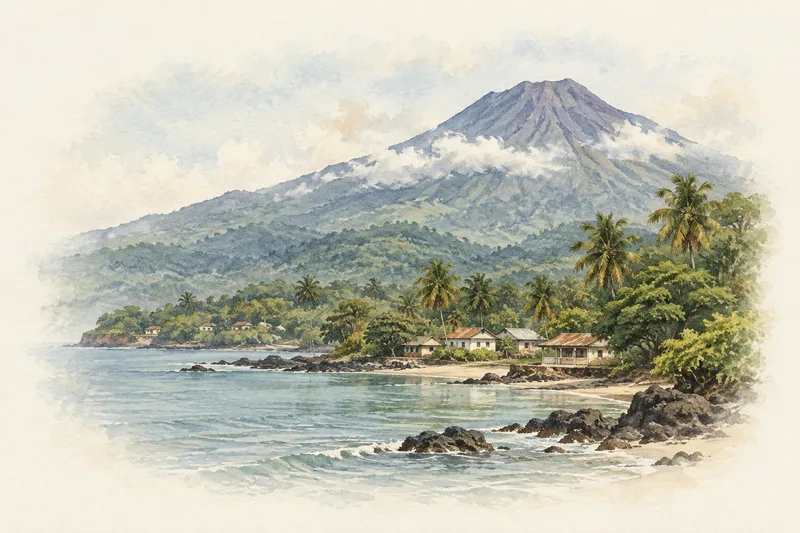
The national menu crosses forest, coast, grasslands and Sahel.
| Cultural area | Food landscape | Examples to explore |
|---|---|---|
| Sawa coast & Littoral | Fish, palm, plantain and aromatic black sauces | Mbongo tchobi, grilled fish and coastal stews |
| Forest Centre, South & East | Cassava, forest leaves, groundnuts and river foods | Okok, nnam ngon, sanga and wrapped dishes |
| Western Grassfields | Cocoyam, beans, maize, vegetables and palm oil | Achu with yellow soup, kondrè and corn fufu |
| North & Far North | Millet, sorghum, cowpeas, cattle and dried meat | Kilichi, baobab-leaf sauces and grain couscous |
The tourism ministry explicitly organises cuisine through four cultural areas. Its national collection ranges from coastal mbongo tchobi and leafy ndolé to Grassfields achu, northern kilichi and numerous dishes wrapped or steamed in leaves. [7][9]
One starch does not stand for the country. Plantain, cassava, cocoyam, maize, millet, sorghum and rice each dominate in different places and pair with particular sauces. Asking for the intended accompaniment is part of identifying the dish. [7][8]
Leaves, seeds and starches are engineered into complete textures.
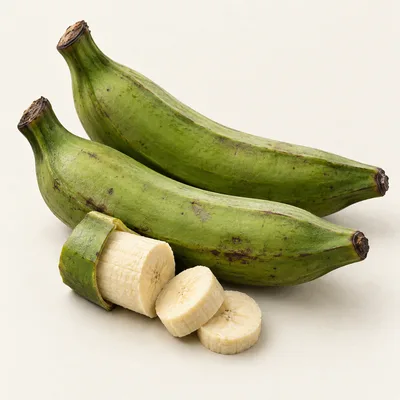 STARCHGreen plantain
Boiled, fried or stewed whole in dishes such as kondrè
Pounded into sauces and leafy preparations
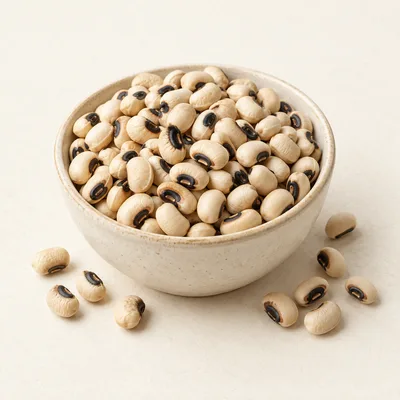 PULSECowpea
Whole, milled or combined with leaves and palm oil
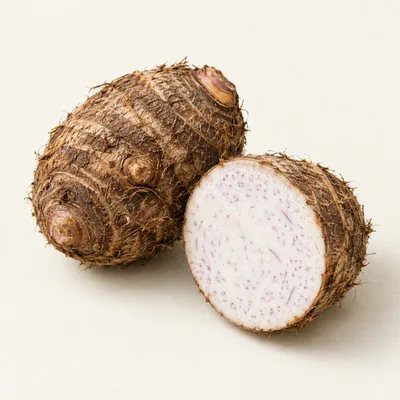 TUBERTaro & cocoyam
Pounded for achu and other substantial starches
Ndolé is a layered leaf dish. Bitterleaf is worked with groundnut paste and commonly paired with meat, fish or prawns. The Ministry’s dish collection places it among many leaf-and-seed combinations rather than as a lone national emblem. [7]
Wrapping and steaming are flavour techniques. Domba describes cooking food enclosed in banana leaves, while seed pastes, fish and other mixtures may also be steamed in leaves. The wrapper contains moisture and perfume as the filling cooks. [7]
City restaurants gather regional dishes, but specialisation still matters.
Douala and Yaoundé are useful national crossroads. Restaurants can place coastal fish, ndolé, eru, achu, grilled meats and northern dishes on one city map, though individual kitchens may specialise by owner, community or region. [9][7]
Ask for the sauce and starch as a pair. Achu belongs with yellow soup; mbongo tchobi depends on its dark aromatic spice base; eru is served with a chosen starch. Ordering only by protein misses the organising logic of the plate. [7]
Food-culture sources checked .
Sauces with changing proteins
Sauce arachide is described with rice and meat, while groundnut soup has recorded versions using fish instead of or alongside meat. Ndolé combines bitter vegetables with ground peanut and may use crayfish or shrimp. Ask whether the sauce base, stock, seasoning and final protein match the version you were told about, especially when a shared pot has been prepared for several diners.
Fish, smoked seafood and wrapped dishes
Fish appears in many recorded preparations: maboke centres on fish wrapped and steamed; mbongo tchobi and ndomba use fish as defining proteins; pepper soup, Ekwang and eru can also include it. Smoked fish may flavour eru, and dried shrimp can season mbanga soup. Ask whether seafood is mixed into the dish, added at the end, or present in the cooking liquid.
Starches, dumplings and fried sides
Cameroonian dishes include cassava couscous, steamed bobolo, thinner miondo, maize couscous, fried potatoes and plantain that may be grilled, steamed or deep-fried. Koki may be served as a garnish, and some versions of Koki and puff-puff use wheat flour. Confirm the exact dough or starch, frying oil, and any sauce or topping served with it.
Grilled, dried and mixed plates
Poulet DG may be made with chicken, sauce and fried potatoes; brochettes are barbecued skewers; kilichi is dried beef, and mbol is a dark vegetable sauce served with kilichi, beef or prawns. Some versions of soya have a ground-peanut seasoning coating. Ask what is on the skewer or plate, whether the meat was marinated, and whether the grill or seasoning was shared.
Ingredients worth recognising
Start with these ingredients, then follow their names and recorded food connections. Check the recipe and product actually used.
Wheat flour
Wheat flour may be the dough base in puff-puff and the structural base recorded for Koki. Ask whether the item contains wheat flour, whether another flour was added, and whether shared surfaces or utensils were used.
Peanut
Peanut appears as groundnut: it forms the base of groundnut soup, is defining in ndolé and okok, and features in soya’s seasoning coating. Ask about ground peanut in sauces, marinades and spice mixtures.
Fish
Fish may be the main protein in maboke, mbongo tchobi and ndomba, or an addition to yellow soup, corn chaff, Ekwang, eru and pepper soup. Ask whether fish is in the broth, sauce or final topping.
Dried shrimp
Dried shrimp is recorded in some ekoki, mbanga soup, okok, kwacoco Bible and savoury sese plantain versions. Ask whether it is ground into seasoning or added visibly, and whether seafood was used in the stock.
Vegetable Oil
Generic vegetable oil may be used without specifying its plant source. Ask which oil was used for fried plantains, potatoes, puff-puff or other fried foods, and whether the same oil is used for other dishes.
Beef broth
Beef broth may not be obvious in a finished sauce or soup. Some formulations use celery in the vegetable base. Ask whether beef broth was used and whether its full ingredient list can be checked.
How food labelling works
A current, country-specific allergen-labelling summary for Cameroon has not yet been verified for this guide. Do not transfer the list of regulated allergens or restaurant disclosure rules from your home country to this one.
Read the complete ingredients on the actual package and keep any local-language sticker with the original label. For imported products, compare the information on that pack rather than a photograph of the brand sold elsewhere. Ask the manufacturer or seller to clarify an unfamiliar term.
For loose food or meals prepared to order, ask who can check the recipe and the labels on bought-in ingredients. Explain every food you avoid, including ingredients outside familiar allergy groups; a short symbol chart may not cover your list.
Language and communication
French is one of Cameroon’s two official languages and is described as the more widely useful of the two; English is also official. Prepare a written explanation naming each ingredient to avoid, ask for the complete recipe, and request confirmation from the person cooking or serving.
English is especially relevant in areas close to the Nigerian border, while French may be more useful elsewhere. Regional language use varies, so treat dish names as recognition aids only and seek confirmation in the language the preparer understands.
Eating in different settings
Grilled-meat or brochette counter
For brochettes, kilichi or soya, ask what is on the skewer or in the seasoning coating. Check for ground peanut, fish or shrimp flavouring, and ask whether the grill, brush, board or serving tongs are shared with other foods.
Soup and sauce meal
When ordering ndolé, groundnut soup, yellow soup, eru or pepper soup, ask for every protein, stock and seasoning. Confirm whether peanut, fish, crayfish or shrimp was added, and whether the portion comes from a shared pot.
Bakery or fried-food stall
For puff-puff, fried potatoes or plantain, ask whether wheat flour is present and which oil is used. Check whether the oil, fryer, tray, tongs or preparation surface is also used for other items you need to avoid.
Packaged-food shop or accommodation
For a packaged sauce, broth or snack, read the complete ingredient list and ask about unclear ingredients. In accommodation, explain your concerns before preparation and ask whether separate pans, utensils, water and oil can be used for the whole meal.
Before you travel
Review your personal plan
Discuss your travel plans with your clinician and keep your prescribed medicines and emergency instructions accessible. Tell companions where these are and how to follow your plan.
Check your medicines before entering Cameroon
The legal status and regulation of medicines prescribed or bought in the UK can differ in Cameroon. Read TravelHealthPro guidance on travelling with medicines and ask the relevant Cameroonian authority what documentation, if any, is required for your medicines before travel.
Make the first meals easier to organise
Contact your accommodation and transport providers in advance. Save your written food list, menu questions and destination address offline. Check entry restrictions before packing backup food, and plan how you will check meals during arrival and onward journeys.
Plan access to medical help
Medical facilities in Cameroon are below UK standards and emergency facilities are extremely limited; serious treatment may require evacuation to Europe. Arrange travel insurance and accessible funds, and check the policy’s eligibility, exclusions and evacuation terms before departure.
Emergency resources
For a suspected severe allergic reaction, follow your prescribed emergency plan and seek urgent medical help. Give your exact location clearly.
Ambulance and urgent medical help
Call 112 and ask for an ambulance.
Explore next
Your allergy in Cameroon
Choose a food concern for the country notes and questions relevant to it.
Dishes in Cameroon
Follow the ingredients and cuisine connections in individual dish records.
Your own food list
Combine allergy groups and individual ingredients in one guide, with local names where recorded.
Allergy cards
Prepare the information you need to explain your food requirements.
FAQs, sources and review dates
Could a dish described as vegetarian still contain seafood seasoning?
Do not infer this from the dish's description. Some versions of ekoki, okok, kwacoco Bible, mbanga soup and sese plantains contain dried shrimp or crayfish. Ask whether any fish, dried shrimp, crayfish or seafood stock was used, even when no visible protein is served.
How should I check an unfamiliar ingredient such as celery?
Ask specifically whether celery is present in a beef broth or vegetable base, rather than assuming the broth is only beef. Request the complete ingredient list or ask the cook to identify every vegetable and seasoning used in the stock and finished sauce.
Can I order plantain, cassava or maize sides without checking?
Check the preparation and accompanying food. Plantain may be grilled, steamed or deep-fried; cassava appears as couscous, bobolo or miondo; maize couscous is another option. Ask about oil, sauces, fish, shrimp, peanut, wheat and shared utensils before choosing the side.
Sources checked: . This researched draft is awaiting editorial review. Practical questions apply the sources below to local food settings; they do not confirm any individual meal's ingredients or preparation.
Sources & references (9)
- FCDO · Cameroon health and medical assistance
Emergency contact details, local healthcare and medicine guidance. UK-specific eligibility does not apply to every visitor.
- Wikivoyage contributors · Cameroon
Community-edited culinary context only; not an allergy or medical authority. Brief food-context adaptations, CC BY-SA 4.0: https://creativecommons.org/licenses/by-sa/4.0/. Recipe questions also use PlateSafe’s draft records.
- FARE · Dining out
General recipe and preparation questions, applied here to country-specific food examples.
- FARE · Travelling with food allergies
General preparation, written communication and access to prescribed medicines. Not country-specific import permission.
- PlateSafe · Cameroon recorded food connections
Existing draft dish and ingredient records, used as examples to investigate. These are not independently verified recipes or suitability assessments.
- Unicode CLDR · Territory language data
Language suggestions. Regional language needs must be confirmed with the particular food provider.
- Cameroon Ministry of Tourism and Leisure — Cuisine
- Cameroon Ministry of Tourism and Leisure — Discover Cameroon
- Cameroon Ministry of Tourism and Leisure — Official portal